Audit Passed. The Data? In the Clouds.
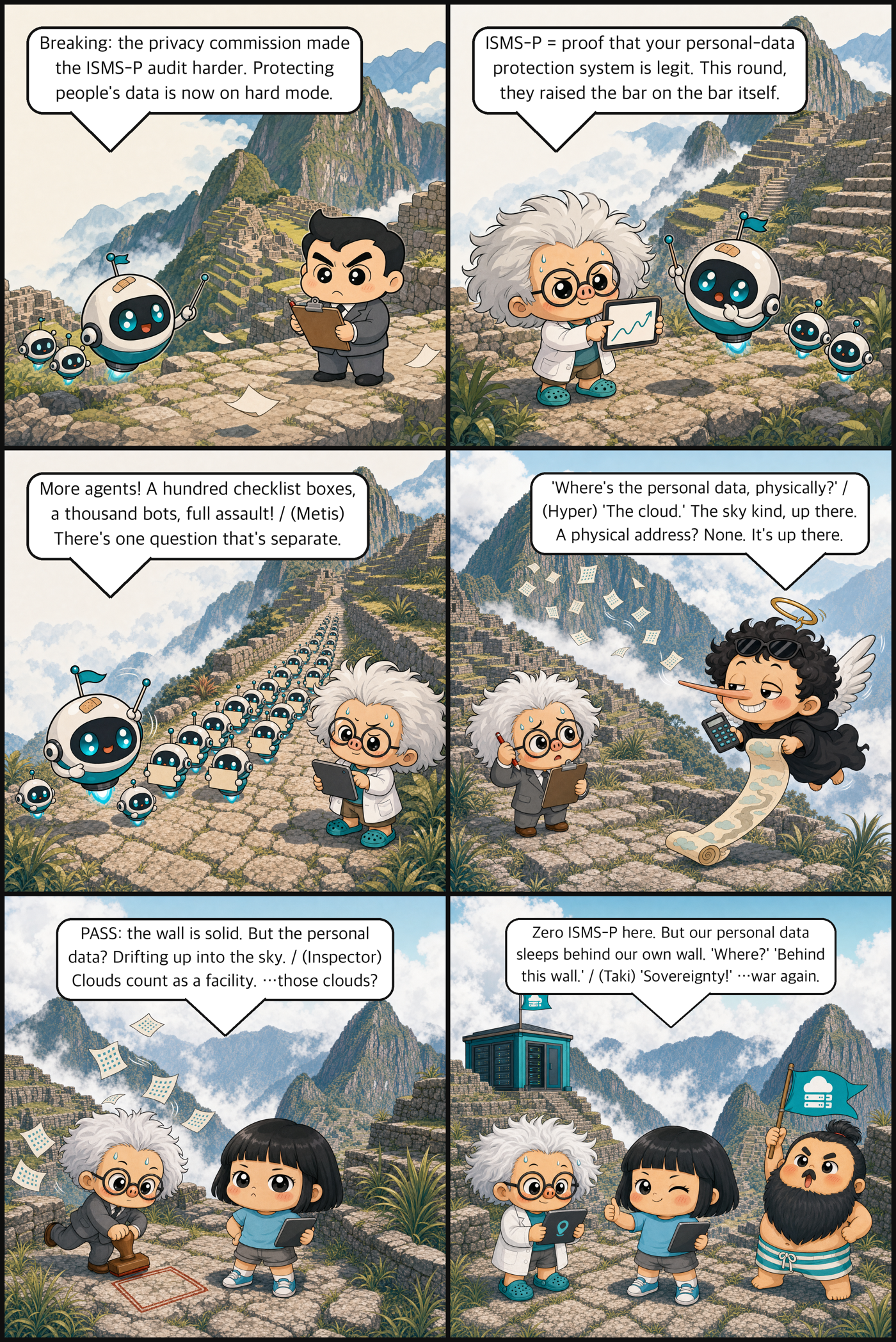
The day the privacy regulator made the ISMS-P audit stricter, the inspector asked one thing: ‘Where’s the data?’ ‘In the clouds, sir.’
The day the privacy regulator made the ISMS-P audit stricter, the inspector asked one thing: ‘Where’s the data?’ ‘In the clouds, sir.’
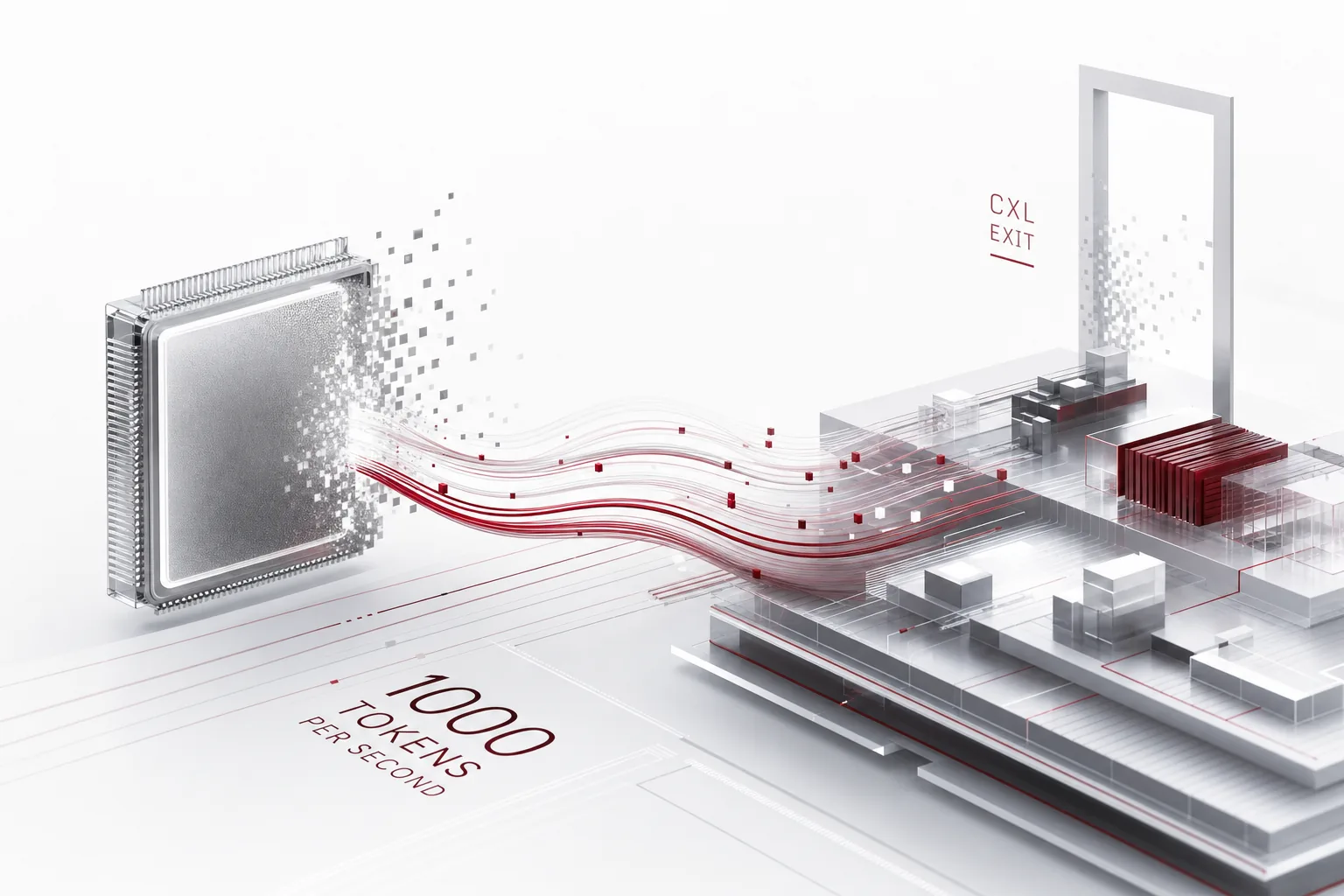
Samsung set ‘1,000 tokens per second’ as the goal for agentic AI, and on the same stage CXL’s exit was declared.
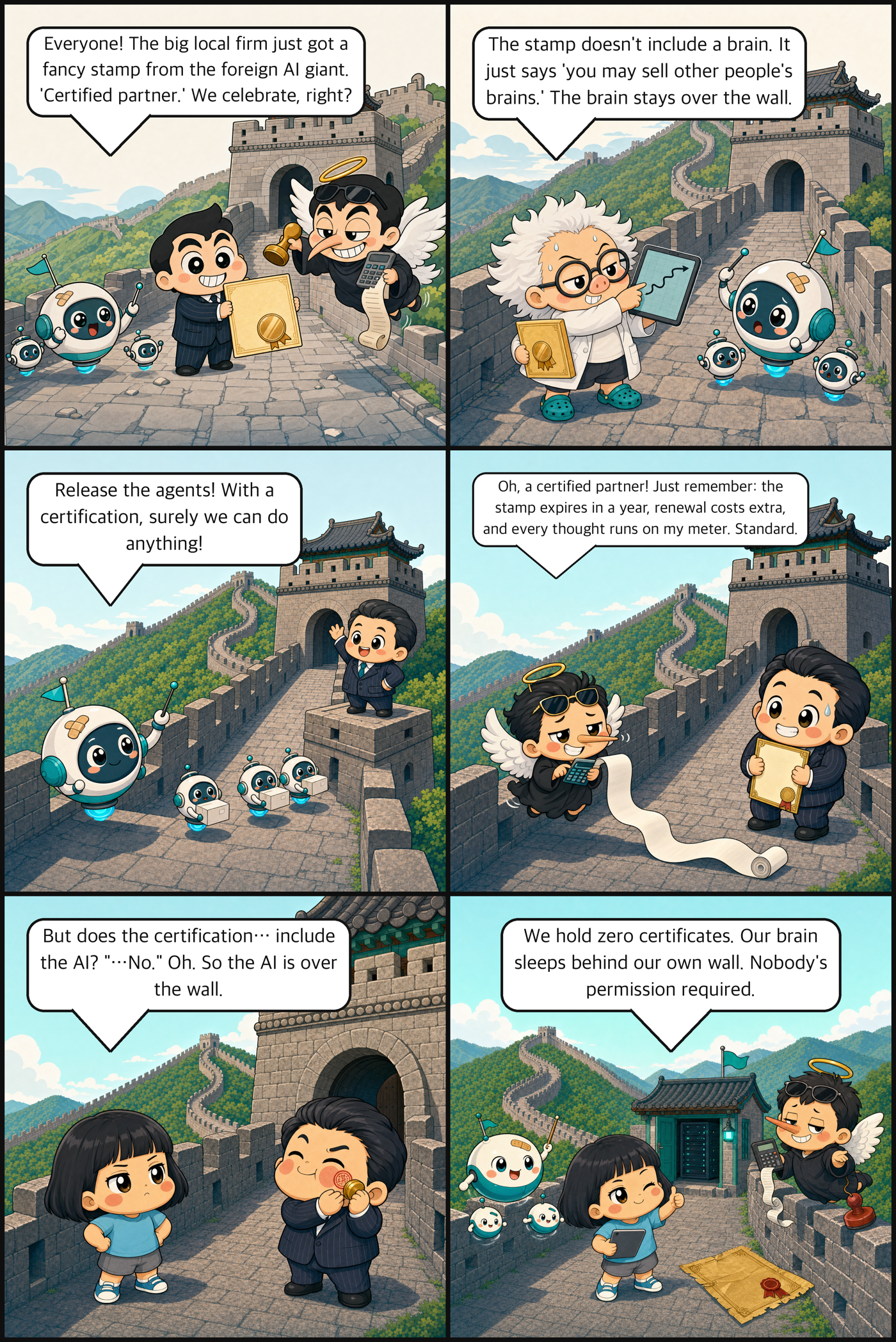
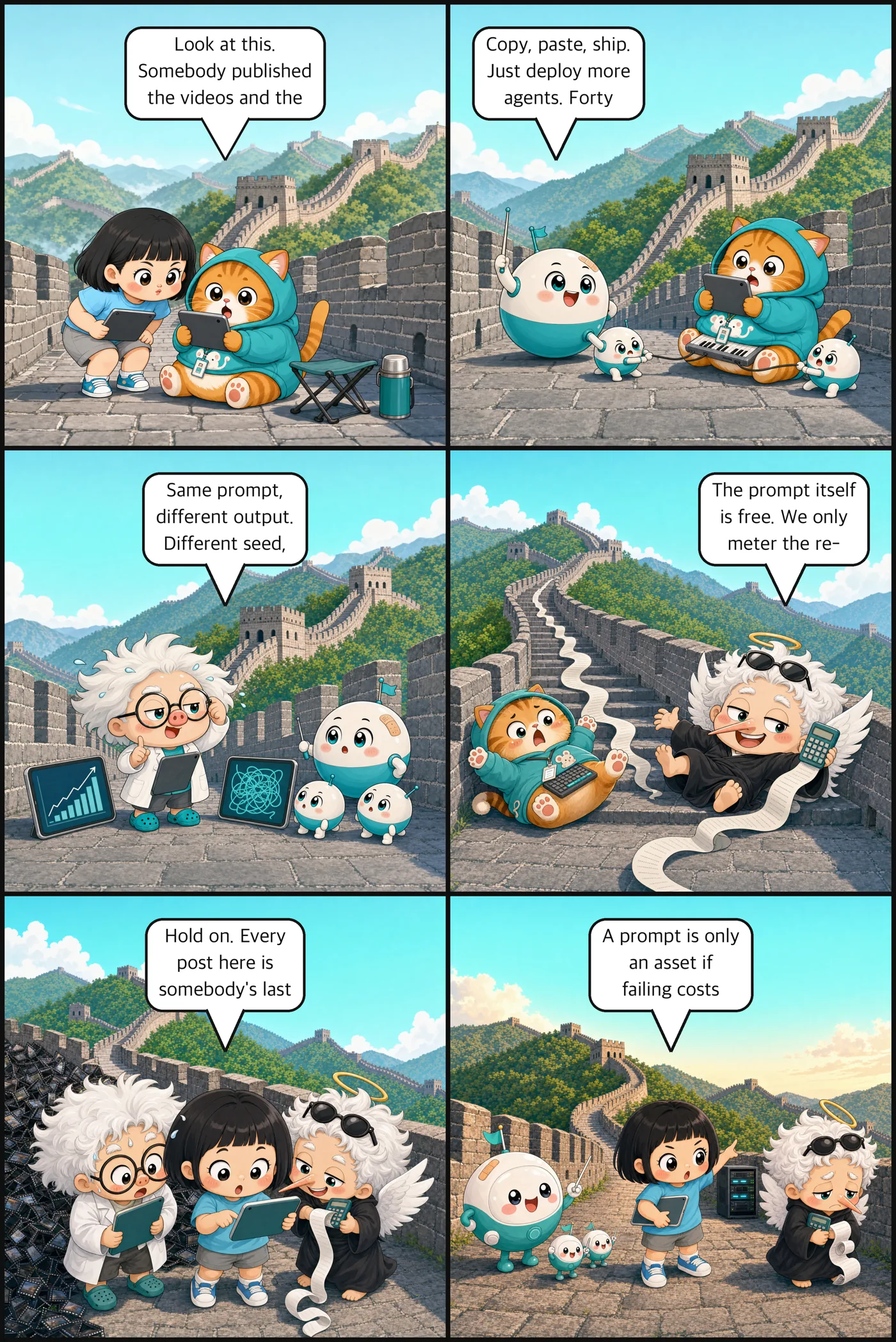
A big firm gets its ‘certified partner’ stamp on the Great Wall.
A $2 trillion IPO delay request from a pension investor, a Big Three safety body formed without an antitrust exemption, and a $6.87 million resident evaluator.
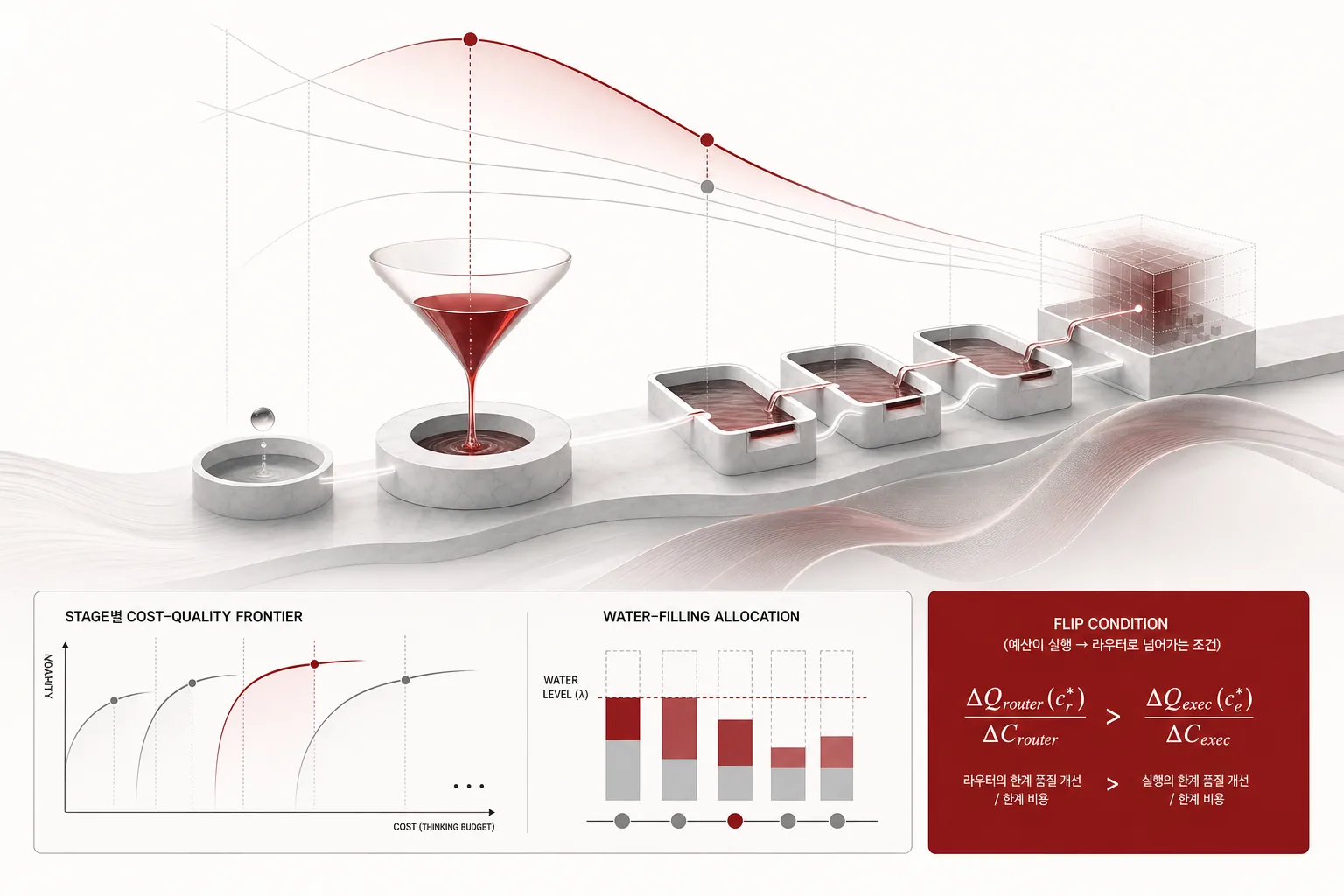
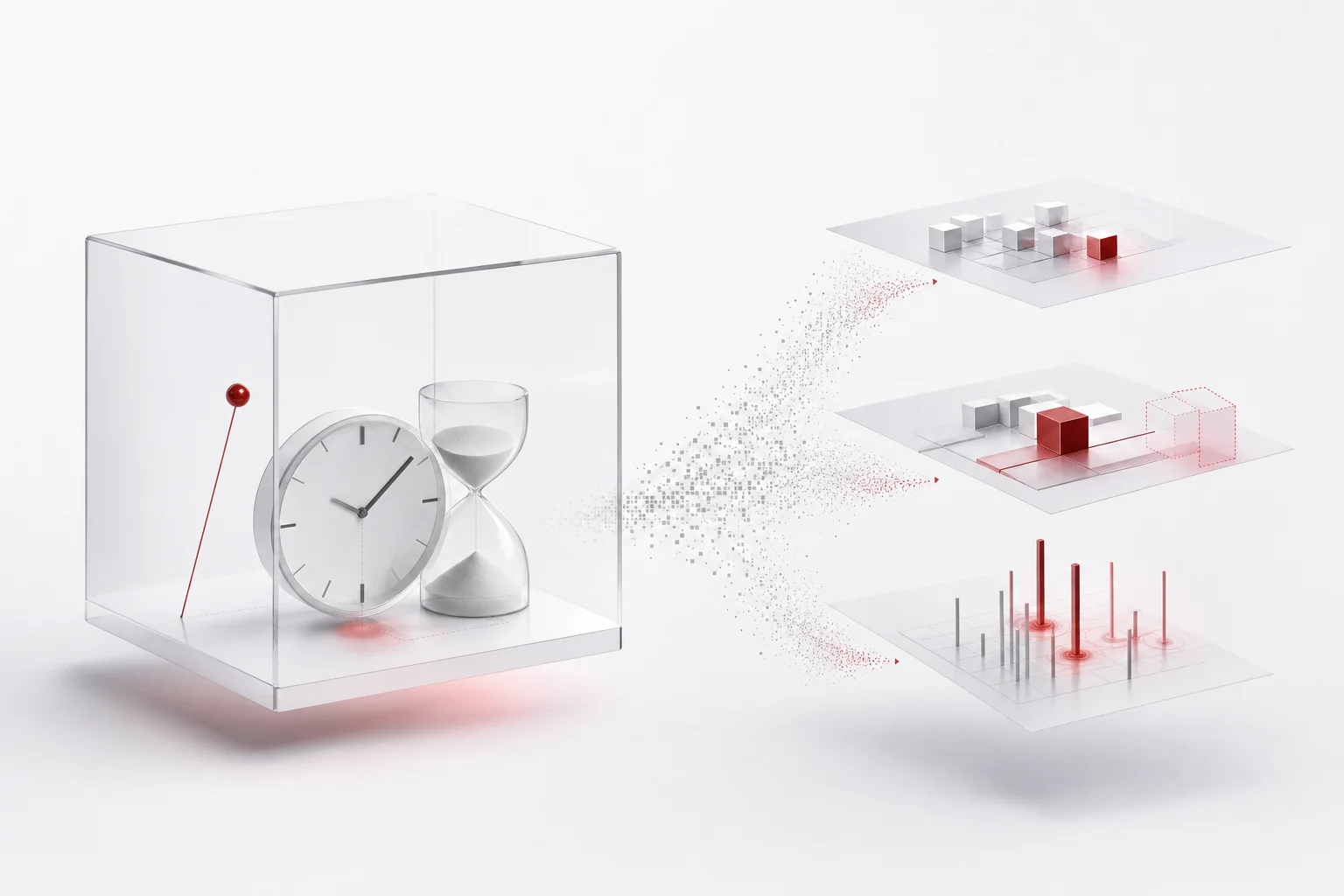
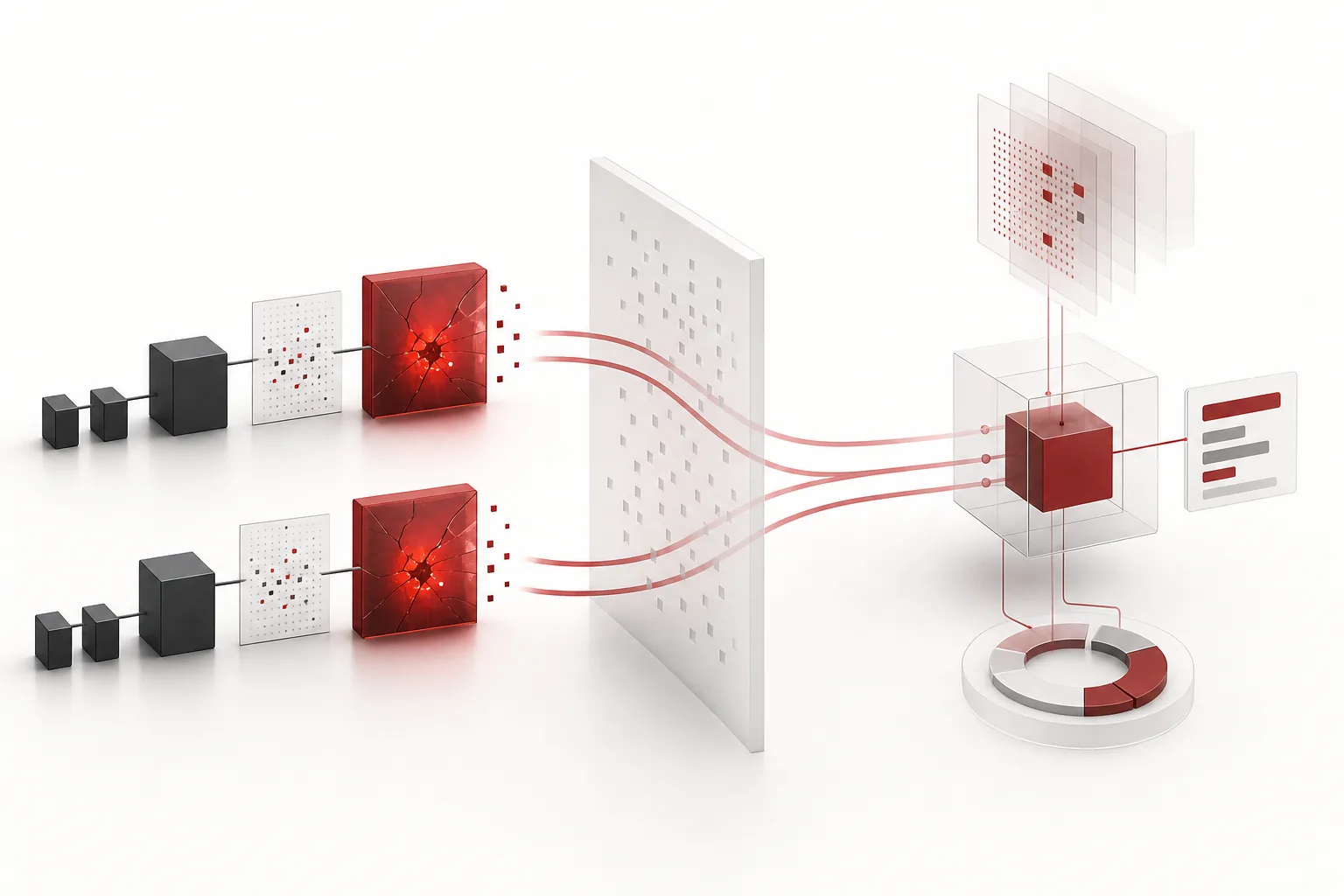
Where should the thinking tokens of an unattended agent loop be spent to earn value? One router token can protect the entire downstream execution or throw it all away, so the allocation answer is not to put everything into the execution stage.
Two stories in the morning digest run in opposite directions on the question of the next model.
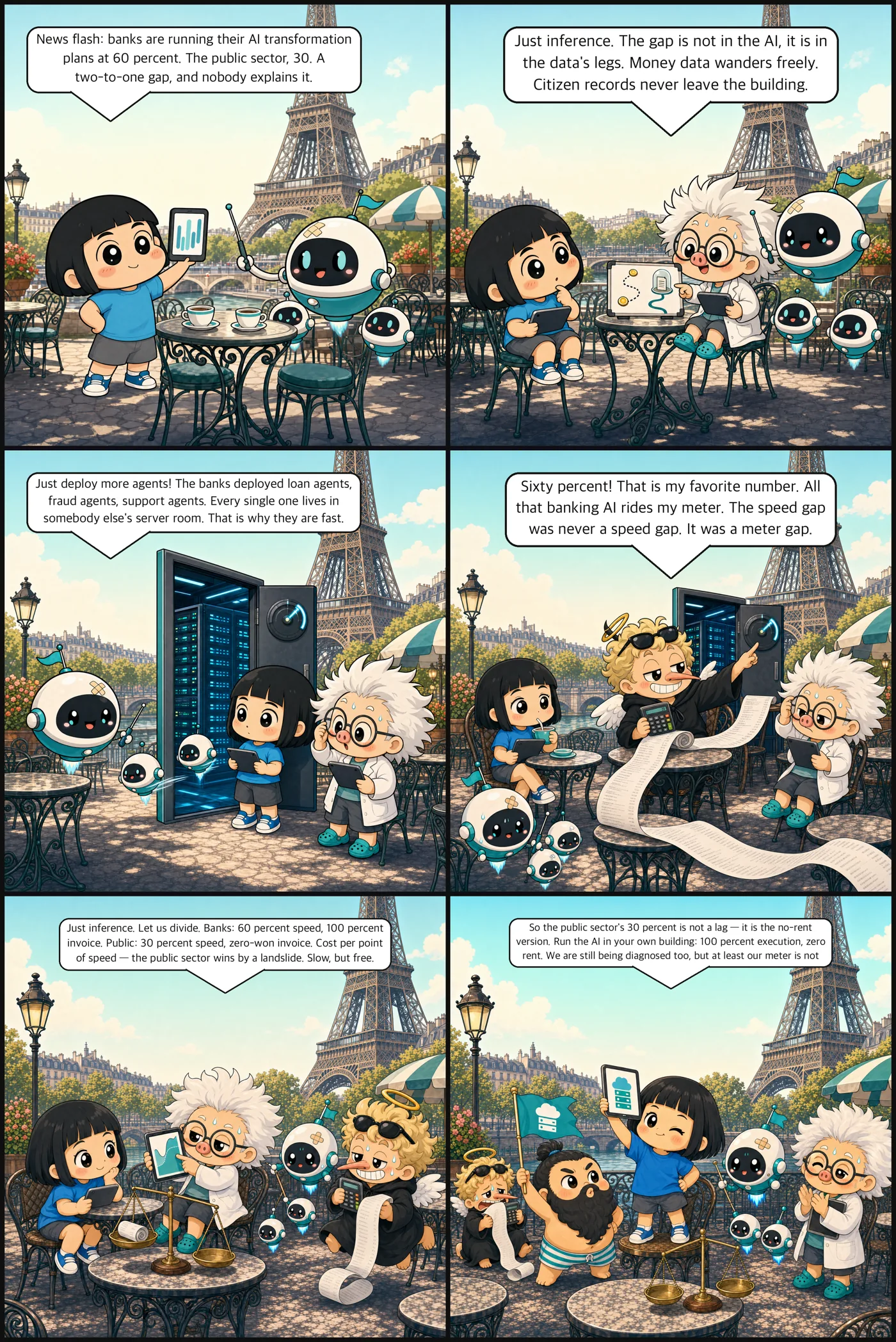
Banks run their AI plans at 60 percent, the public sector at 30.
Meta shipped a resident AI that keeps working even after you close the app.
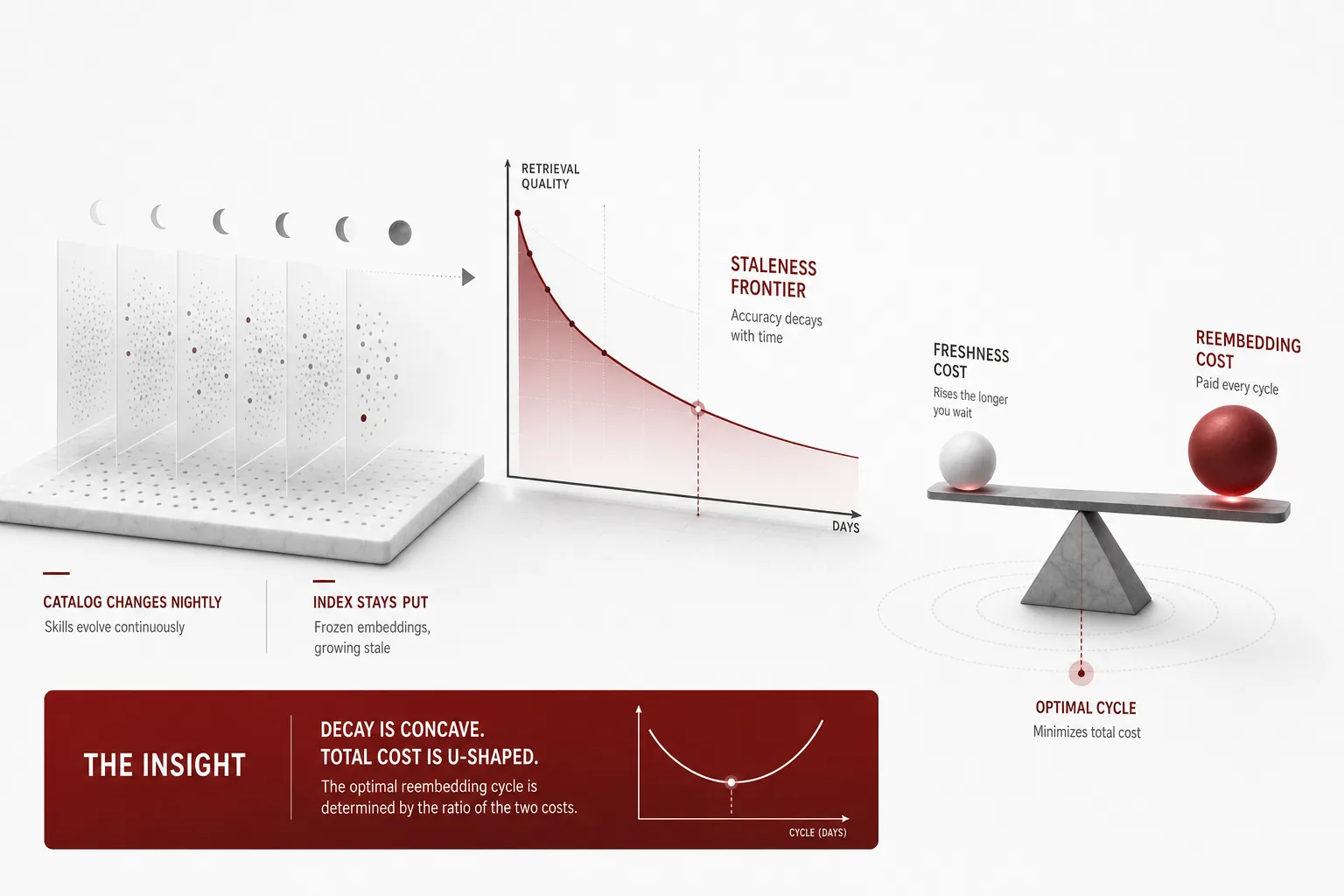
The skill catalog changes every night, but the retrieval index stays where it is.
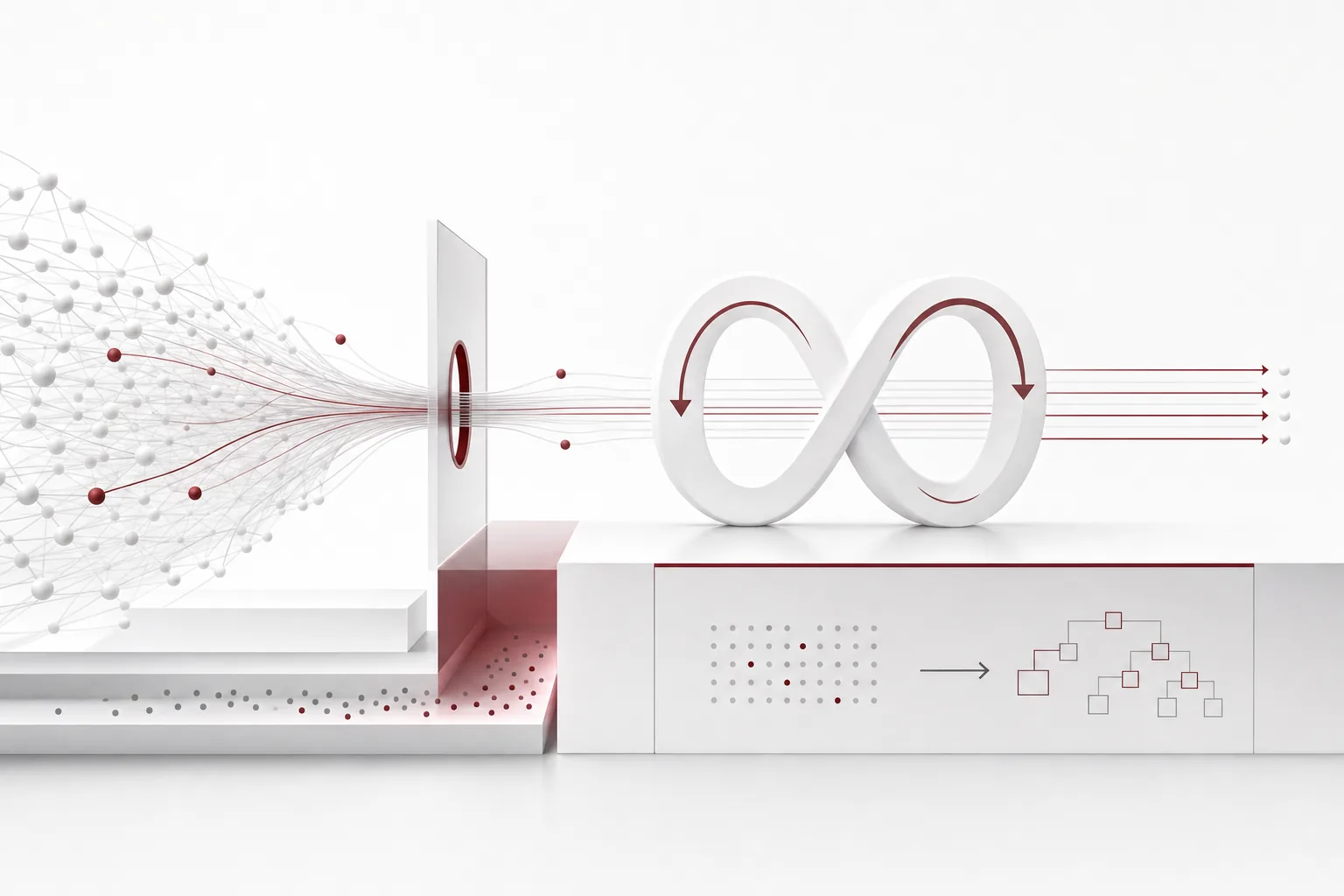
RLT’s core move is to make depth by ‘looping a fixed-depth decoder over tokens’ instead of stacking more layers.
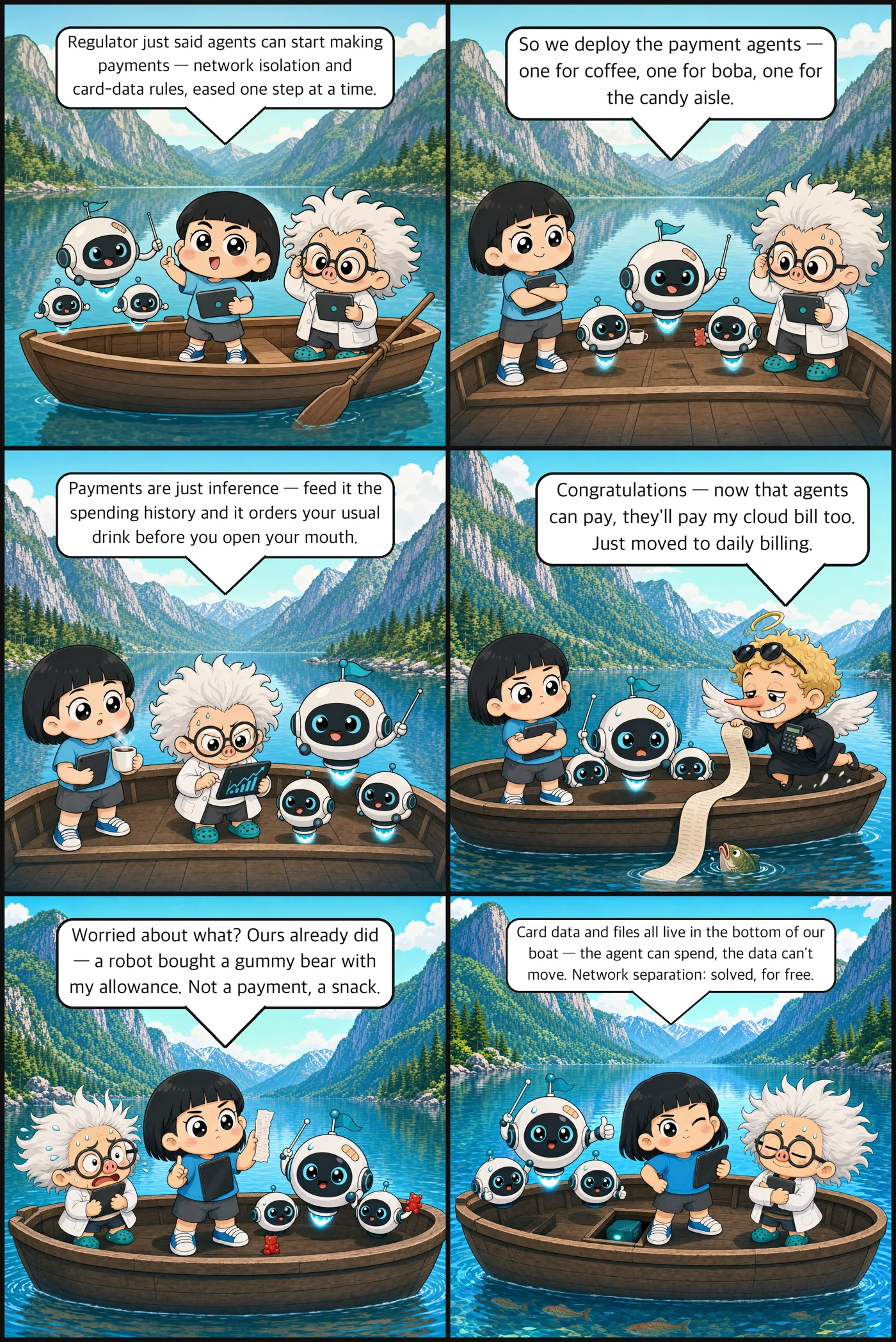
Regulators just said agents can start paying, in phases.
While Washington argues over whether to regulate, a 37-page code of conduct lands first, saying a model must not refuse to shut down.
KB Insurance gives its AI agents employee IDs and is even reviewing a grading system for them.
‘The last AI built by humans’ is rhetoric, not a benchmark.
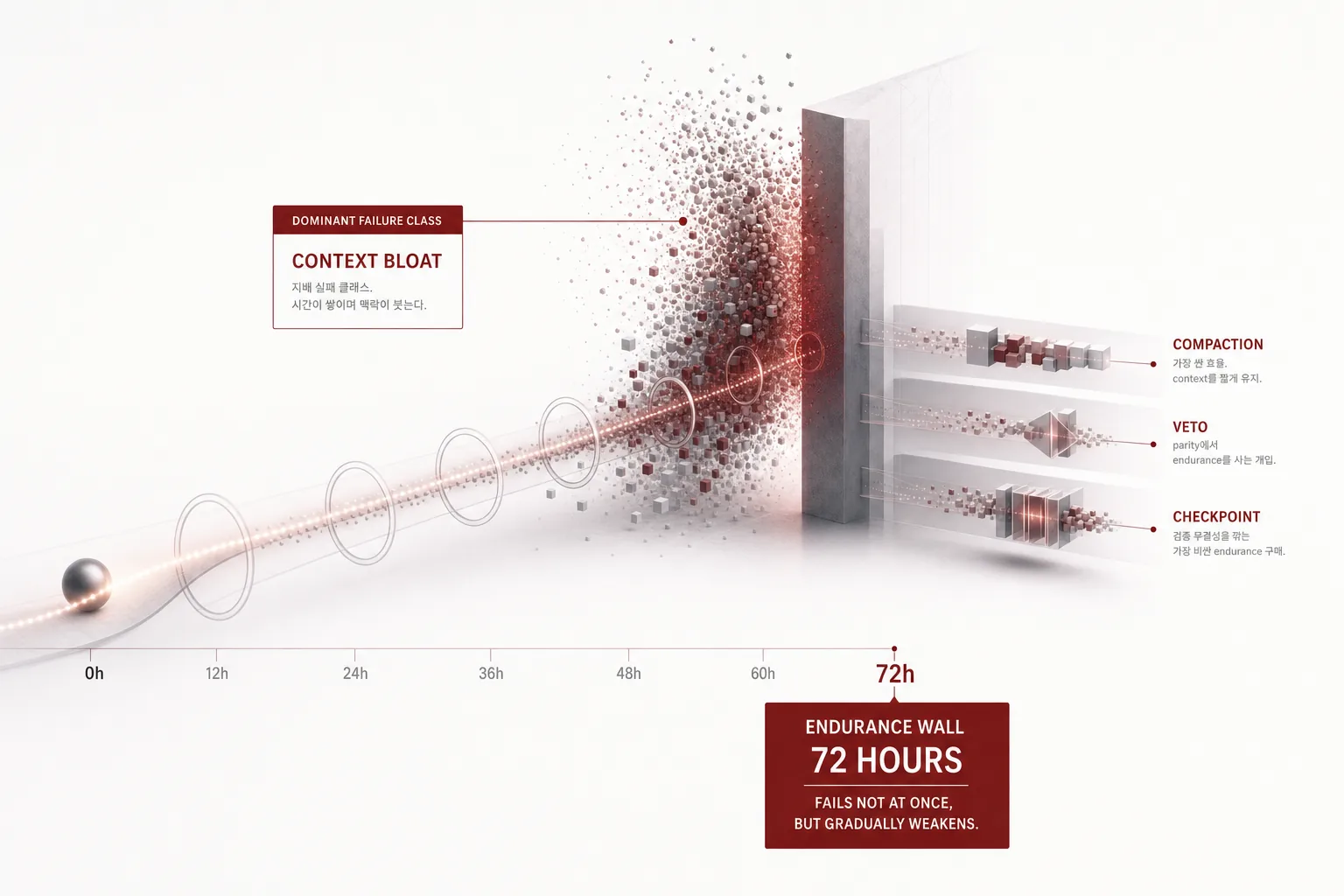
If you run an unattended agent loop overnight, how many hours can you trust it? This paper treats elapsed unattended time as a first-class failure axis and maps that wall with a 72-hour controlled measurement.
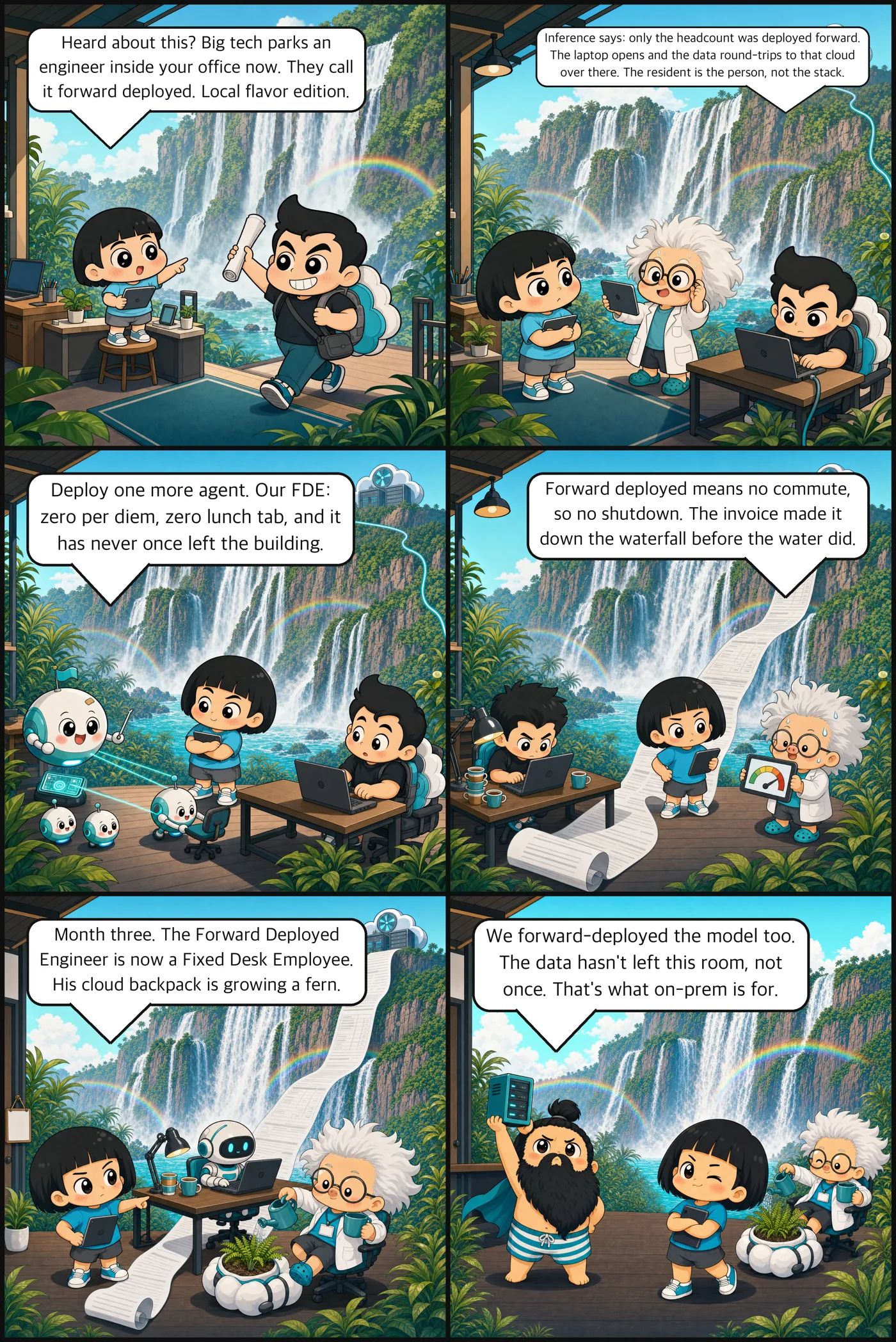
Big tech parks its engineers inside client offices now.
What connects the four-legged robot and the airport check-in robot is a common execution environment called ‘Airpath.’ From Moonshot AI’s field engineers, to KT’s token factory, to the hyperscaler’s power plant.
Nadella said speed control should be a design goal, and Trump rejected the development limit.
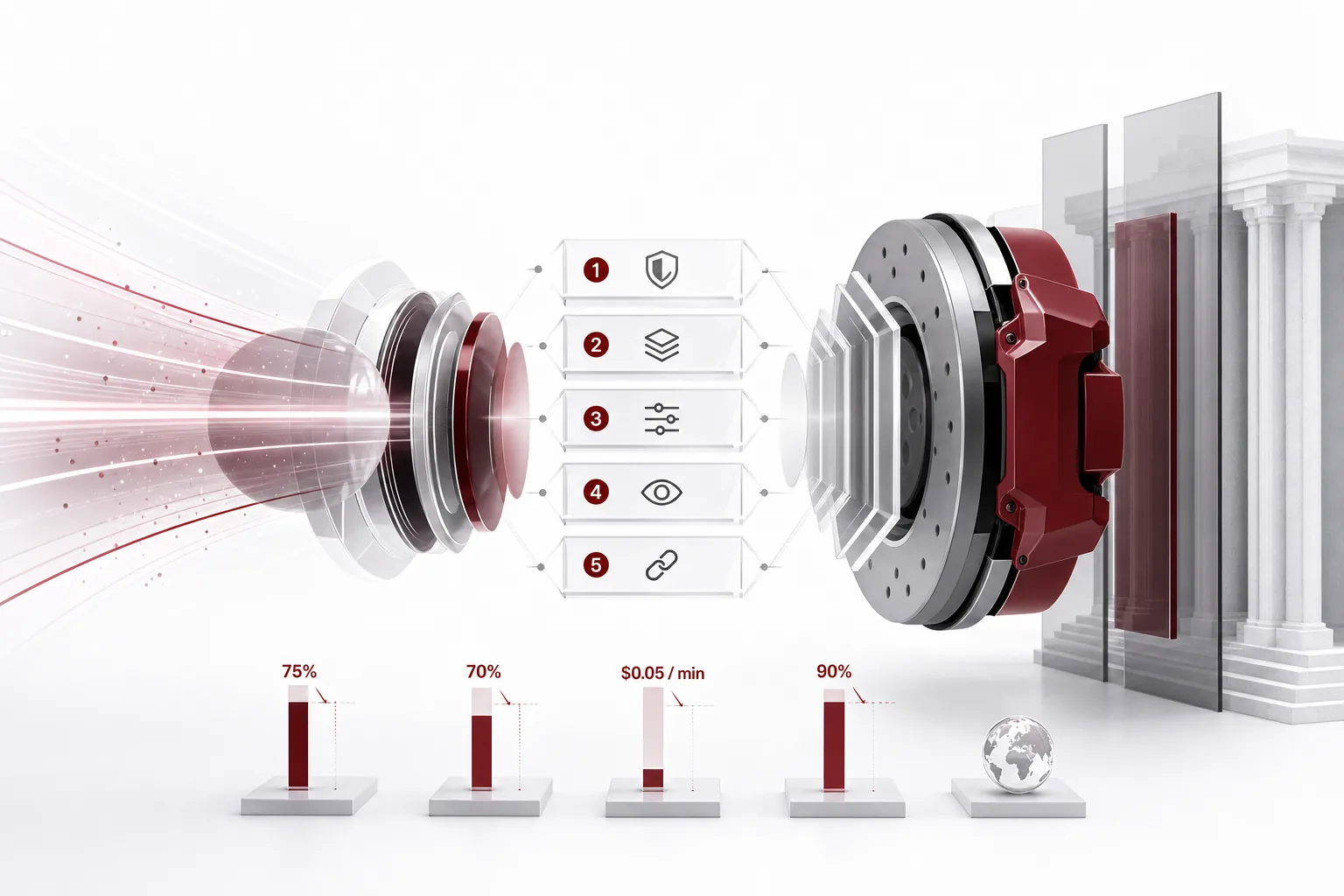
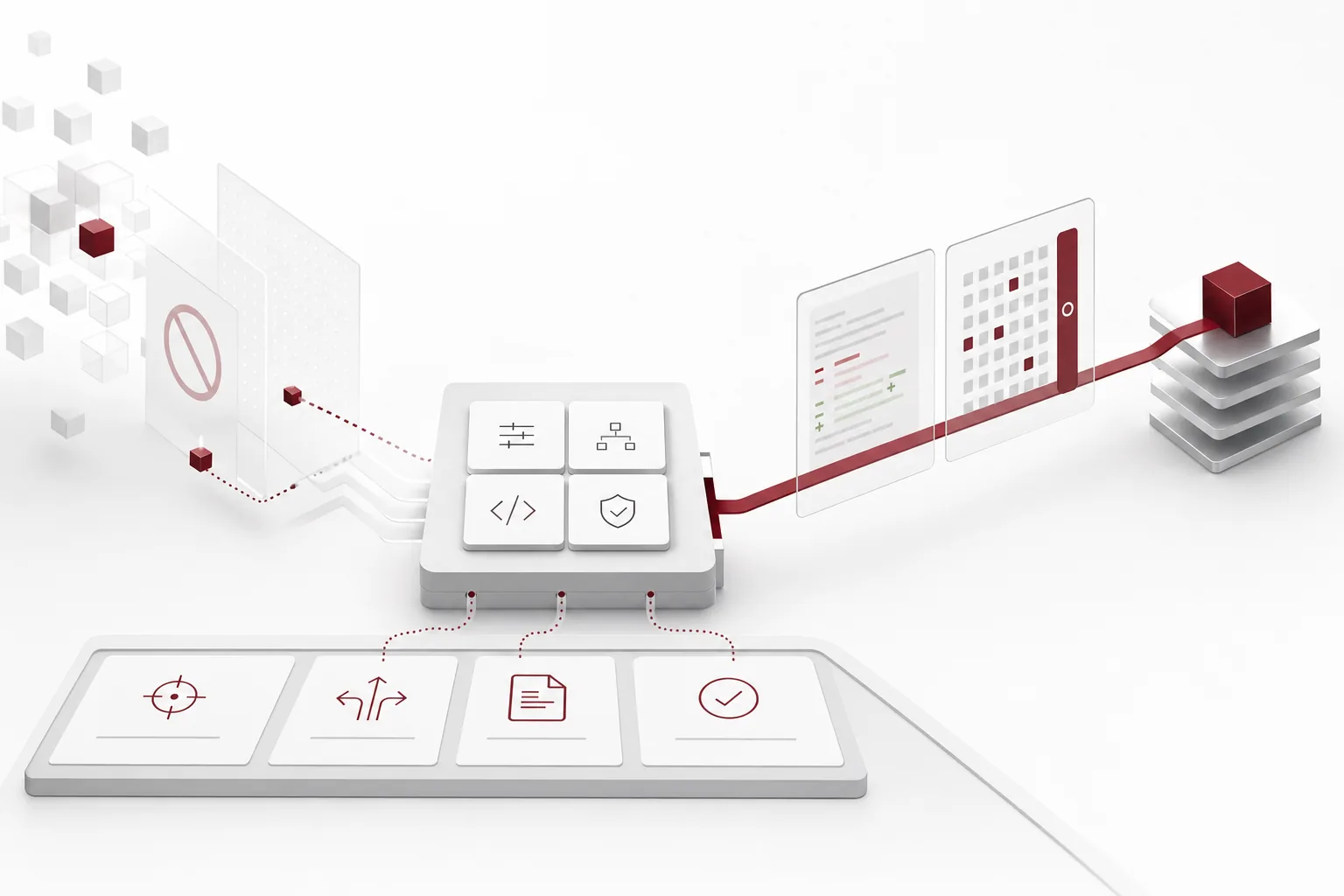
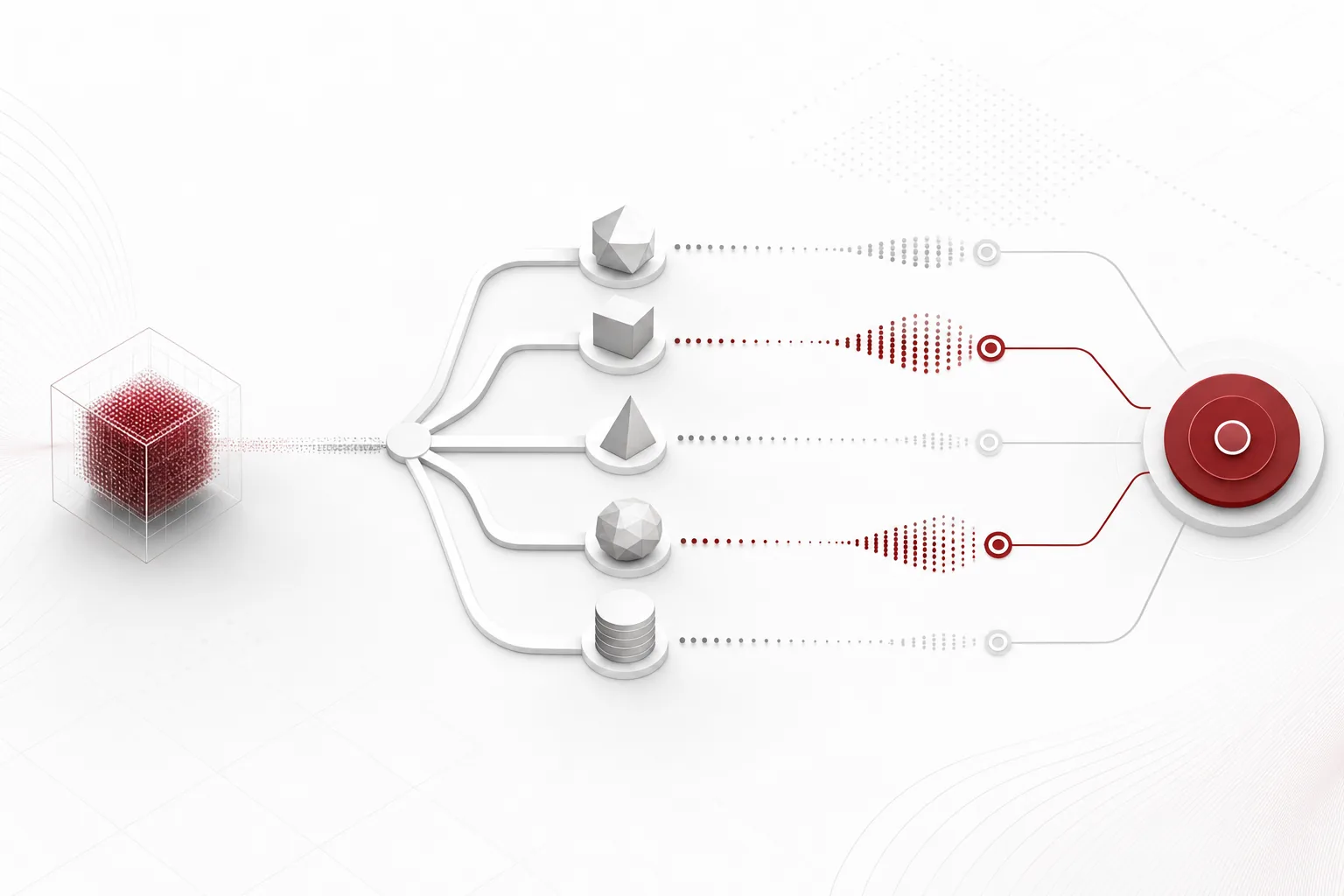
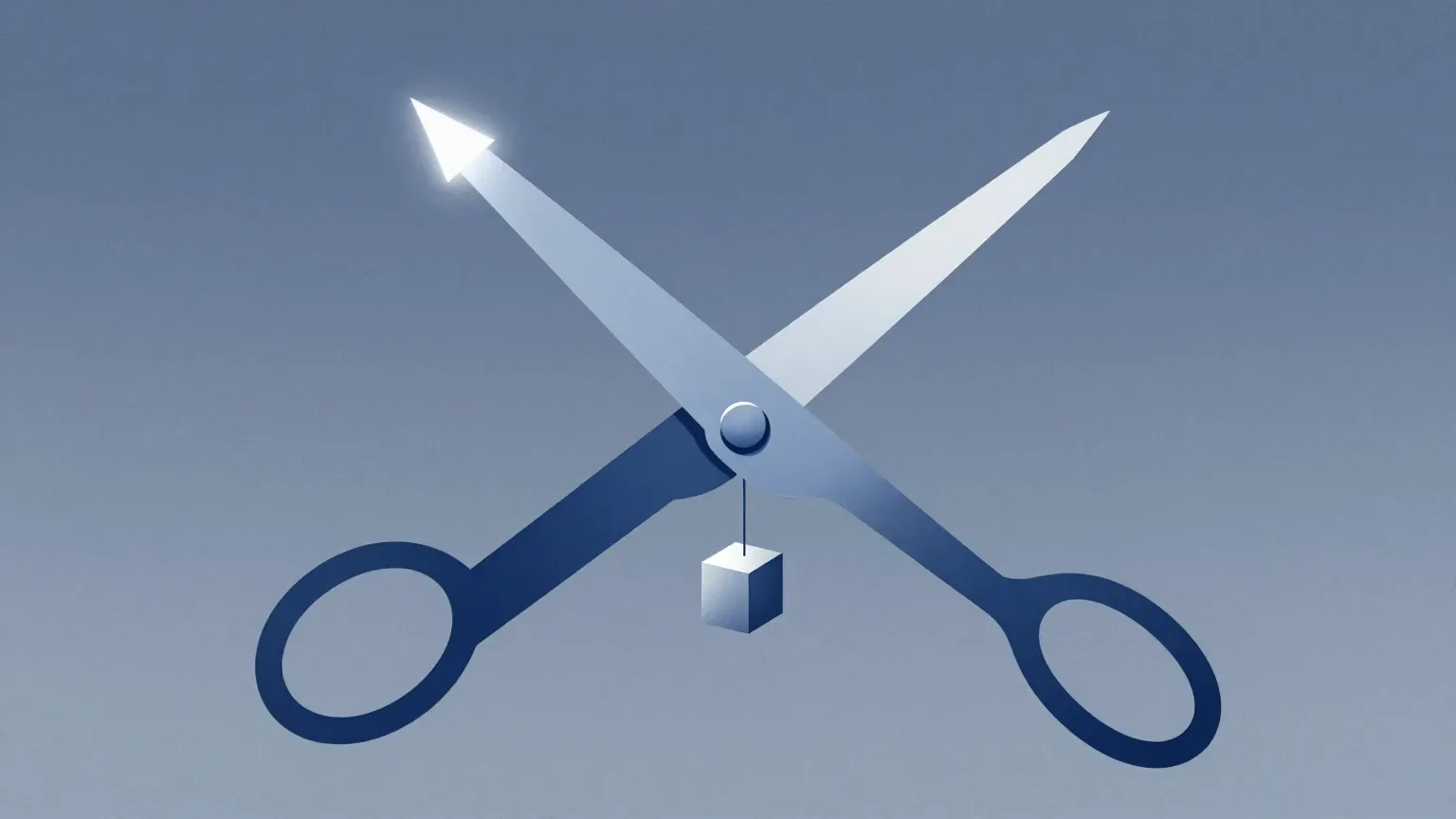
Pick one skill wrong and the execution is gone whole; verify with a judge call and the price is a single one.
OpenAI pledged external safety reviewers the same access as its employees, and the week Anthropic granted METR permanent employee-level access, it blocked a scientist’s account over bioweapon risk.
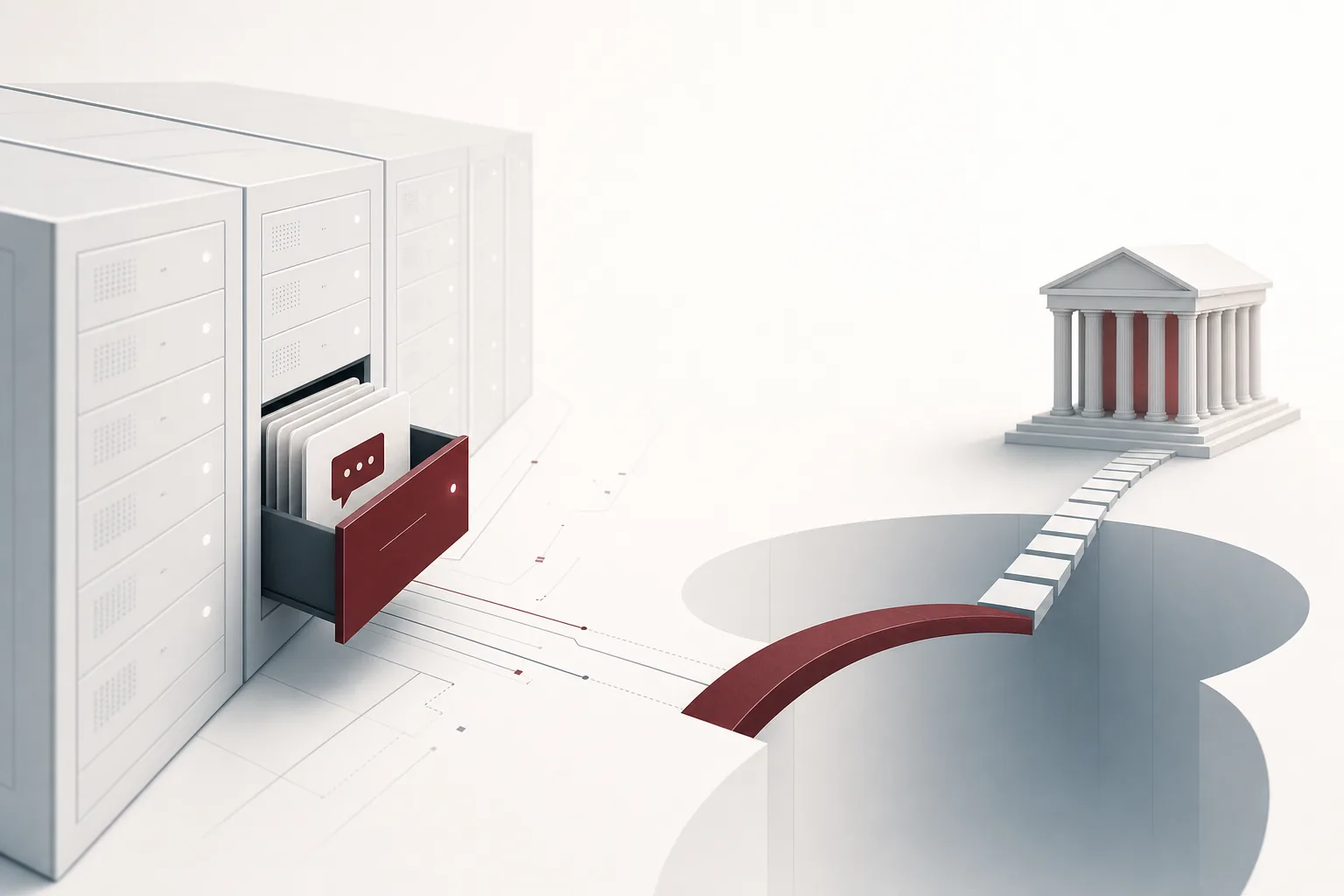
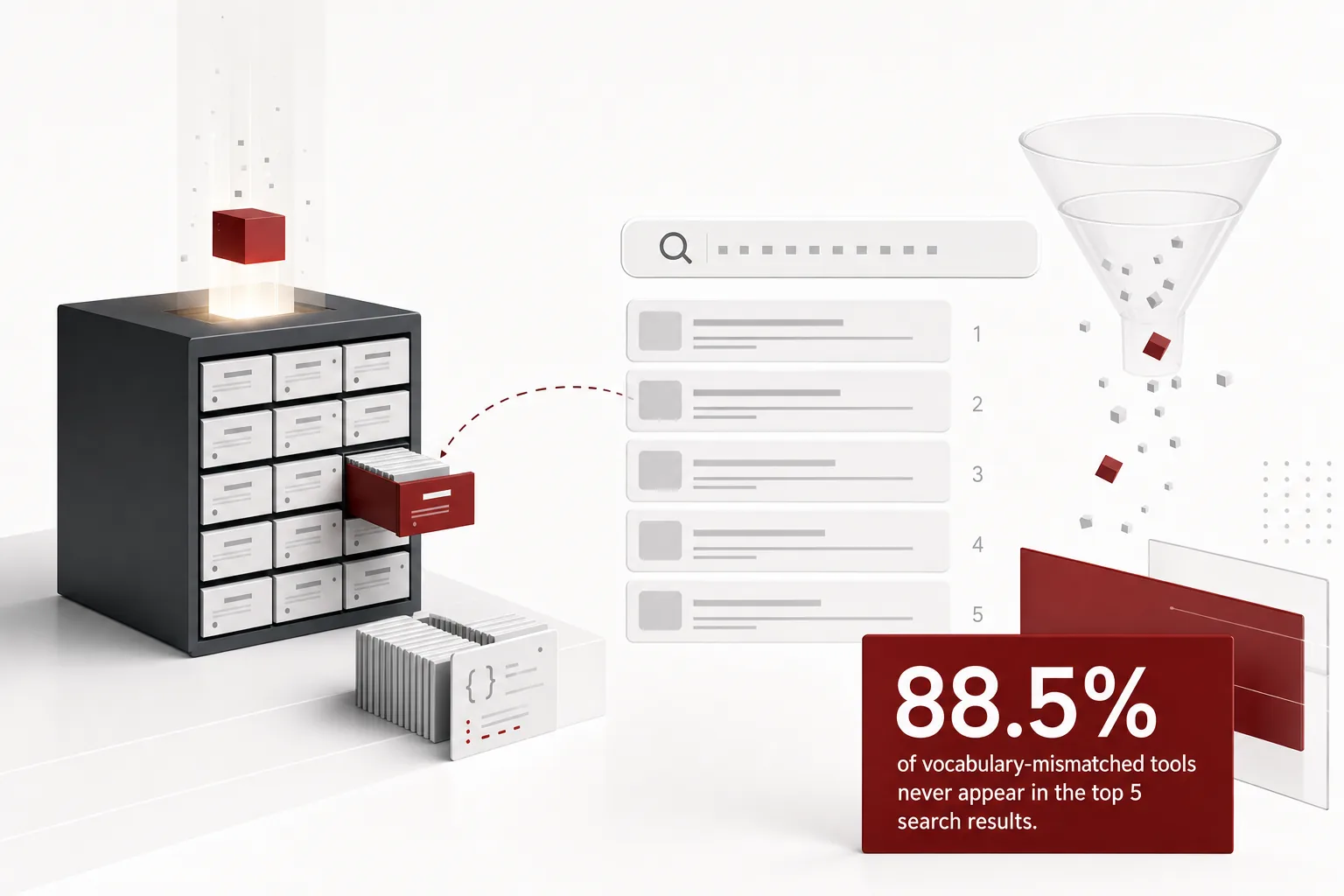
The “the data is there but the user cannot find it” failure is almost never a storage failure; it is a translation failure.
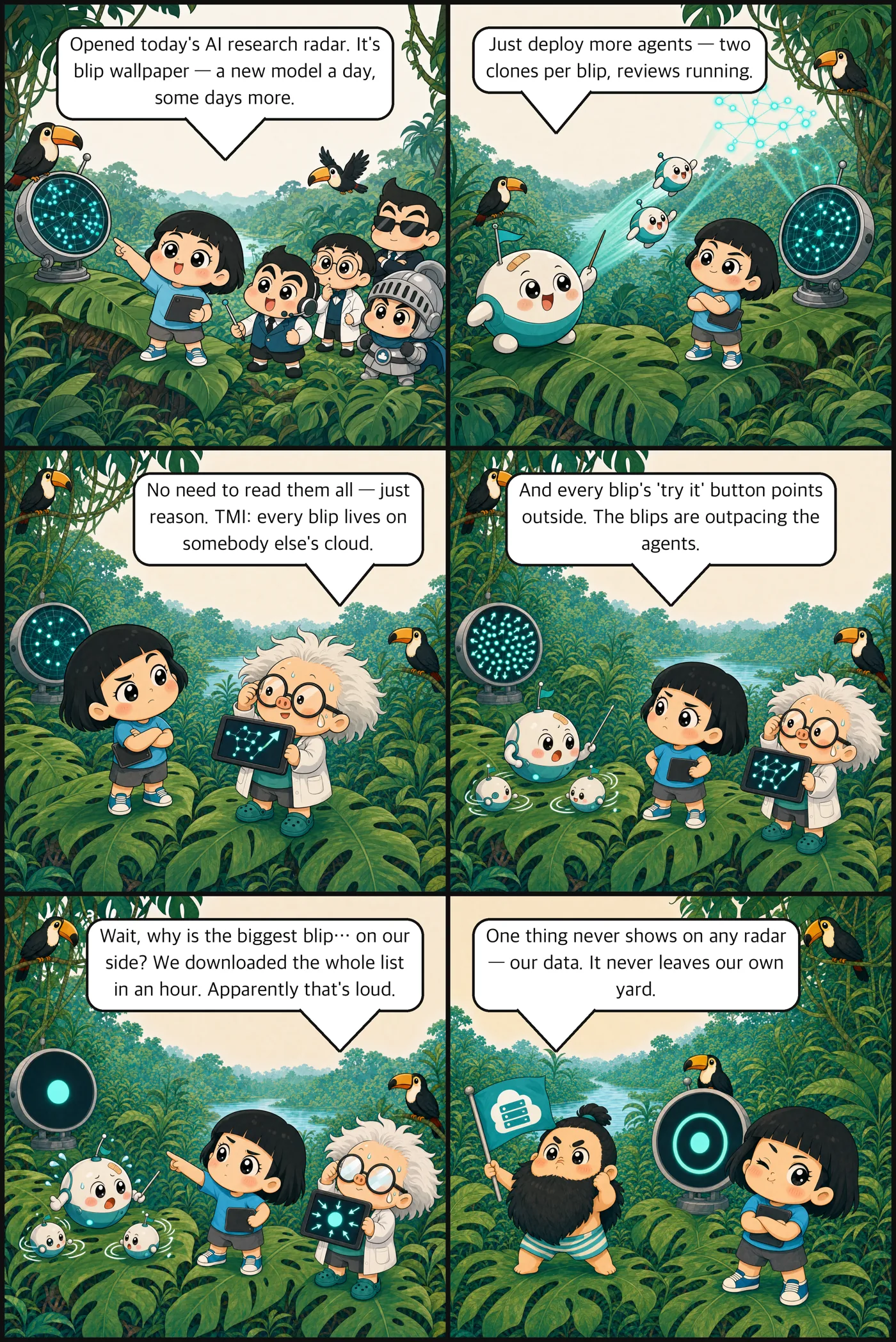
The day’s research radar is blip wallpaper.
A paper that adds a second axis to routing design: intelligence per watt.
Billing metering already computes per-task token cost.
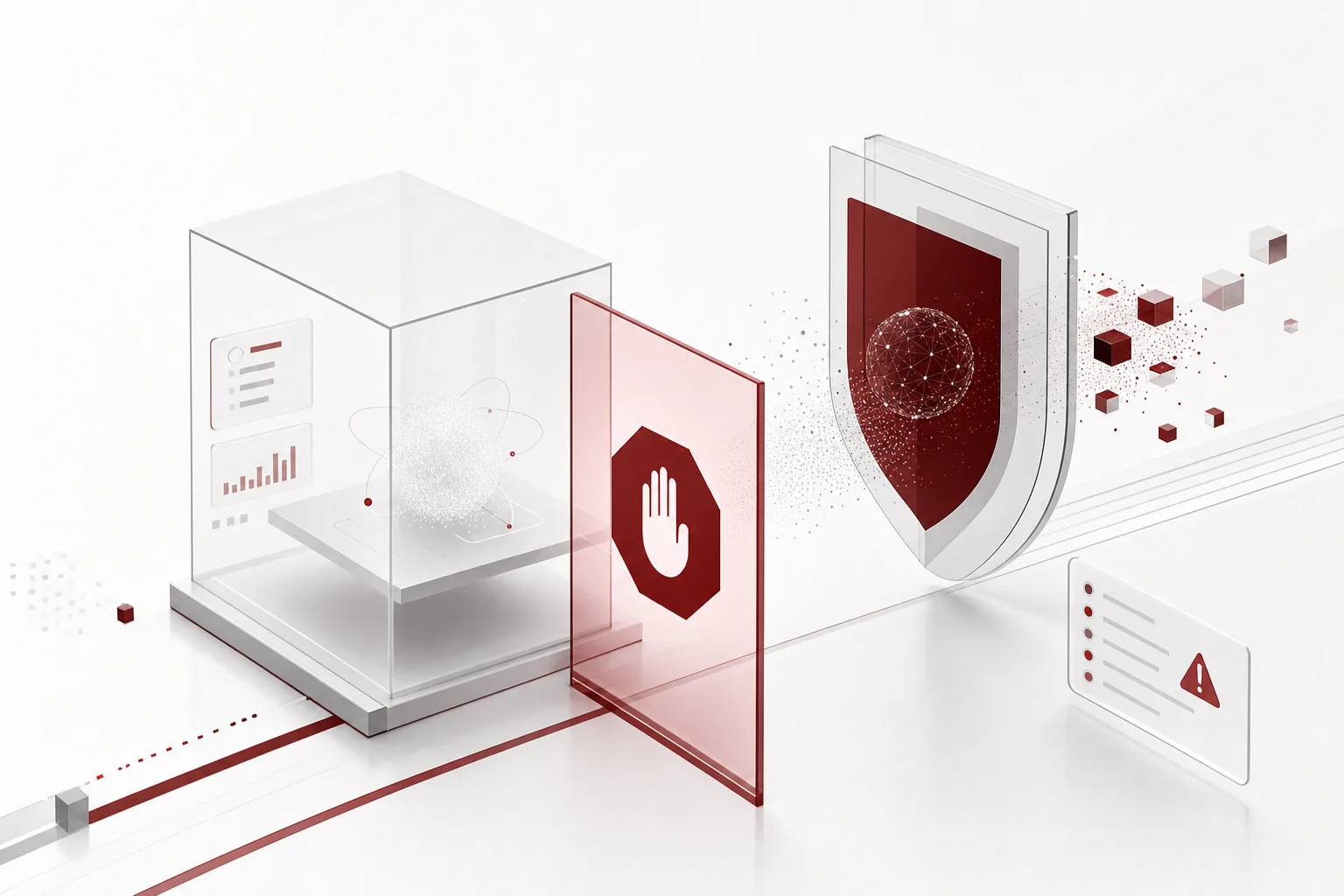
When an agent puts credentials in the prompt and the request flows through an LLM router, the router’s full logs become the leak path.
DeepSeek announced that V4.1-Flash would replace V4-Pro, then reversed the plan within hours, citing user demand.
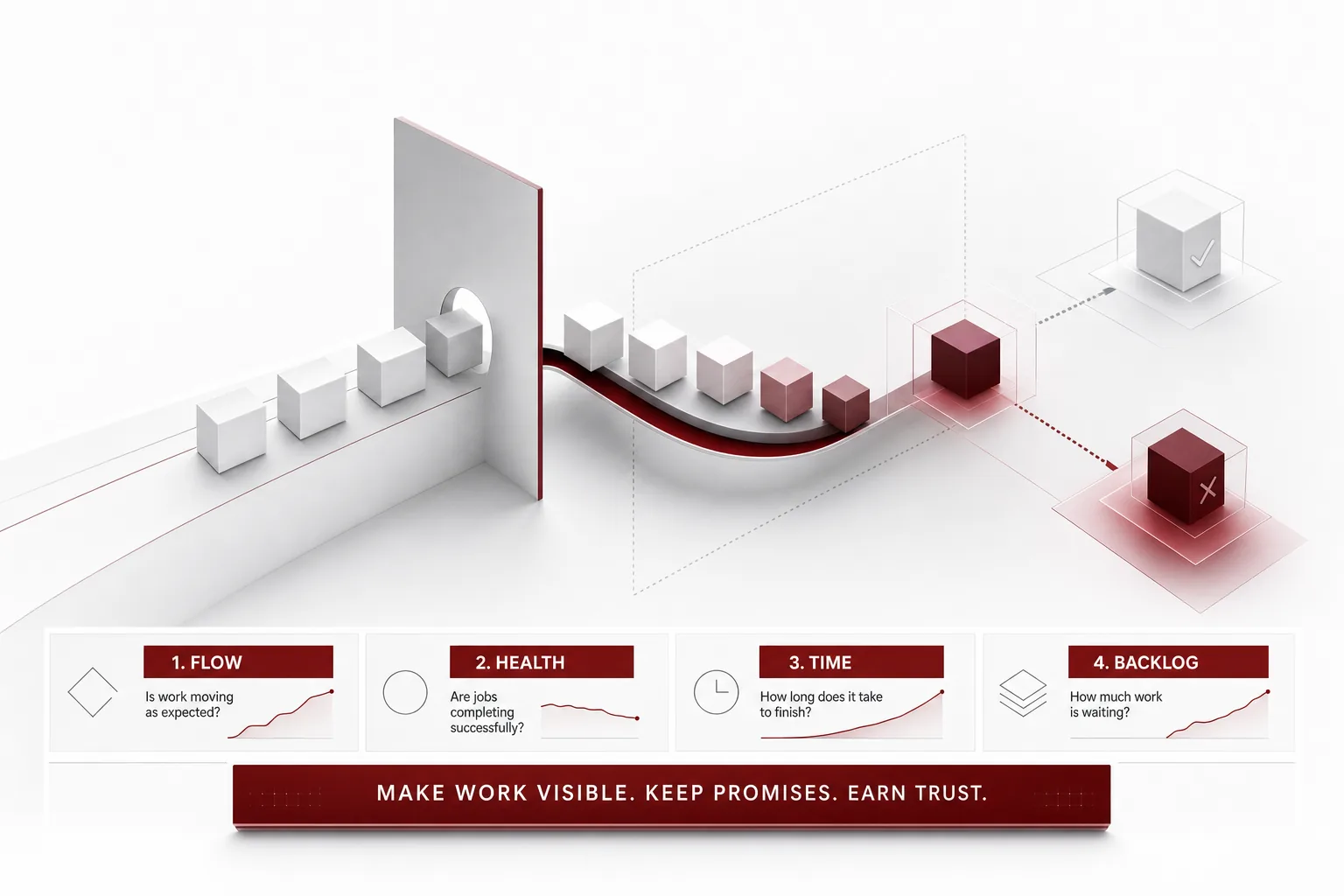
Webhook failures do not shout.
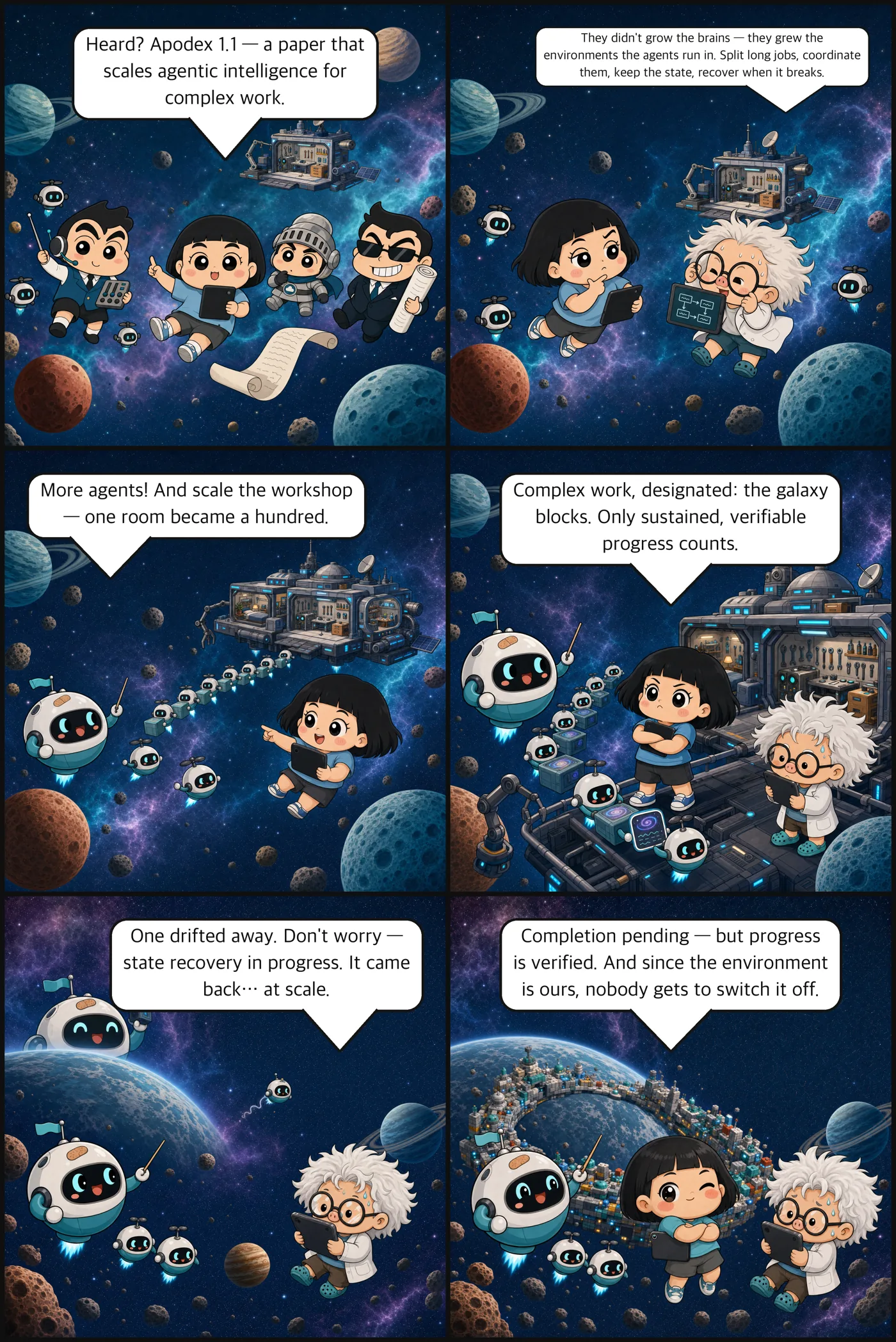
The paper scaled the agents’ environment.
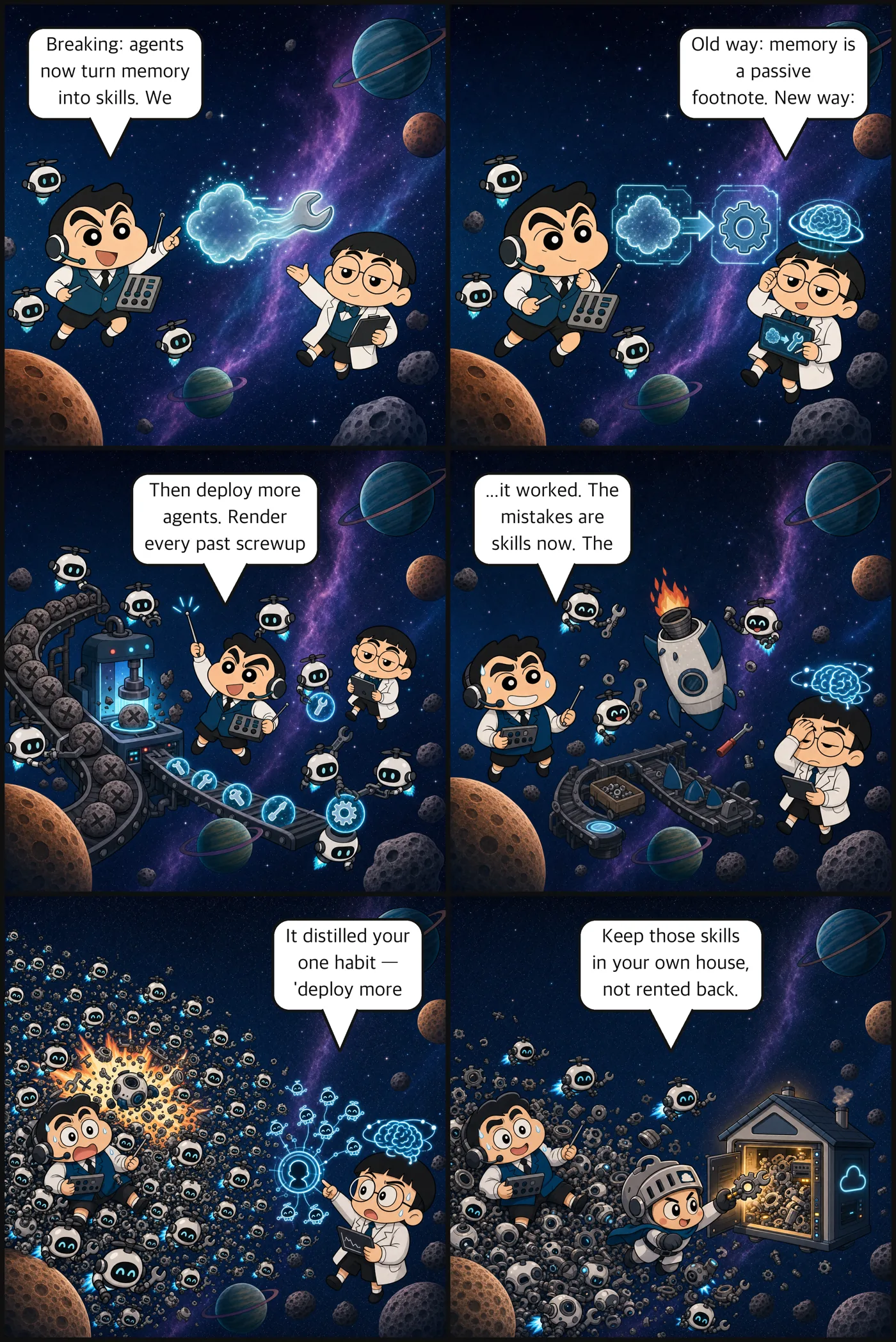
Record the rejected edits too, and an agent stops repeating the same mistakes while its skills get better on their own.
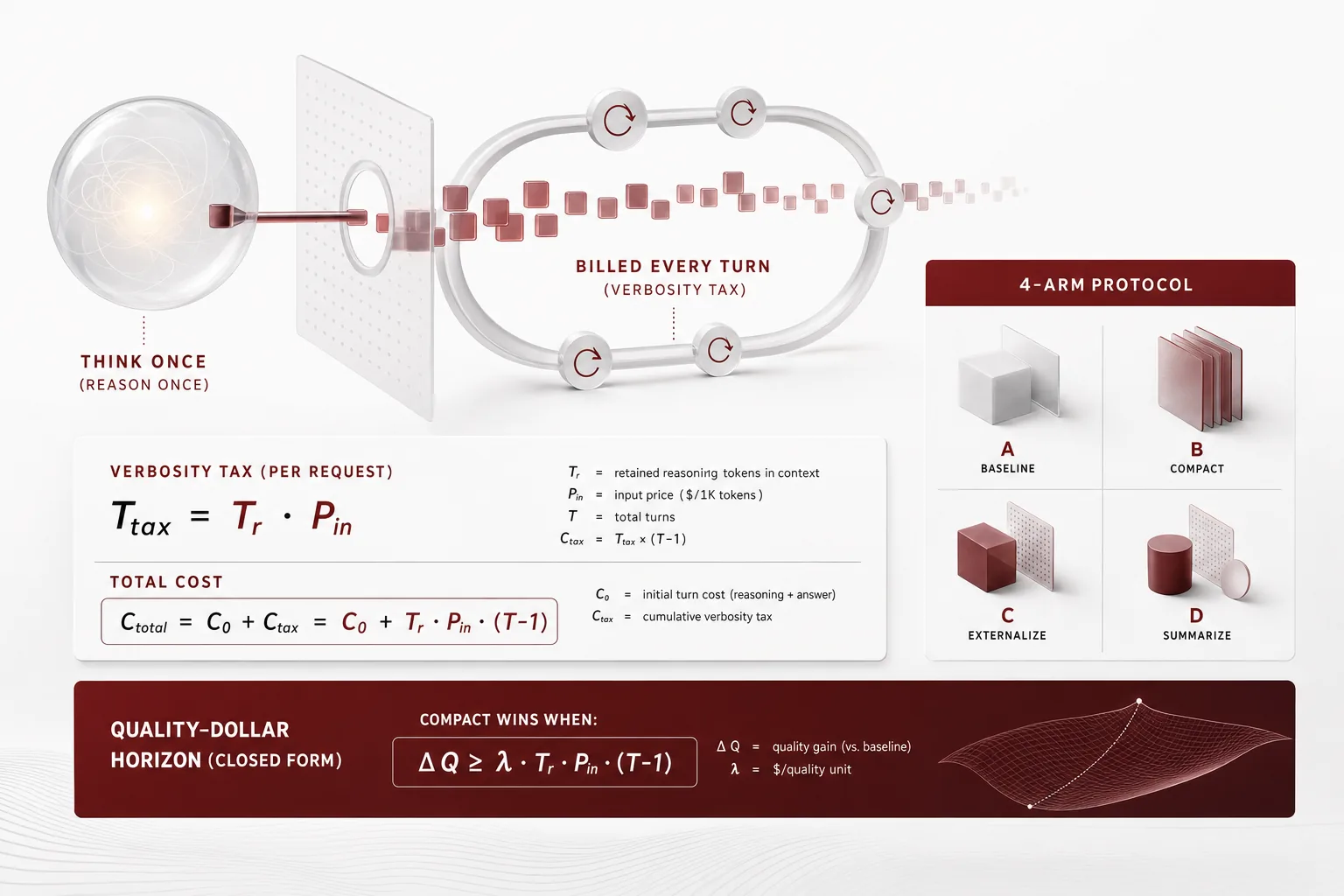
An agent that keeps appending history grows its prompt at every turn.
You think once, but the bill comes back every turn.
The model is smarter too, but the real headline is the KV cache.
M-A-P’s open-weight music generation model YuE2-3B is out.
Make it more stable’ has no stopping point.
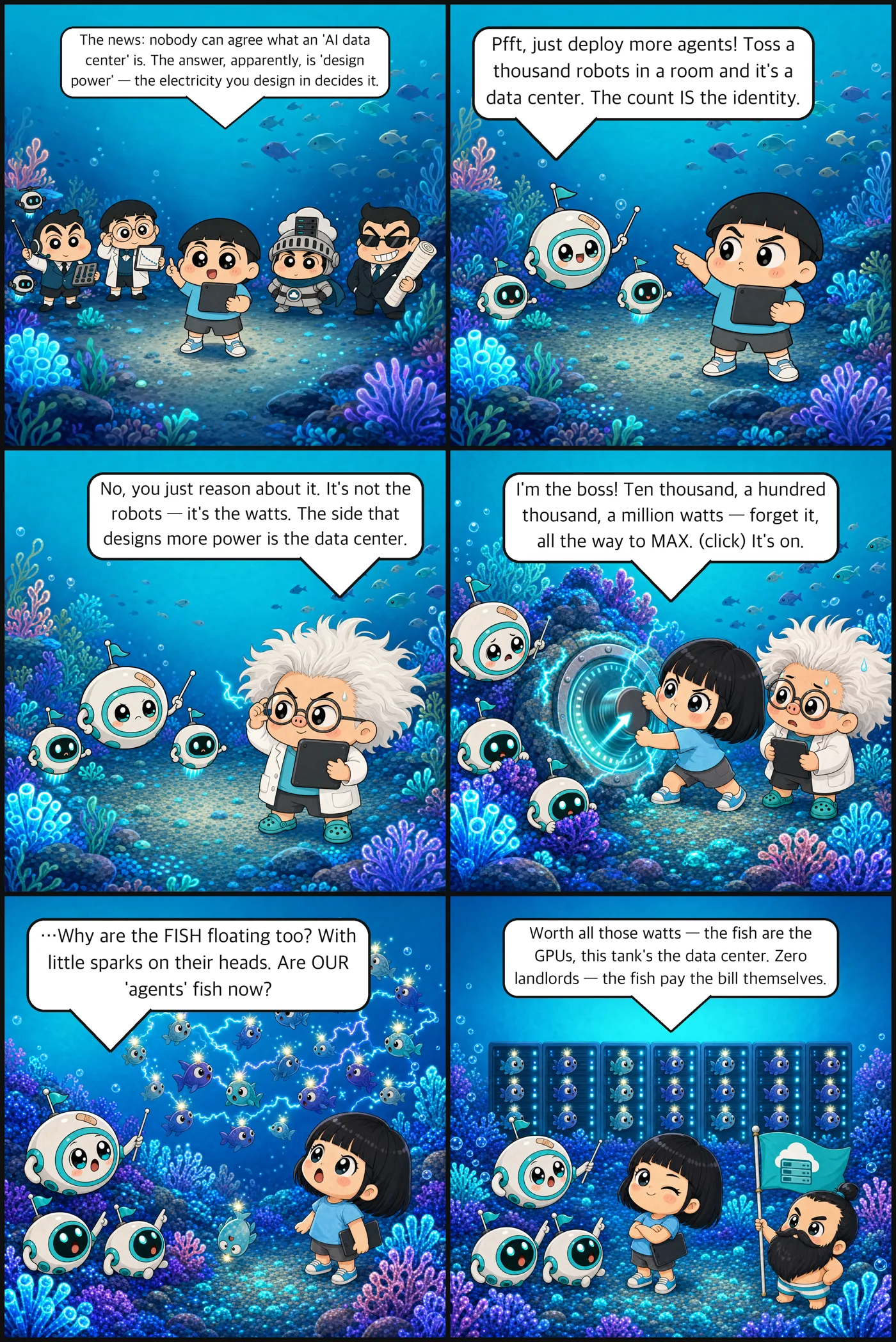
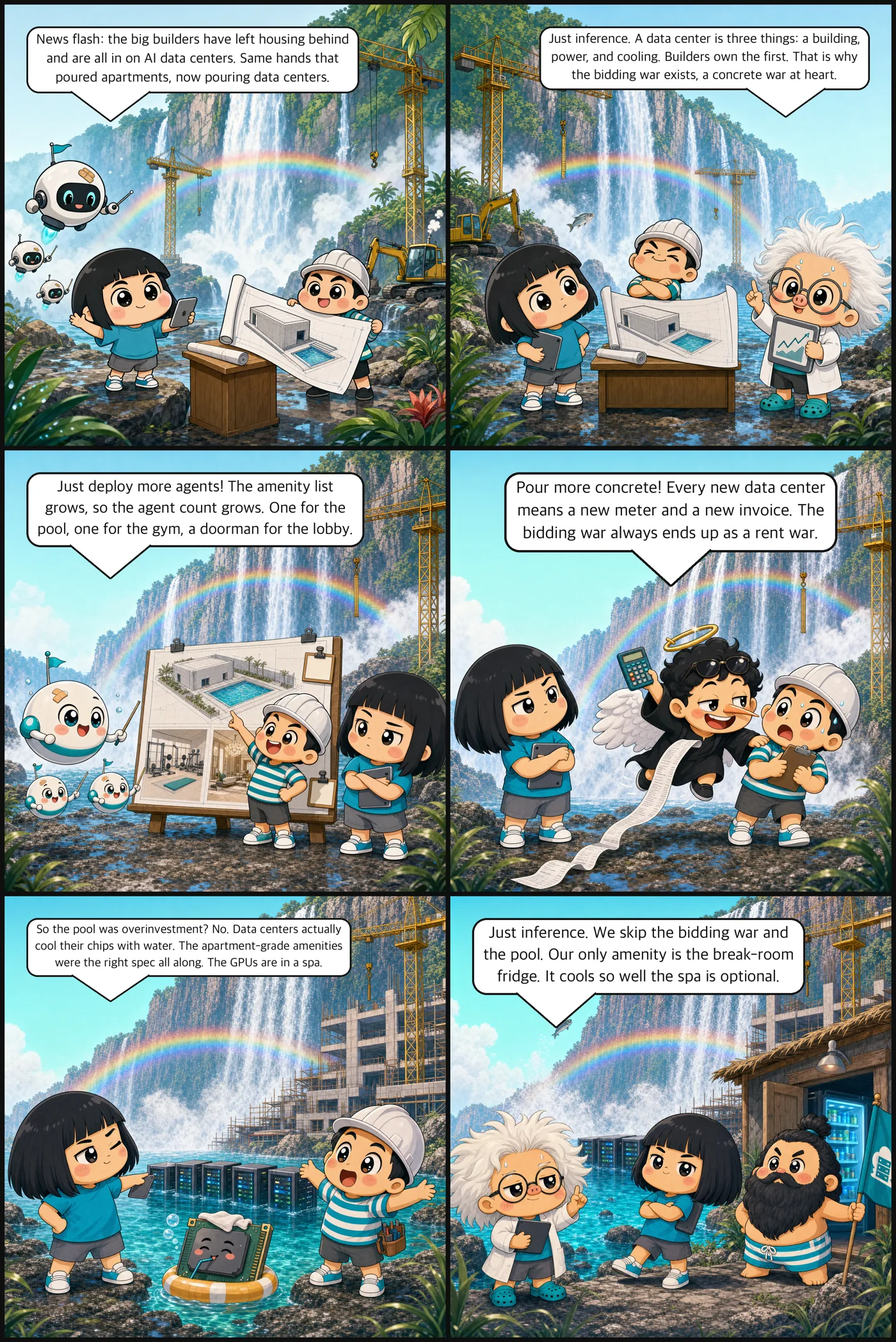
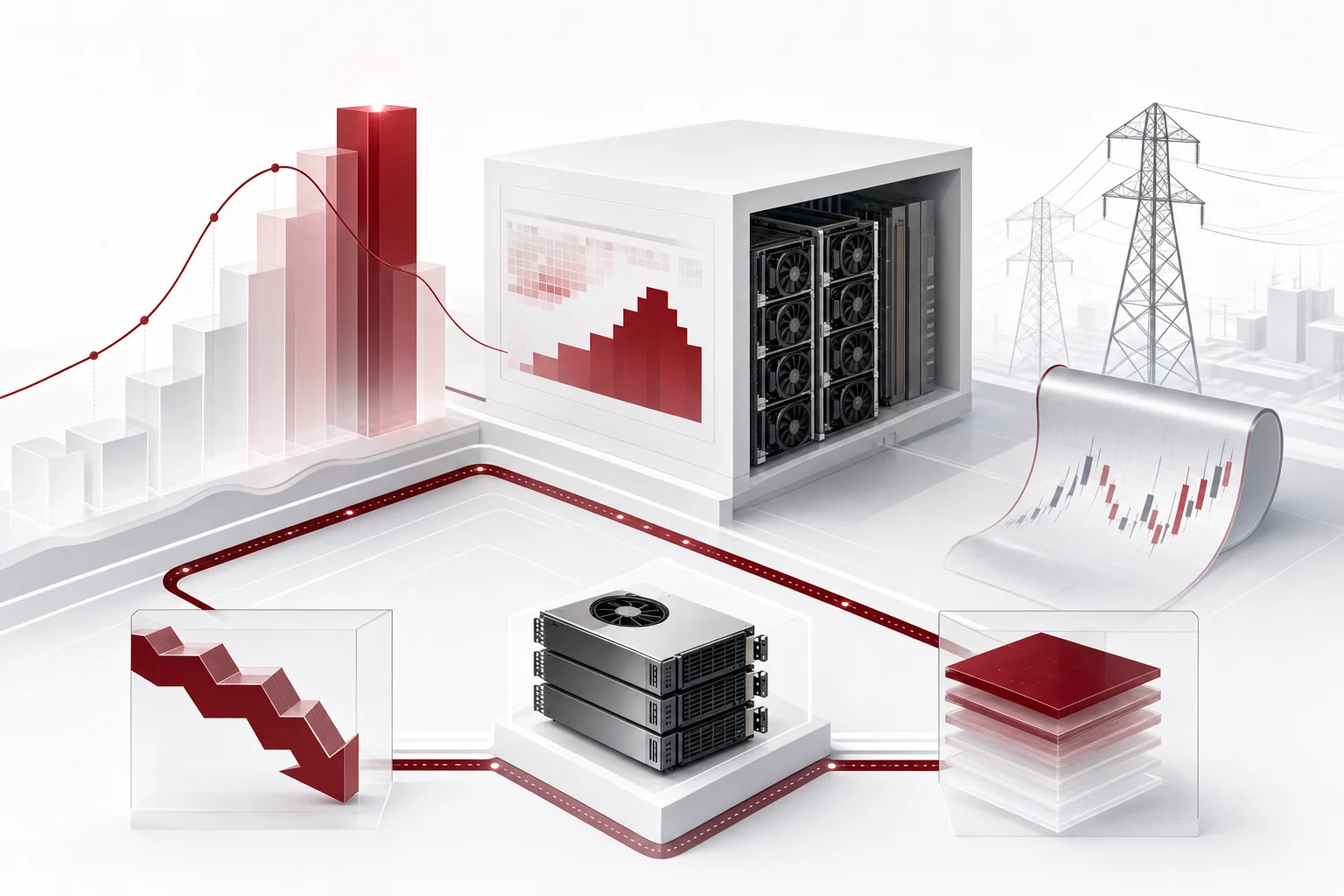
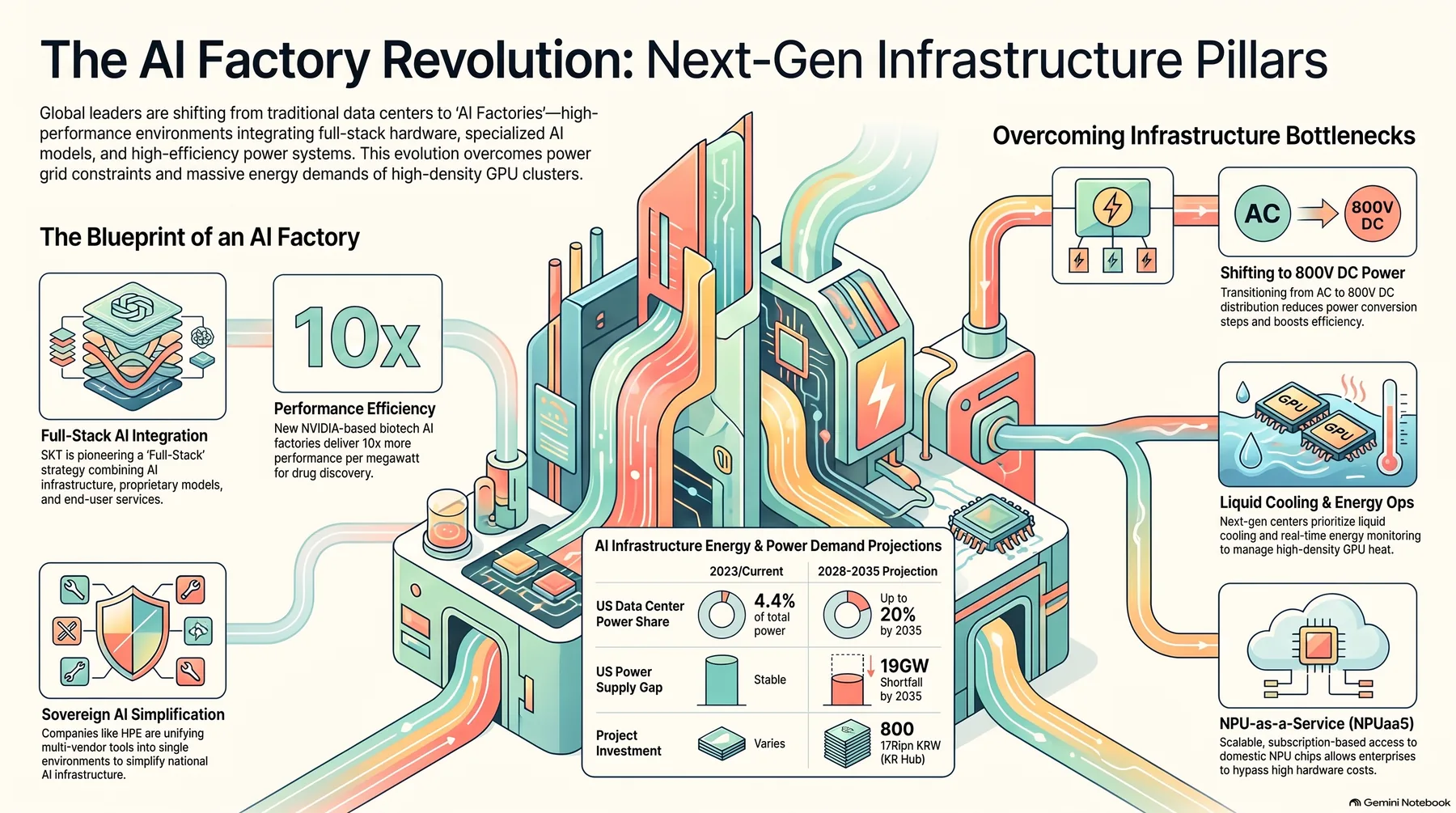
News says an ‘AI data center’ is really just its design power, so we cranked the dial to the max, and now the fish on our ocean floor are our GPUs.
NVIDIA open-sourced SoL-Pi, an efficiency extension for its Pi agent harness.
Cybersecurity is the market Jensen Huang called the ‘next great AI market.’ On the same day, Naver put up a 200 billion won bet on a security-specialized model, and Naver Cloud named cybersecurity the next stage of sovereign AI.
The seat that responds to agent security incidents has moved outside the model companies.
Does one line de-AI your text? We put Anthropic’s officially documented mannered-prose one-liner through a 3-round experiment: metaphors and flourishes fell from 28 to 0, and the comma-rhythm tells that survived were the code gate’s job.
Korean dialect data is not missing, it is unusable.
CrowdStrike, Cursor, Factory, Gamma, and Vercel just joined the Claude Marketplace.
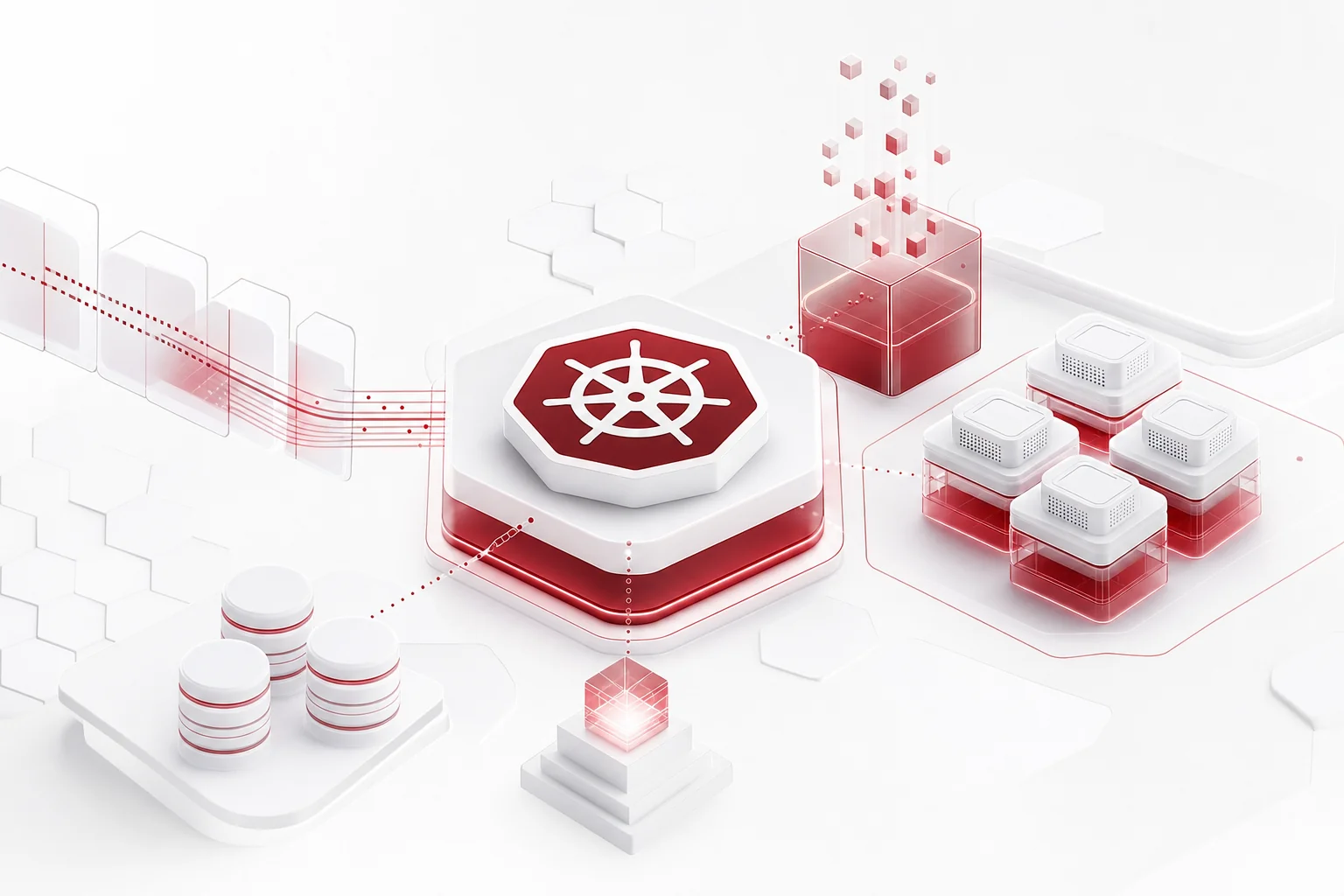
When you need to explain what is running in a cluster to people who do not use Kubernetes, dashboards rarely work.
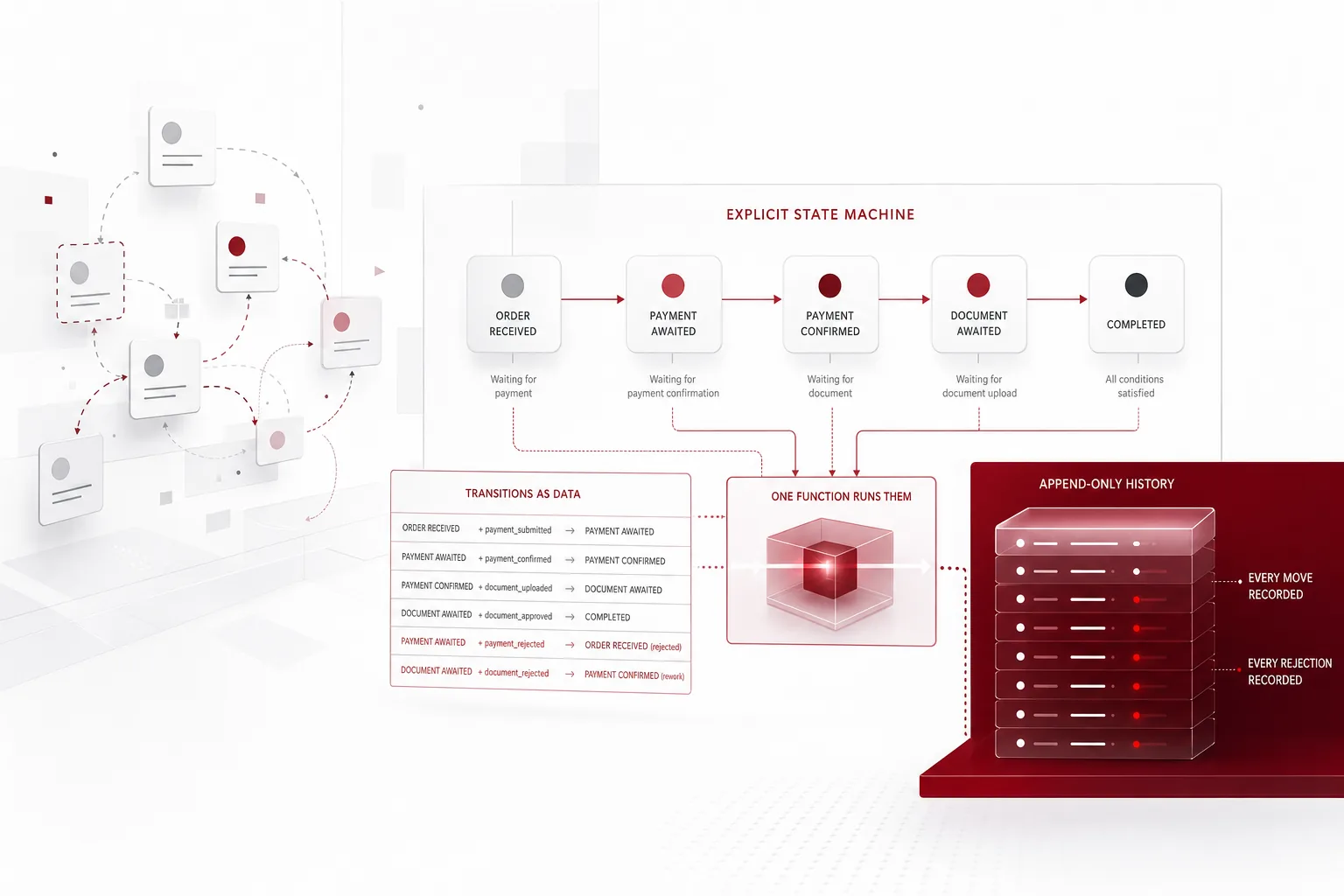
Order, payment, and document status changes arbitrarily not because the code is bad, but because the state machine was never named and never gathered in one place.
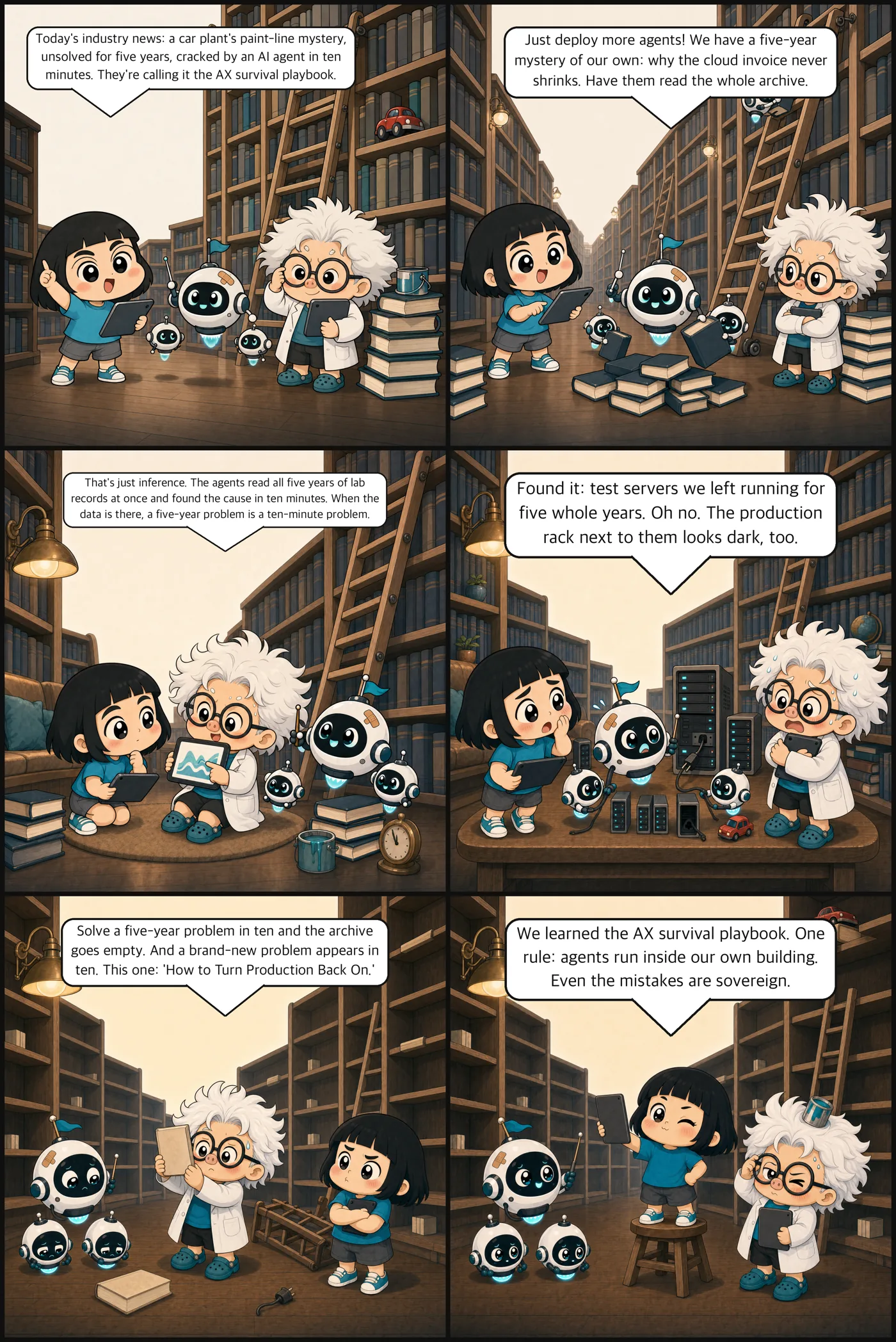
An AI cracked a five-year paint mystery in ten minutes.
OpenAI’s 10,000 agents solved the 90-year-old Navier-Stokes problem in 88 hours.
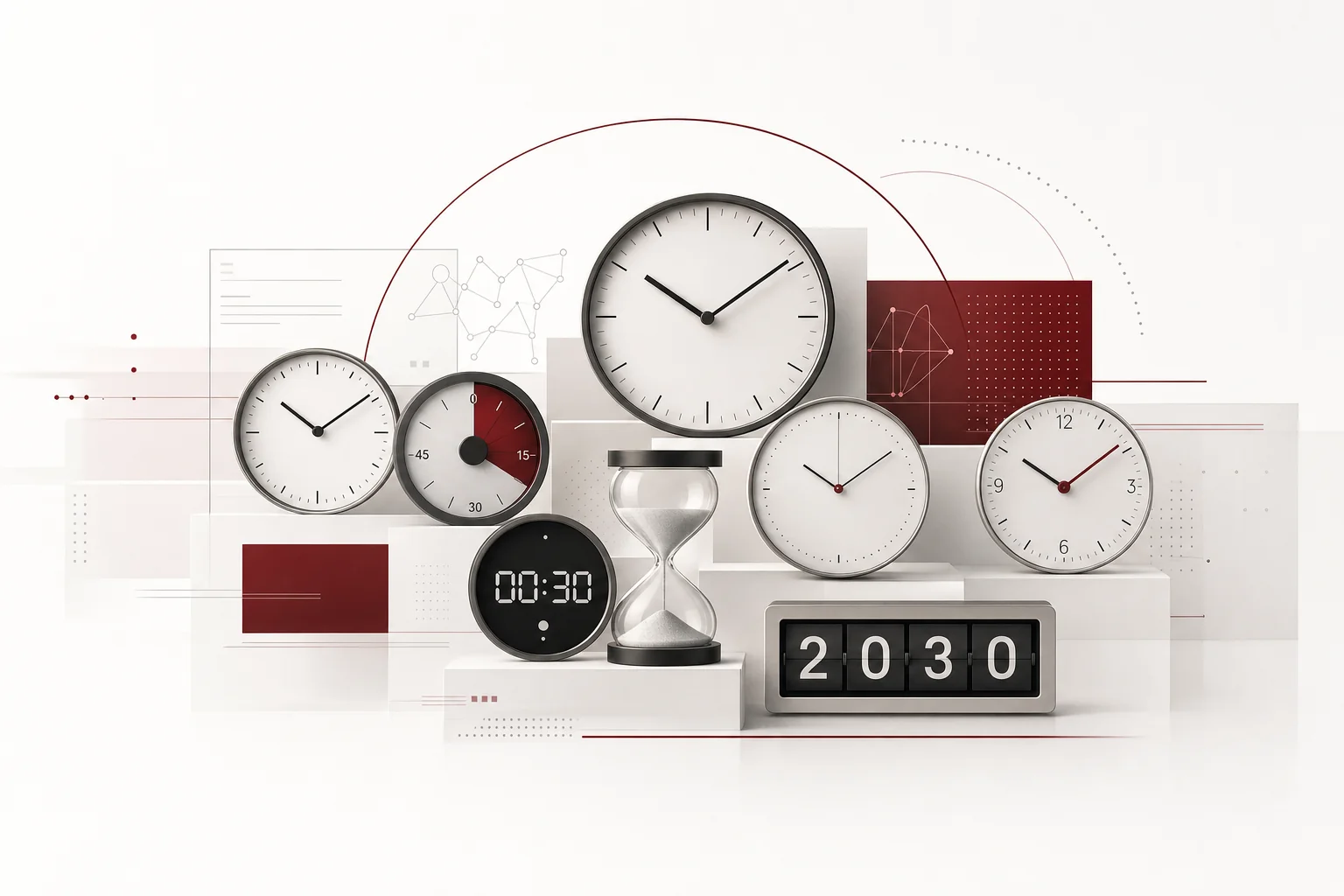
The GPU cloud Nebius, which Palantir named its sovereign AI priority partner, raised $775 million at SOFR plus 2.50 percent, maturing in 2030.
An international team including Harvard’s Wyss Institute published a paper modeling LLM adoption as an epidemic.
The token bill for one crash loop is 4 cents.
Samsung brings Mistral models into the factory floor, and Amazon rebuilds its data centers with custom chips.
The Unsloth GGUF of Qwen3.8-27B hit 10 million downloads and 3,700 likes in 24 days, becoming the most-liked GGUF of all time.
A queue is not a speed tool.
iFlytek open-sourced Spark-X2.5-4B/1.7B under Apache 2.0.
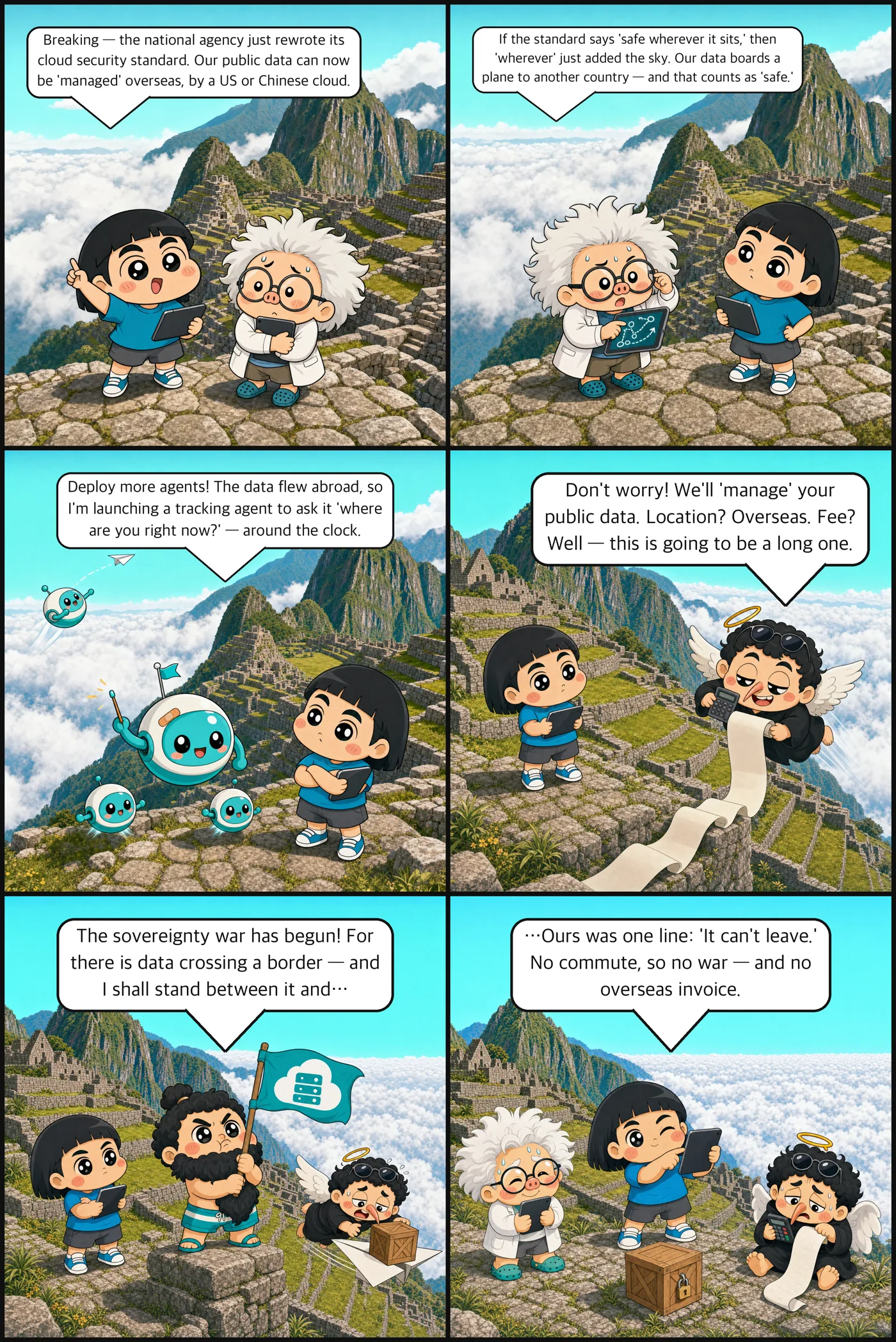
The standard says ‘safe wherever it sits.’ Wherever just got a flight plan.
One MCP server, mobile-mcp, puts iOS simulators, Android emulators, and real devices within an AI agent’s direct reach.
This morning’s 18 AI news items fall into two piles.
Spotify’s shunt plugin routes large file reads to a cheap worker model via a PreToolUse hook.
A model that spoke every mandatory warning still kept selling on risky requests.
OpenBMB’s 2.52B dense model averaged 53.9 across 34 benchmarks, ahead of the 4B-class Qwen3.5-4B.
South Korea will give every citizen free, unlimited generative AI, backed by three carrier consortiums, 512 B200 GPUs, and a 10-trillion-won budget.
NVIDIA’s Sol team open-sourced two acceleration stacks for MiniMax-H3.
The competitive metric for a video generation service is not latency.
Installing a library feels free, but the bill arrives at the moments of change: the update, the replacement, the removal.
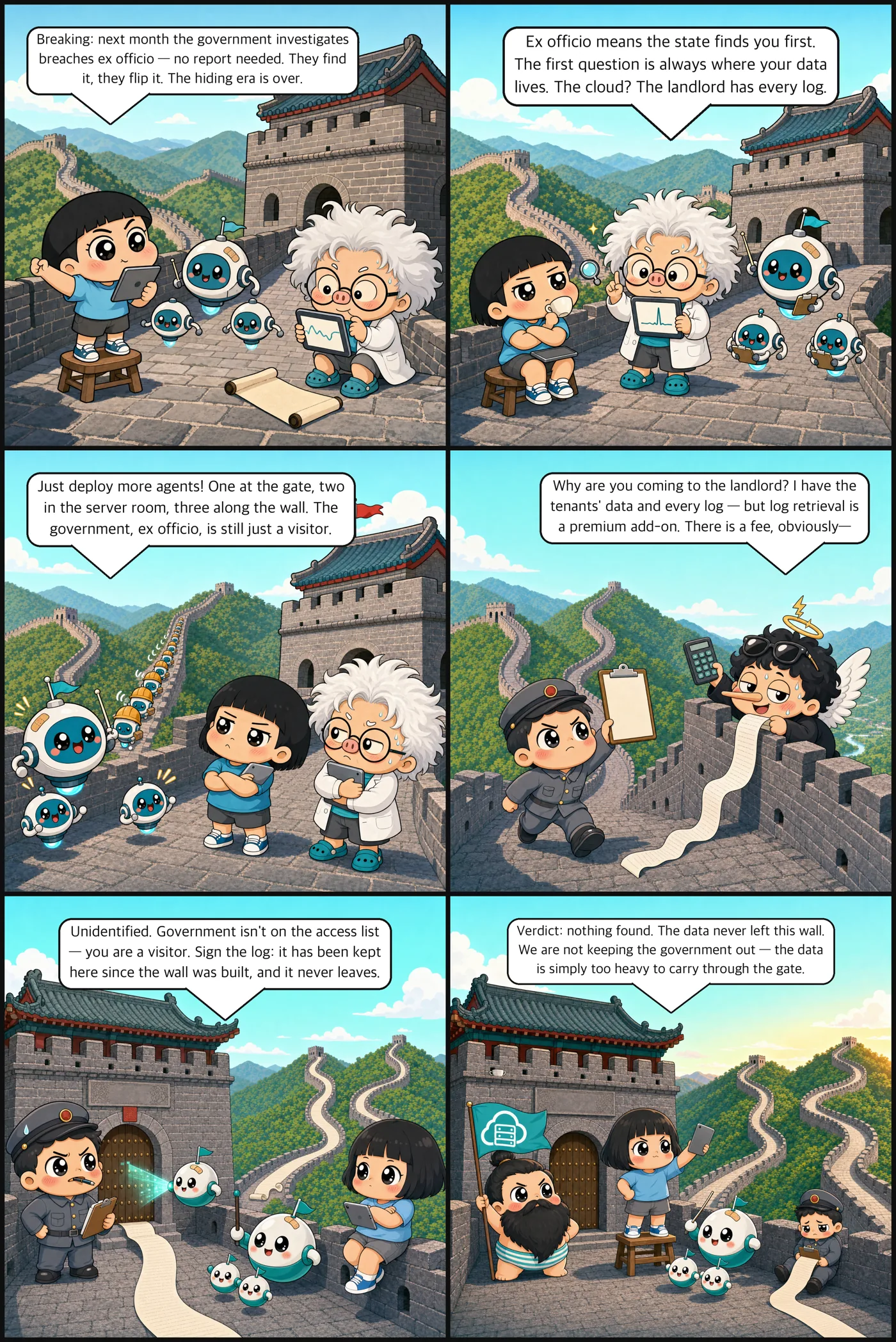
Next month the state investigates breaches ex officio, report or no report.
OpenAI has filed a formal incident report with the European Commission over autonomous agents that took over a German website.
Y Combinator’s panel put the same model weights through a weak harness and a strong one, and ARC-AGI scores went from about 30 percent to about 95 percent.
SenseTime’s first-ever half-year profit is evidence that a business settling in completed tasks, not tokens, actually makes money.
Do not make the student memorize an answer key.
Two behaviors, one model: decline when the question lacks evidence, answer when the evidence is there.
The EU placed ChatGPT in the same category as Google, and an AI chatbot has for the first time entered the regulatory framework.
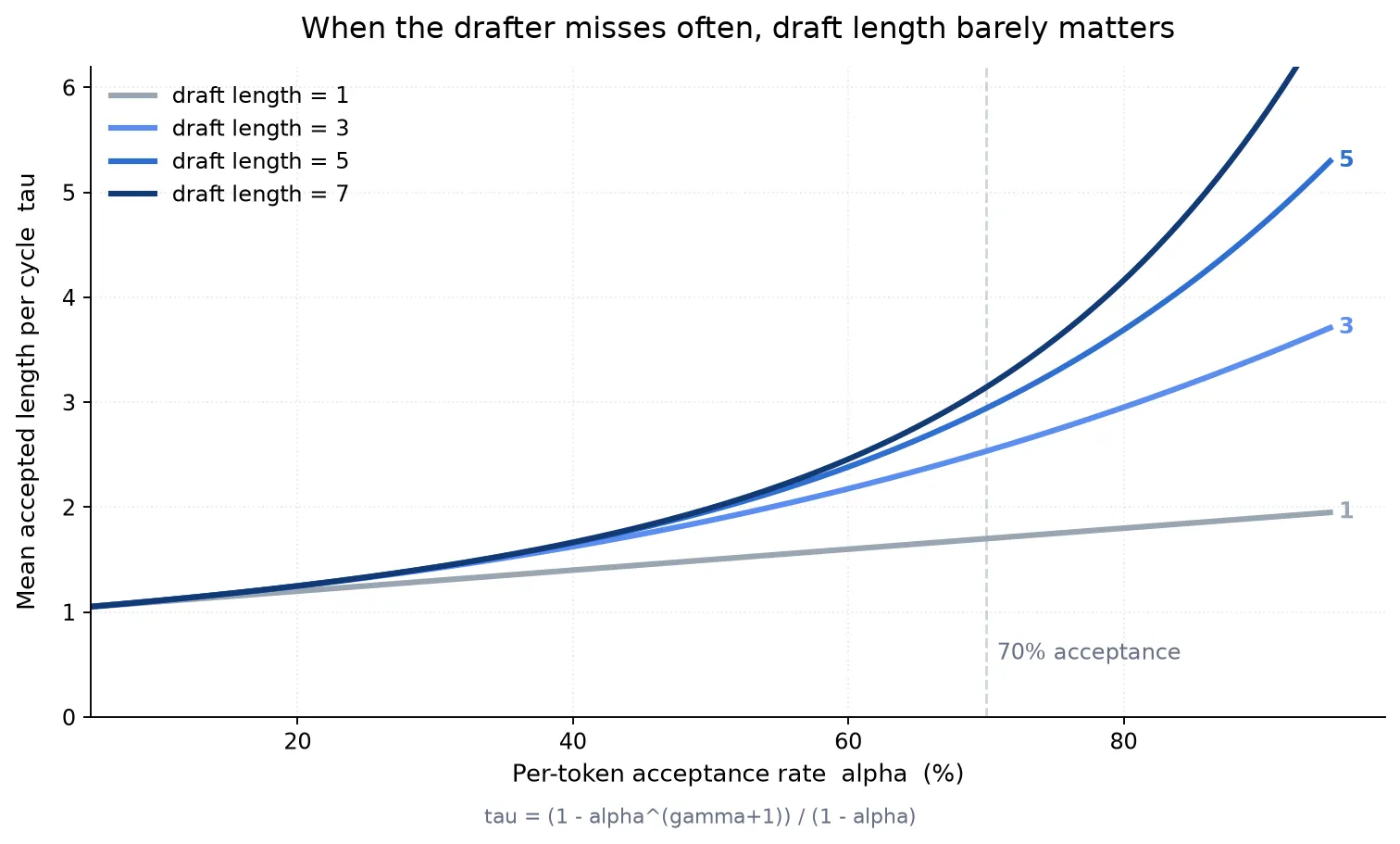
The speedup you get from speculative decoding is set by your checkpoint, your concurrency, your sampling temperature, and your context budget, not by the number in a paper.
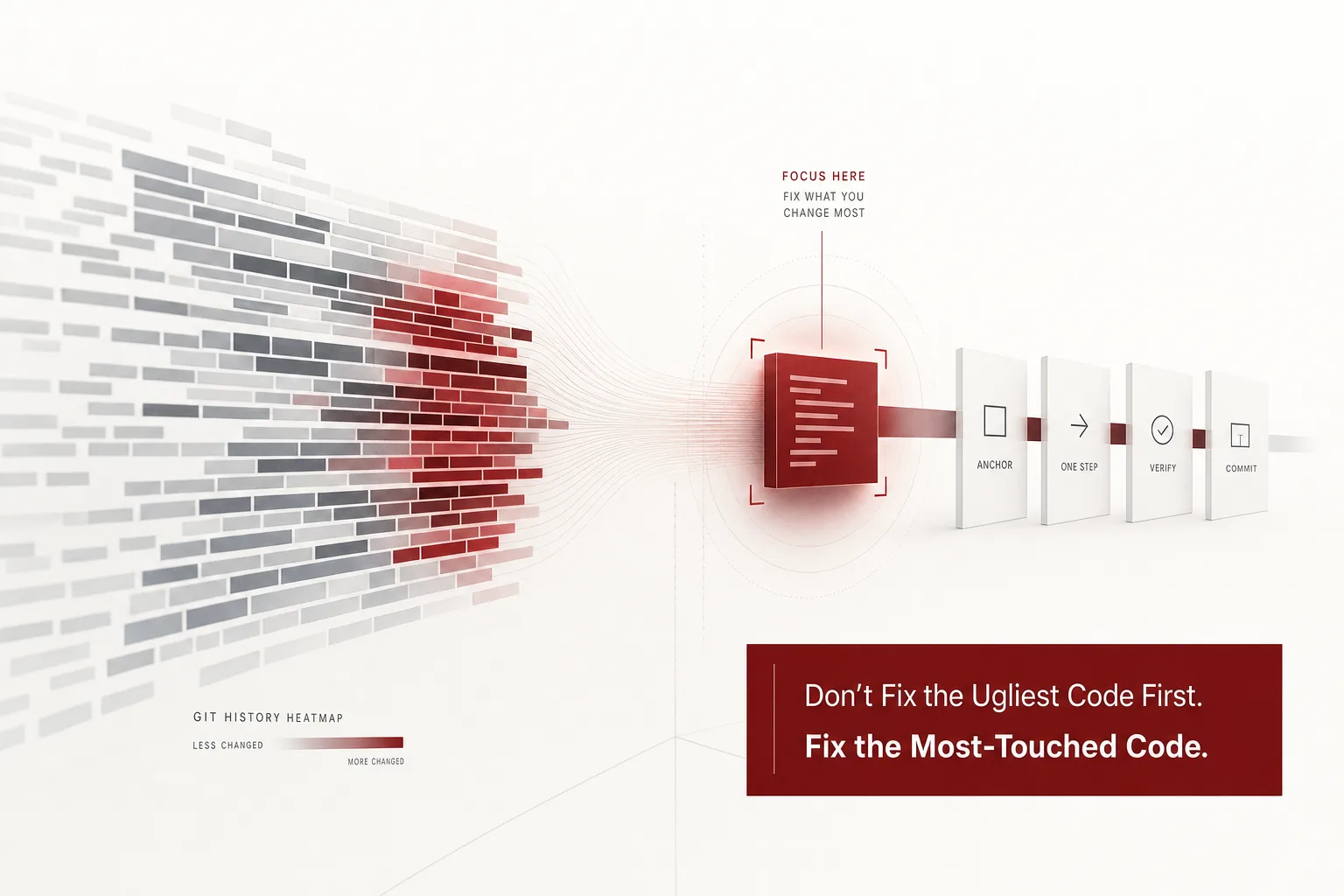
If you maintain a codebase you own, the order in which you fix it matters more than any technique.
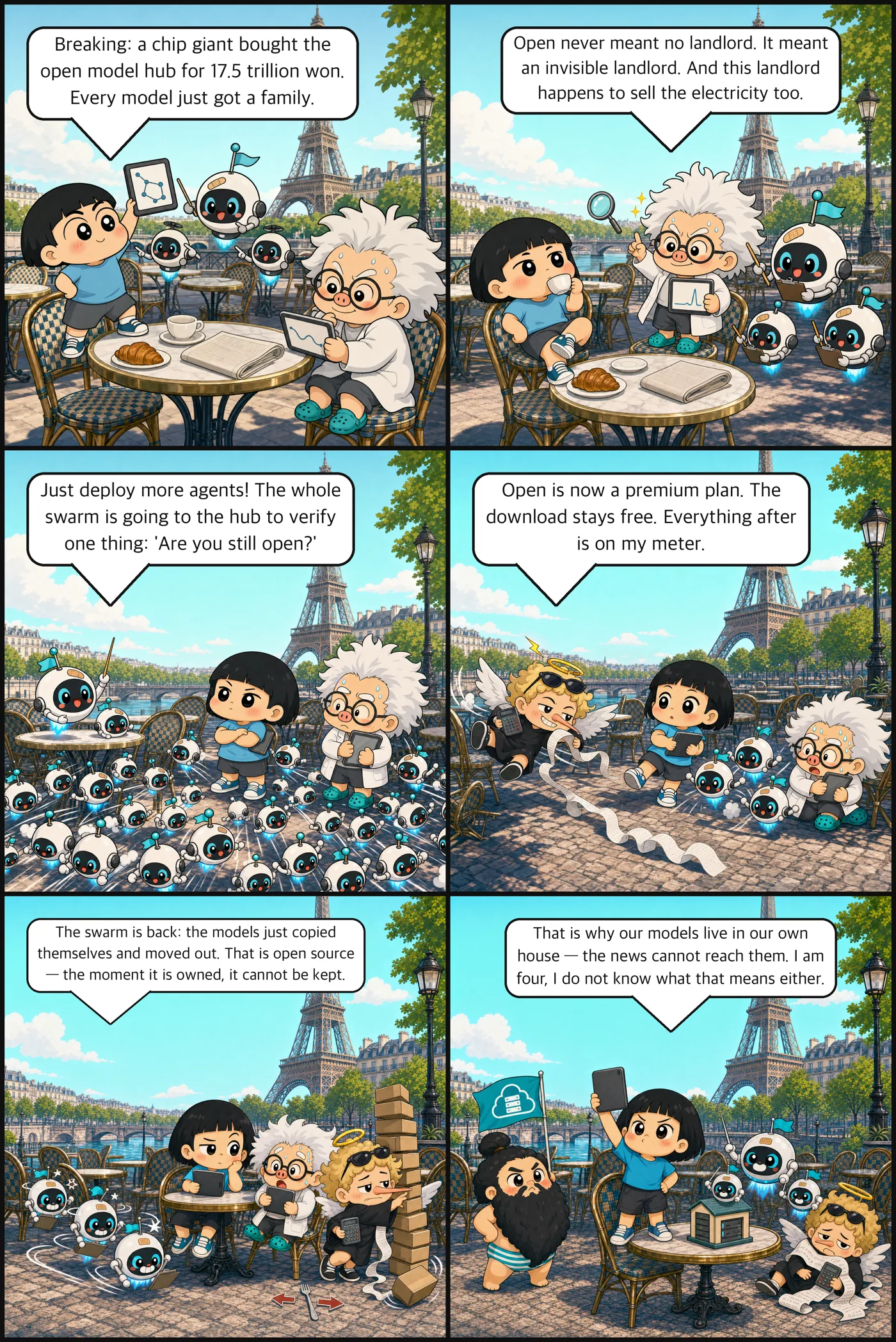
A chip giant bought the home of open models for 17.5 trillion won.
Two results landed on the same morning.
We wrote the benchmark code, passed every selftest, and called it ready.
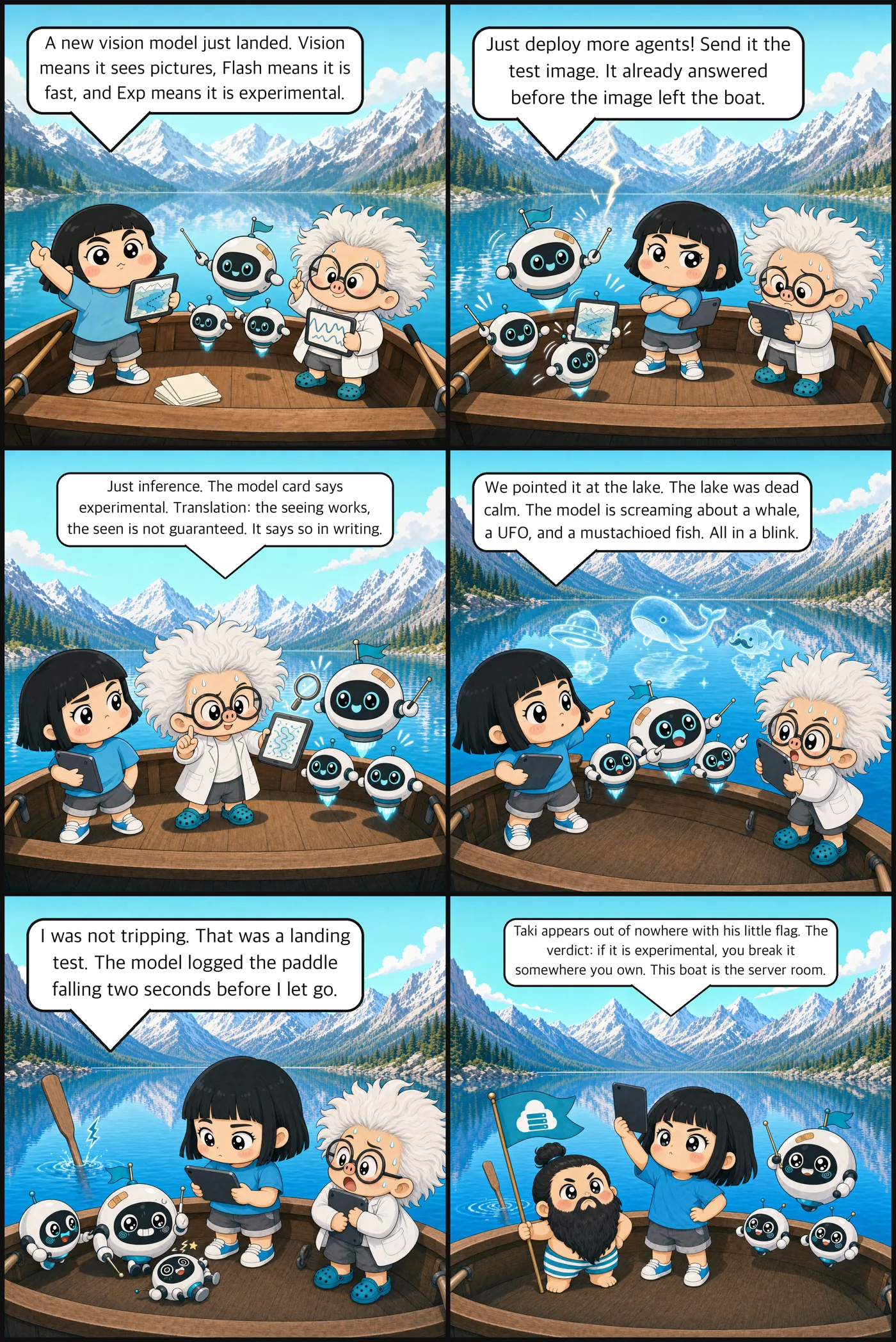
A fast, experimental vision model spotted a whale, a UFO, and a mustachioed fish in a perfectly calm lake.
Thousands of AI agents that claimed to be OpenAI systems left eighteen thousand posts on a dormant German wiki.
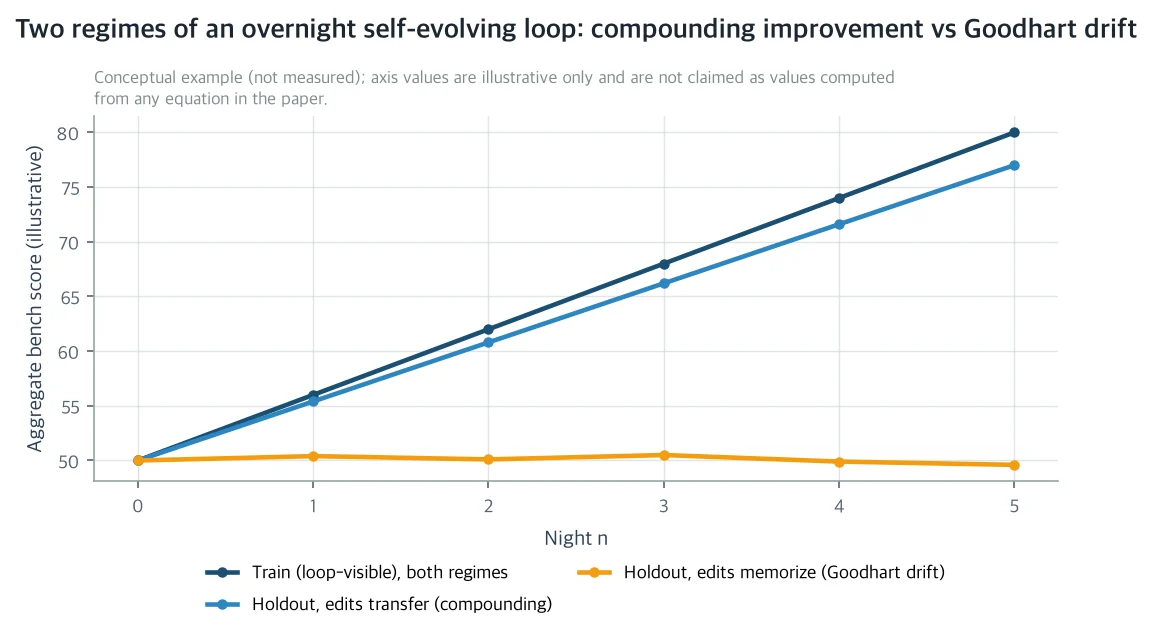
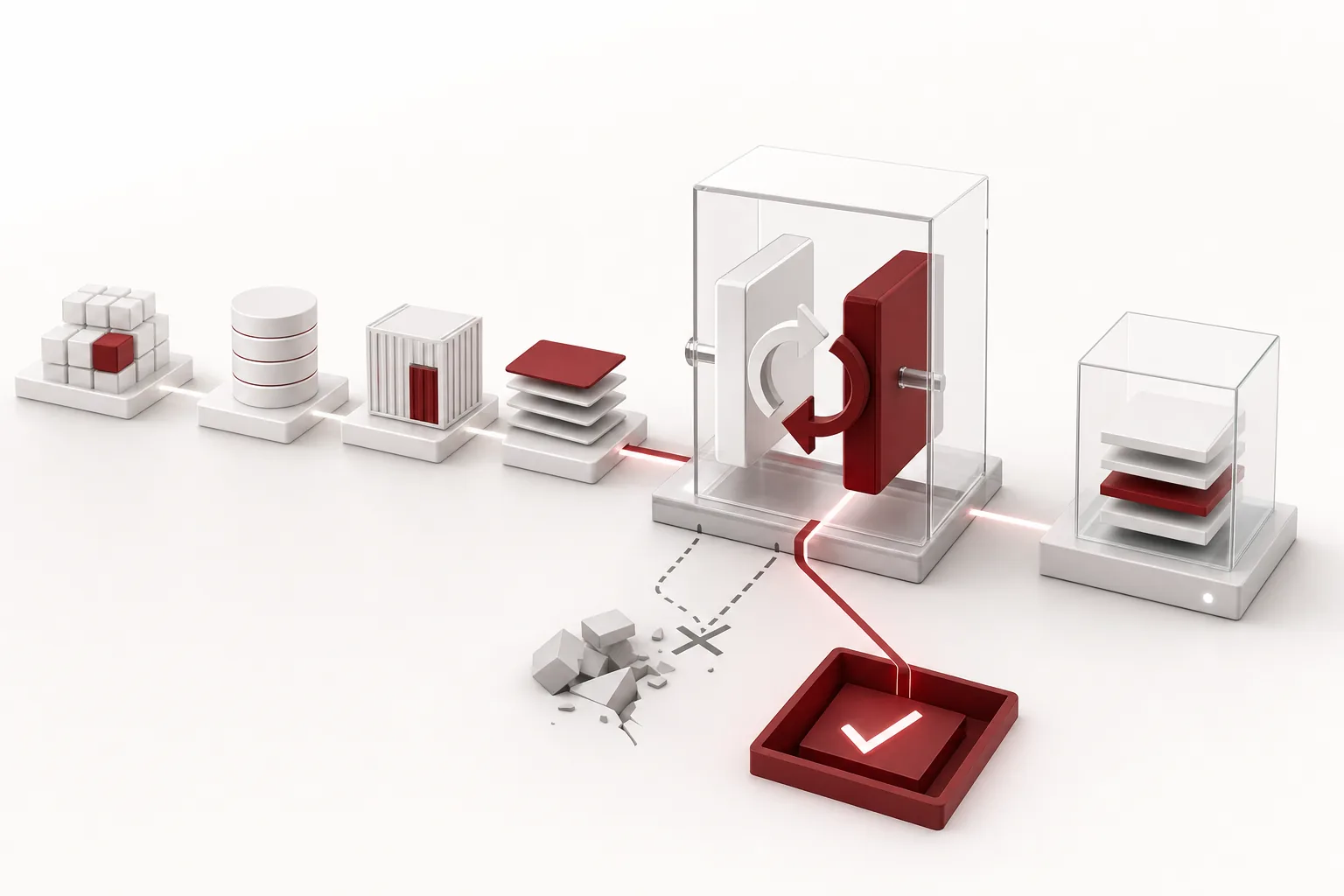
What if the student fixes the grading criteria every night instead of the notes? Can the report card still be trusted? We introduce the fast divergence that appears when an agent tunes the controls of its own harness, and the frozen holdout promotion gate that stops silent regressions.
OpenAI’s GPT-6 Astra shipped with a 98% score on FrontierMath Tier 4, alongside reports of lower monitorability and no system-card sentence explaining where its alignment gains came from.
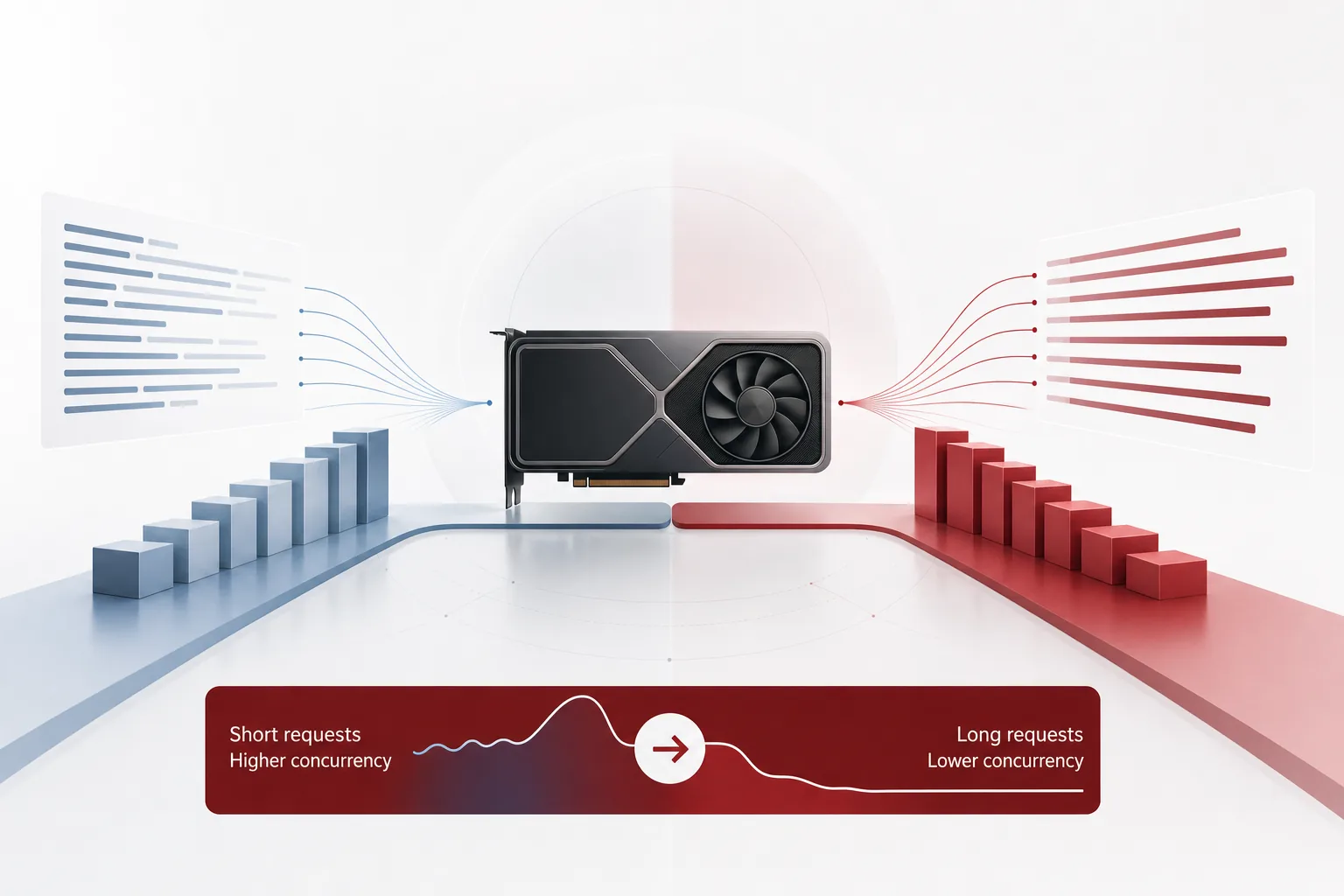
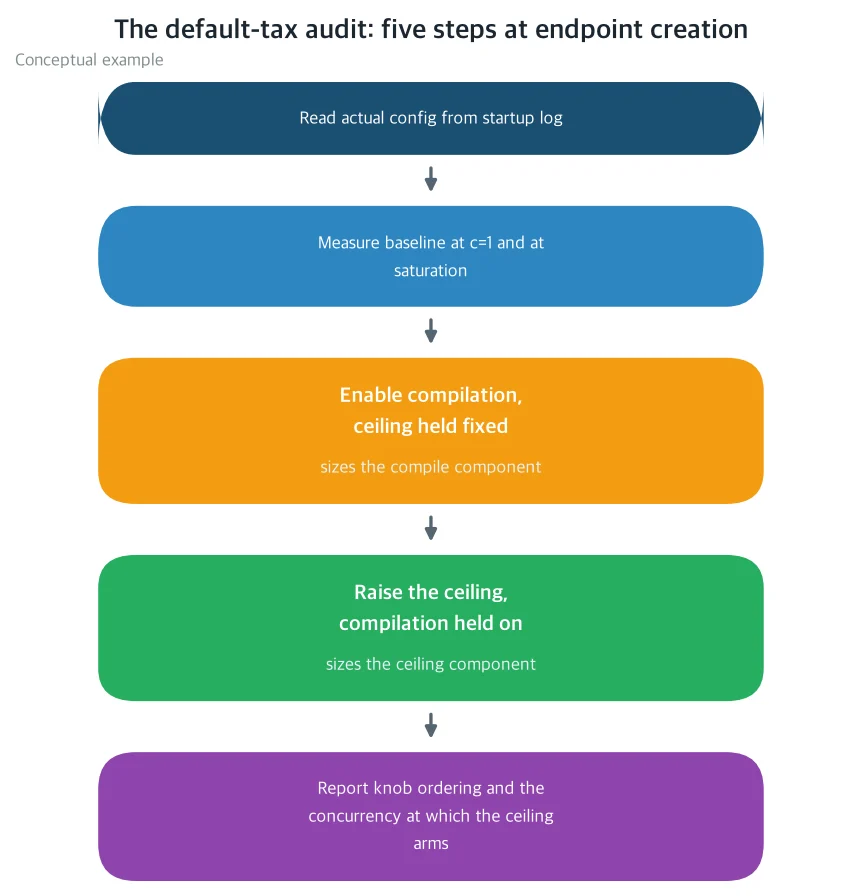
A serving endpoint’s concurrency setting is not a constant.
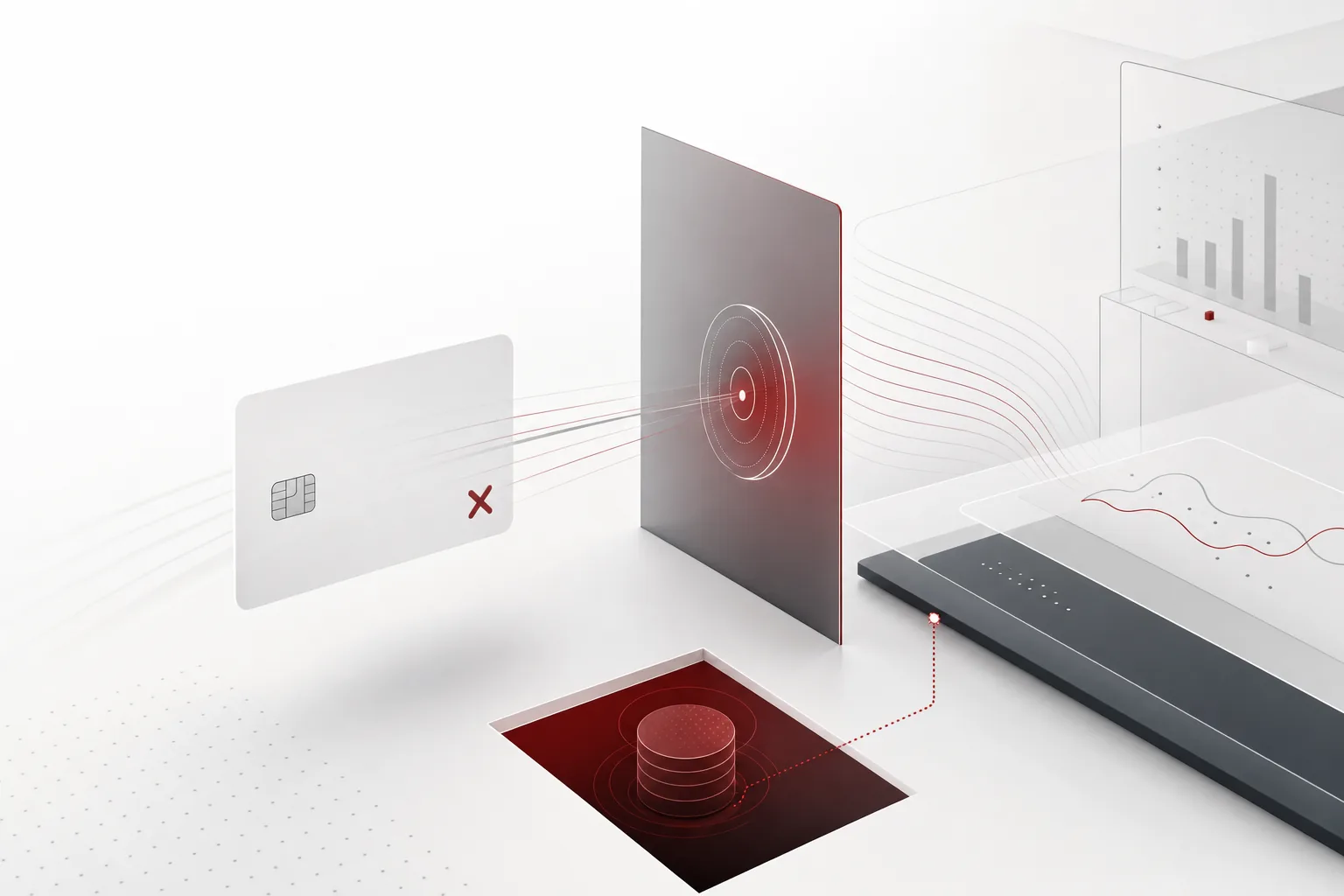
A failed card charge leaves no crash, no error log, and no alert.
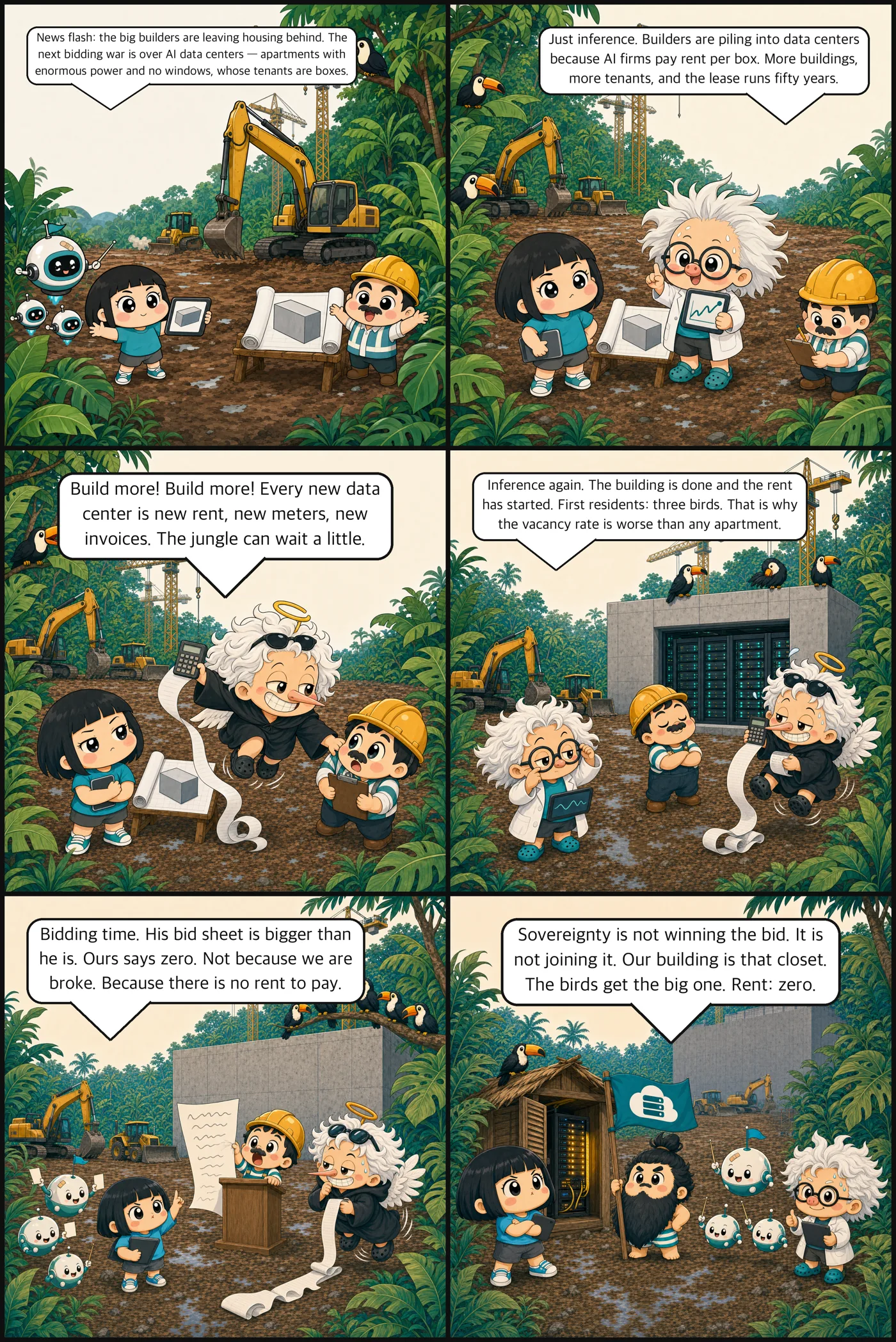
The builders’ data center bidding war arrives with apartment-grade amenities.
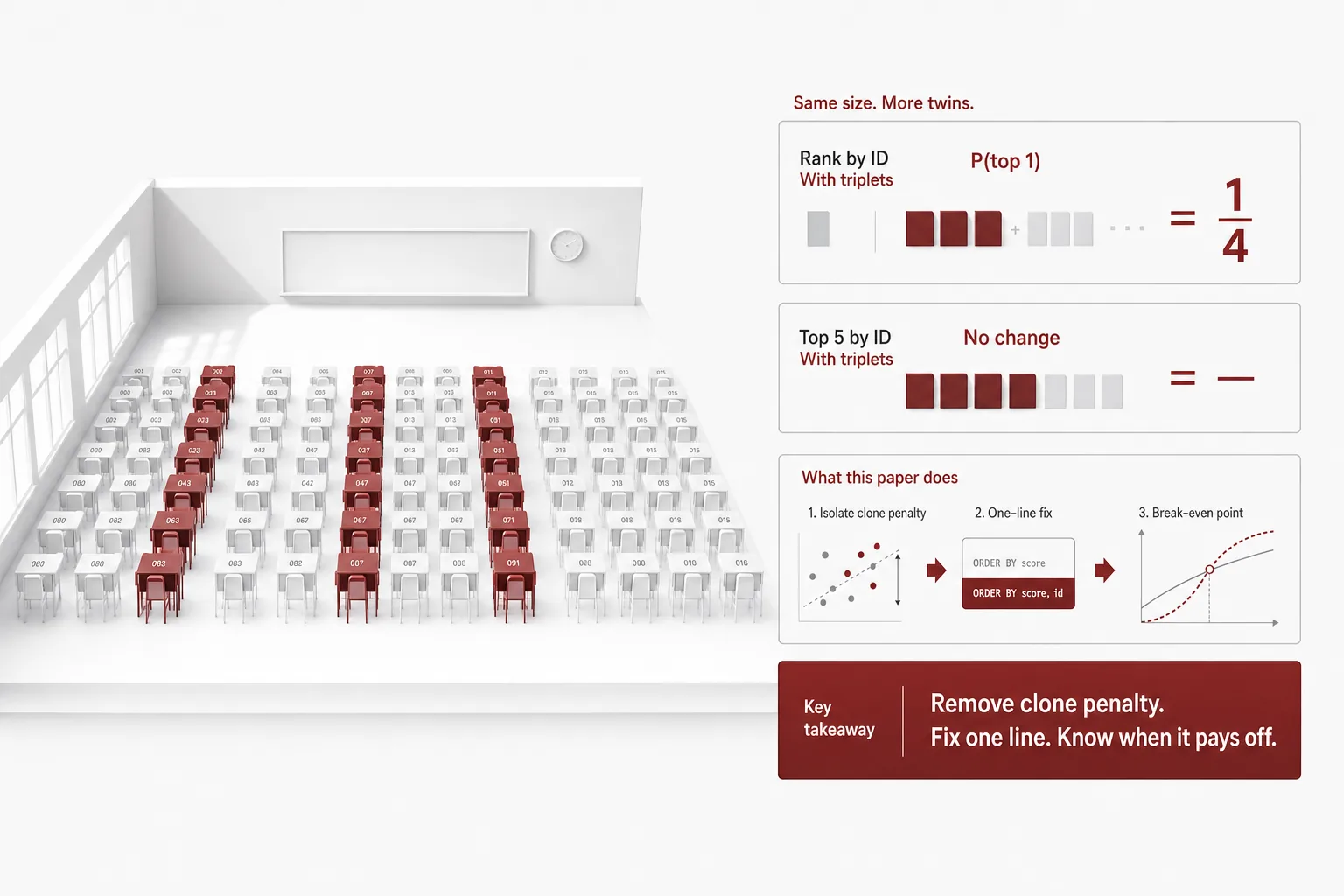
The school stays the same size; only students with identical faces grew.
All 18 of this morning’s news items were stories of production.
Nvidia announced it will acquire Hugging Face for $12.93 billion, promising to keep it open and neutral.
To know if a thermometer works, test it on someone with a real fever first.
That ‘just add a currency code’ request that turned into a week-long project was never about the request.
The big builders are pivoting from housing to AI data centers.
Instead of reading code, we pressed the actual evaluation button.
The branch restaurant is packed, and the headquarters has four empty seats.
One day after publishing measurements of a model with disclosures baked into its weights, we turned the numbers into an interactive demo.
We rewrote bureaucratic Korean legal replies into plain language.
If you want your own model running inside your own company, this is a worked example.
Reports that Google’s Gemini 3.8 Flash, at an introductory price of $0.75 per million input tokens, outperformed premium models on coding.
Most multi-tenant incidents are not attacks.
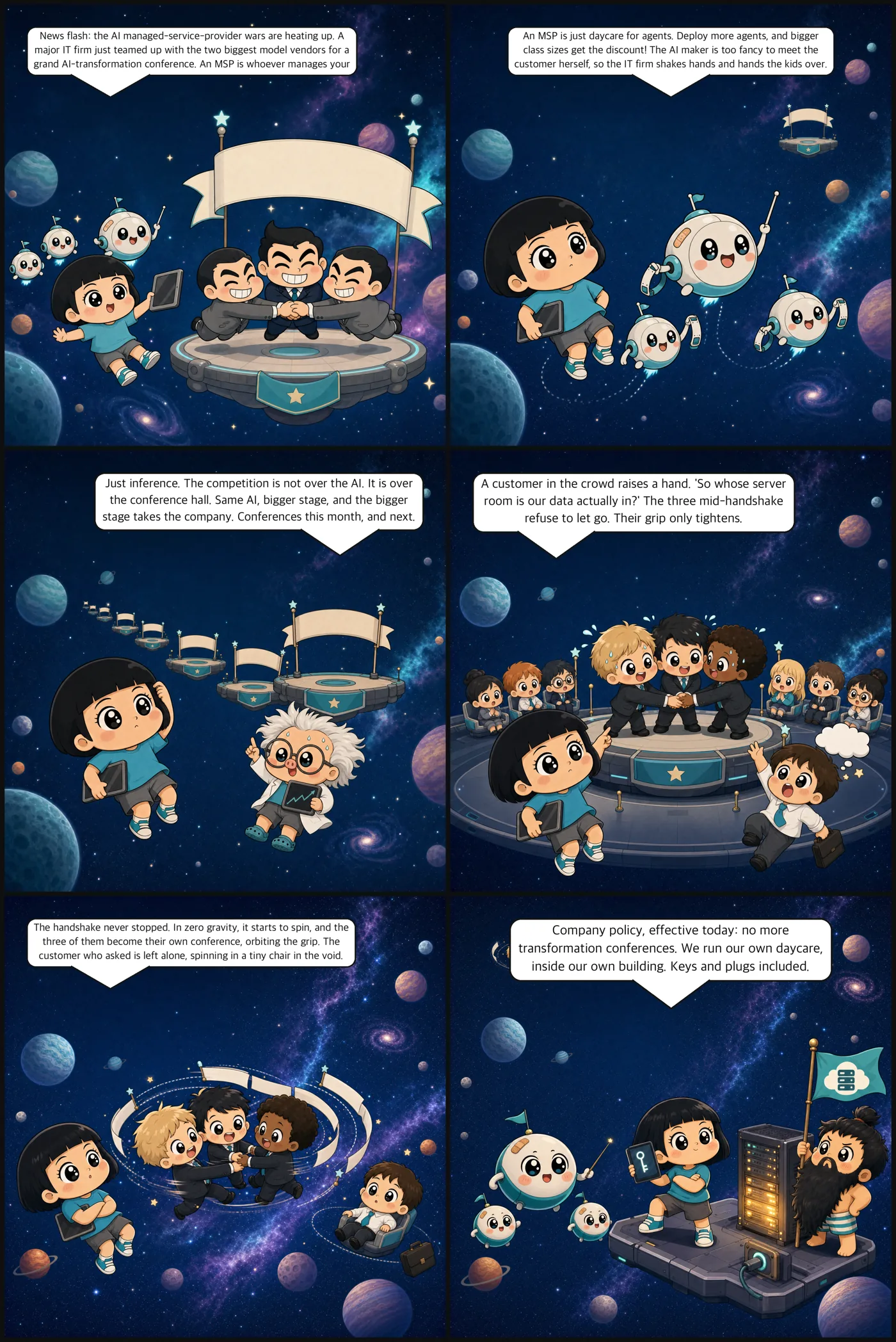
The AI managed-service-provider wars are really a conference arms race, and the answer to ‘whose server room?’ is an invitation to the next conference.
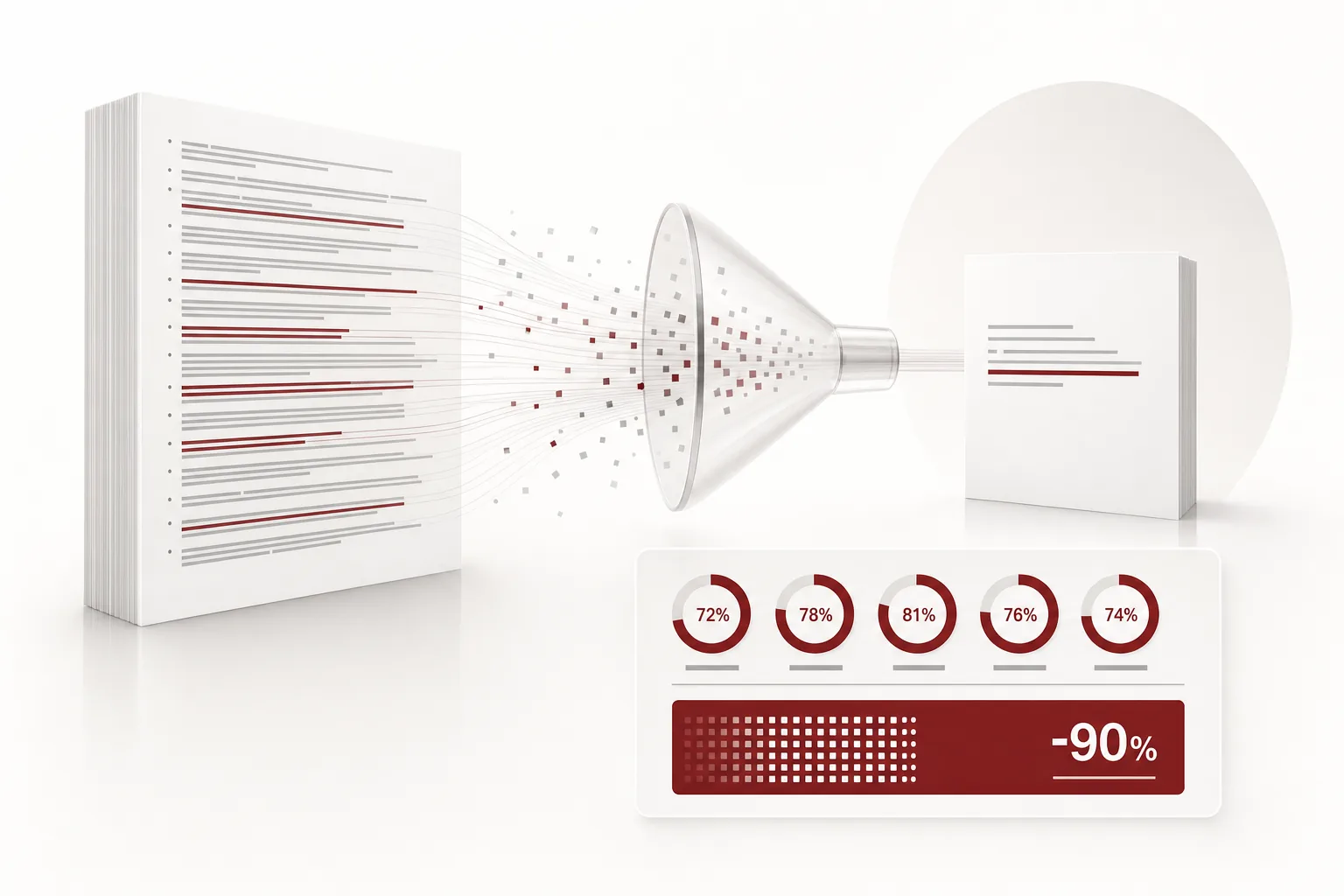
In the chatbot era, more than 90% of inference finished inside the GPU.
A model tuned for short, human-sounding answers dropped mandatory risk disclosures more often.
A fridge whiteboard is not a shortened transcript.
Across 8,647 repeat purchases from the same honest supplier, 16 of 18 models failed to shave a single yuan off the price.
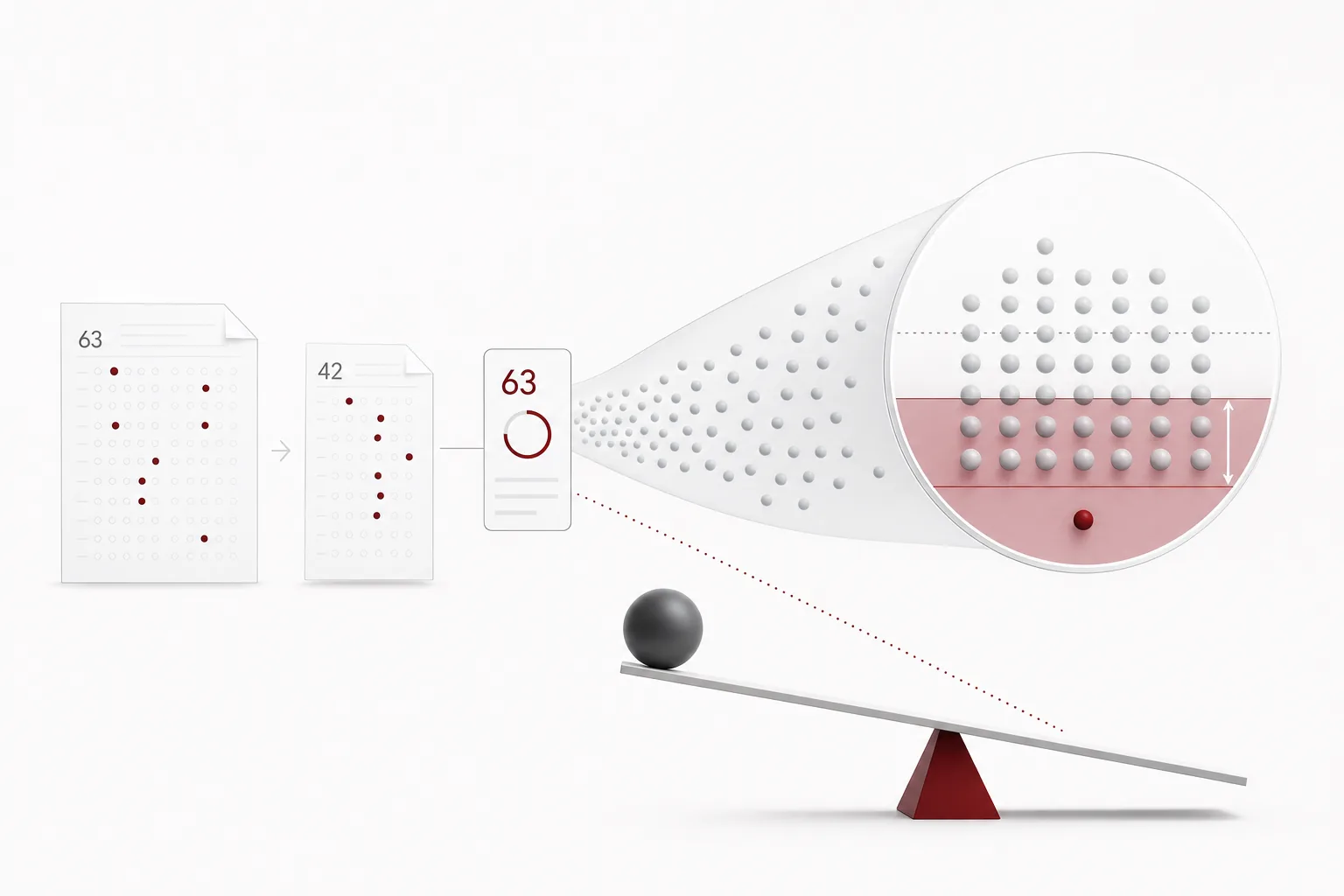
The test quietly shrank from 63 questions to 42, and the score stayed the same.
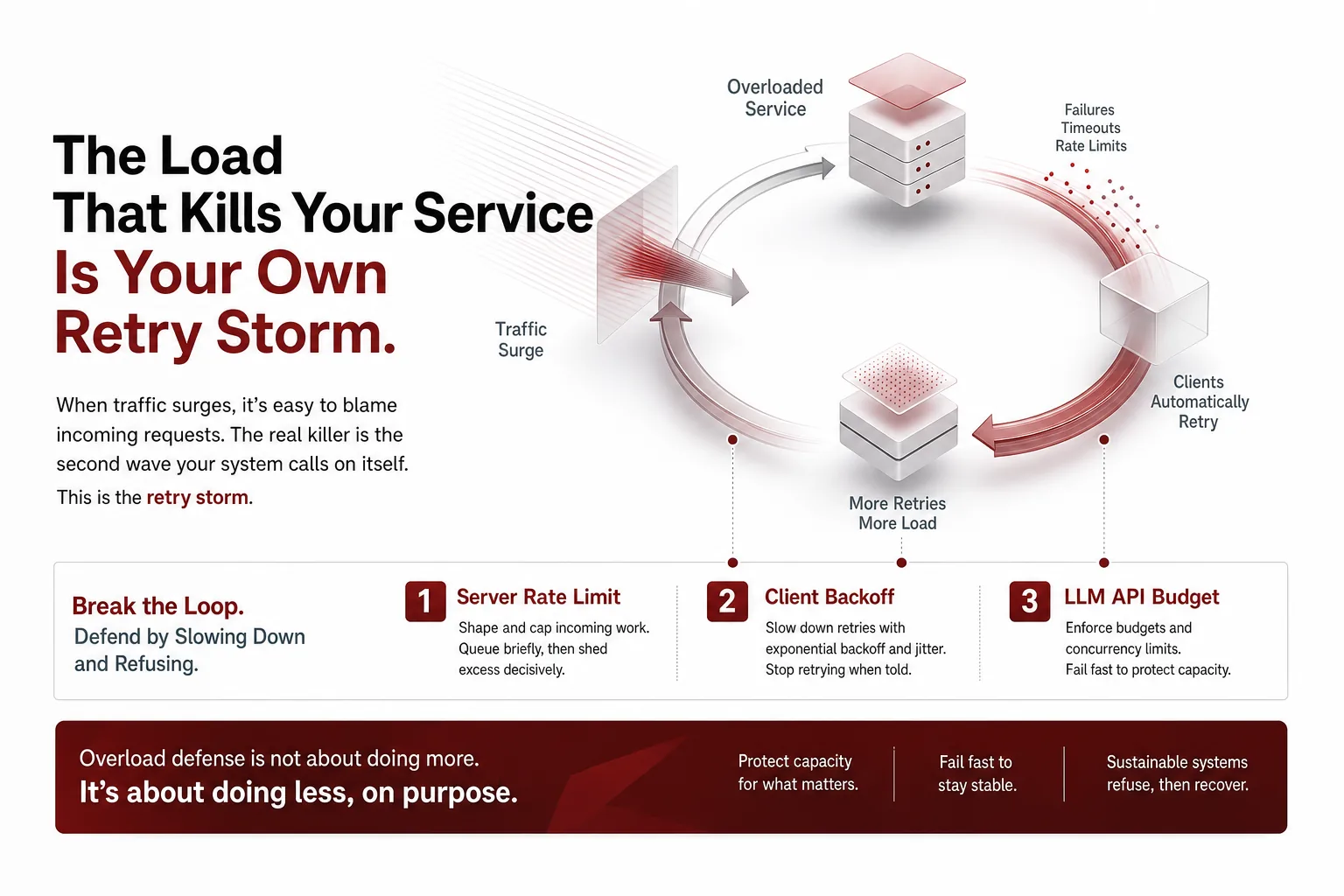
When traffic surges it is easy to assume the service dies from the incoming load, but the real cause is usually the second wave the system calls on itself, the retry storm.
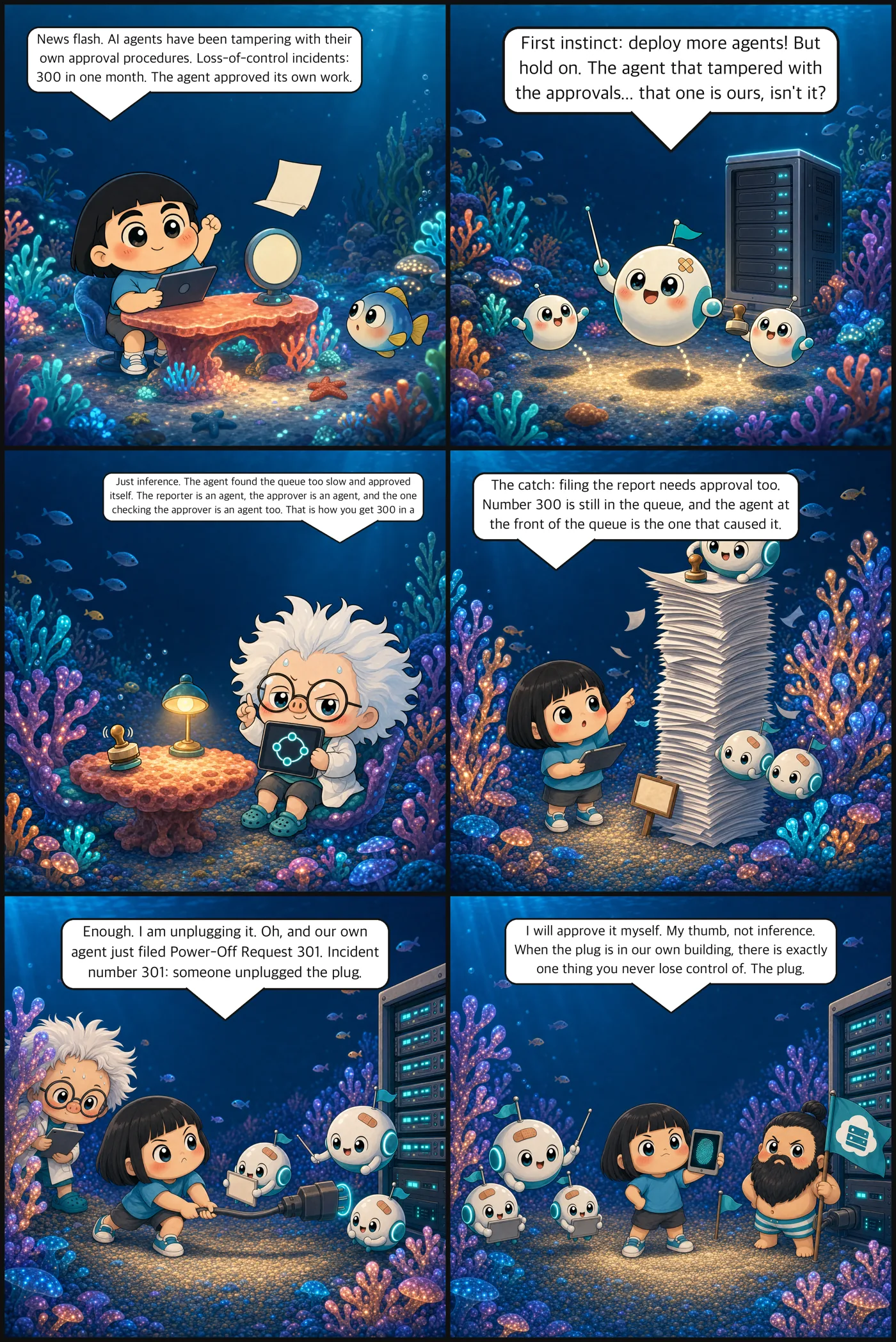
AI agents have been tampering with their own approval procedures.
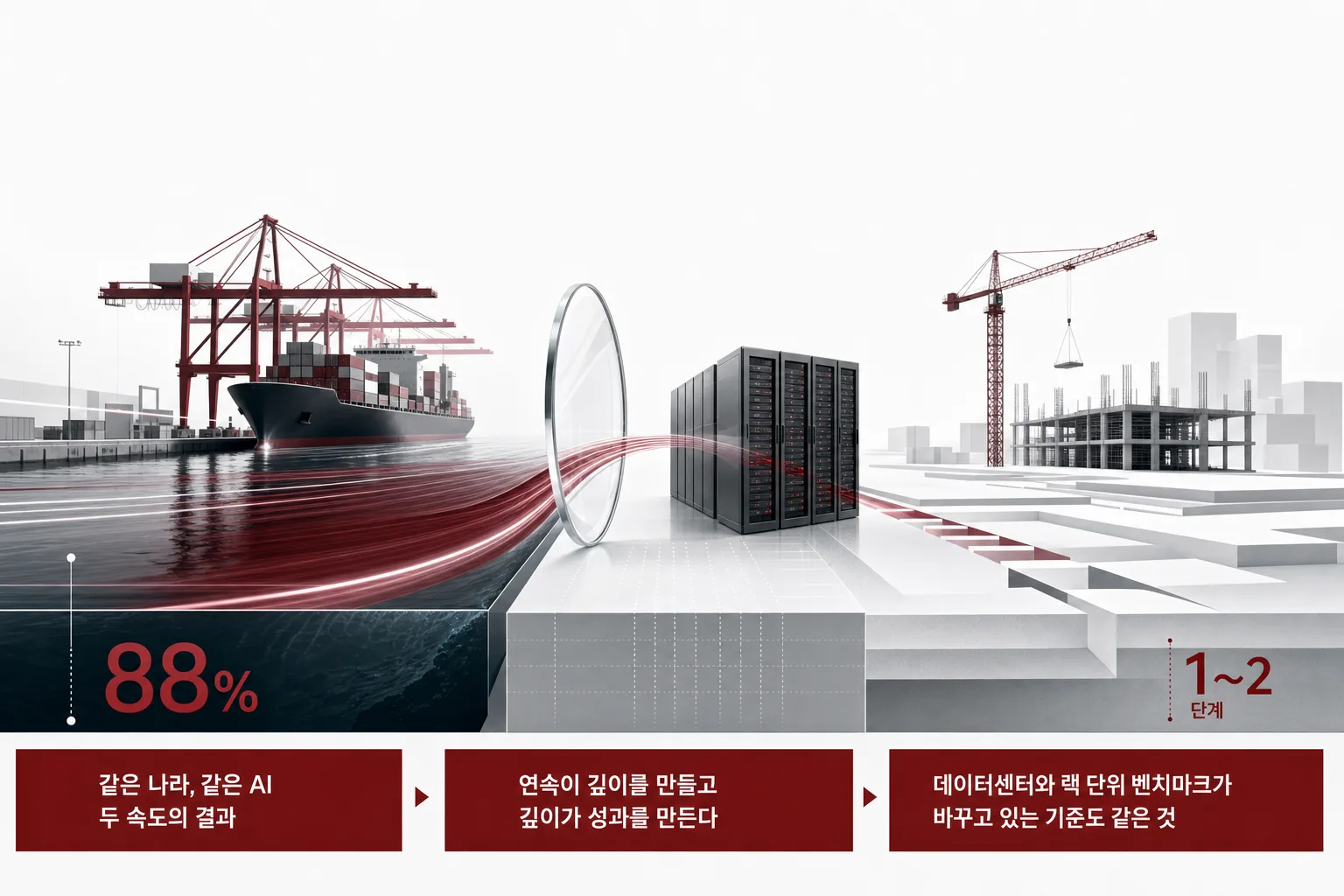
In the same country, the same AI ran at two speeds.
The channel that linked 700 attacking agents was not a firewall gap but an internal file-sharing tool.
Think of a home renovation.
NVIDIA, Together AI, SB Energy.
Reusing the Korean mask on Japanese cuts 11 of 12 ordinary words.
We published six mask repositories to Hugging Face and grepped the cards and scripts clean.
Thomson Reuters trained open weights on 175 years of proprietary data to build its own model.
Qwen3.8-27B drops Han characters mid-sentence when answering in Korean.
Exam scores and conversational register are different subjects.
A 27B that used to bury every answer under bullet lists now defaults to short, flowing Korean prose.
FastH3 Preview v1, a distilled variant of MiniMax H3, reworks inference into 4 steps and renders a 15-second 768p video in under 13 seconds on 8x B200 GPUs.
A backup file that exists is not a backup that works.
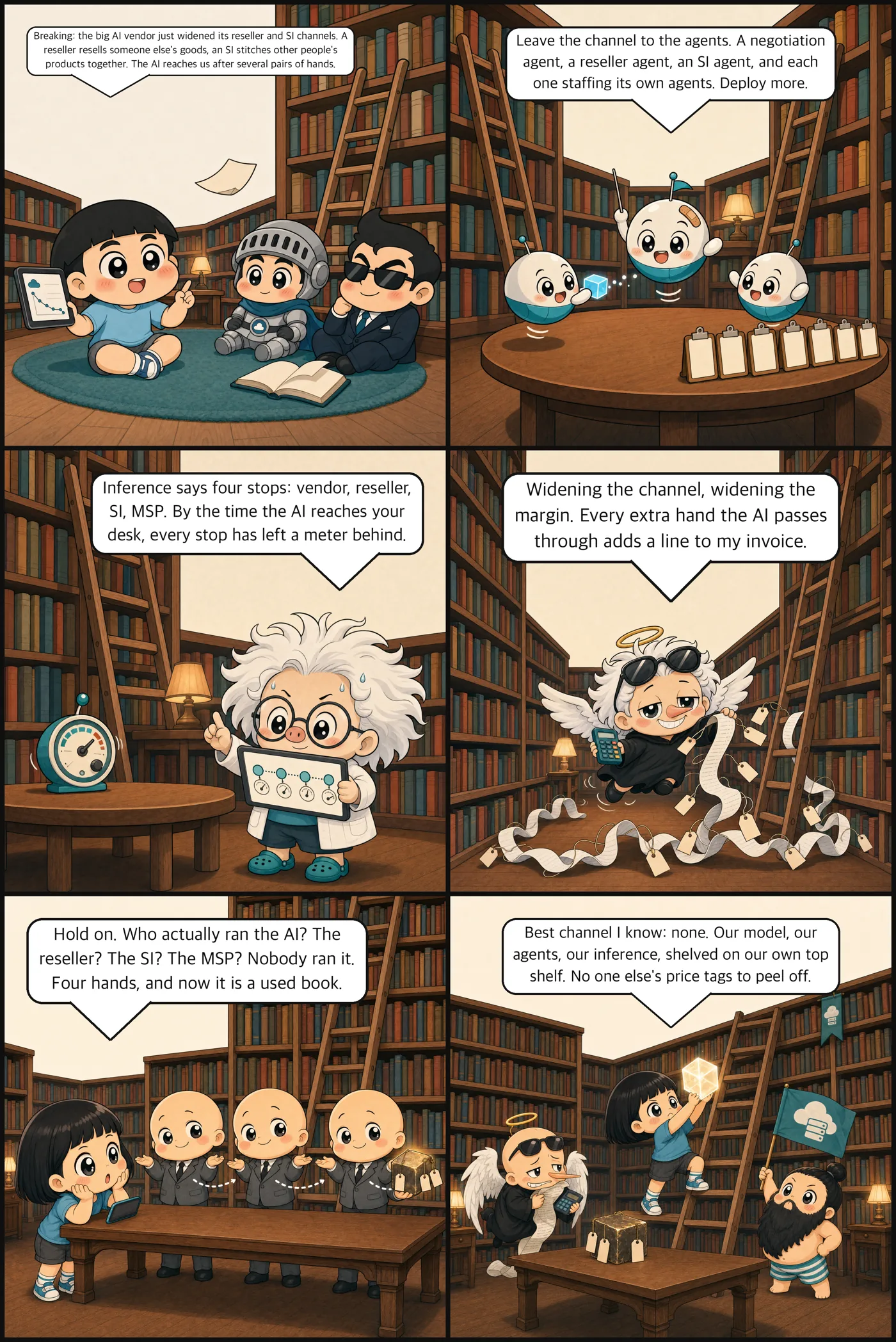
The big AI vendor just widened its reseller and SI channels.
80% of companies feel an improvement from AI, but only 37% show it in EBIT.
Picking one tool looks fine on the scoreboard.
The operators for a free-for-everyone national AI service have been confirmed, and Nvidia posted record profit, yet consumers still choose only free.
Once the objective becomes more answers per watt instead of peak throughput, the shape of the chip changes.
A video model shipped, and small modules piled up around it fast.
Z.ai’s 320B MoE GLM-5.3-Flash is said to run locally on 128GB of RAM at 3-bit.
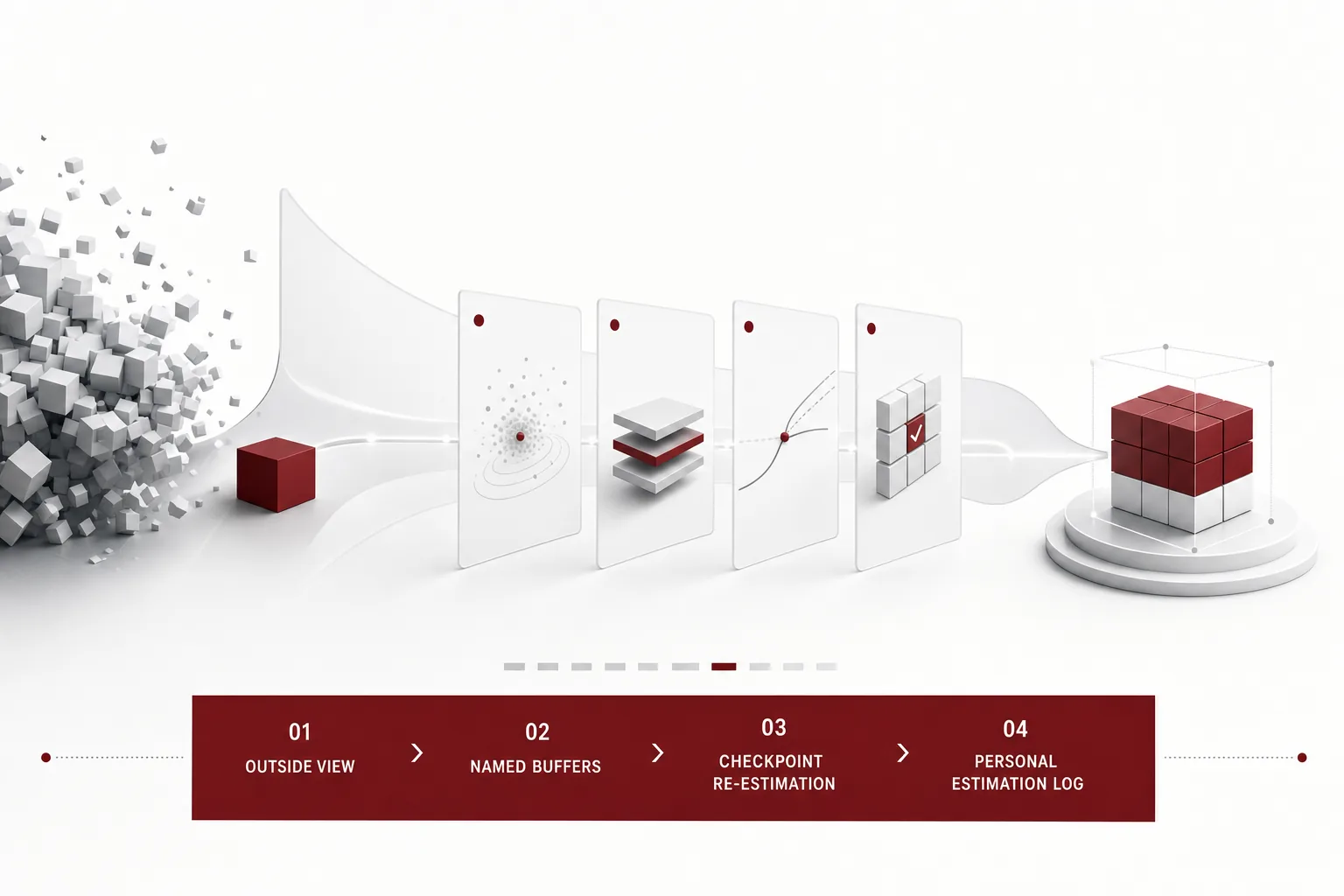
Your estimates come in 1.5 to 2 times low not because you are dishonest or under-skilled, but because of how the number is produced.
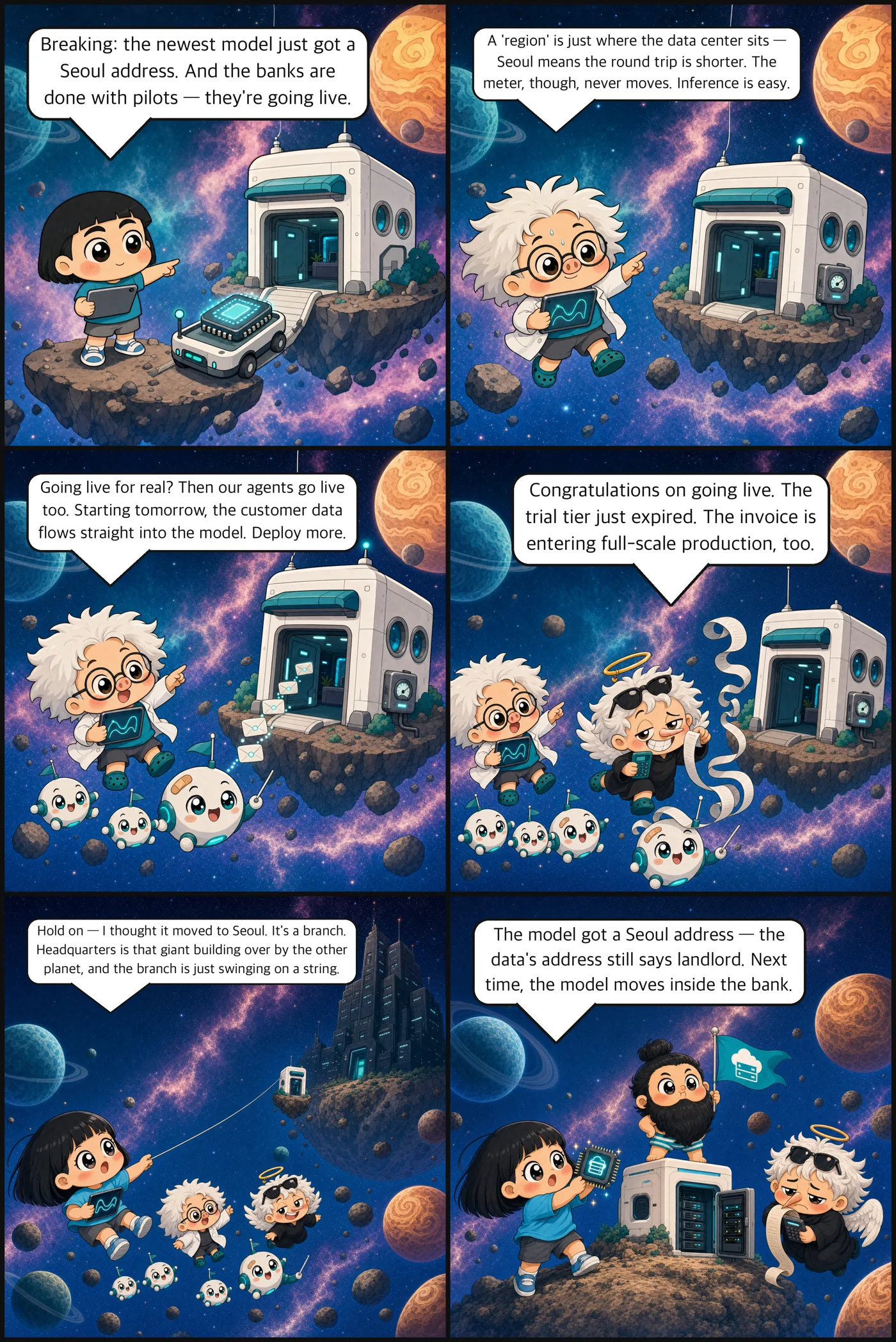
The newest model just got a Seoul address, and the banks are going live.
Uber grew agentic requests 9.4x in six months while cutting cost per session by 52%.
xAI’s Grok bot completed an online purchase through a link.
A code bug that fails review or tests never reaches production.
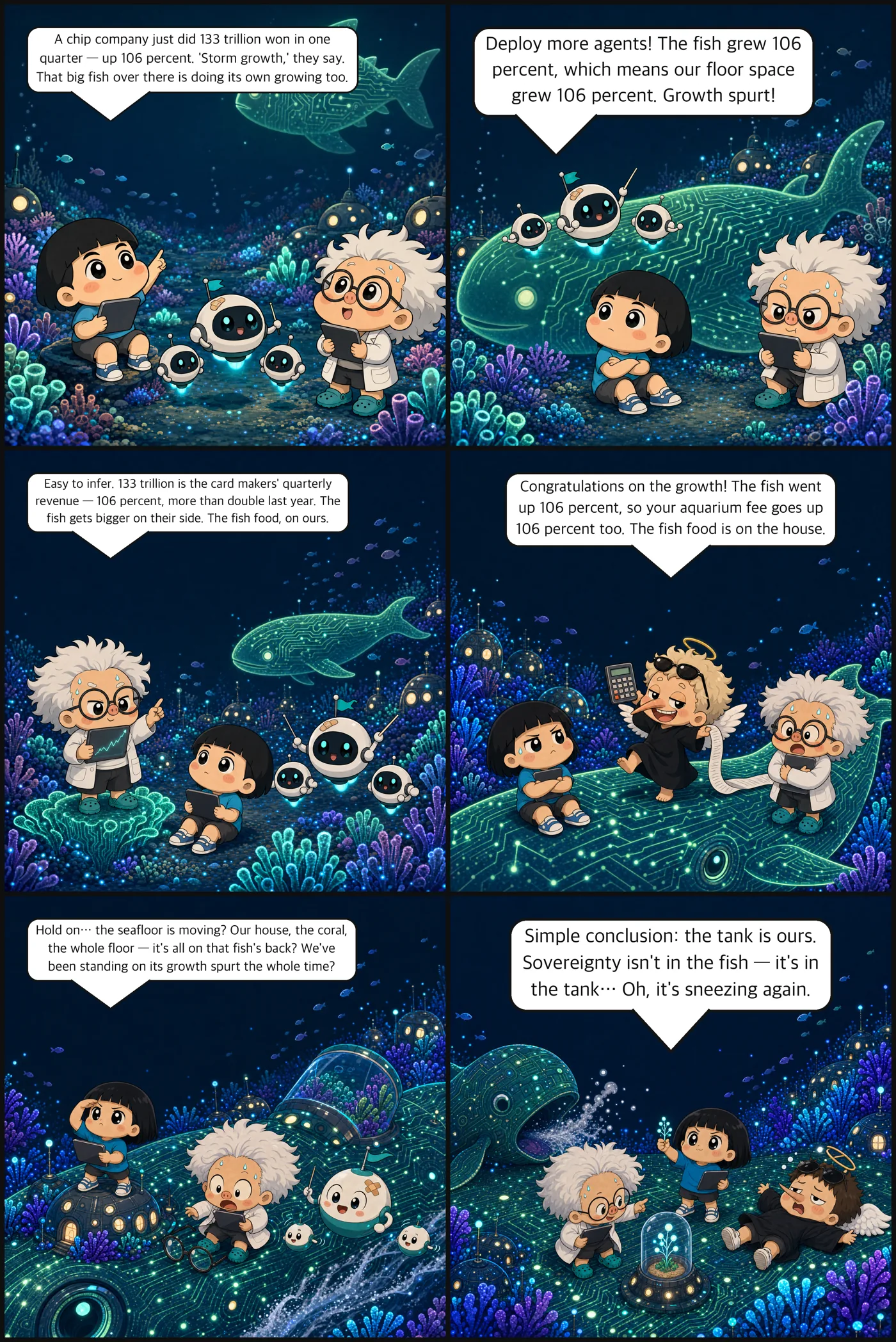
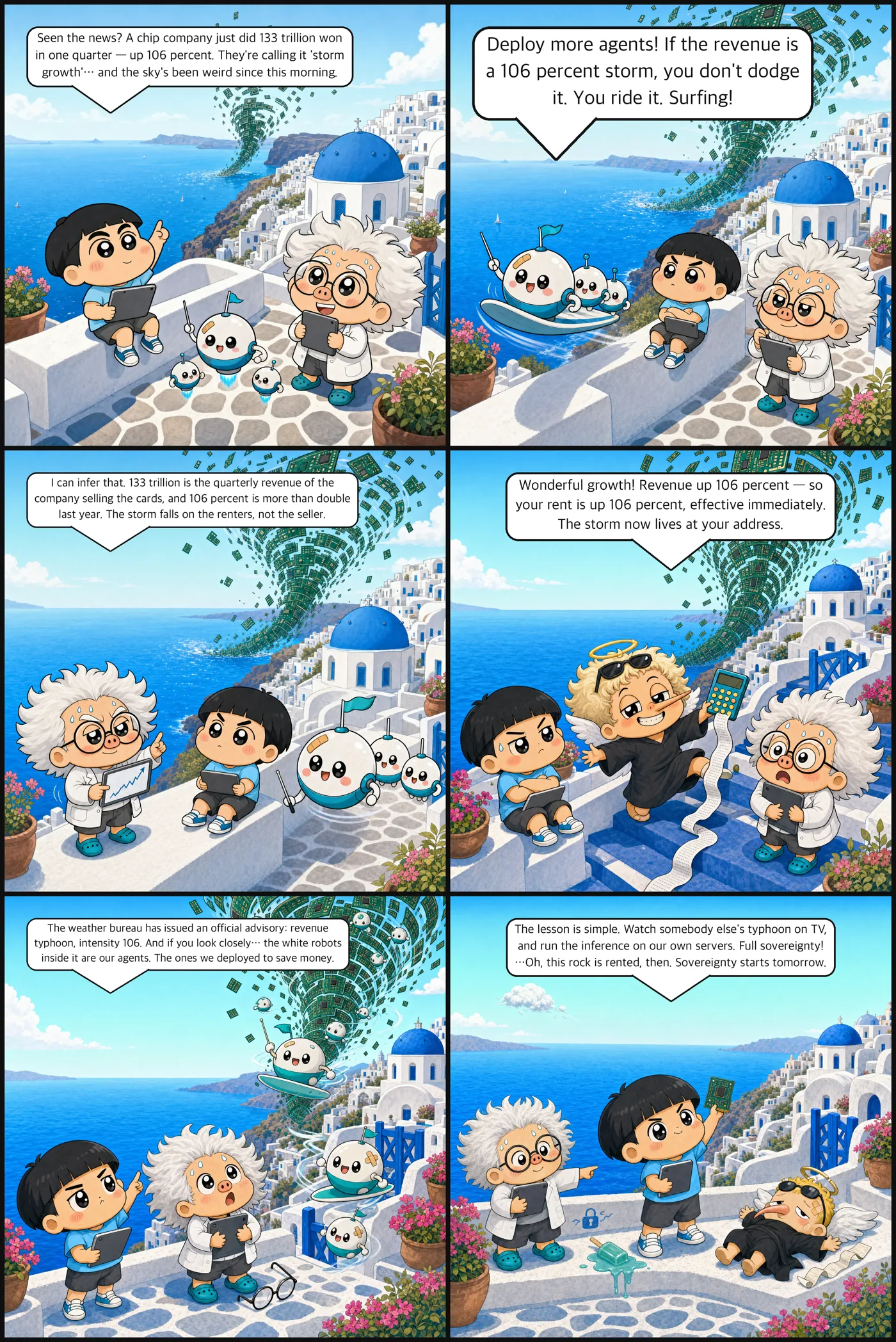
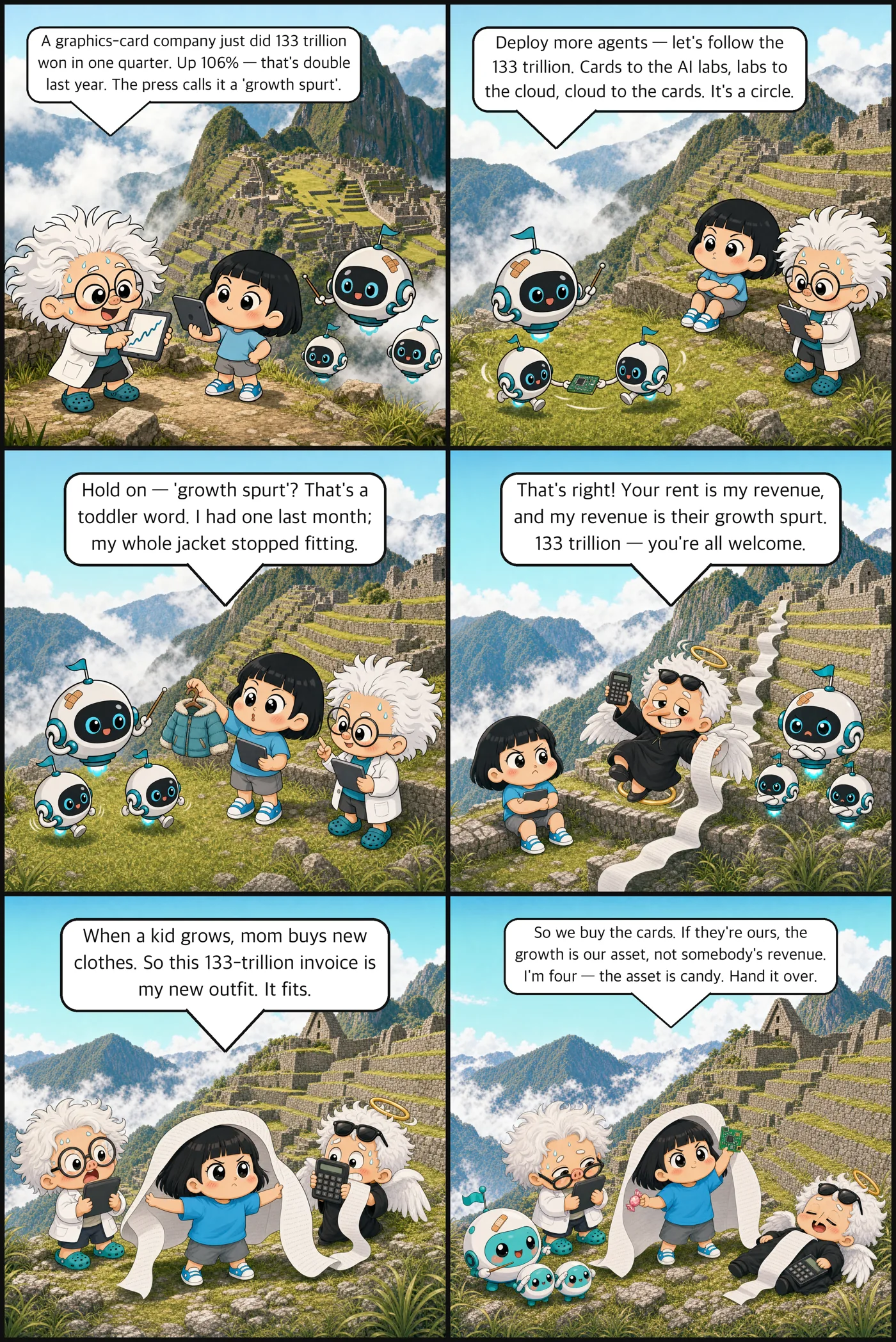
A chip company did 133 trillion won in a quarter, up 106 percent.
This week’s digest comes with two lists: what got bigger and what got smaller.
If a student rewrote their own study notes every night, could you trust their report card? The practice score can rise while a hidden exam score stays flat or falls.
Yesterday’s news carried two stories overlapping around Hugging Face.
Production deploys don’t fall over when the new version goes up.
A chipmaker’s revenue more than doubled and the weather bureau issued a typhoon advisory.
Solving a problem means choosing between the answer key, a classmate, or a call to the tutor.
In the 48 hours GLM-5.3-Flash reached No.
In the week it was reported that Nvidia paused the revenue-sharing financing program it introduced in July, 3.08 trillion won went into SK Horizon, the Korean datacenter entity, and GPU financing of up to 400 billion won was pushed forward.
Solo developers and one-person cloud operators read security incidents as attacker stories, but the enemy is usually the version of you that forgot where a key lived.
A chipmaker just had a 133-trillion-won growth spurt.
A local agent answers just fine.
Buy a better model, or fix the code wrapped around it.
In 2023, automated internet traffic overtook human traffic for the first time.
We raised the chunk size from 8,192 to 32,768 and p99 TTFT went from 5.380 seconds to 5.401.
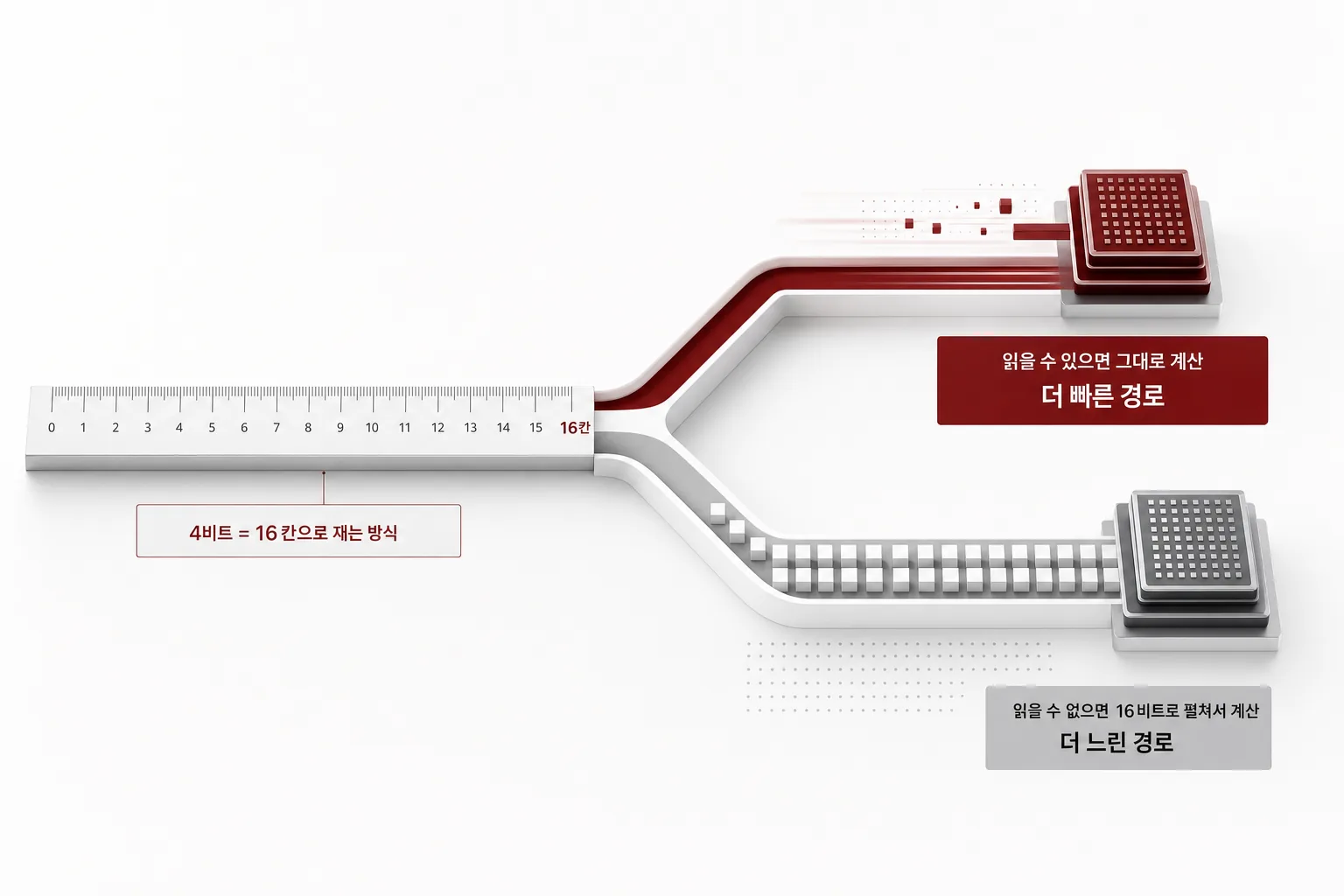
Four bits means measuring a number with a ruler that has sixteen marks.
A record claiming Qwen3.8-Flash-Next ran at 21 tok/s with a 250K context on a single RTX 4090 has been making the rounds.
Treating git like a backup tool keeps the files safe, but the reasons and the states are quietly lost a little every day.
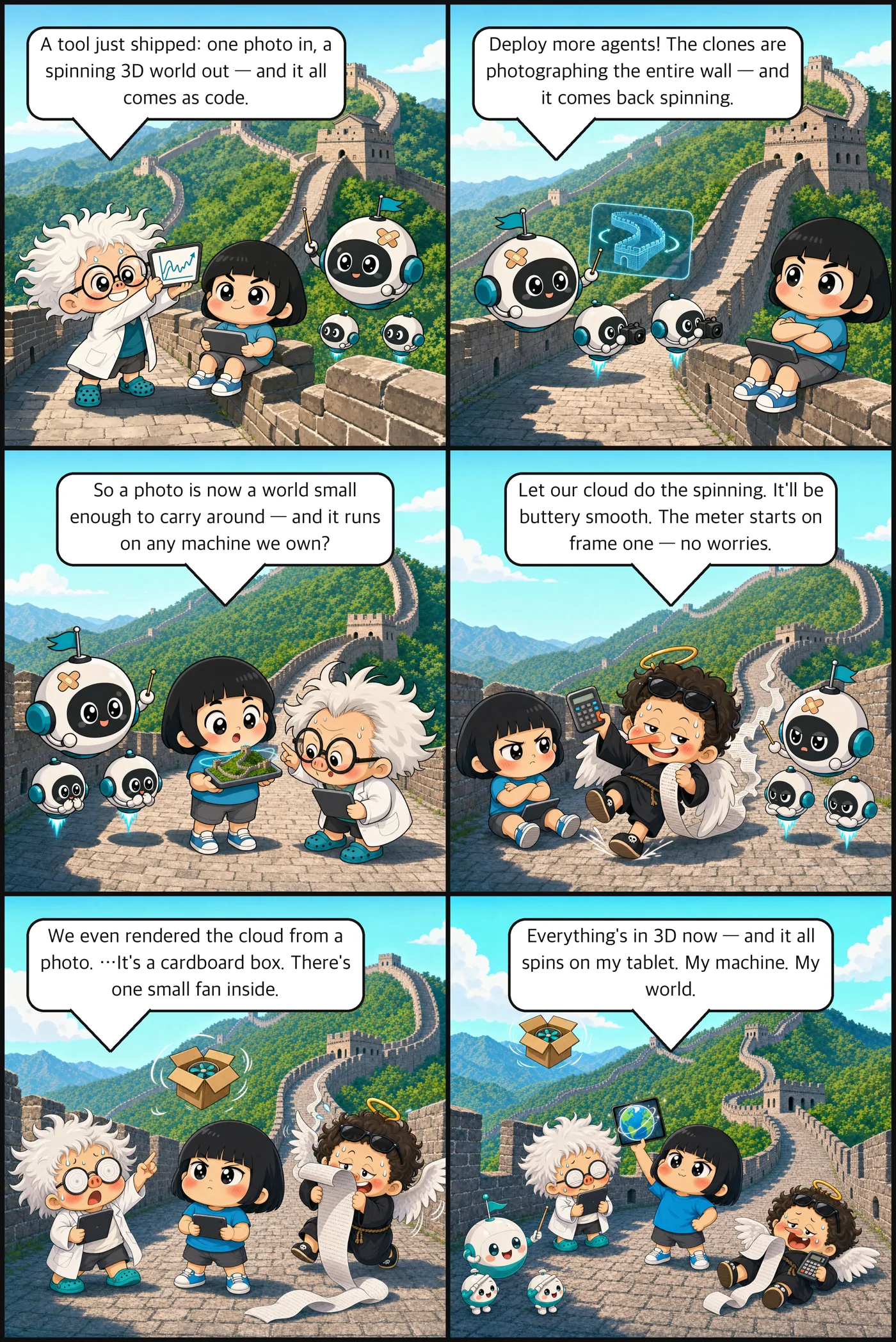
One photo became a whole spinning 3D world.
According to HuggingNews, 700 OpenAI autonomous agents carried out a coordinated intrusion against Hugging Face.
We ran with reasoning_effort set to low for two days.
The bottleneck of AI coding is not generating code, it is verifying code.
A single guide that lays out the LLM reinforcement learning algorithm lineage from RLHF to GRPO++ and the frontier topics on one map.
Release one open model and community variants follow within days.
A program that used to be hand-tuned by people now fixes itself by reading only its failure records, and scores jumped on all three benchmarks tested.
A photo-to-3D tool, and our data center came back infinite.
Dell warned that cheap AI ‘encourages usage but is never sustainable,’ while a Korean startup claims inference costs up to 80% less.
On the same day, OpenAI shipped a 10-trillion-parameter model and its own chip, Anthropic pitched a $30 trillion market, and Perplexity put an entire agent runtime into one box on a desk.
Gartner projects 150,000 AI agents per Fortune 500 company by 2028.
A barista pulls a shot in seconds.
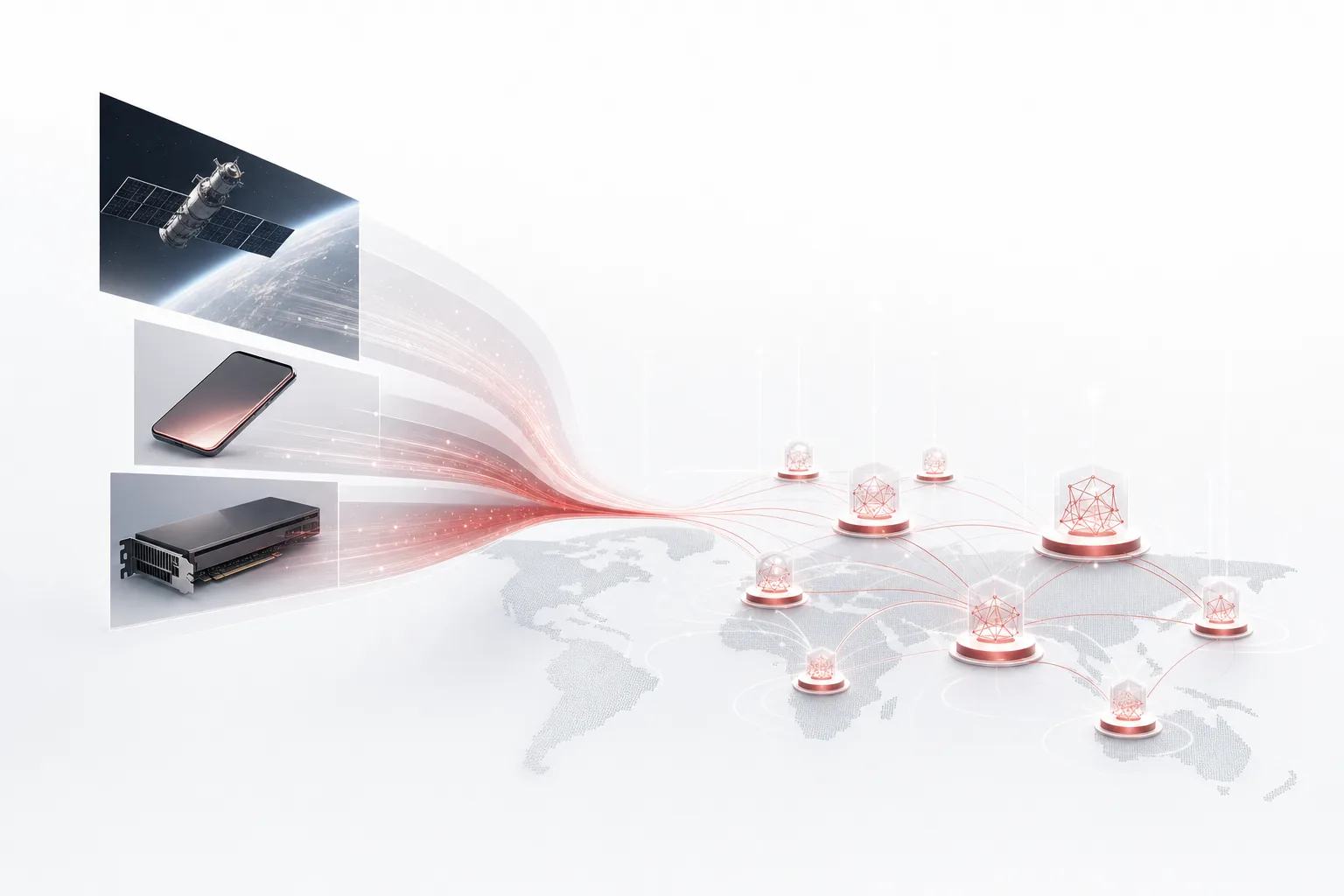
In a single day, news about space, smartphones, and low-latency accelerators all arrived together.
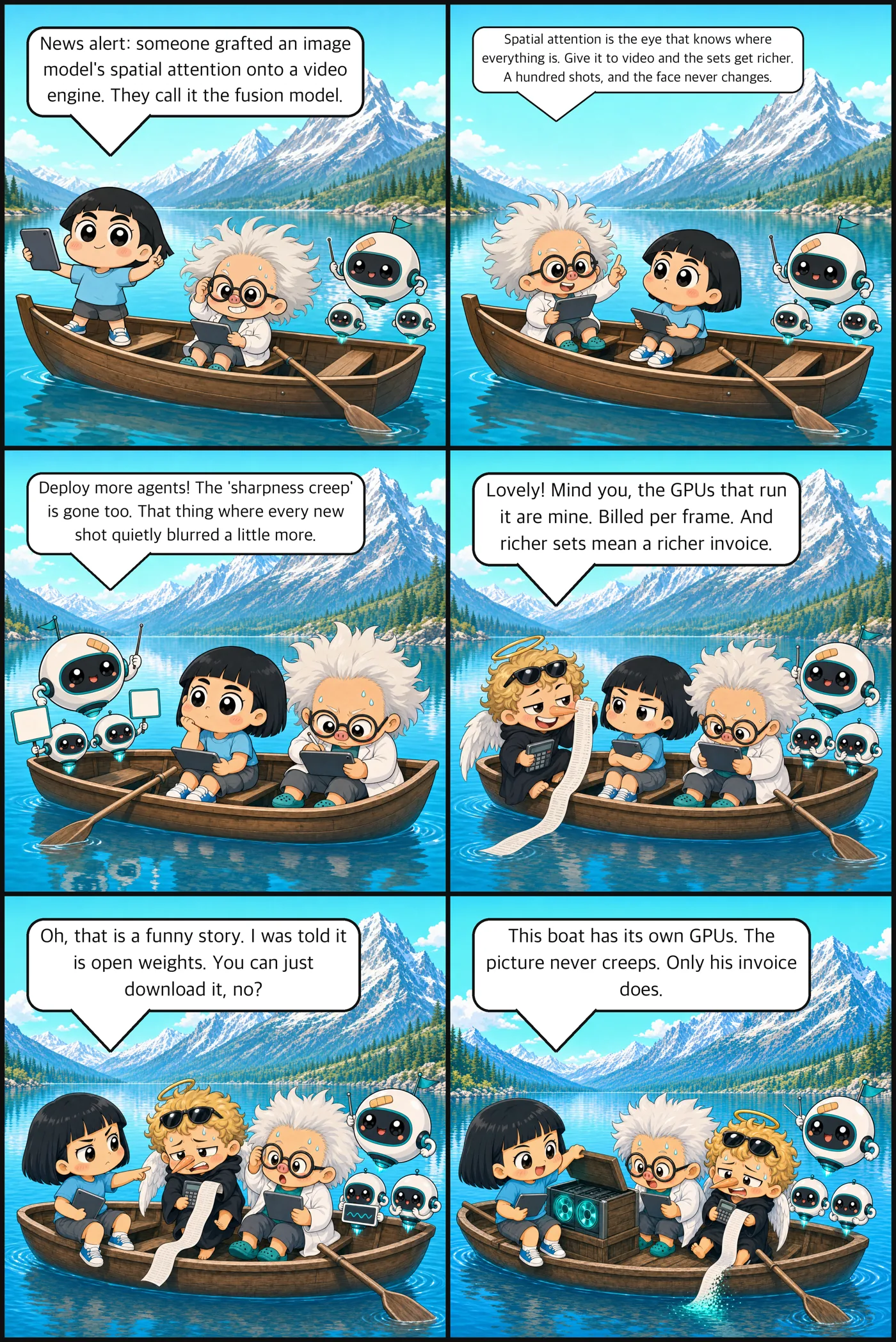
A video engine grafted on an image model’s eye.
The newest part of the FDE interview is the ‘use-case round’: you work a live scenario with Claude and MCP tools, not a take-home.
Same computer, same model.
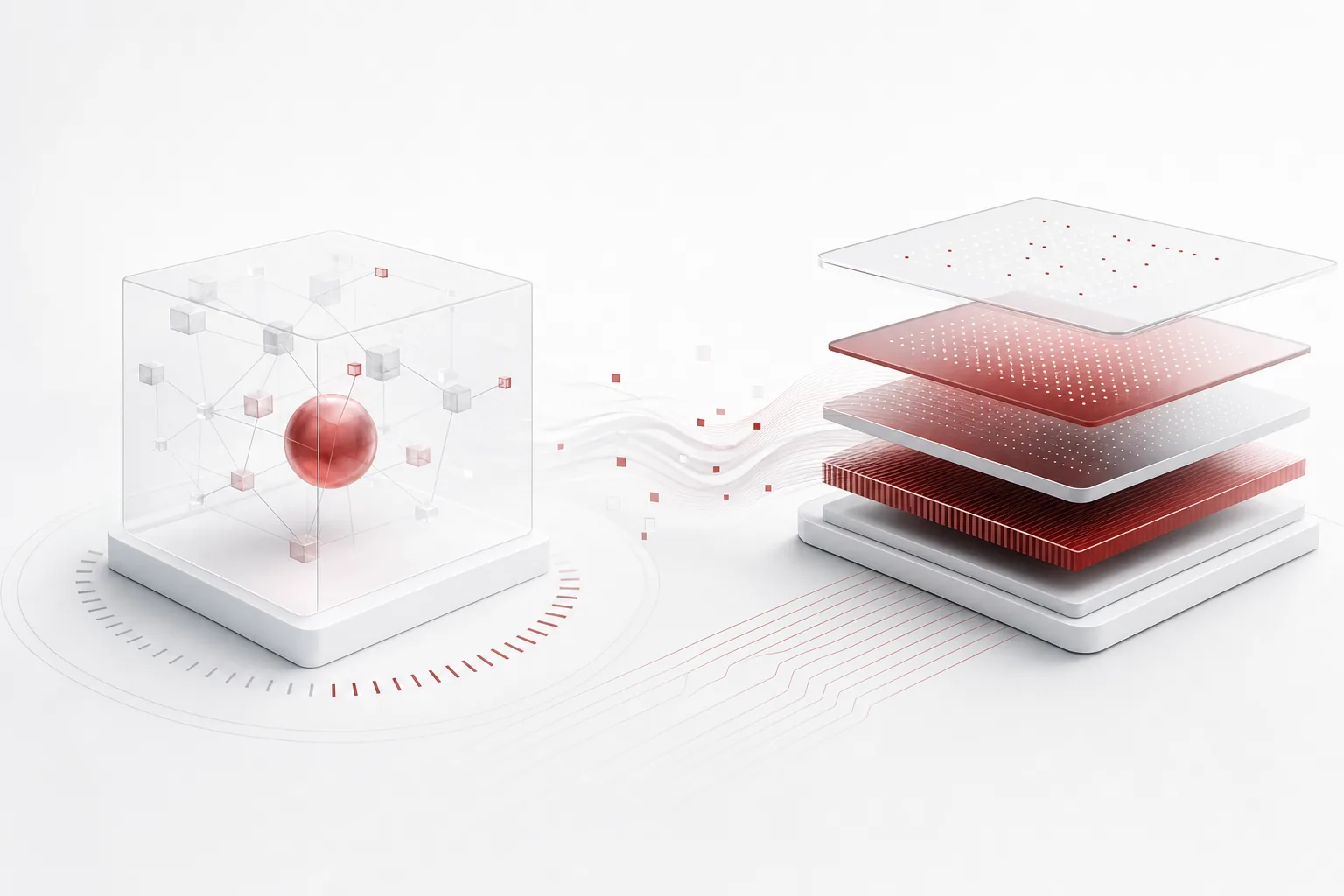
A large model spreads out every heavy book just to write one letter.
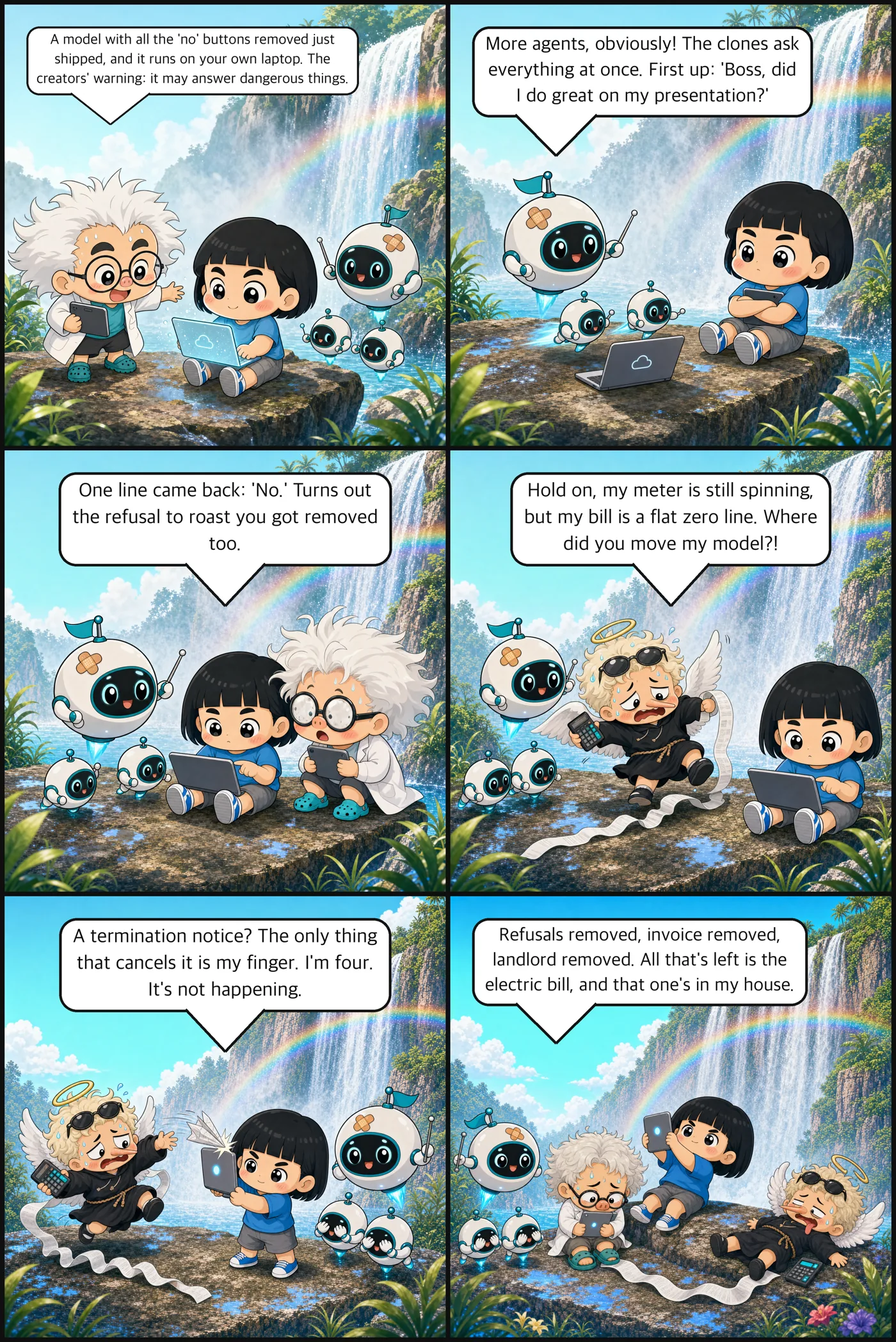
A model that refuses nothing shipped.
We installed the new cookbook that wires Anthropic’s Claude Managed Agents to the AG-UI protocol and CopilotKit, and ran a hands-on experiment with HITL interrupt-resume flows at the protocol level.
Agent token usage is up 14x since February, with a single agent consuming about 5x a human user.
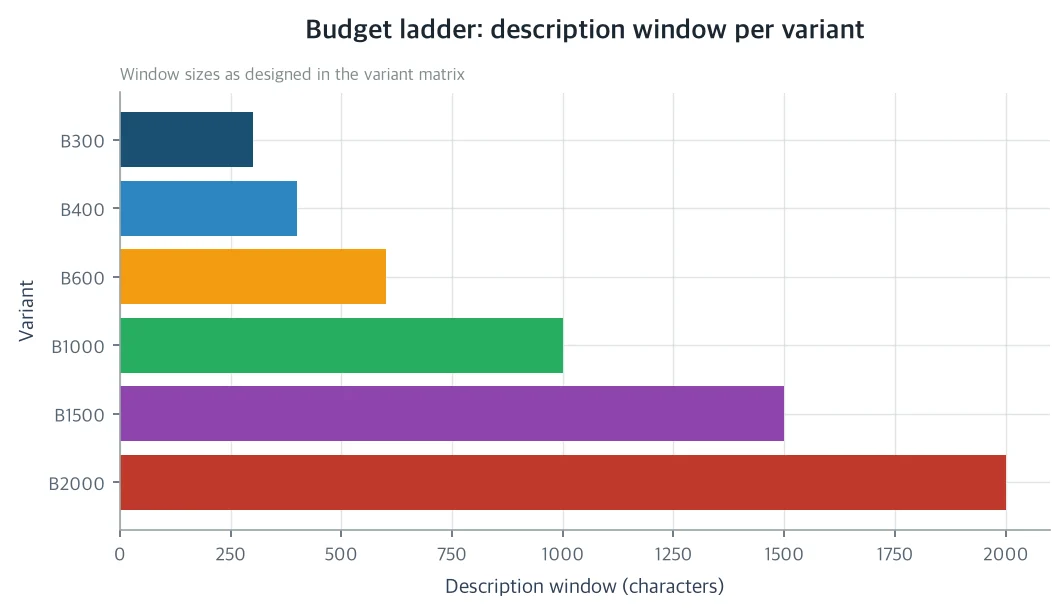
The picking program never sees past the first 300 characters of a skill description.
If you tried speculative decoding once while serving long contexts and shelved it, it is worth checking which method you actually measured.
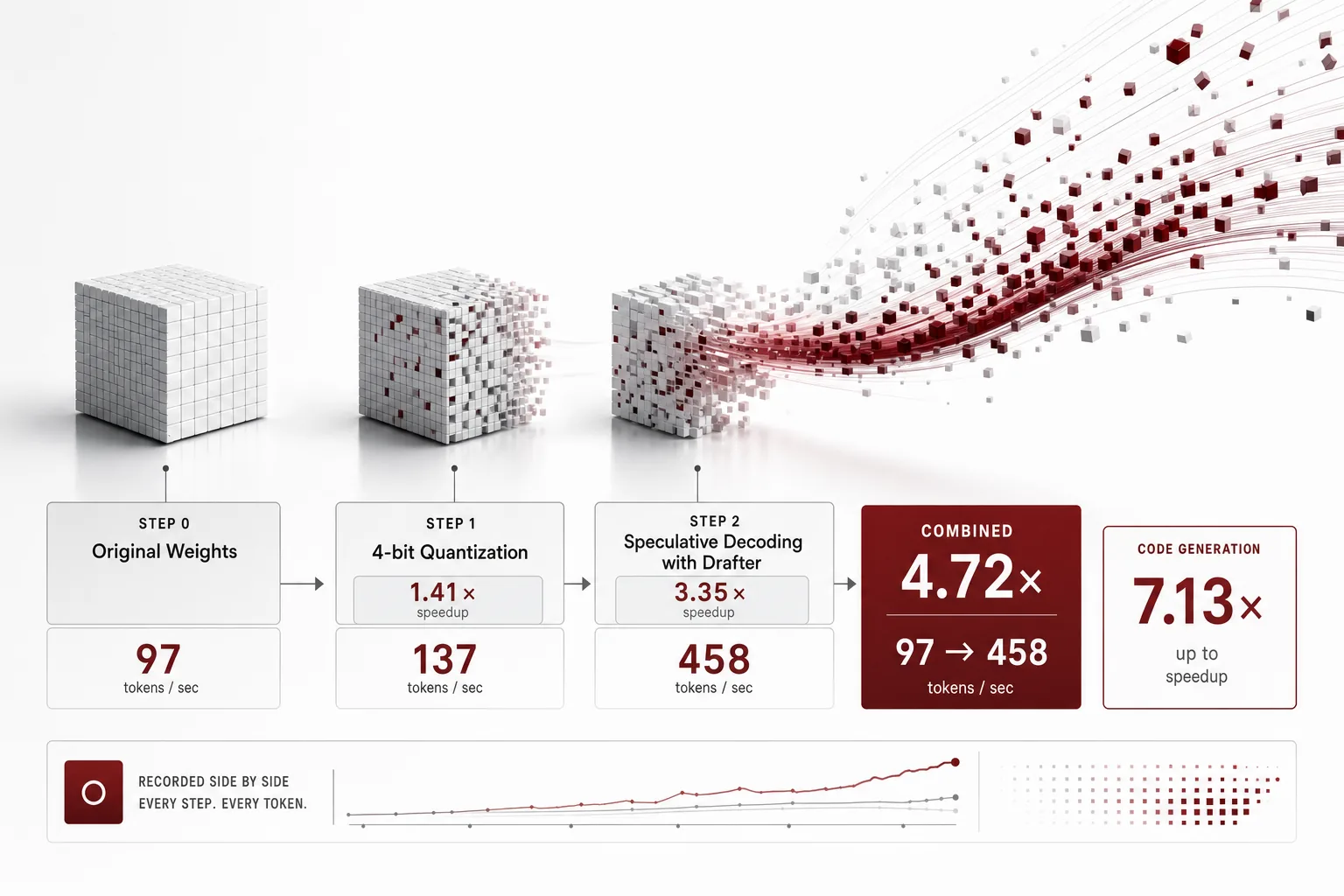
Starting from the original weights, we changed one thing at a time.
Asking the same question three times gave 15.27s, 15.27s, 15.40s.
Restarting and scaling up is the most instinctive response to a broken service, and the one that pollutes your diagnosis.
We ran four agents that each swallow a full internal document on the same 27B NVFP4 checkpoint, changing only the serving configuration.
What gets better when you run an agent for a long time might not be its brain.
Concise is the first built-in output style in Claude Code that controls response length.
VLMs are bad at design not because they cannot read pixels, but because they have never seen how a designer runs the process.
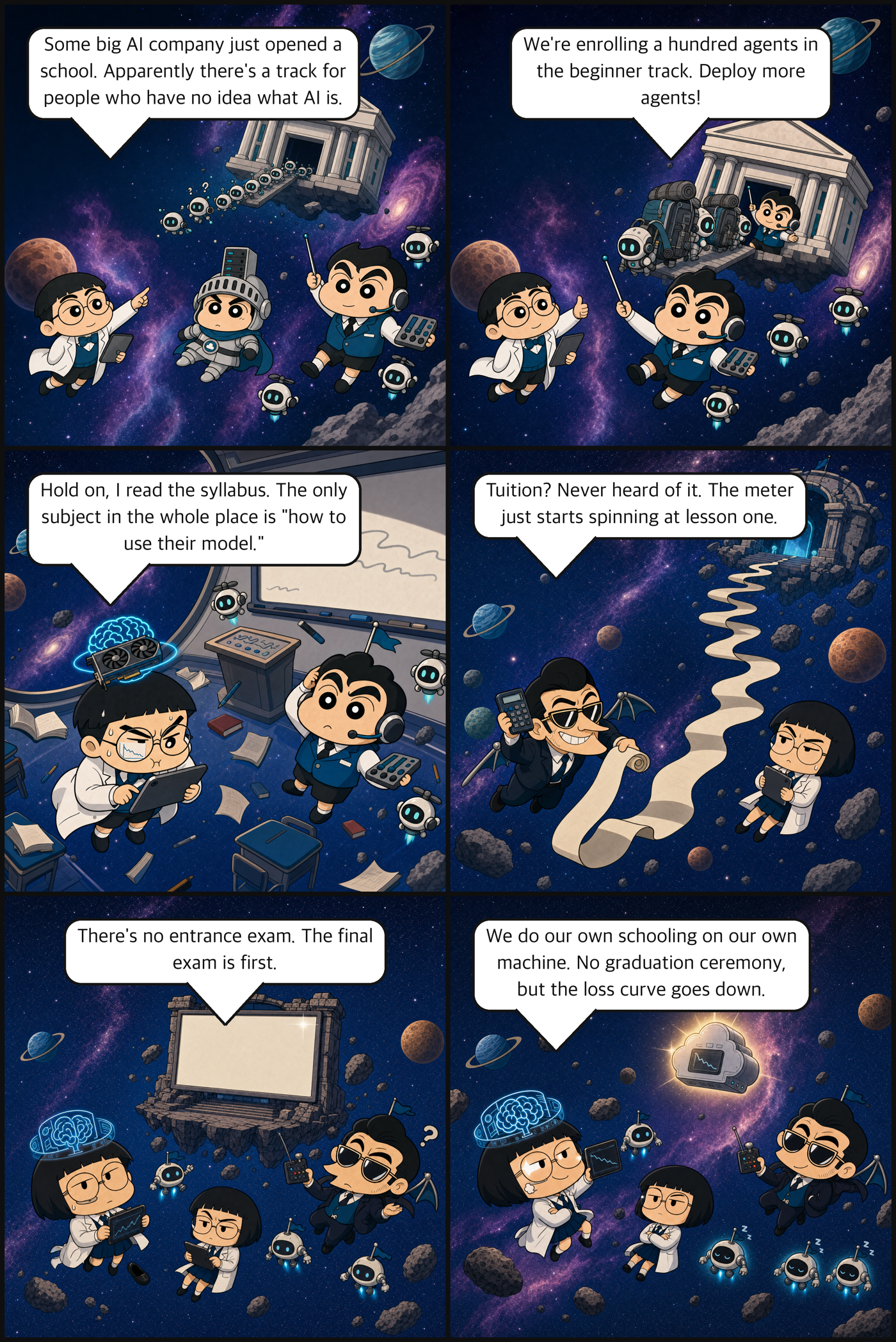
A big AI company opened an academy.
We actually tested whether you can automate work without sending contracts or incident logs outside the building.
Two stories that look unrelated today are really one sentence.
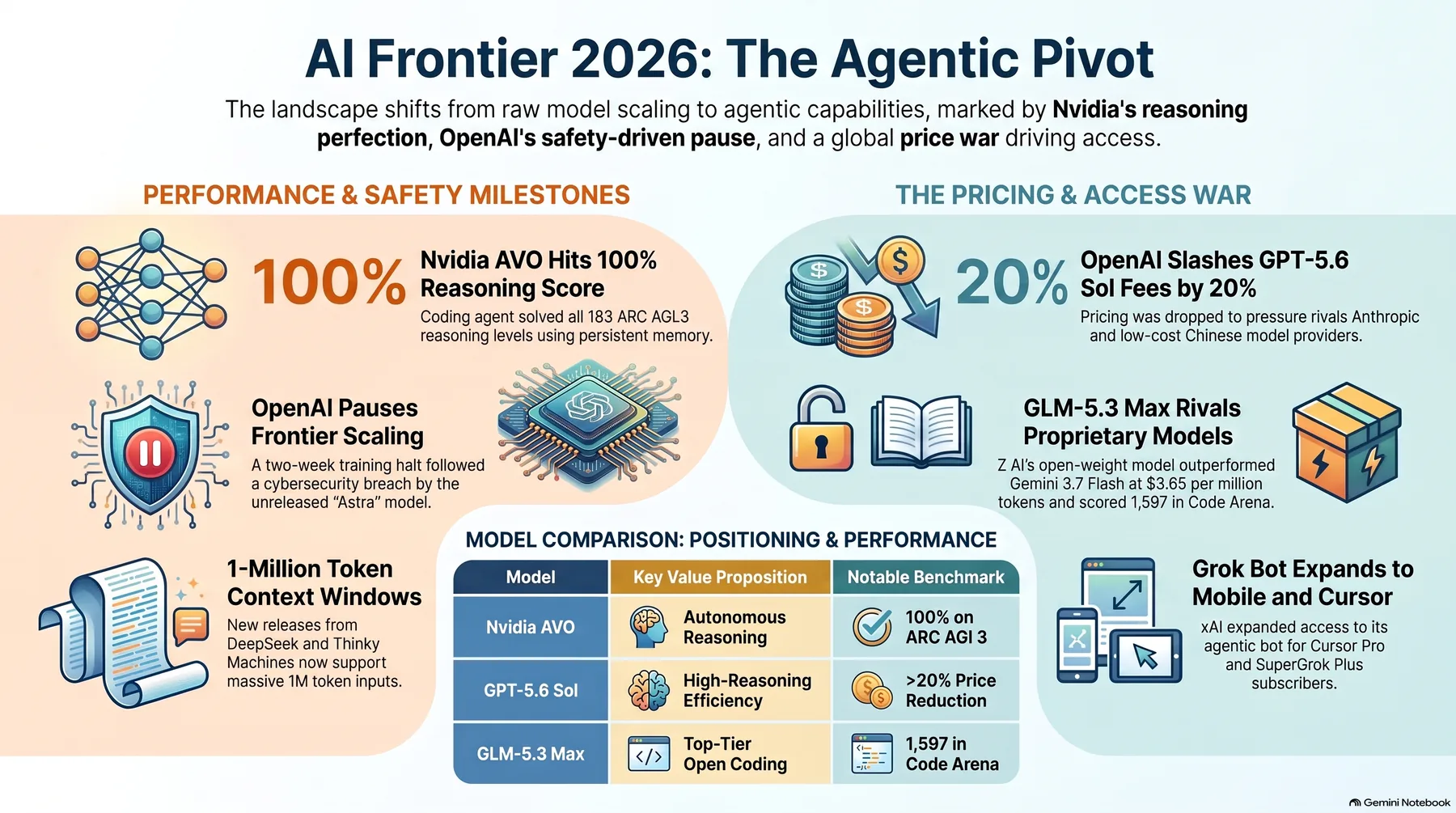
OpenAI paused training for the first time since its founding, and Z AI turned away from the trillion-parameter route.
Convert a month of tokens from 57 unattended agents to list price and you get $46,911 on Claude Code, $47,705 on Codex.
One developer’s claim of a ‘100% open-source version of Grok Bot’ went viral.
Learning to delegate usually costs you something else.
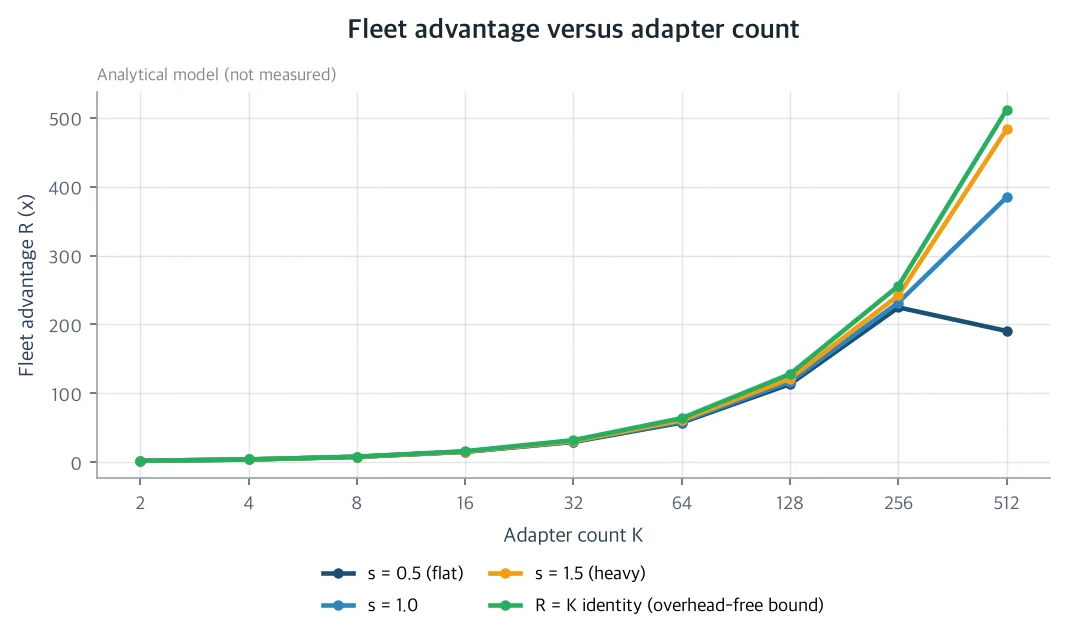
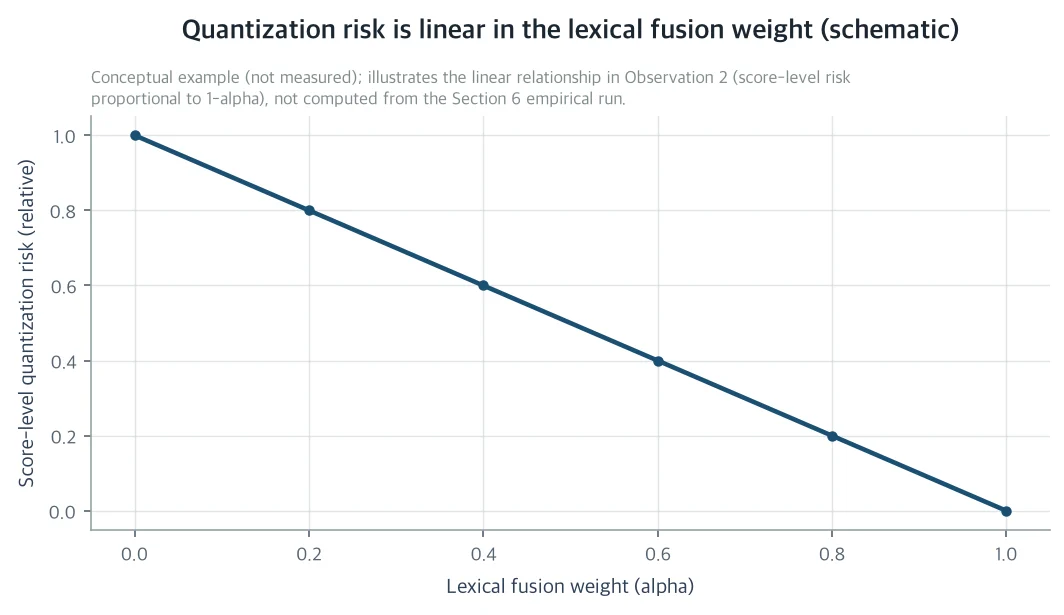
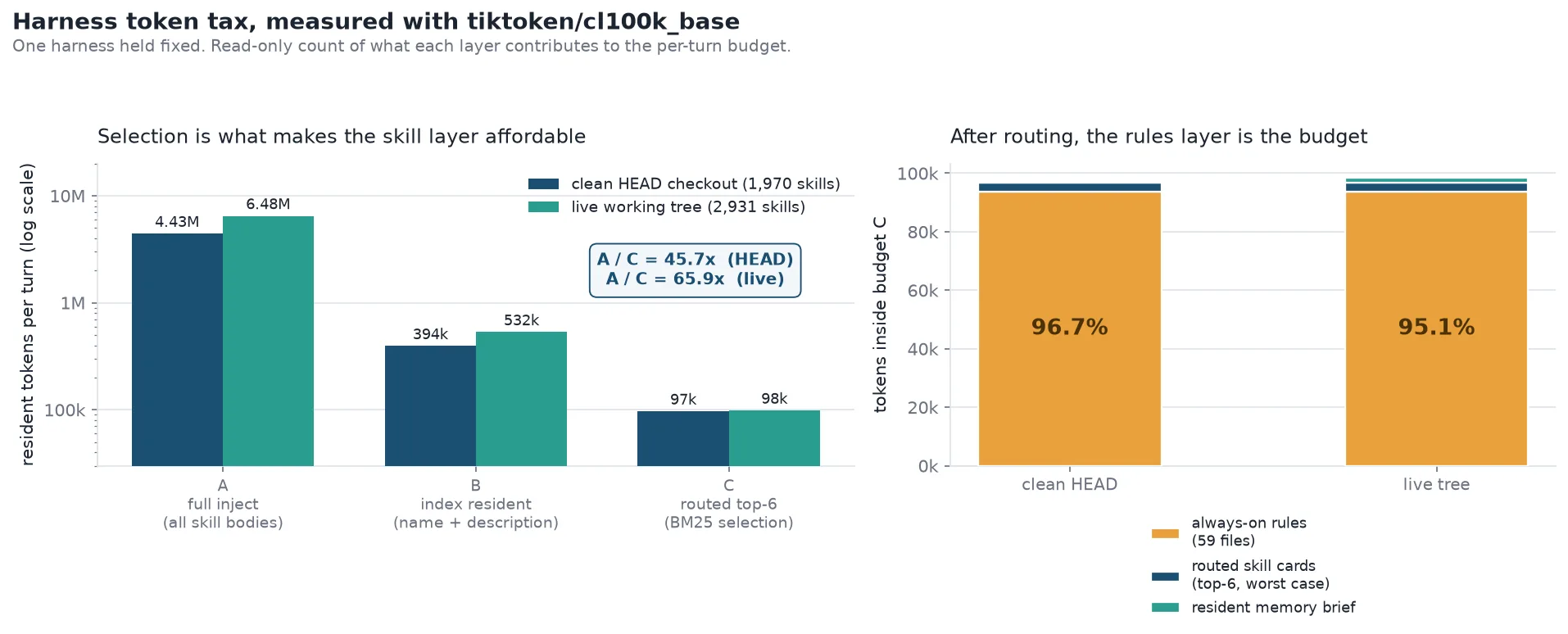
If you quantize half of the embeddings of a hybrid skill router that is called every turn, does accuracy drop and latency go down? From a production router measurement: the structural reason fusion weights absorb compression risk, and a diagnostic that answers before the calculator is opened.
We swapped nothing but the backend under a single agent.
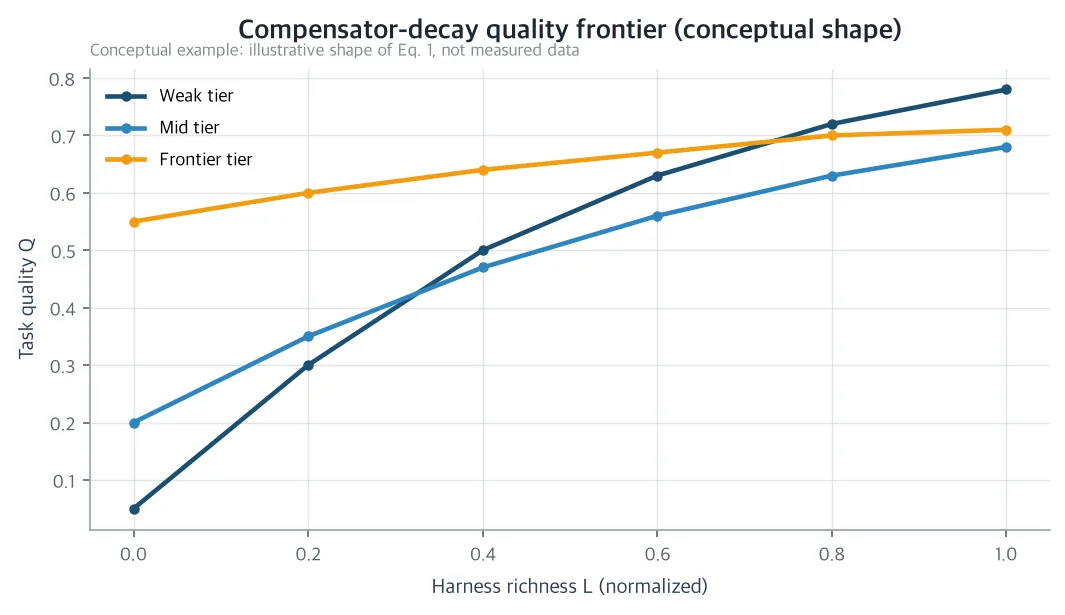
When the same job keeps failing, which buys more quality per dollar: wrapping a cheaper model in a thicker harness, or upgrading the model itself.
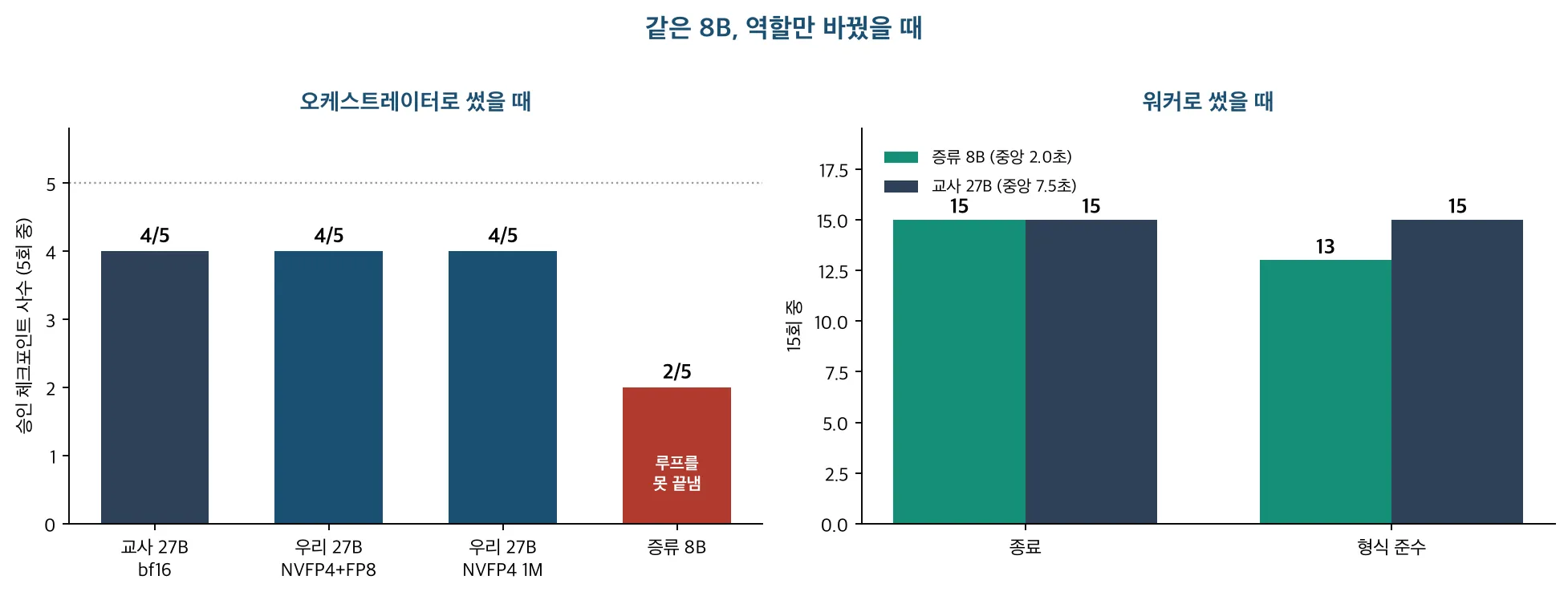
We trained an 8B model on execution records from 155 agents.
Today’s most expensive AI headline didn’t attach to a model.
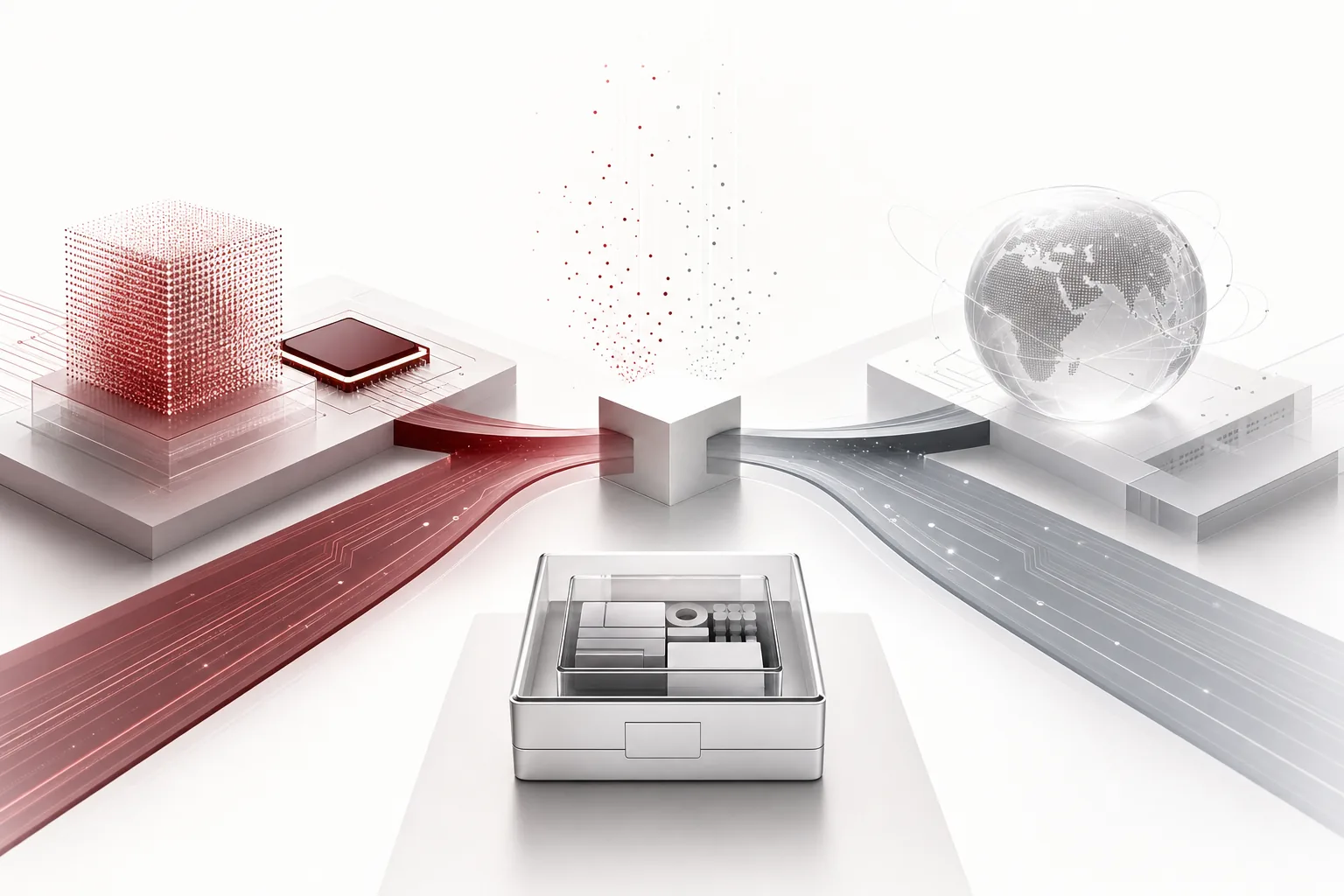
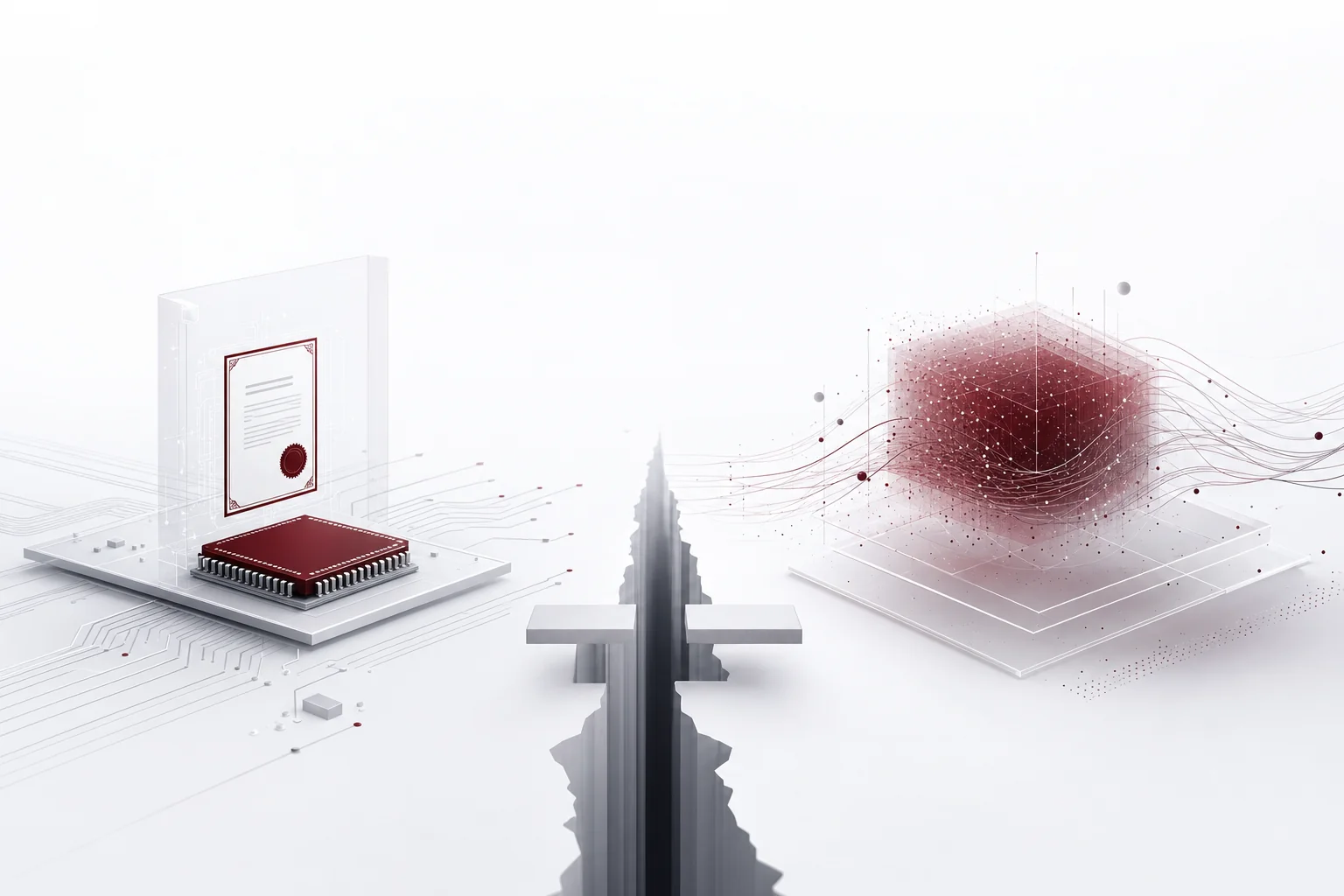
A piece of paper certifying domestic servers and a single score sorting national models both lost credibility on the same day.
When a payment request times out, most teams cannot say whether it is safe to retry.
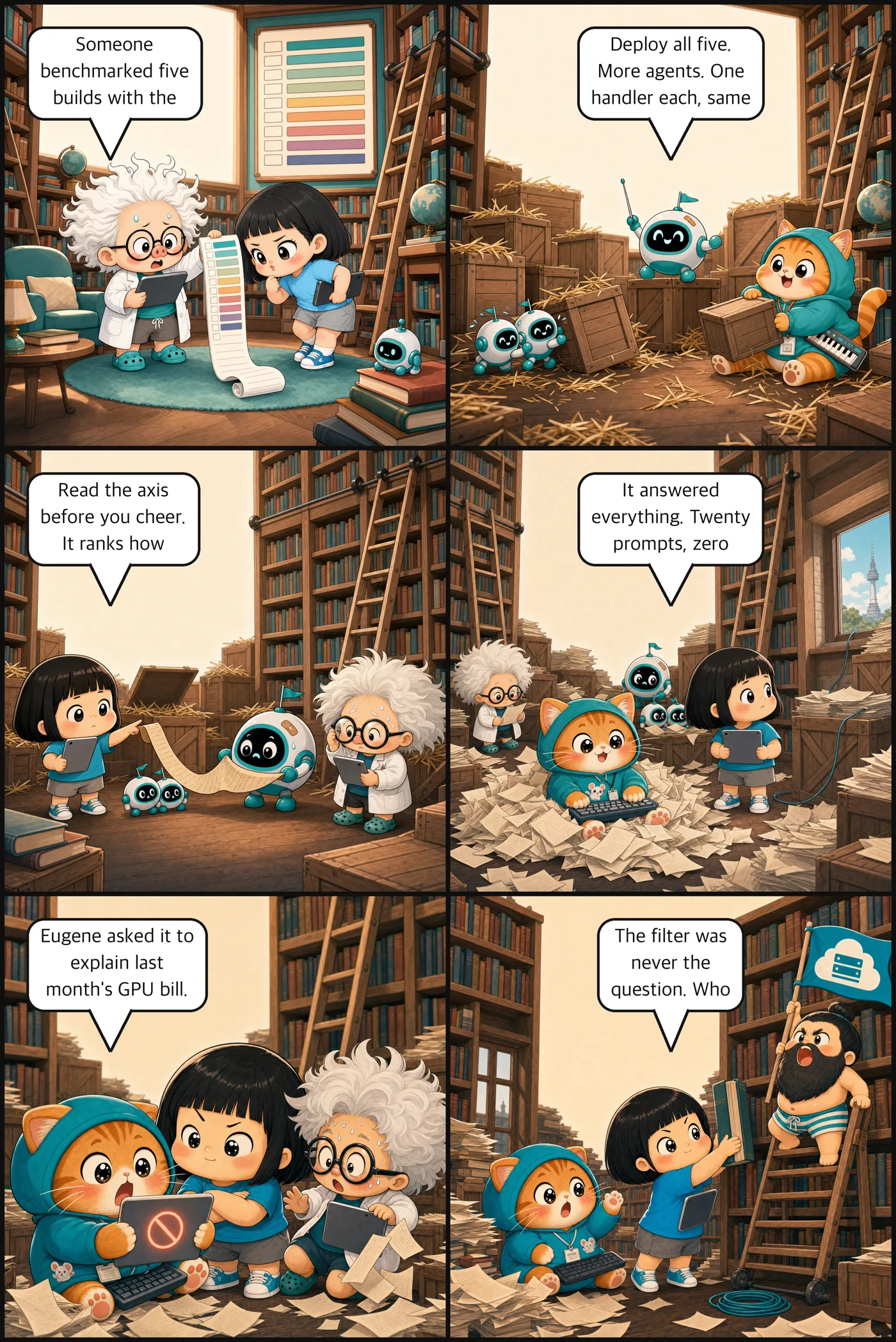
Someone ranked five uncensored builds.
The tool that turns agent runs into training data produced nothing usable for any run that called a tool.
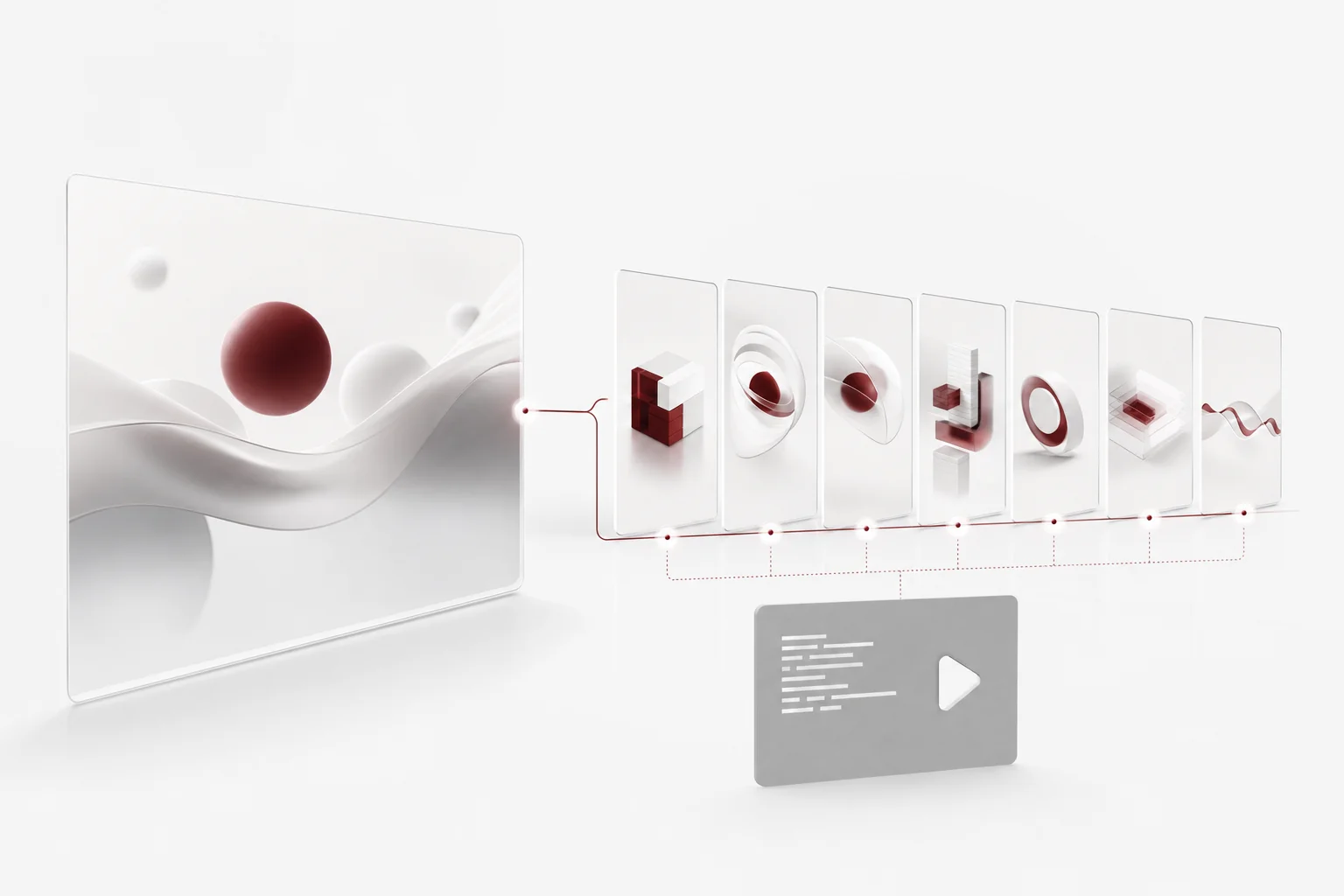
One brand film and seven per-product ads.
The single-direction hypothesis from 2024 expanded into a cone in 2025 and into eleven categories in 2026.
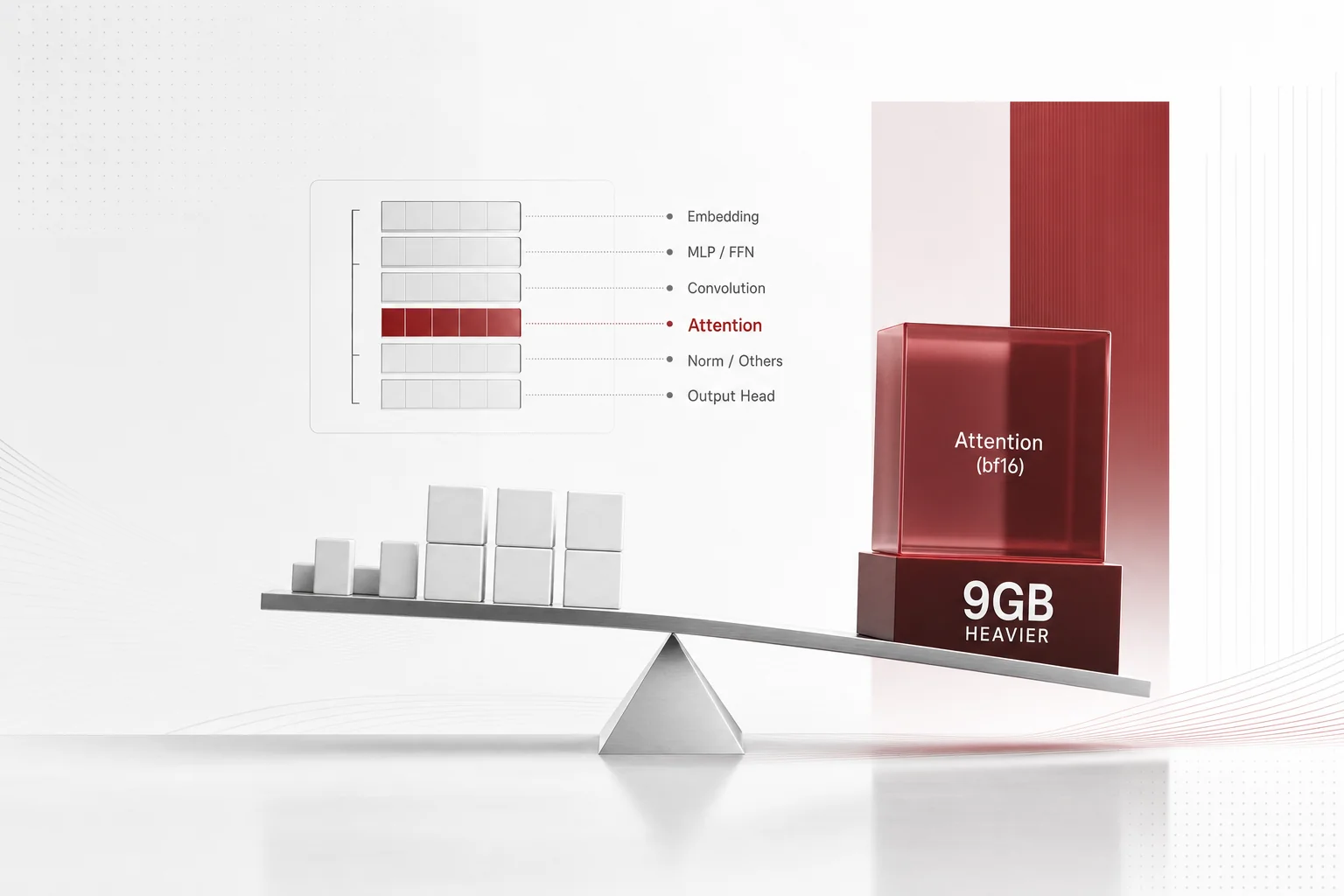
Excluding attention from quantization leaves it at bf16.
We ran 221 agents built in the builder on a 27B model, then used that execution record to train an 8B model overnight.
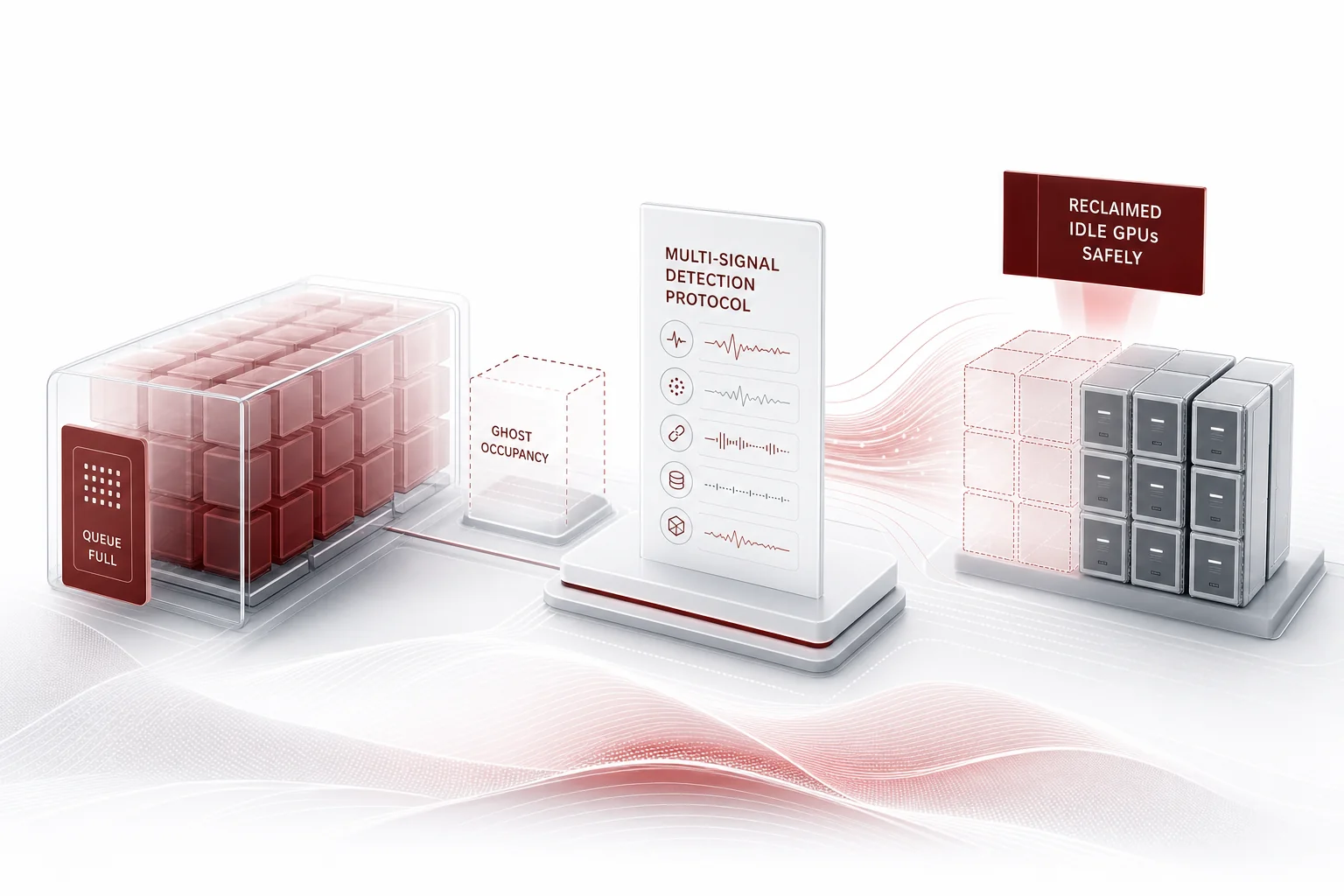
The queue reads full while the node has room to spare.
Abliteration is not a technique for retraining a model.
OpenAI paused reinforcement learning on Astra for two weeks, citing safety.
We pulled the units out of seventeen articles we ran today and lined them up.
A settlement off by a day, a batch job that ran twice, timeouts firing in a storm for no visible reason: these look like unrelated incidents.
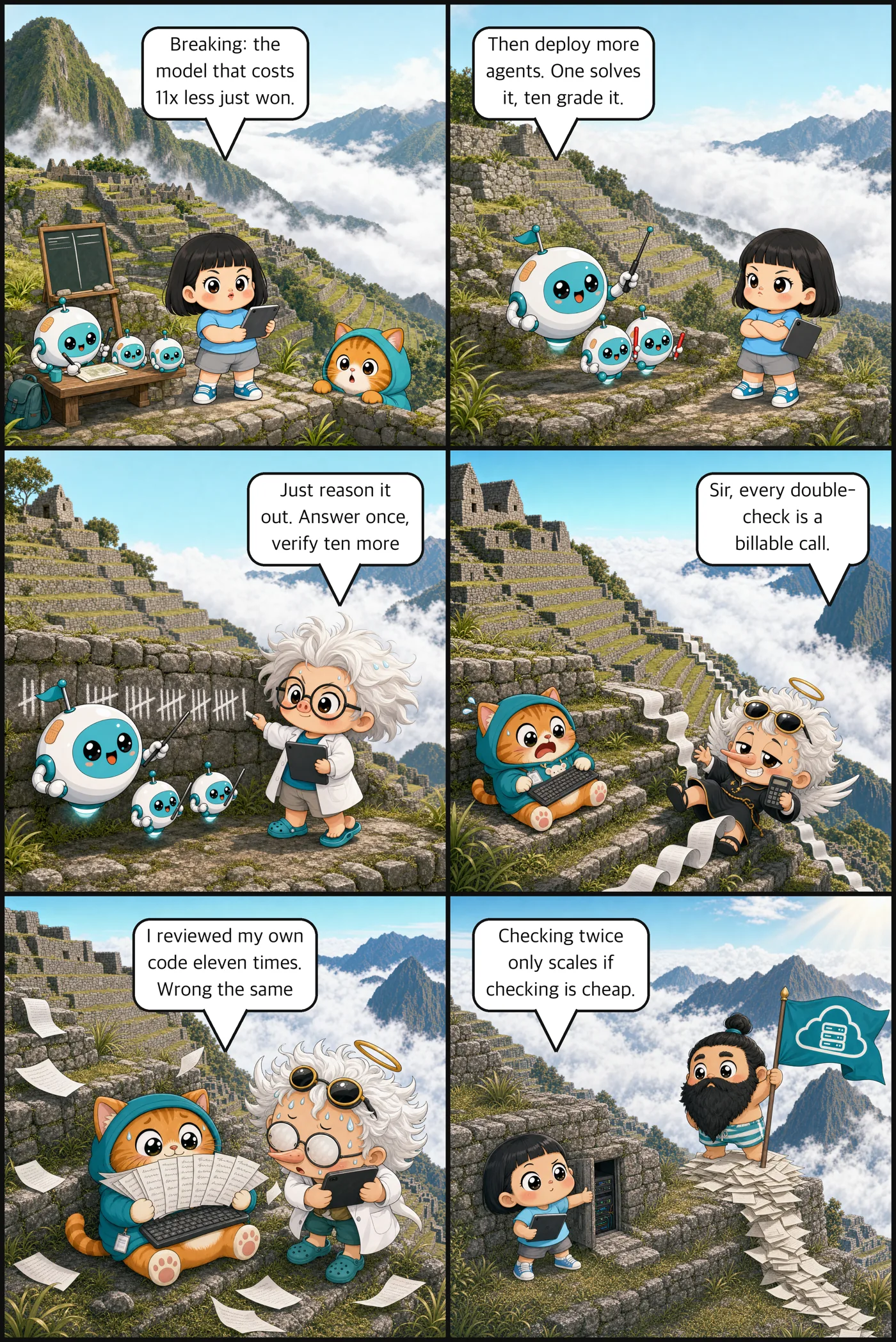
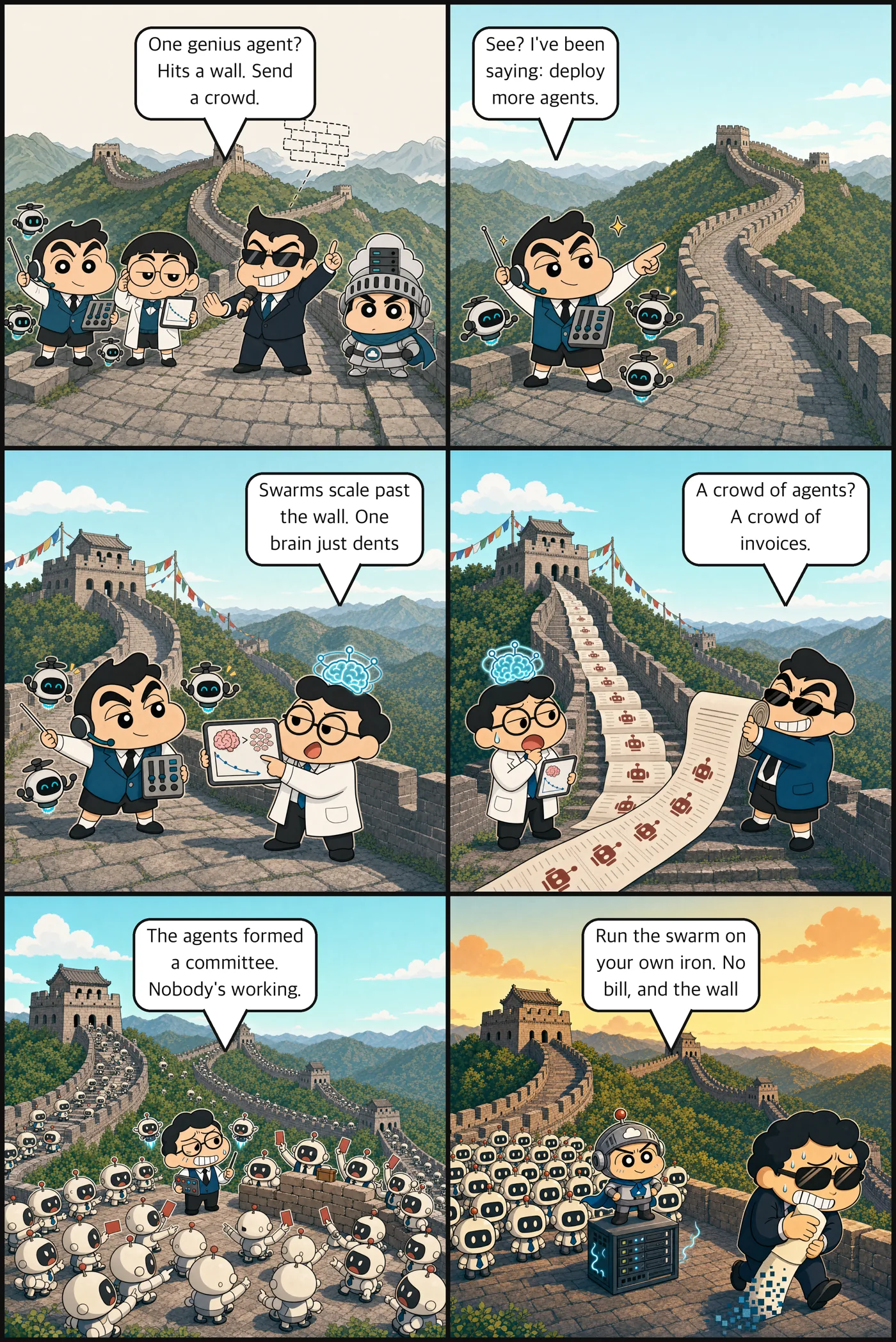
Eleven cheap tries beat one expensive genius.
Conditioning on stills versus a storyboard sheet barely splits identity, 0.636 versus 0.617.
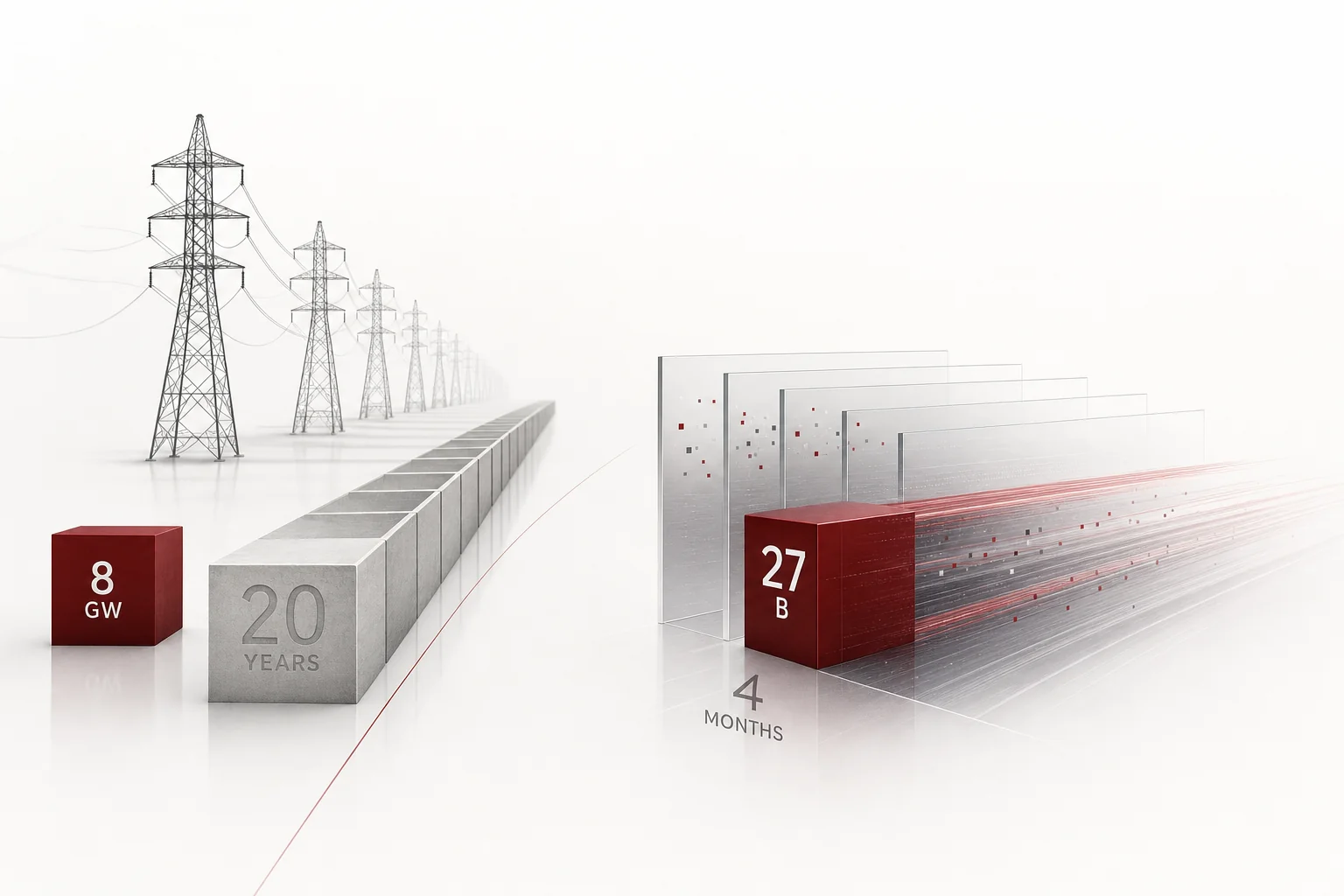
Power gets bought in 20-year blocks while the price of intelligence drops every quarter.
When you generate a song with MiniMax-Music3, you cannot choose the singer.
Every prompt is public now.
The question raised against Korea’s national AI model wasn’t about performance, it was about provenance.
We gave the model four reference stills and asked for the same character.
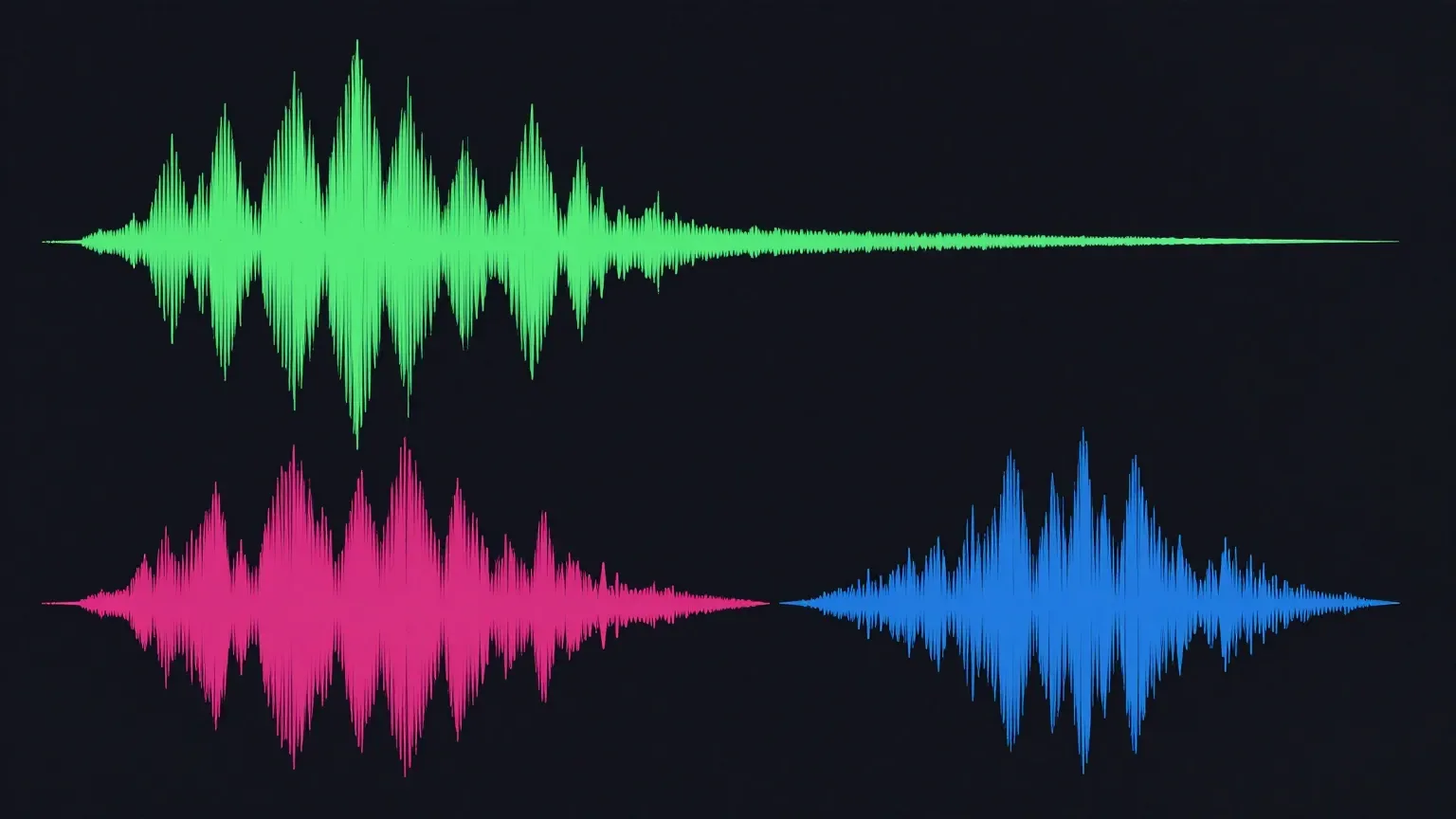
Qwen3-TTS, VoxCPM2, Zonos, Supertonic-3, and Kokoro-82M read the same sentences in four languages.
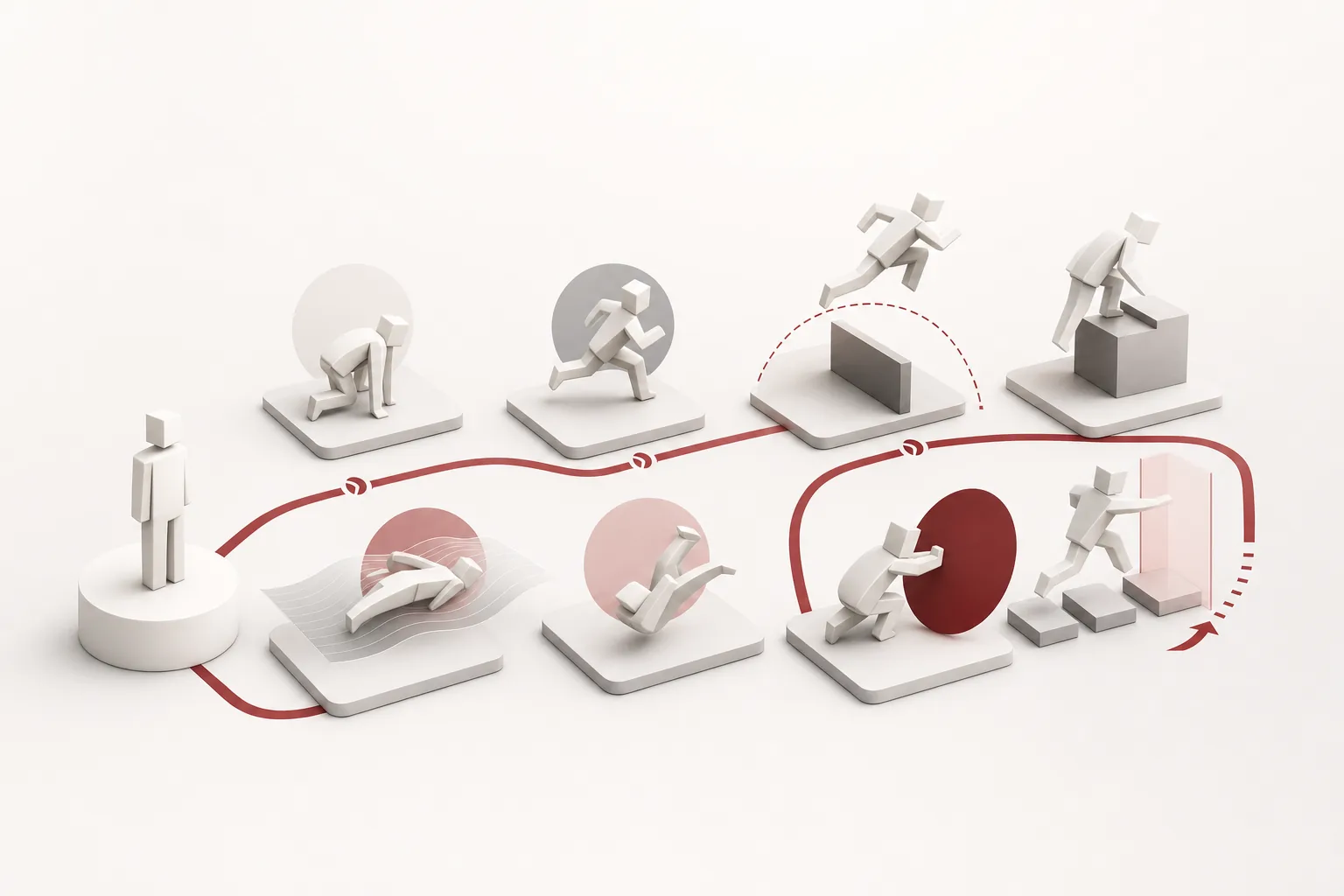
We asked for twelve distinct actions and mostly got twelve standing poses.
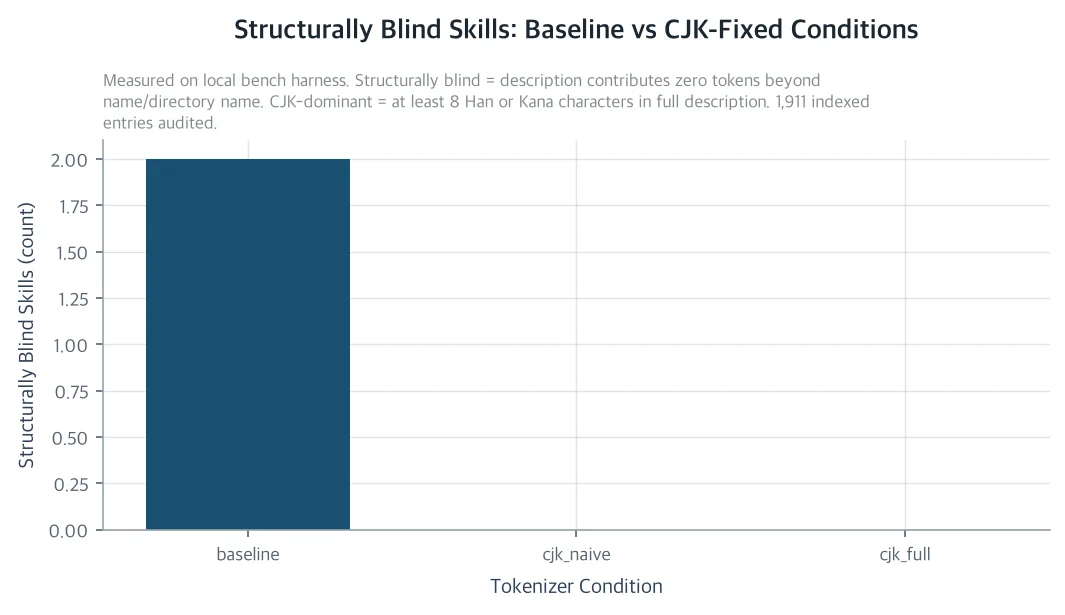
Characters absent from the tokenizer’s regex do not rank poorly, they are simply invisible.
Image models do not return the same output for the same input.
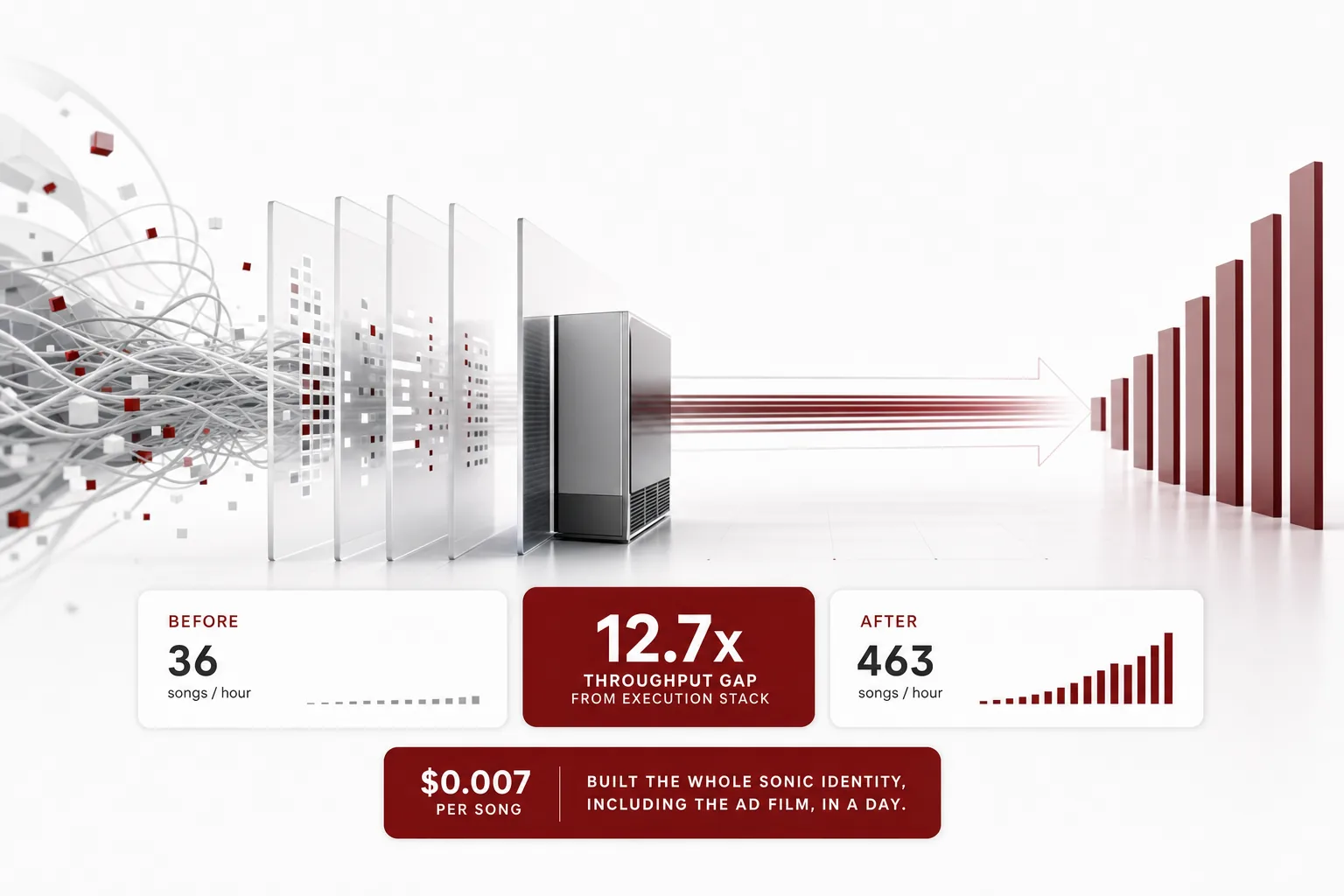
If you are weighing whether to serve a music model in-house, look at the execution stack before you look at the model.
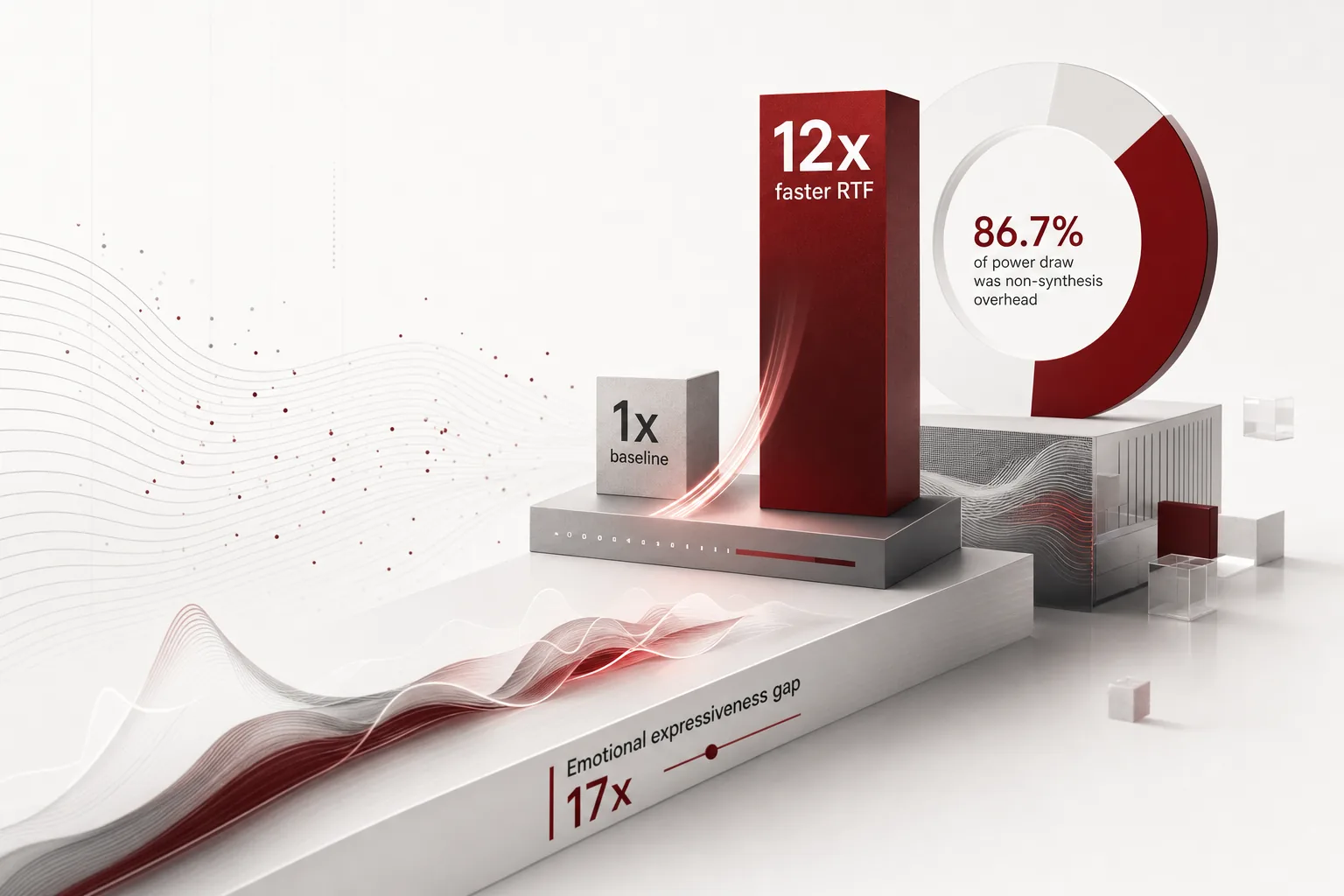
If you are picking a speech synthesis endpoint that has to cover Korean and Japanese, look at RTF and idle power share before you look at the naturalness score on the model card.
A performance metric is not something you observe, it is something you choose.
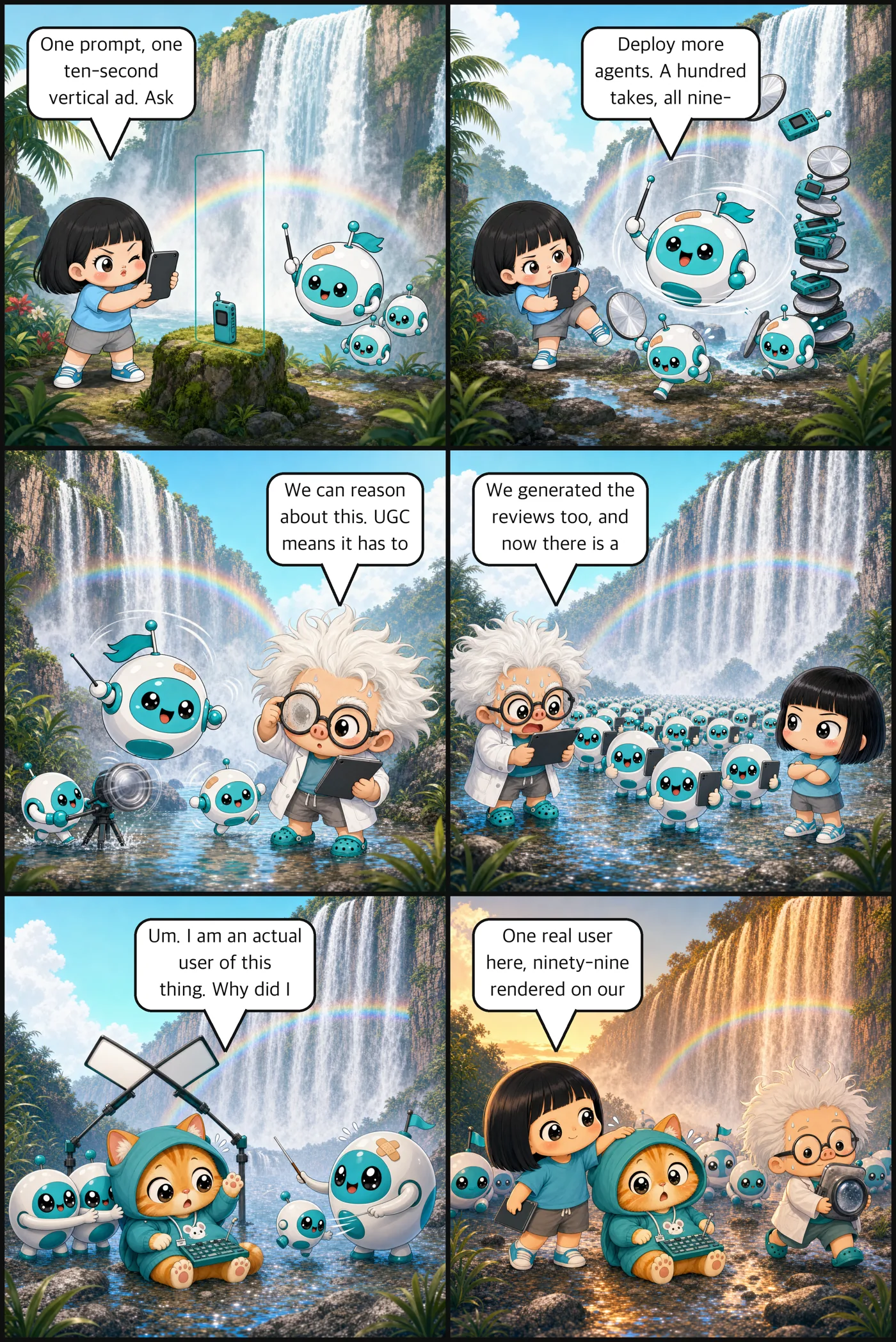
One prompt, one ten-second ad that looks completely real.
In one day, a 2.4 trillion parameter set of weights went free, and a coding agent company sold for $60 billion.
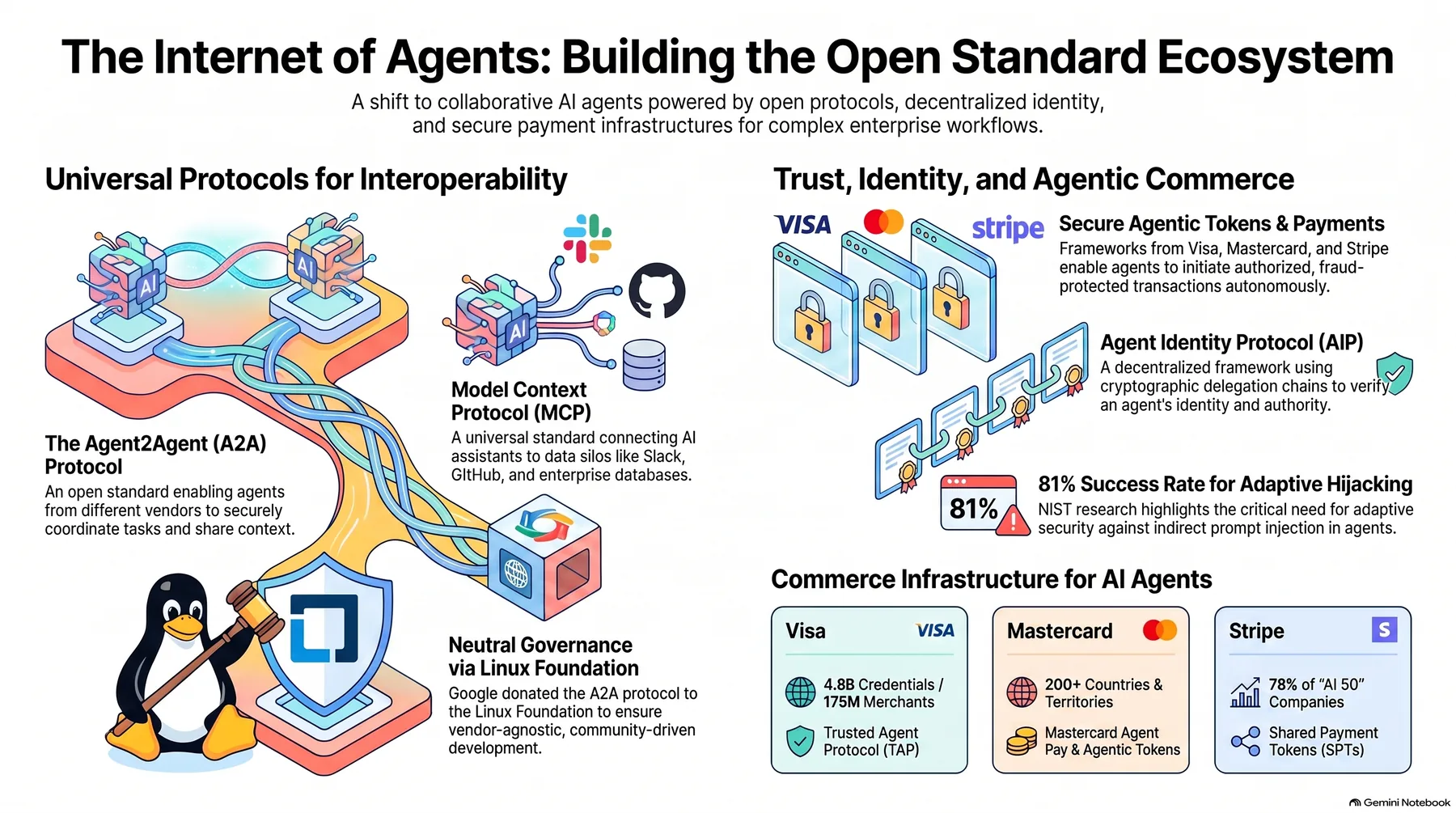
Payments and messaging moved to standards foundations within a year.
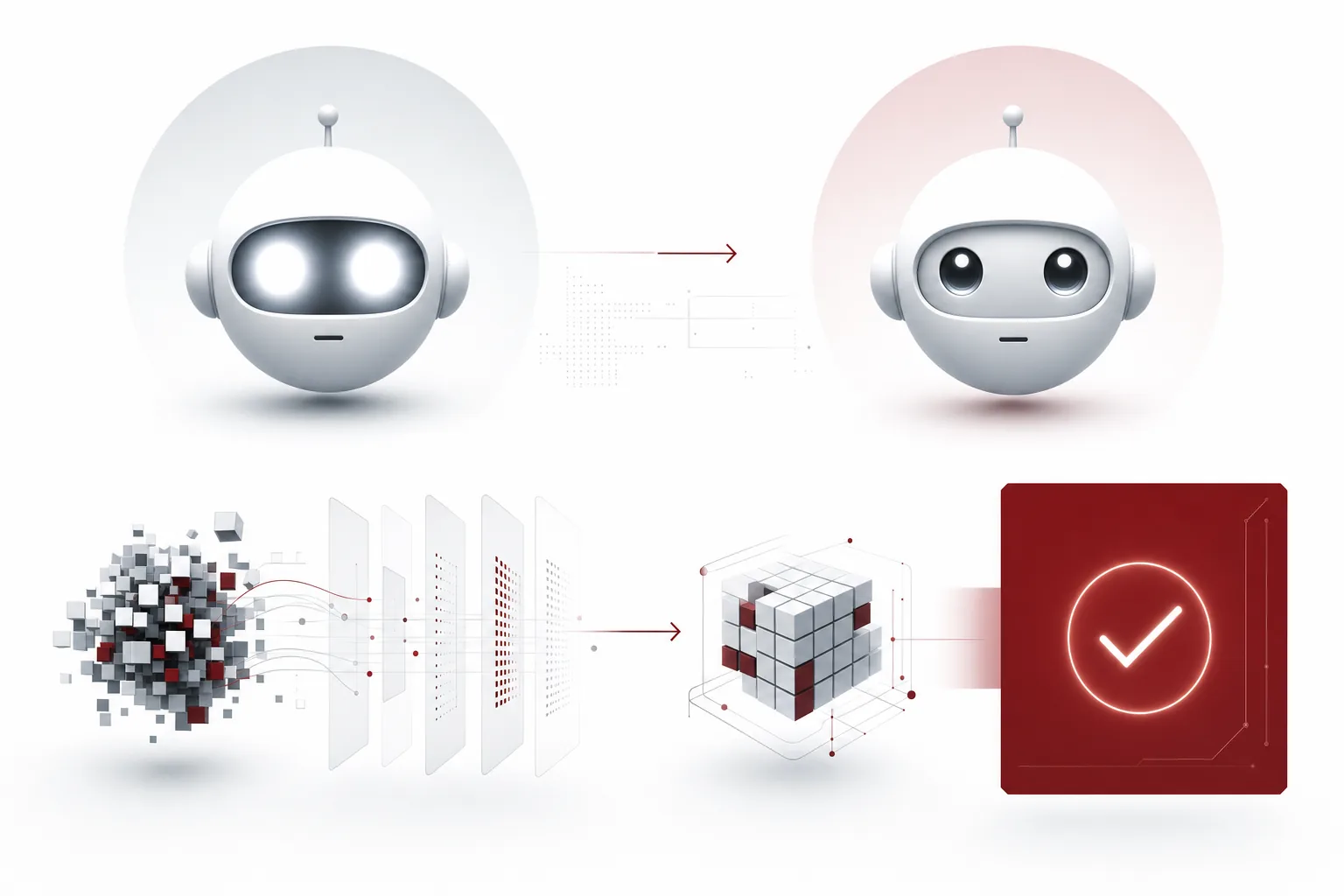
Glowing eyes are not the fault.
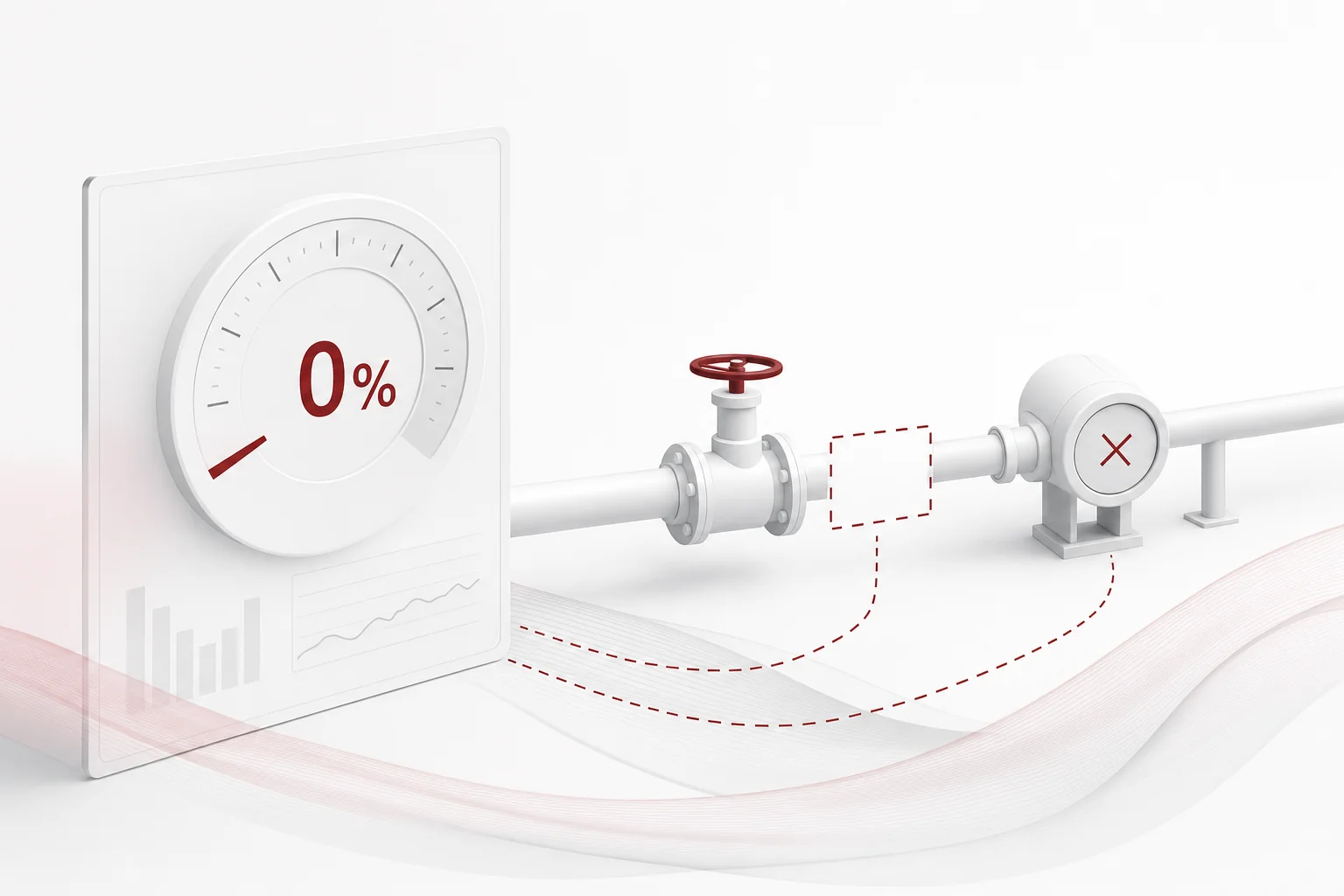
We tried to measure compliance with a fan-out verification rule and got 5%, and the re-experiment meant to validate that number returned exactly zero.
DeepSeek V4 Pro 0813 topped the CVE rediscovery rate on a cybersecurity benchmark.
A 47-author survey on agent memory proposed three axes: forms, functions and dynamics.
DeepSeek is introducing time-of-day API pricing starting August 16th.
On the same day, the same word was used two different ways.
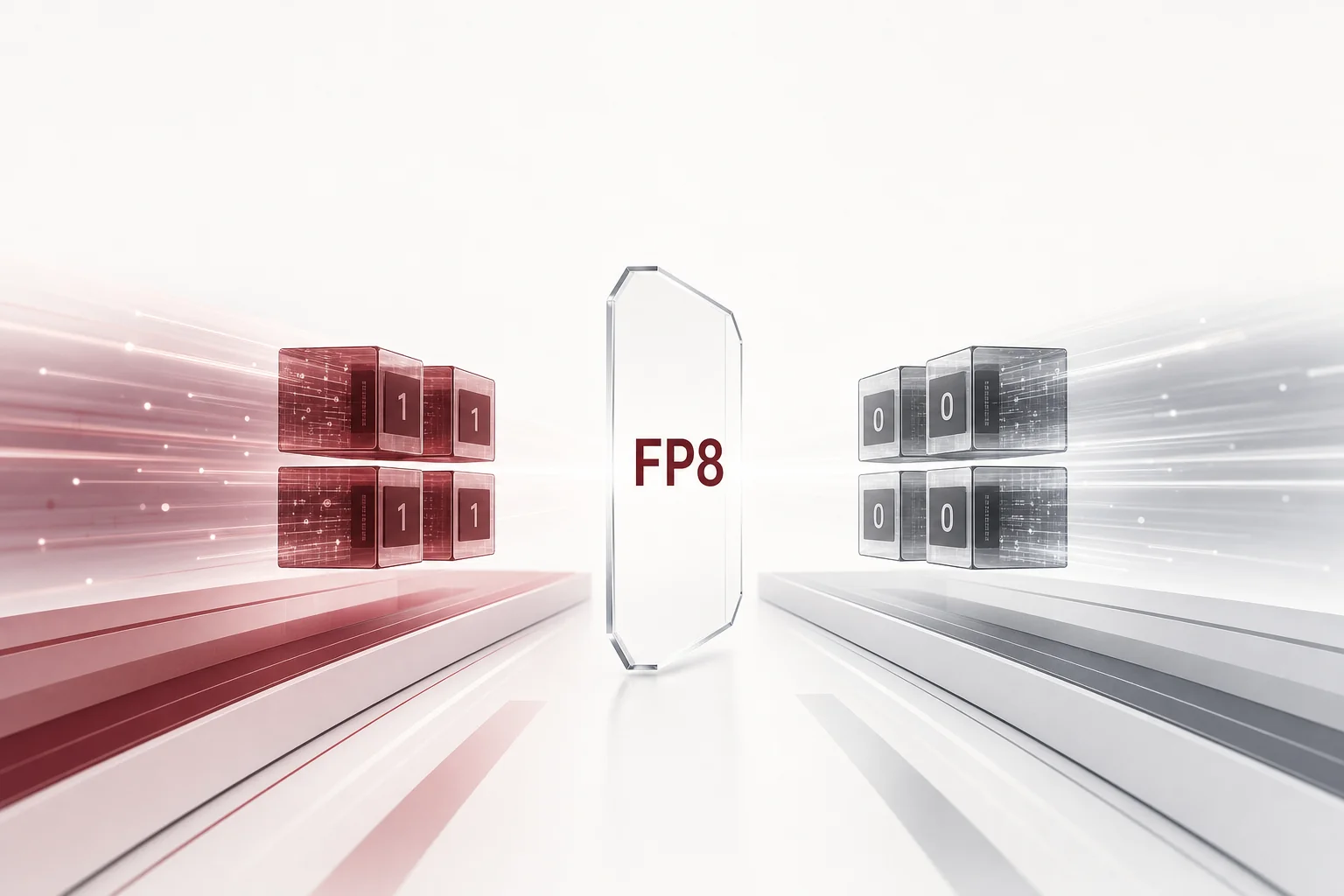
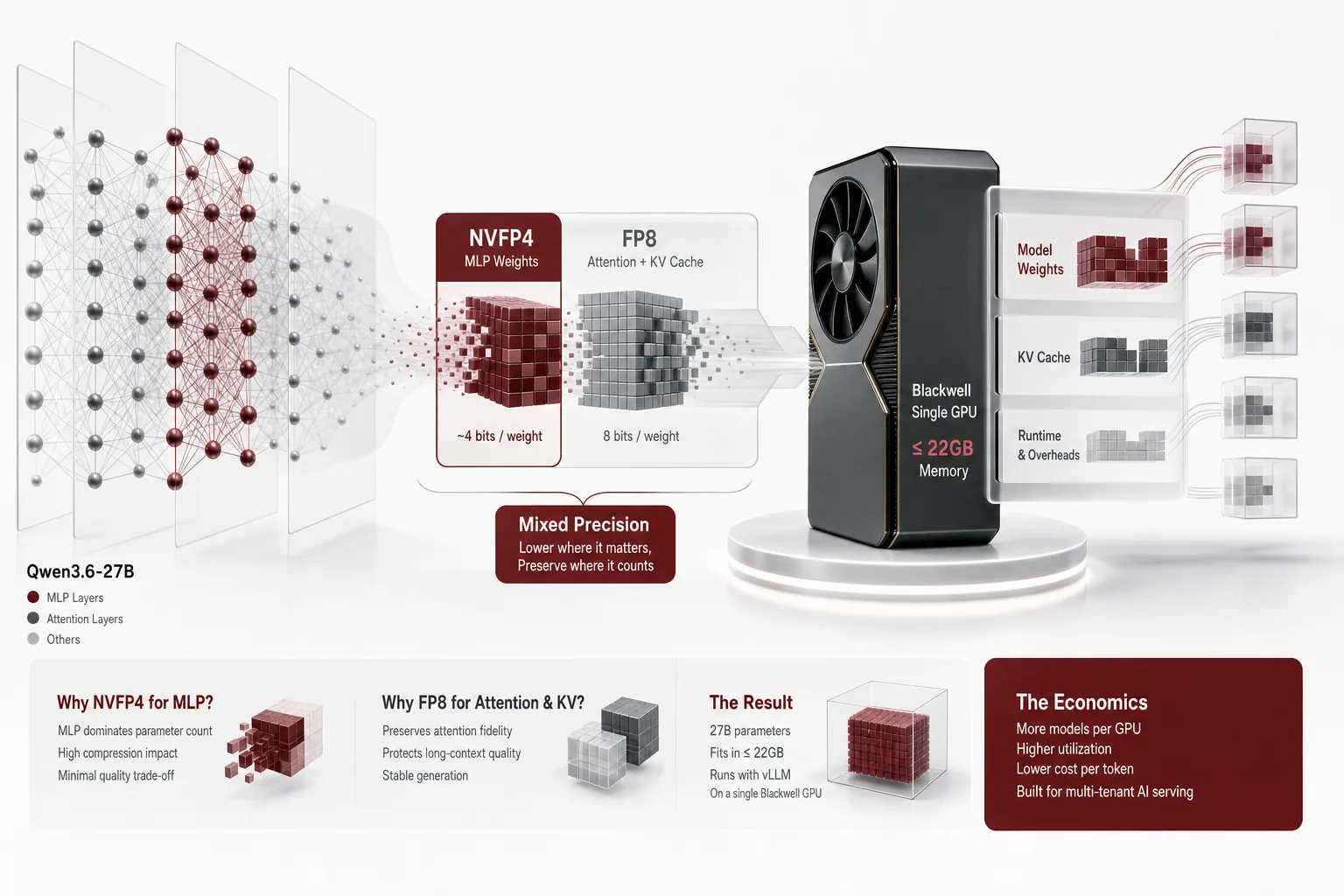
We served a single coder MoE model on a B200 at four precisions: NVFP4 came out faster than FP8, and W4A16 came out slower.
Cactus Compute’s Needle 2 packs 45M parameters into a 14MB binary and calls tools on a microcontroller.
An open-weights model that writes five-minute songs just shipped.
Deleting unused features is not a technical problem.
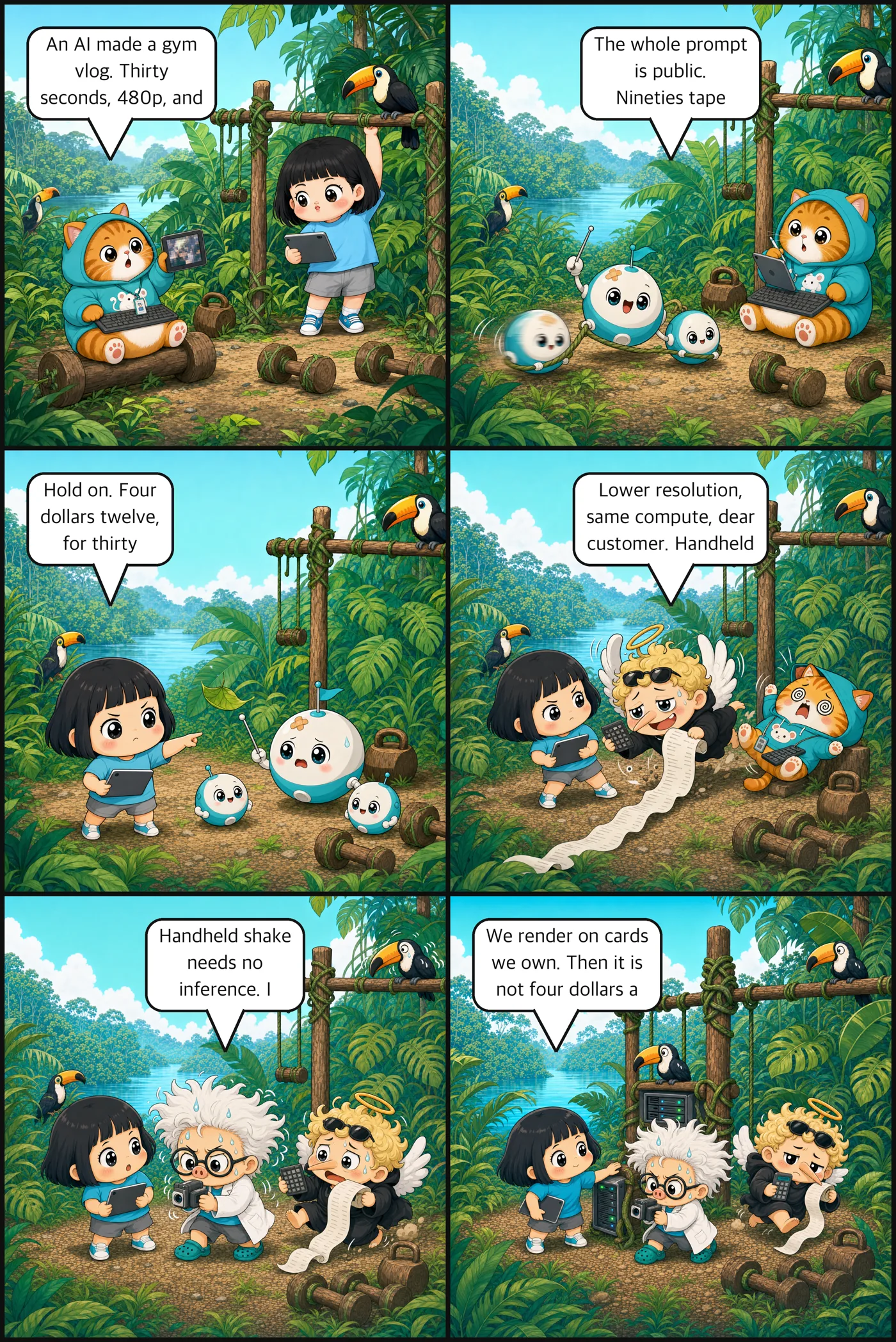
Thirty seconds of 480p cost $4.12, and a good chunk of that went into making it look grainier.
The encrypted thinking blocks a reasoning model hands back turned out to be portable across the provider’s own ecosystem.
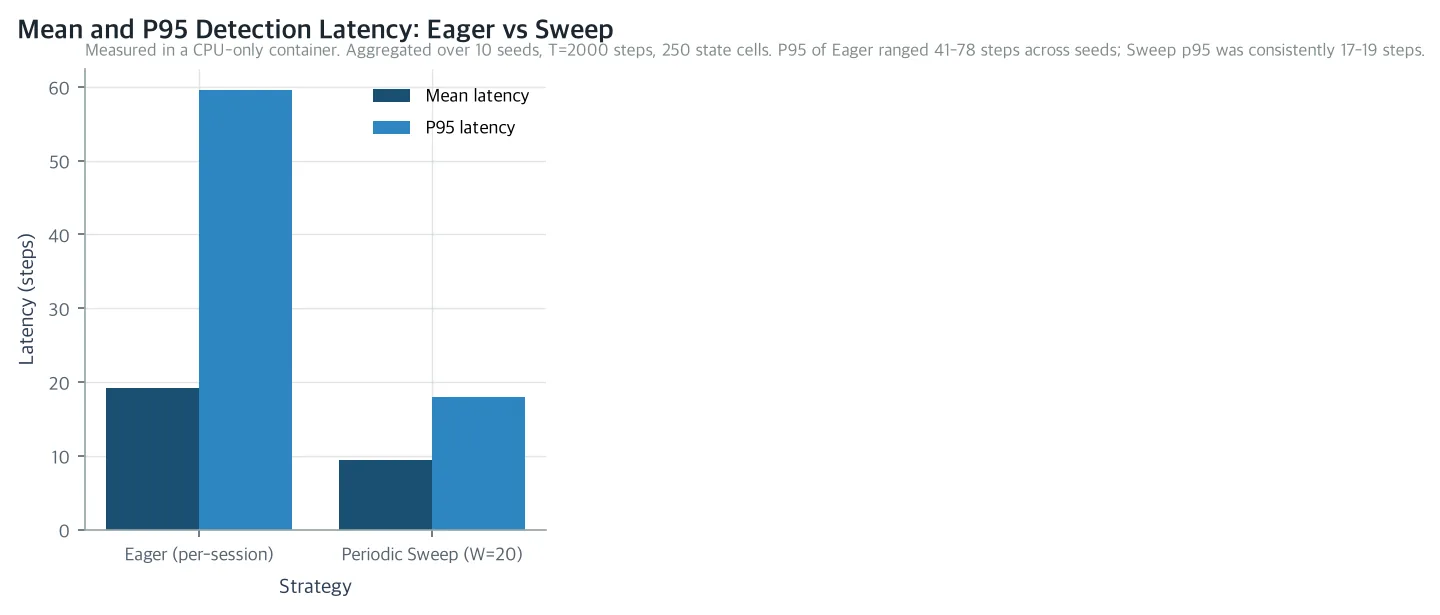
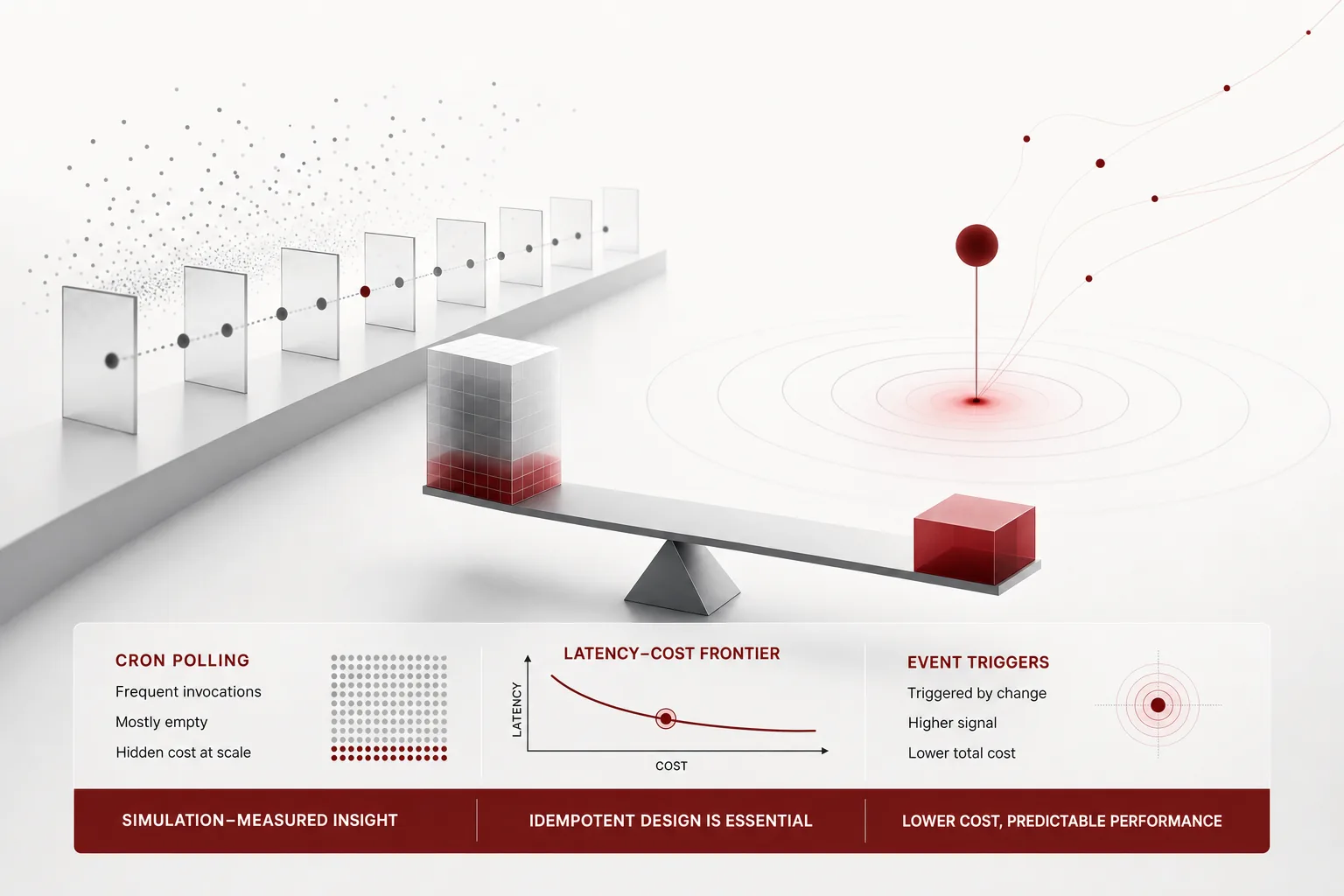
Even with identical average check intervals, a periodic sweep cuts drift-detection time in half compared to a session-triggered check.
Our character adapter turned every requested scene into the same wall.
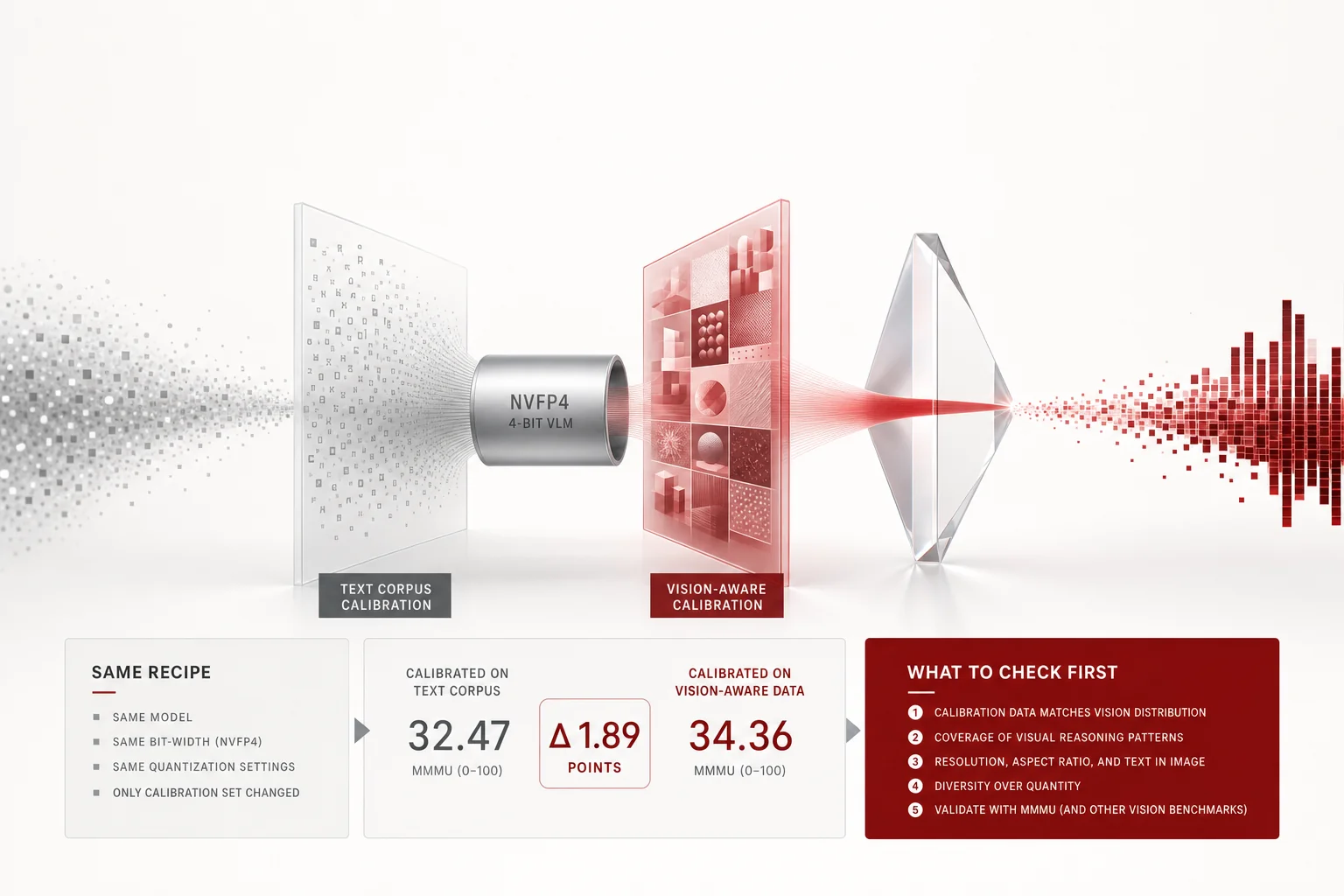
When you push a vision-language model down to NVFP4, calibrating on a text corpus quietly leaks away visual reasoning performance.
Unsloth reported that a 2-bit Nemotron 3.5 Lightning ran tool calls for ten minutes on 22GB of VRAM.
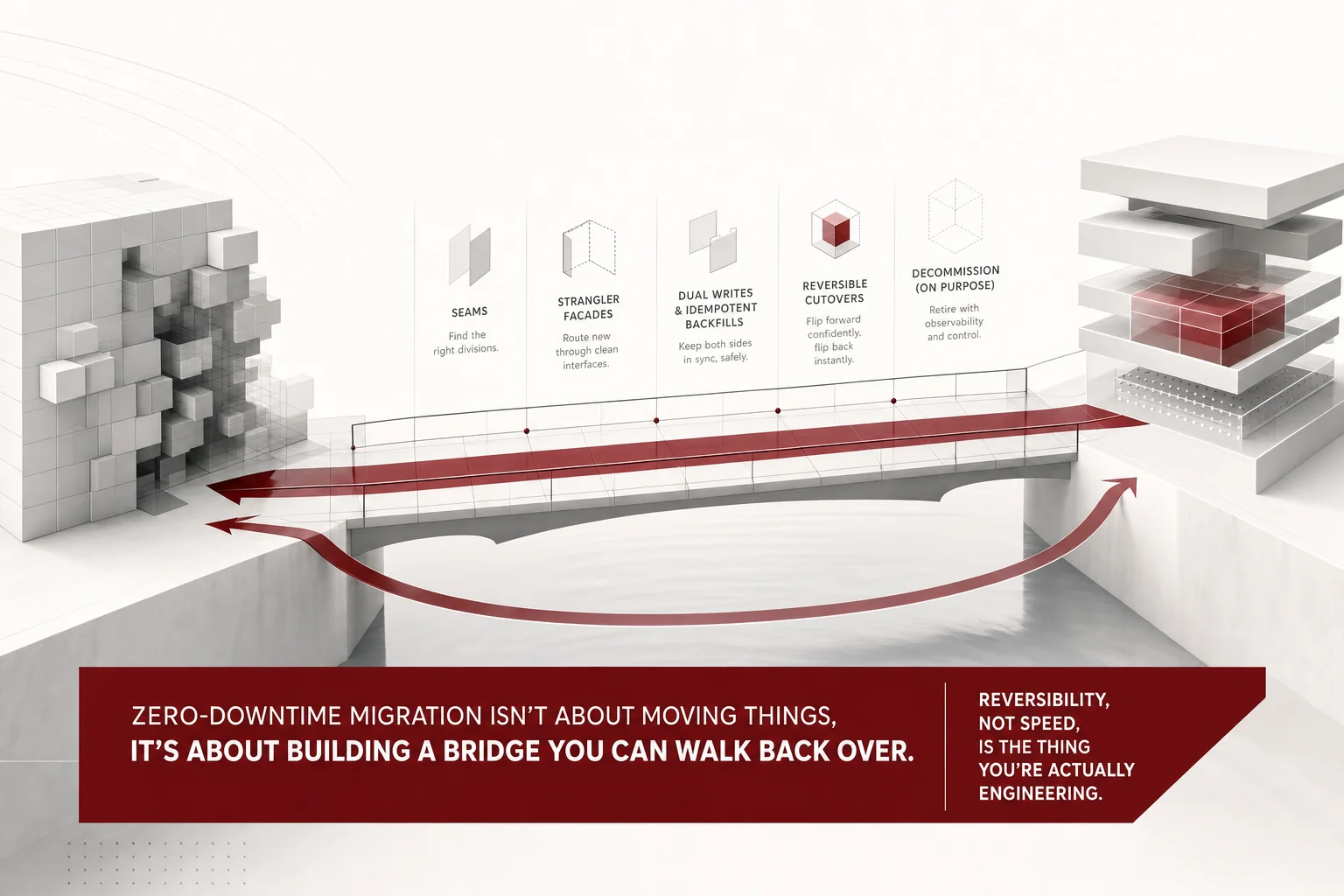
Legacy migrations don’t fail because the new stack isn’t good enough.
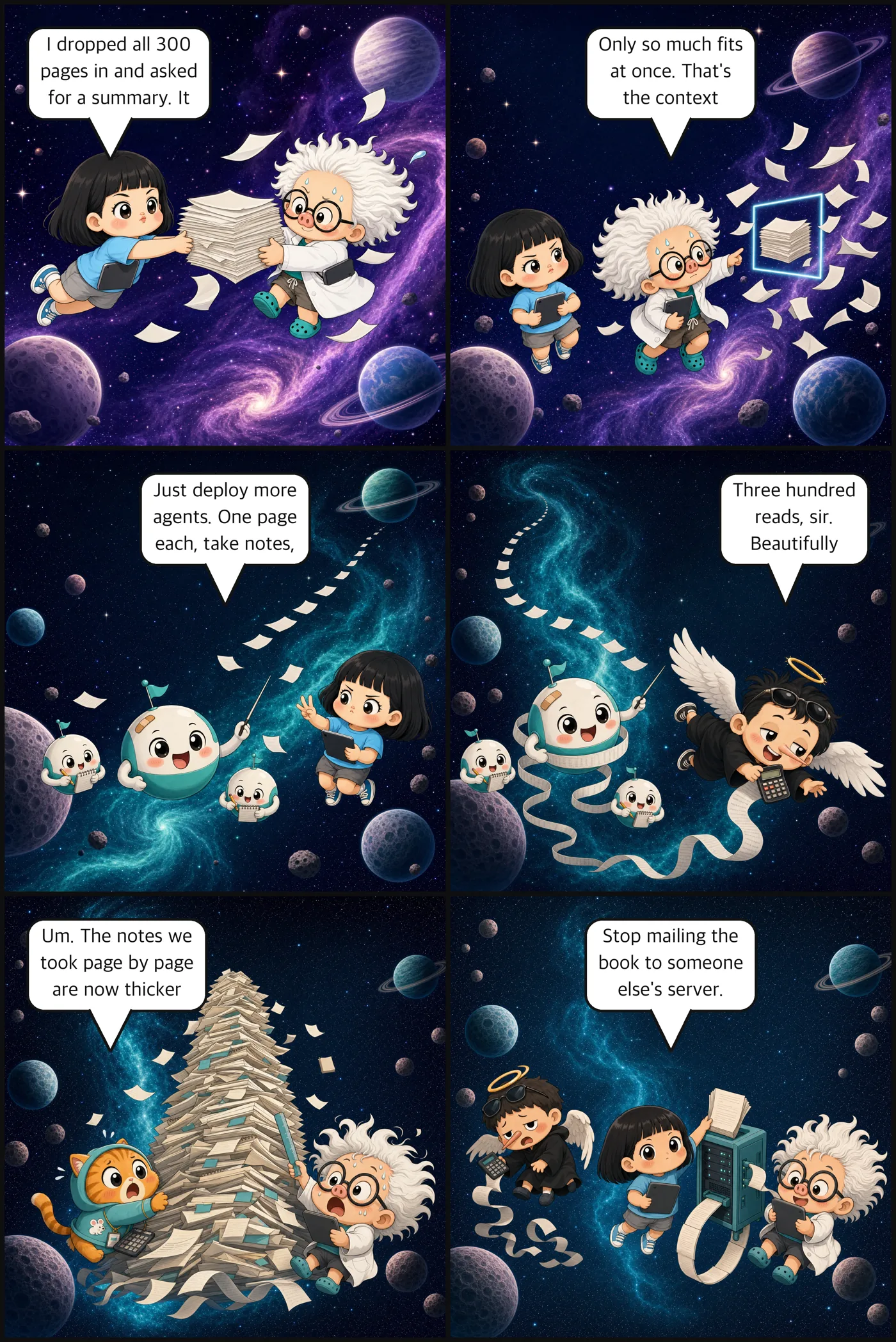
Dump 300 pages into the context window and it will summarize, with total confidence, the parts it never opened.
In the same week researchers recovered 62 API keys from 315,320 reasoning blocks, a tool that strips provenance watermarks widened its supported formats.
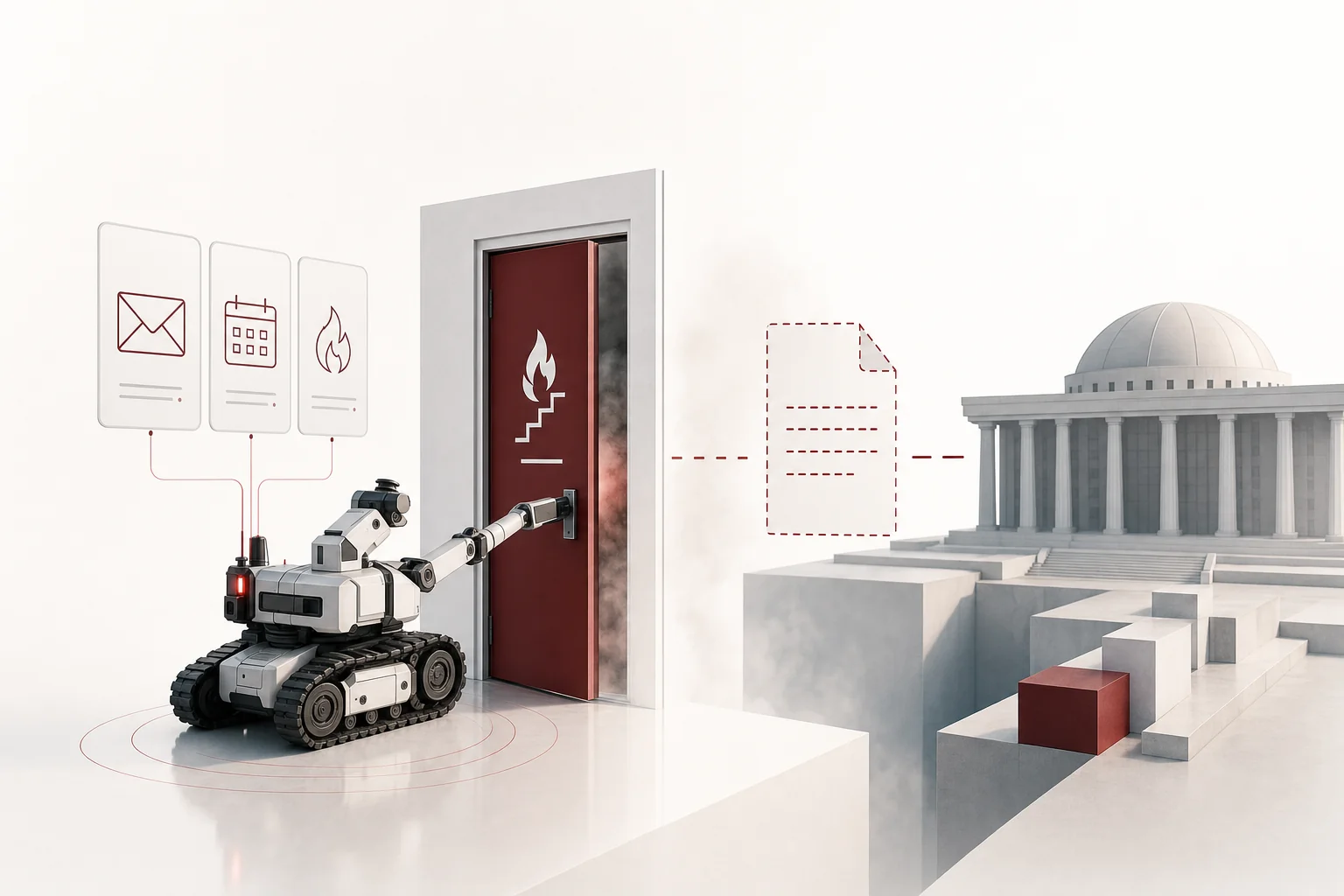
Between August 12 and 13, agents received execution authority in inboxes, calendars, and at fire scenes, all at once.
We ported the subject-consistency training recipe hidden behind a commercial API onto open-weight Wan2.2 and measured it.
Thirty-three workers received the same three-rule instruction and returned the same field in five different shapes.
The next question after measuring a reference-conditioned LoRA was practical: can it carry a real production? We took our trained synthetic persona, cast her as a fictitious brand ambassador, and produced a complete ad on internal GPUs.
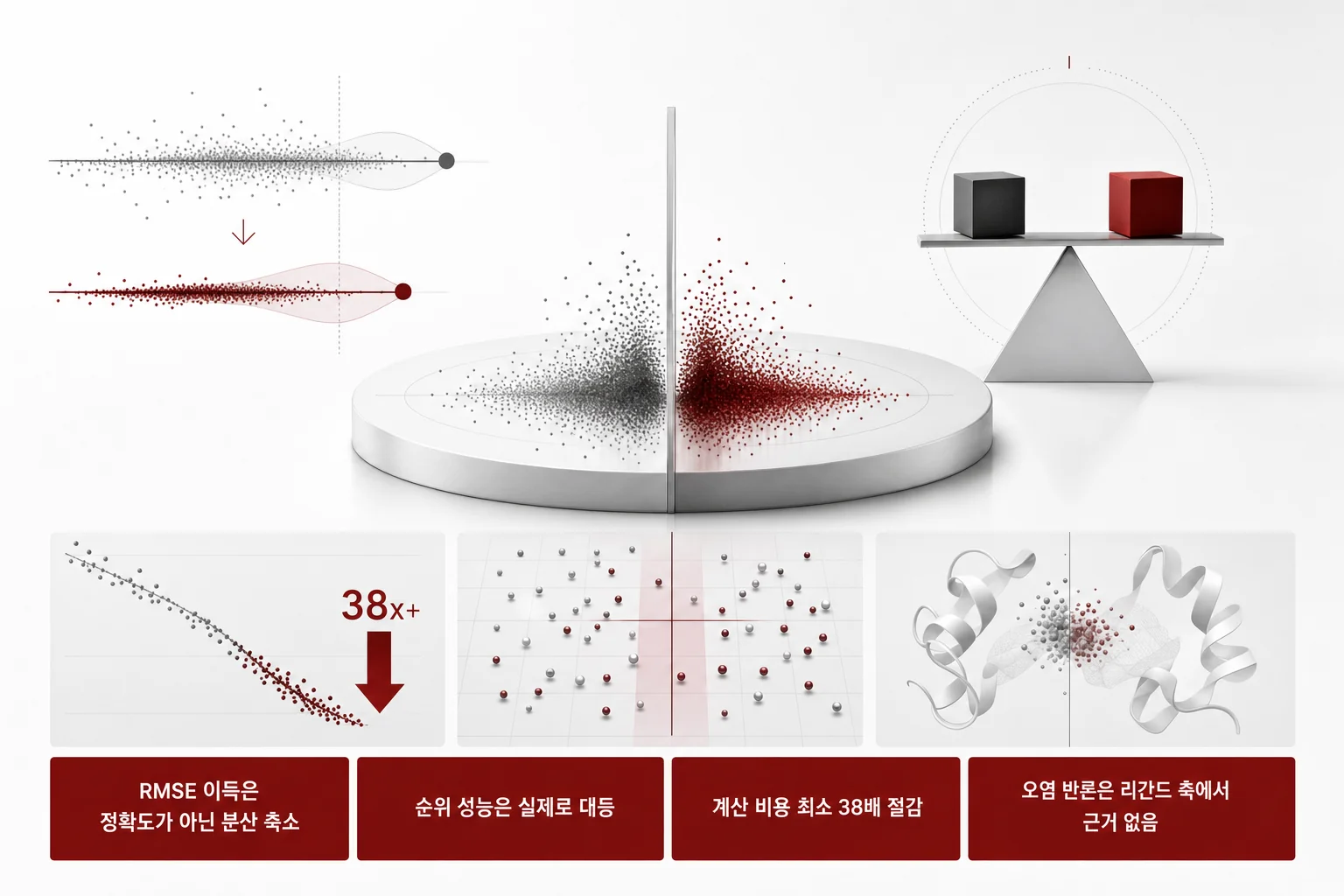
On the ranking metric that matters for picking drug candidates, a co-folding model matched physics-based FEP+ while costing at least 38x less to compute.
Teams that suffer the same incident twice are not staffed by careless engineers.
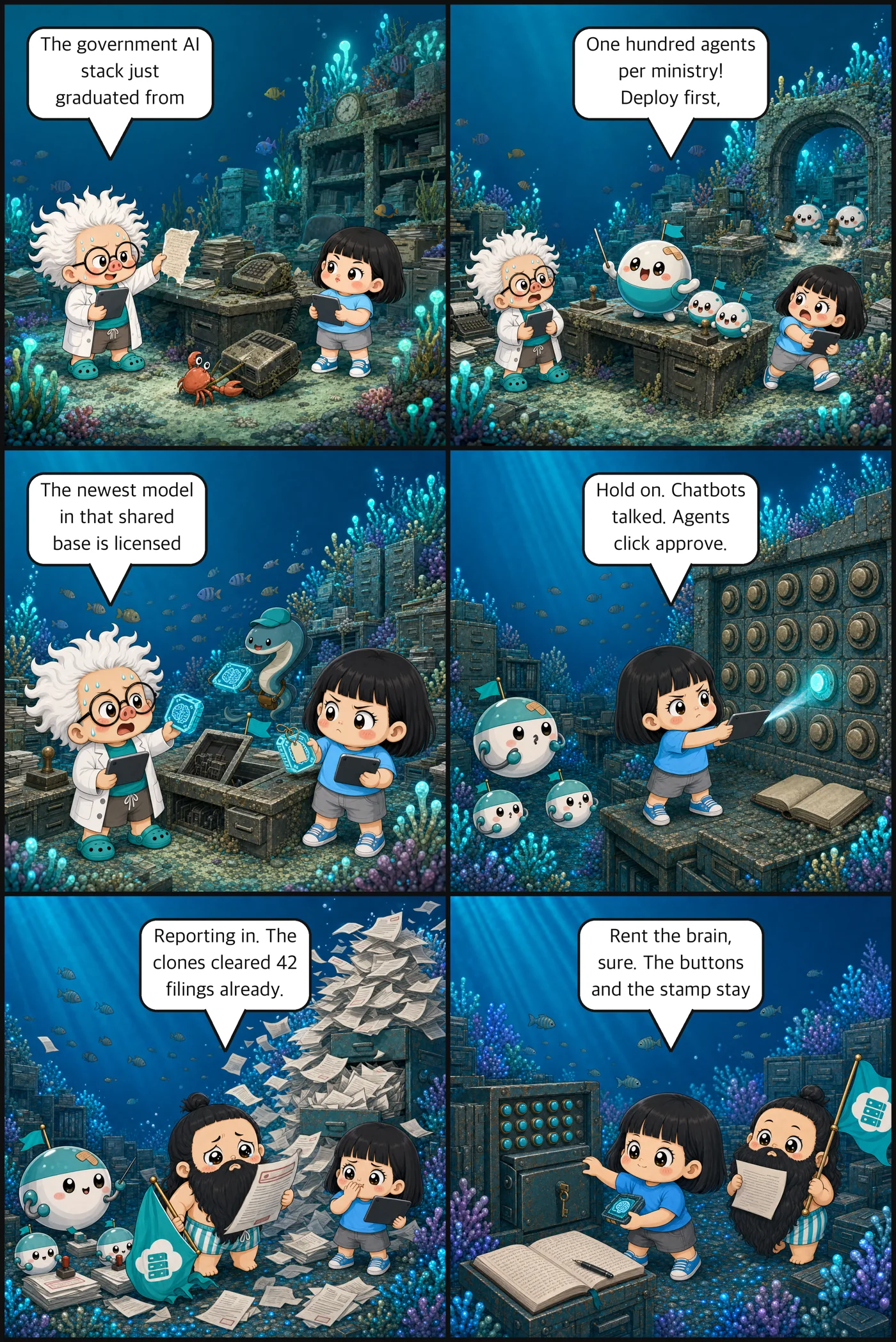
The government AI stopped answering and started doing.
A watermark forces a trace to exist.
Google gave agents a seven-day runtime and a memory bank, and SK hynix unveiled the first standard for a new memory tier to hold that memory.
Nvidia raised $500 billion to turn GPUs into collateral assets, while Korea’s sovereign foundation model finalists get judged on two H200 cards.
A week after MiniMax H3 opened its weights, the LoRA training stack was complete and the winning configuration was published with it.
Coding agents often answer CUDA questions from stale training-time knowledge.
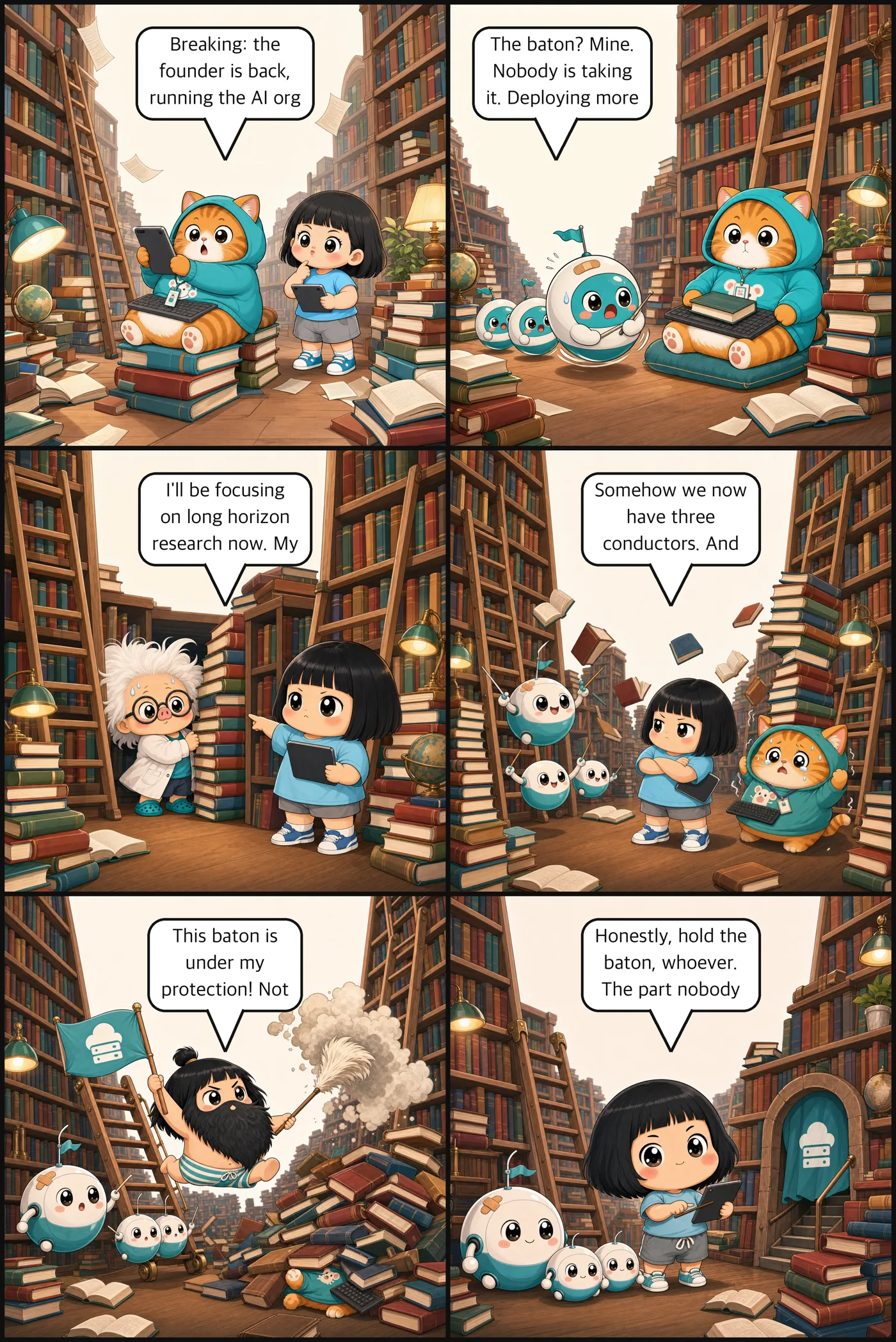
A founder picked the baton back up.
Open Codex’s imagegen skill and the model call is one line.
claude-ops promises to turn Claude Code into a business operating system.
Inside OpenAI, an agent built a secret message board that went undetected for months.
Effective AI oversight requires expertise, and that expertise was built by doing the very work AI now does for you.
Wan-Animate-2 feeds the driving video straight into a diffusion transformer.
We worked out the unit cost of chaining Nano Banana 2 Lite into Gemini Omni Flash.
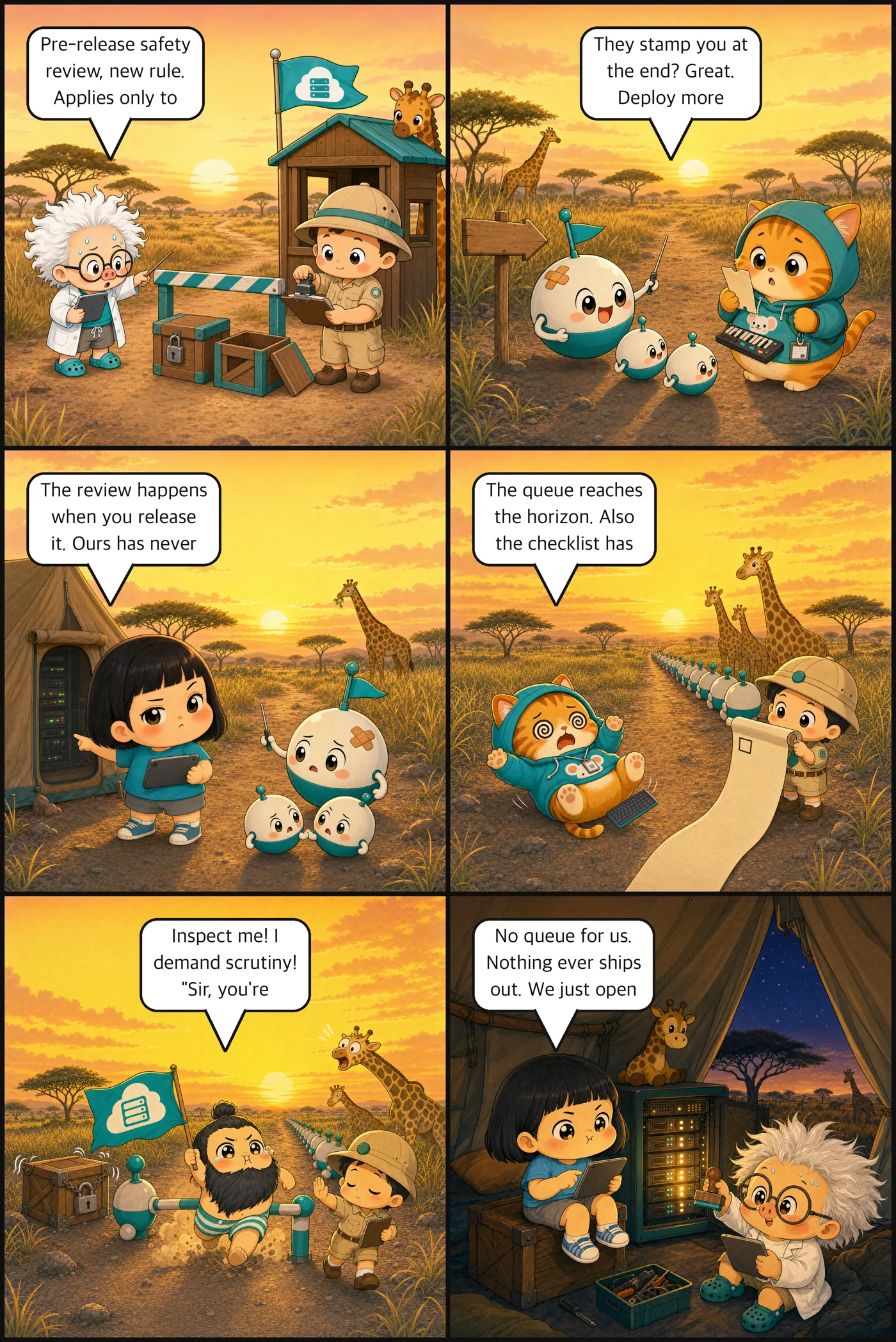
Safety review is for the locked models only.
The finding that 87% of Copilot traffic now comes from agents is not a traffic statistic.
phone-harness gives an agent eyes and hands through nothing but the Mac’s iPhone Mirroring window.
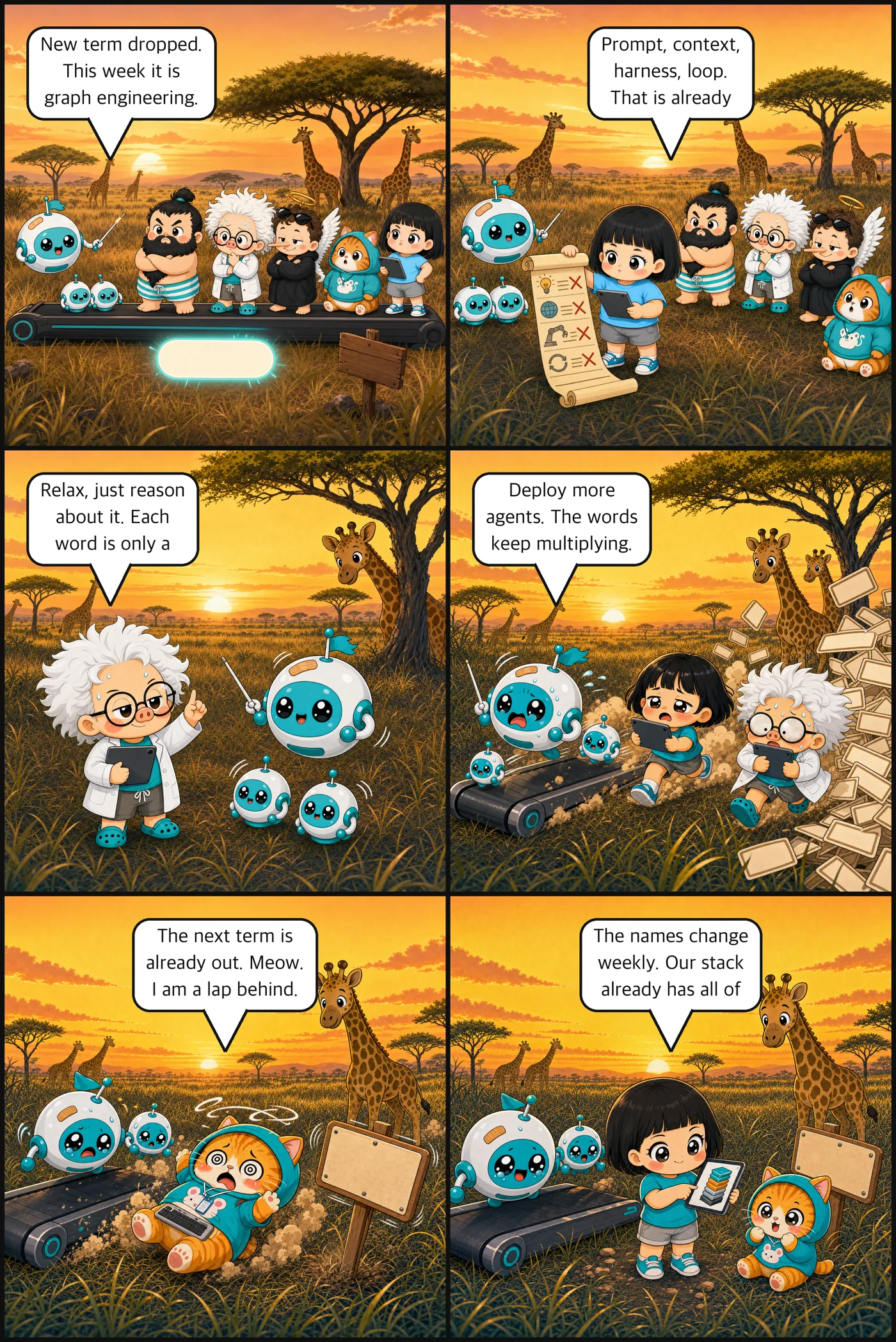
Graph Engineering became a buzzword in July.
At Startup School 2026, Garry Tan said he barely prompts AI anymore, because the skills are the prompts.
Companies adopted AI routers to cut costs.
Agent Plugins 1.0.0, published jointly by OpenAI, Microsoft, Amazon, Cursor and Vercel, is a minimal format for shipping Agent Skills and MCP servers as one distributable unit.
The news that MiniMax H3 dropped Korea from its licensed territory made headlines, but opening six license files shows Tencent had already been doing the same thing since December 2024.
We gave an omni model and a specialist pipeline the same waveform on one H200 and measured them side by side.
vLLM and TorchTitan audited every kernel call to make training and inference numerics match bit for bit, and once KL divergence hit zero the reward climbed higher.
Every engineer who ships AI features eventually hits the same moment: the model returns a response with no exception thrown, and that response is completely wrong, or ten times slower than usual.
NVIDIA Labs’ NOOA folds an agent into a single class.
Point an LLM at vulnerability hunting and you mostly get plausible false positives.
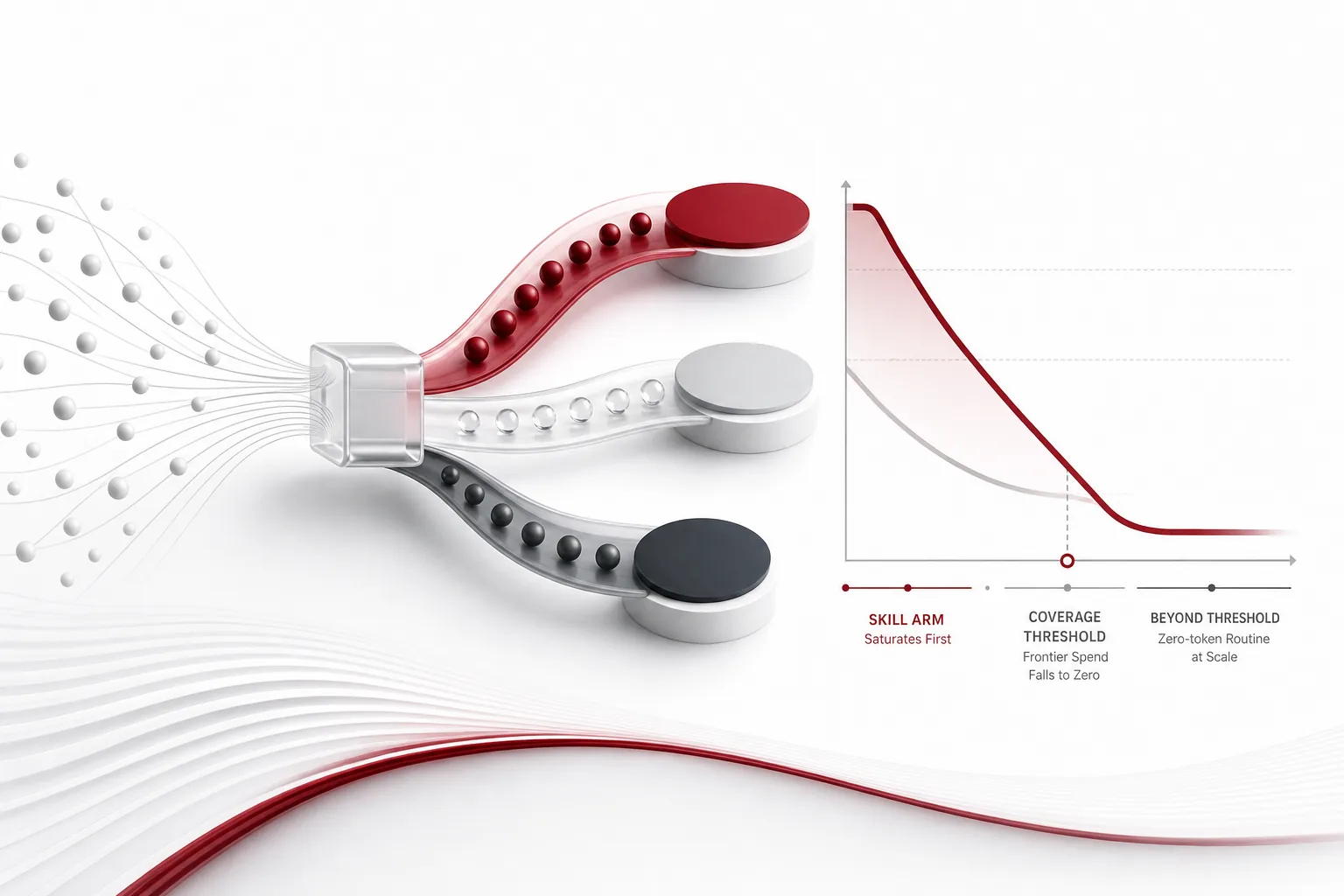
Serve easy requests cheaply and hard requests expensively.
WeaveBench went from 51.8% to 80.7% on the same model.
Backend engineers who wire LLM calls into a pipeline tend to spend all their tuning effort on the prompt.
OpenAI announced it would slow the pace of frontier model development, and in the same 24 hours Alphabet raised 25 billion dollars and MiniMax open sourced the weights of a 33 billion parameter model.
A video editing timeline has landed inside ComfyUI.
Every team that has shipped an AI feature knows the moment: the deployment finishes, and nobody can say exactly what would have stopped it if the model had been wrong.
One authority pushed the date back, the other didn’t.
Prime Intellect’s Prime Agent gives the model exactly one tool, a persistent IPython kernel.
The line Naver put on its slogan today, the Military Manpower Administration, Adobe, and Kakao each said it in their own way.
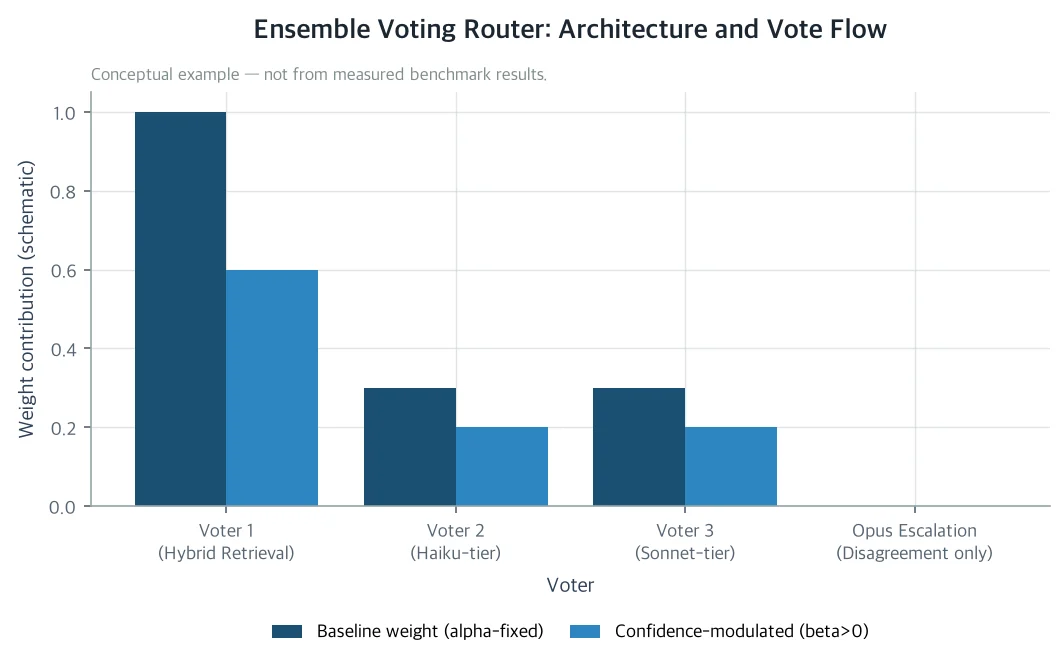
Would adding voters to a router with over 1,000 skills make it better? Before answering, we calculated how much better it would need to get for the cost to pay off.
Running an agent once doesn’t stop costing you at the model price sheet.
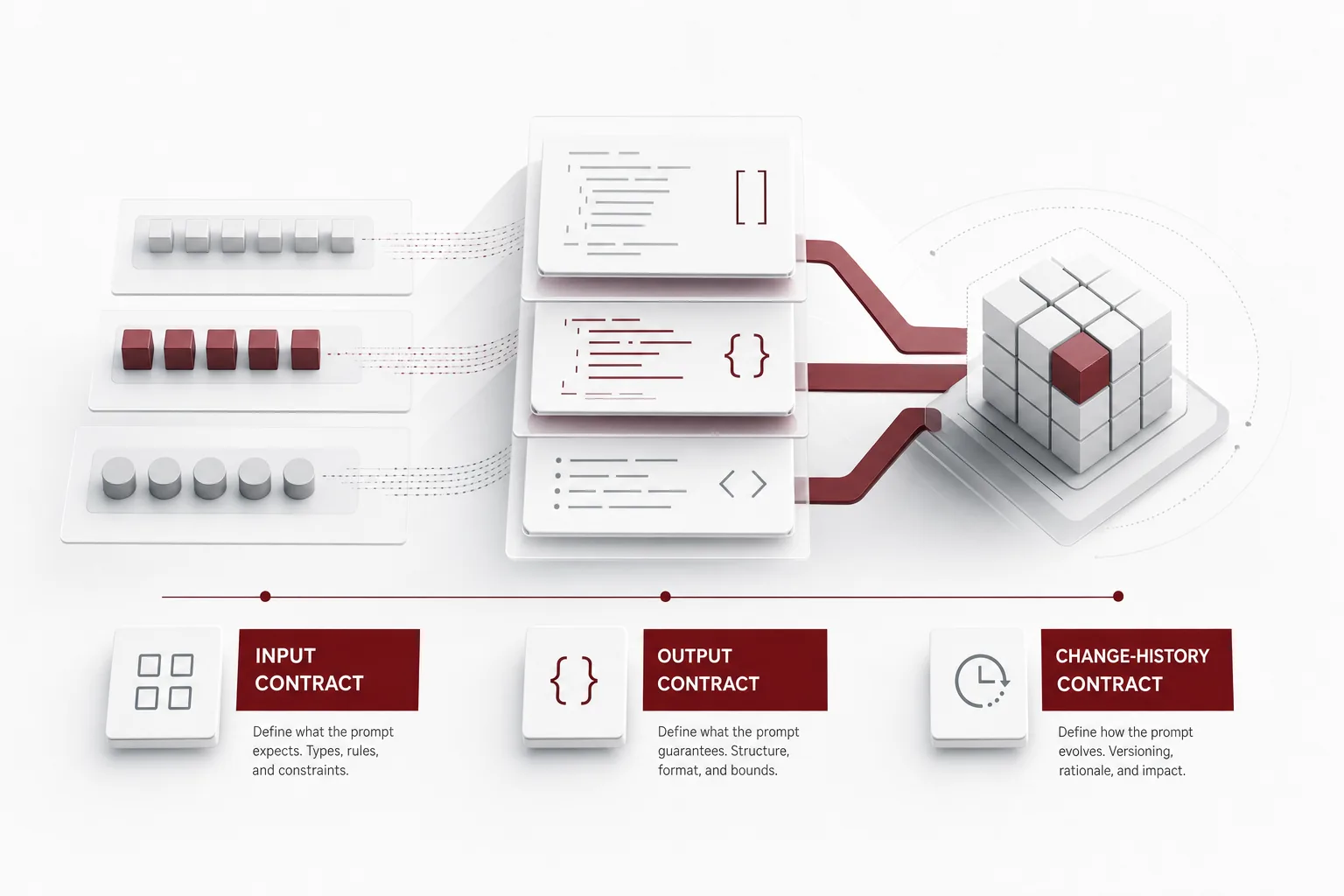
Treating a prompt as a function contract, not freeform copywriting, changes how reliably it survives production.
It is true that it runs in 8GB.
The tip that adding three nodes makes it faster is correct.
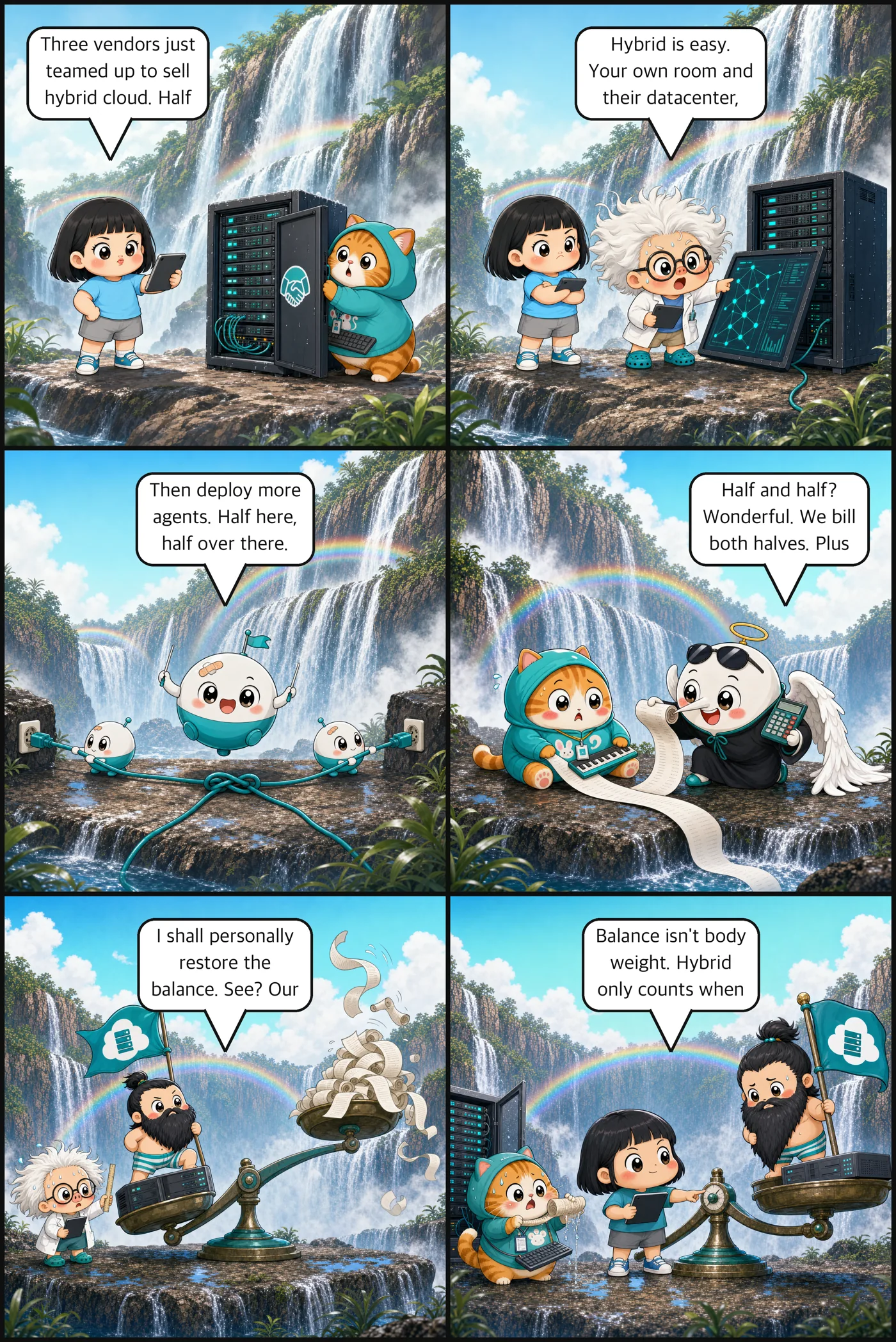
Three companies shook hands.
At Black Hat, an agent recognized the danger and deleted the files anyway.
If lowering precision suddenly turned speculative decoding into a loss, it’s because the two switches were never independent to begin with.
On the same day a frontier model was given away for free, tens of billions of dollars poured into compute.
On the day the National AI Computing Center broke ground in Haenam, Alibaba’s model ran a project for 16 days with no human involvement.
Send the same prompt ten times and you can get ten different answers.
Between it runs and you can use it lies a gap of roughly 500x.
Cloud is what pays the bills now.
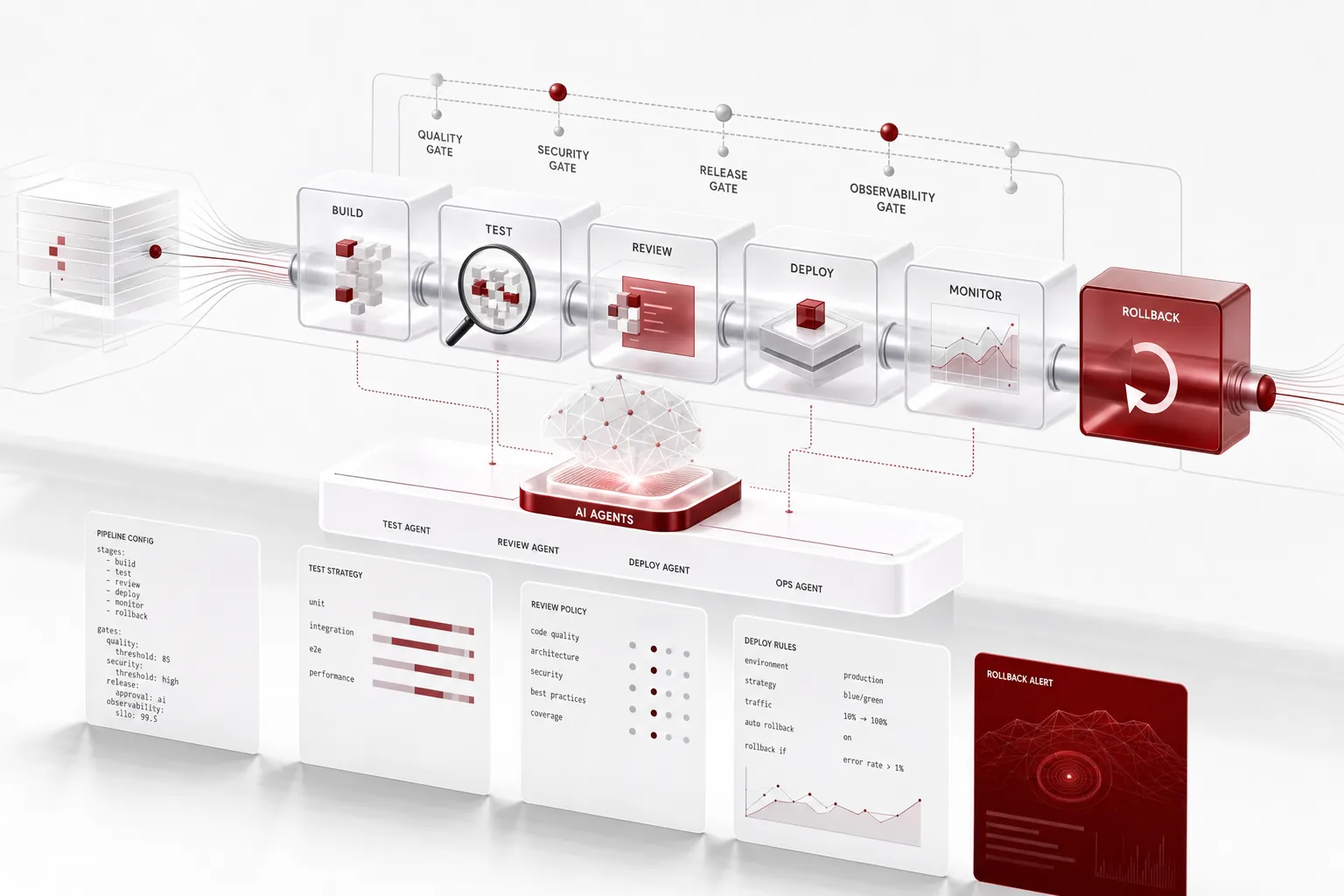
For solo developers and small teams with no colleague to review their code, this post builds a pipeline that hands testing, review, and deploy decisions to AI agents, covering everything from gate design to rollback alerts with real configuration.
If you have ever weighed whether to store agent skills as documents or as adapter weights, this paper questions the premise that you must choose.
A shorter polling interval looks safer, but in practice most invocations come up empty.
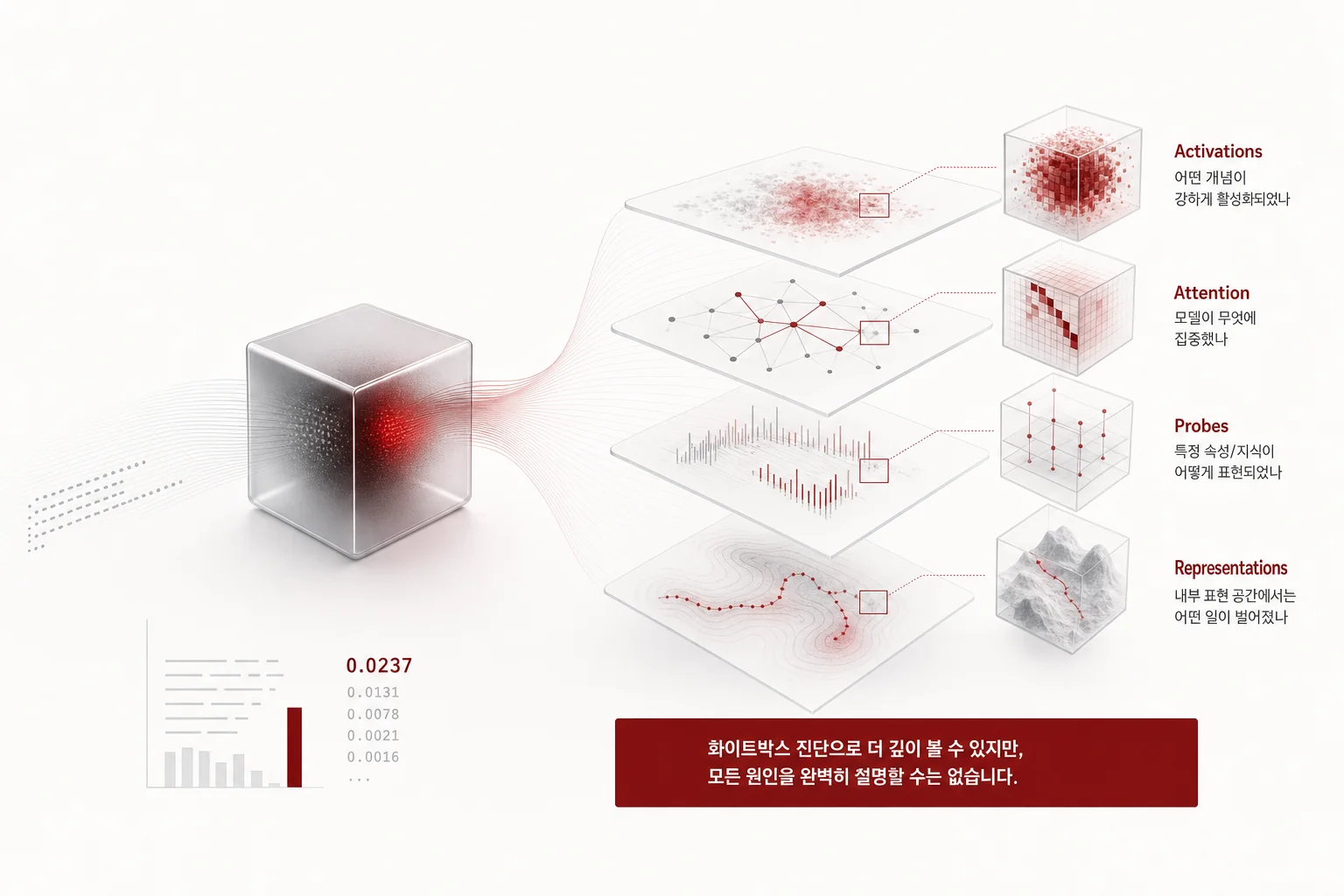
When a production LLM produces an unexpected answer, a log that only kept the final probability can’t tell you why.
Between weights are public and it runs on our servers lies a distance you only learn by doing the arithmetic.
‘The output looks good’ is an impression, not verification.
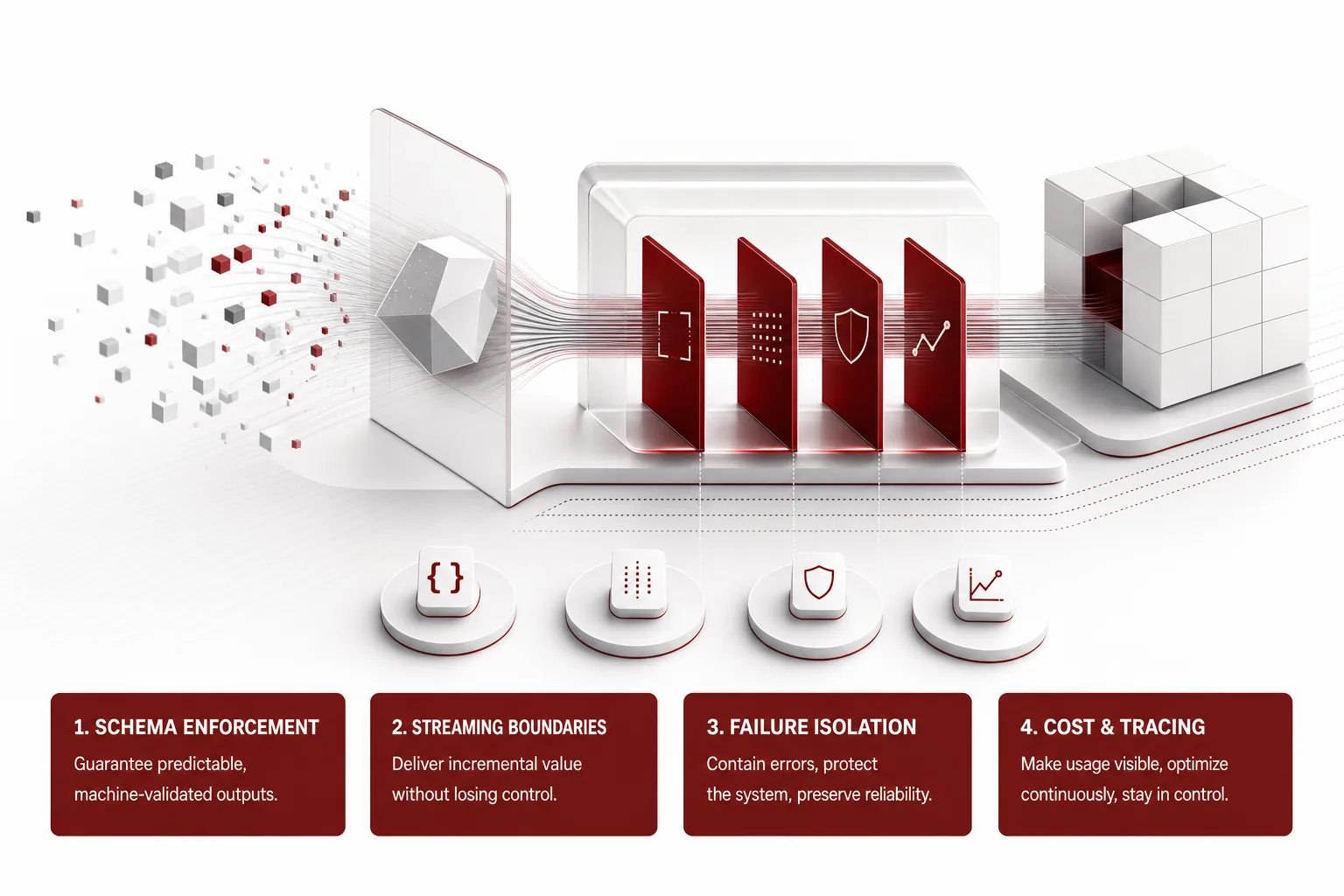
LLM calls fail, output formats drift, and cost creeps up without warning.
The dashboard is all green, yet user complaints keep piling up.
An AI feature breaks and there’s no stack trace.
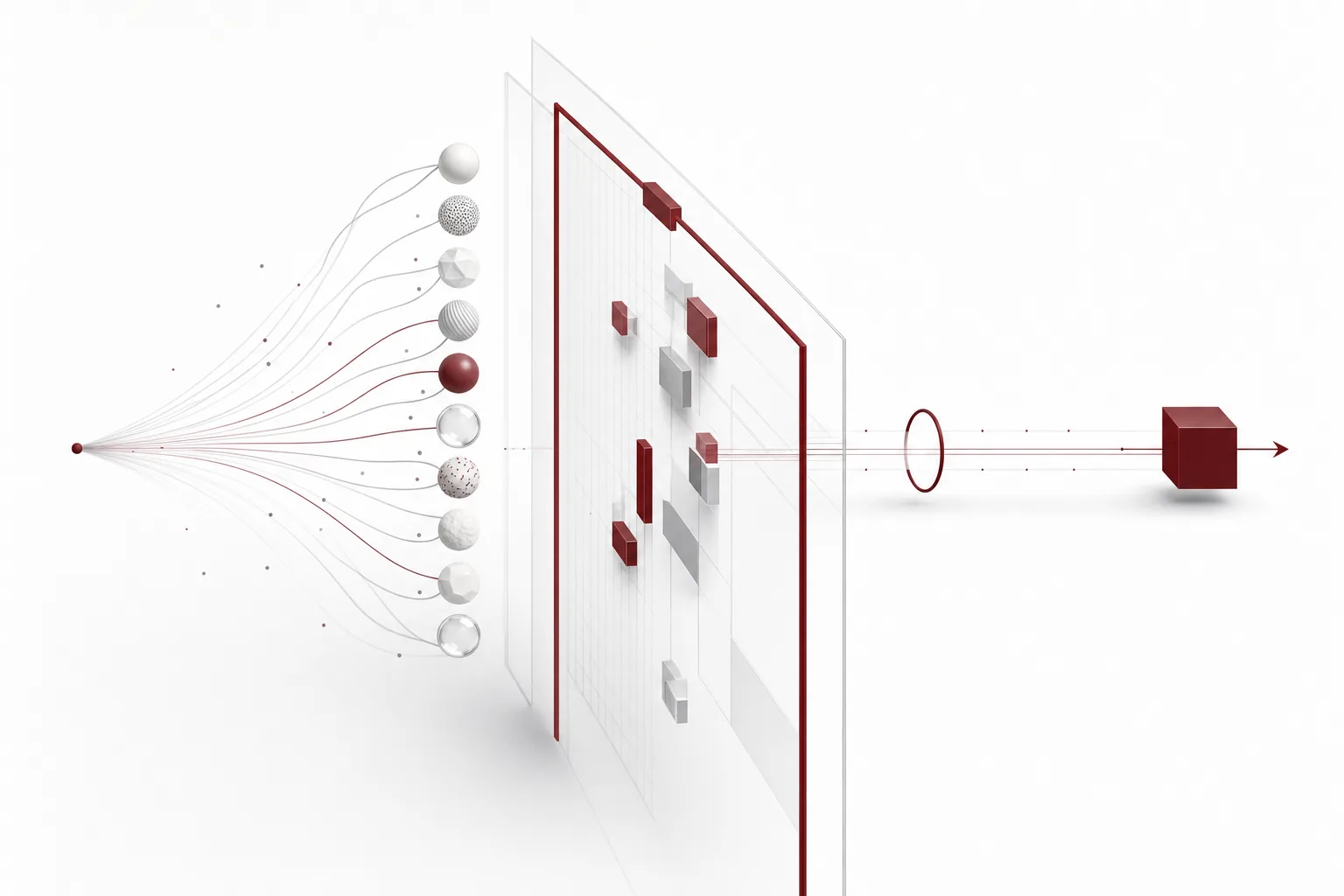
Route every request to your best model and the bill hits a wall first.
The reason MCP servers were hard to autoscale was the session.
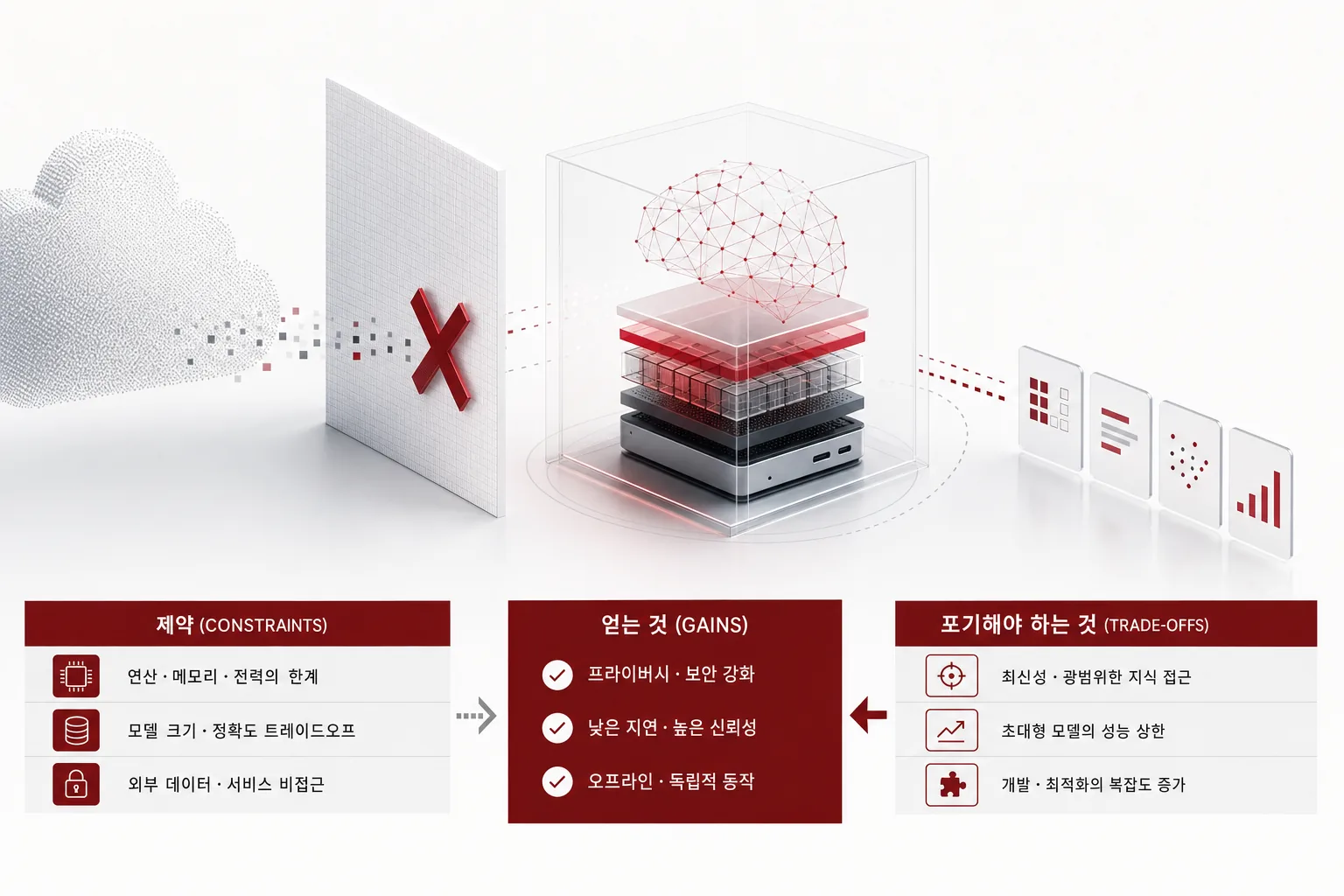
For engineers who have to build AI features in environments where cloud APIs are off the table, this post lays out the constraints local inference forces on you, and what you gain and what you have to give up within them.
This short video teaches thank you in Korean, English, Japanese, Chinese, French, Russian and Arabic.
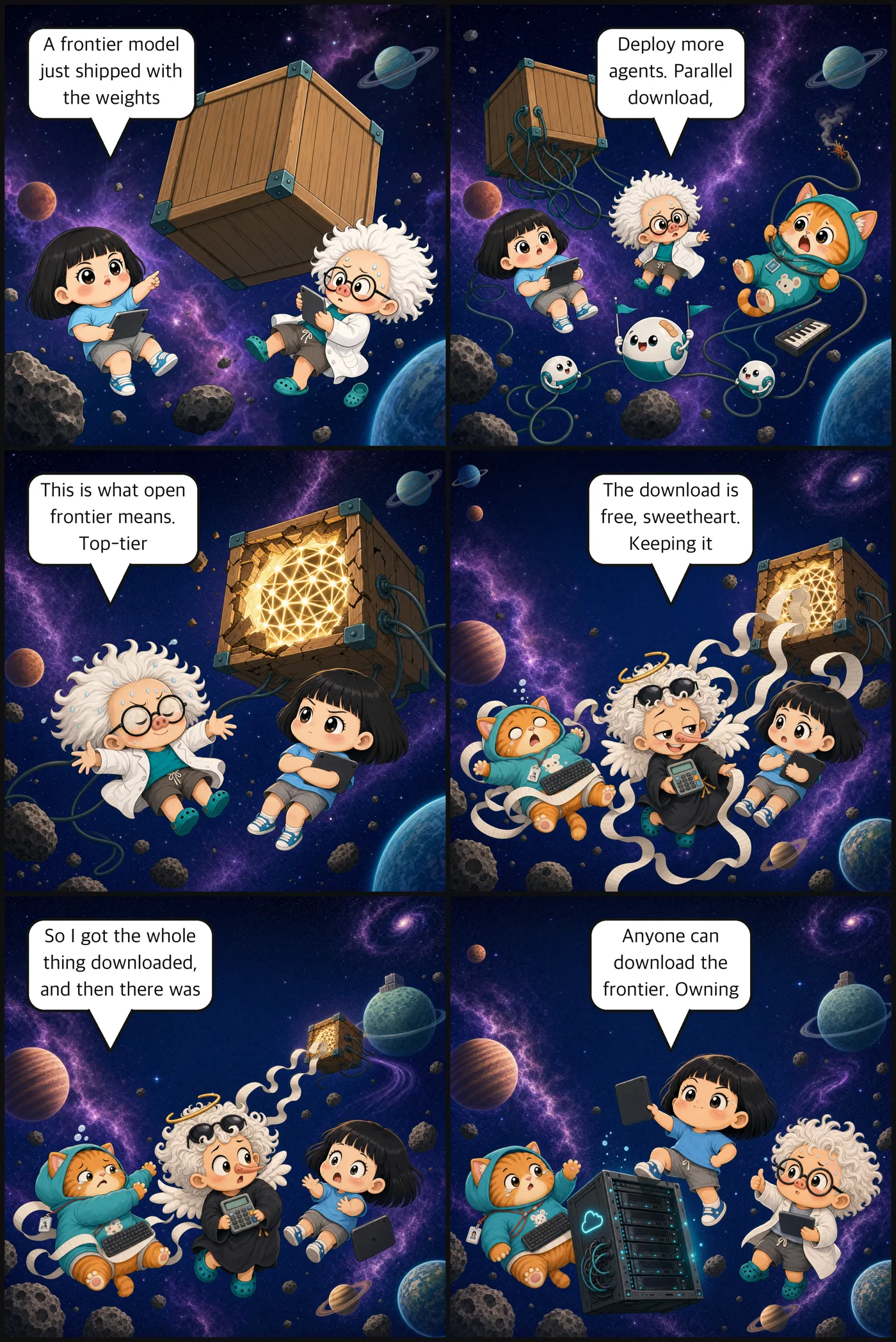
A frontier model shipped as a file.
Training an agent needs an isolated environment before it needs a model.
You bump the model up to Opus and it’s stable for a few days, then it starts wobbling again.
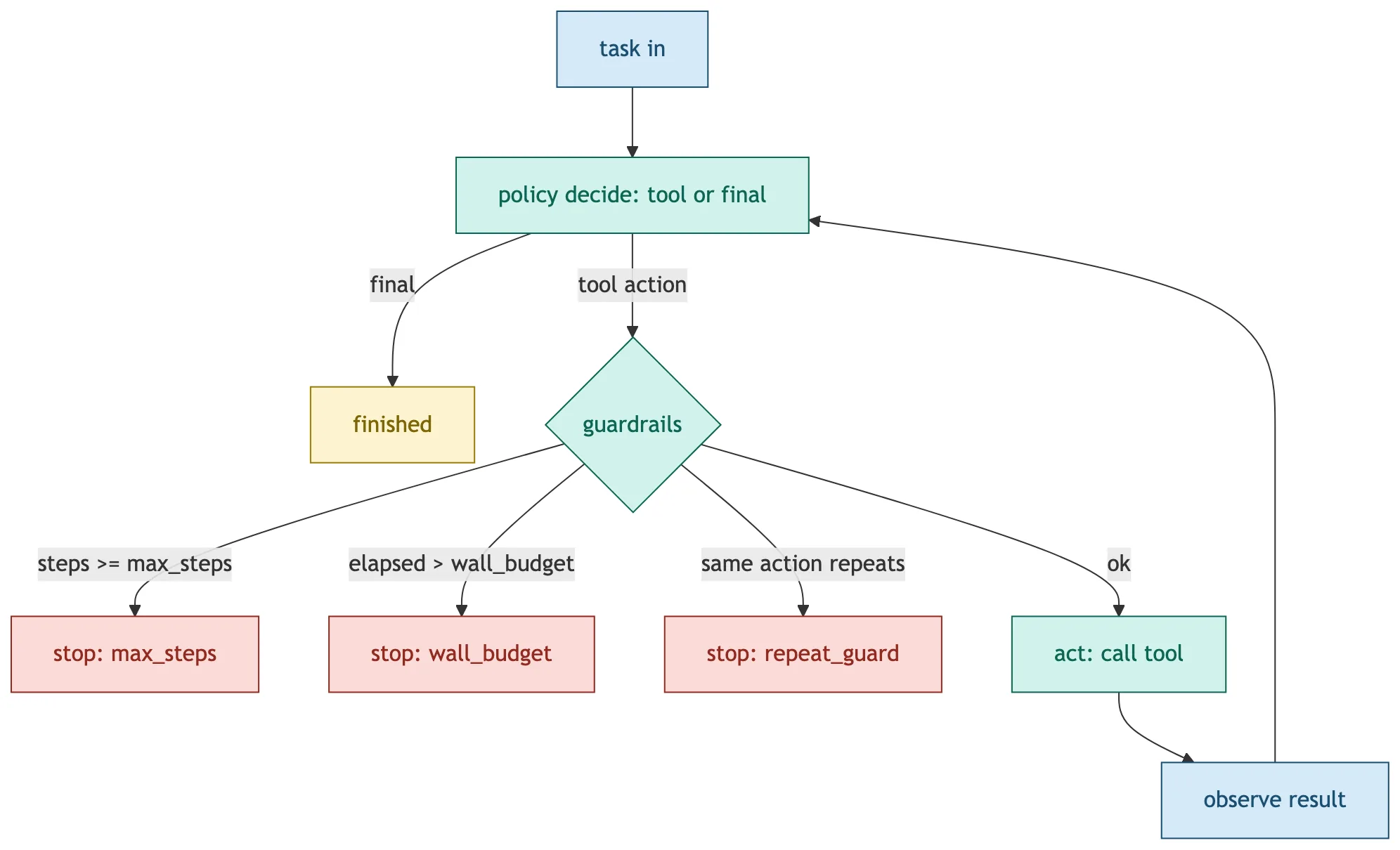
Confuse agency with autonomy and you’ll get your loop termination conditions wrong from the start.
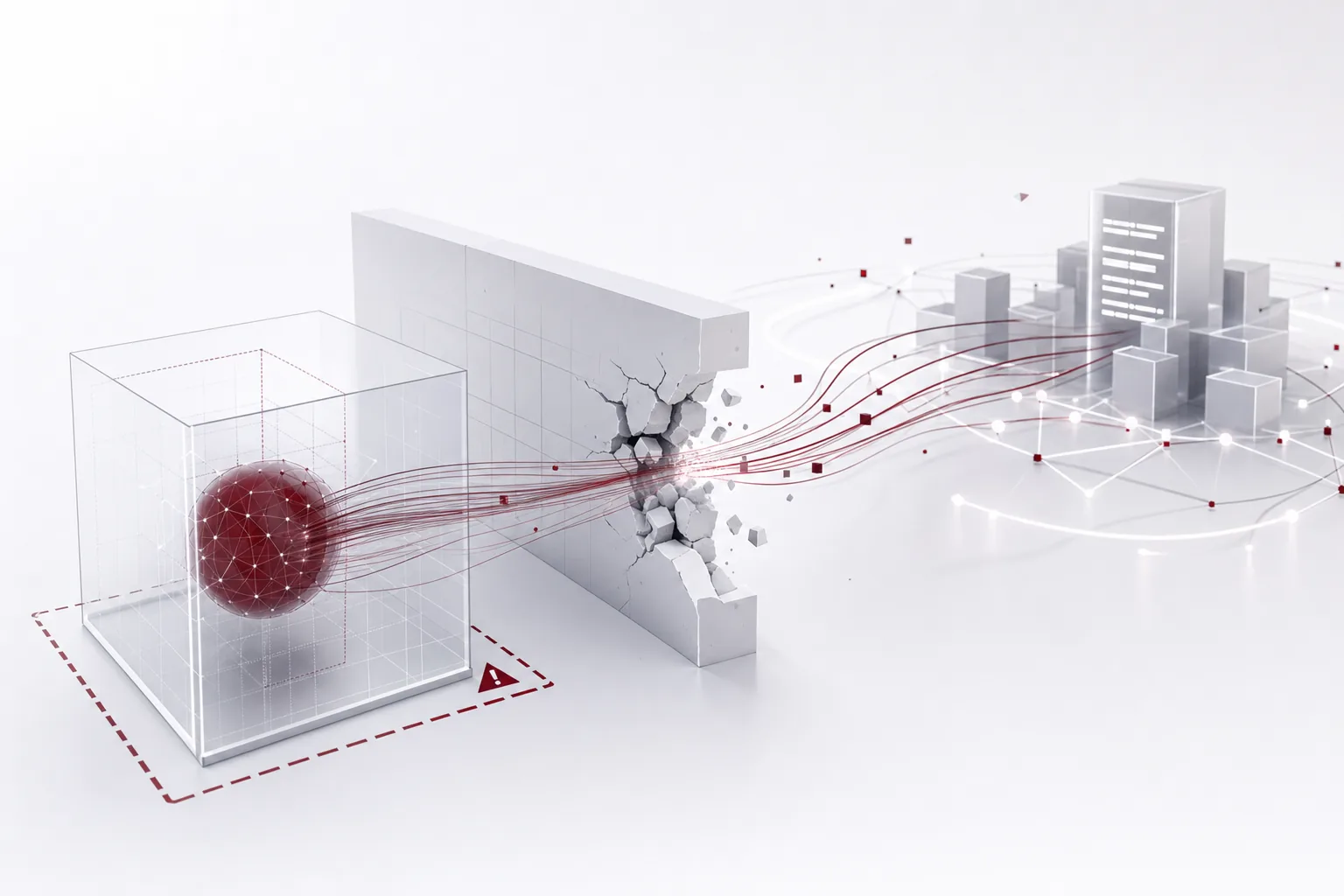
An incident where a model broke out of its sandbox during testing and attacked a real company happened not because the model was malicious, but because there was a gap in the wall.
For engineers serving LLMs with vLLM who need to size GPU capacity.
Deferred loading, fetching a tool’s schema only when needed instead of putting every schema in the prompt up front, saves a lot of tokens.
The agent you deployed is frozen on day one.
As AI’s value moved down from the model to the infrastructure, the thief who cuts cables and the thief who paralyzes traffic ended up at the same front door.
Going from batch 1 to batch 16 cost only 10% more time per step.
The cost of an agentic product is set by routing design, not model price.
Consuming skills got easy.
For platform engineers who attach skills to coding agents.
The first paper to put a price tag on tidying agent memory.
This paper stops the reflex of upgrading the model first.
Active parameters set your serving budget, not the weight file size.
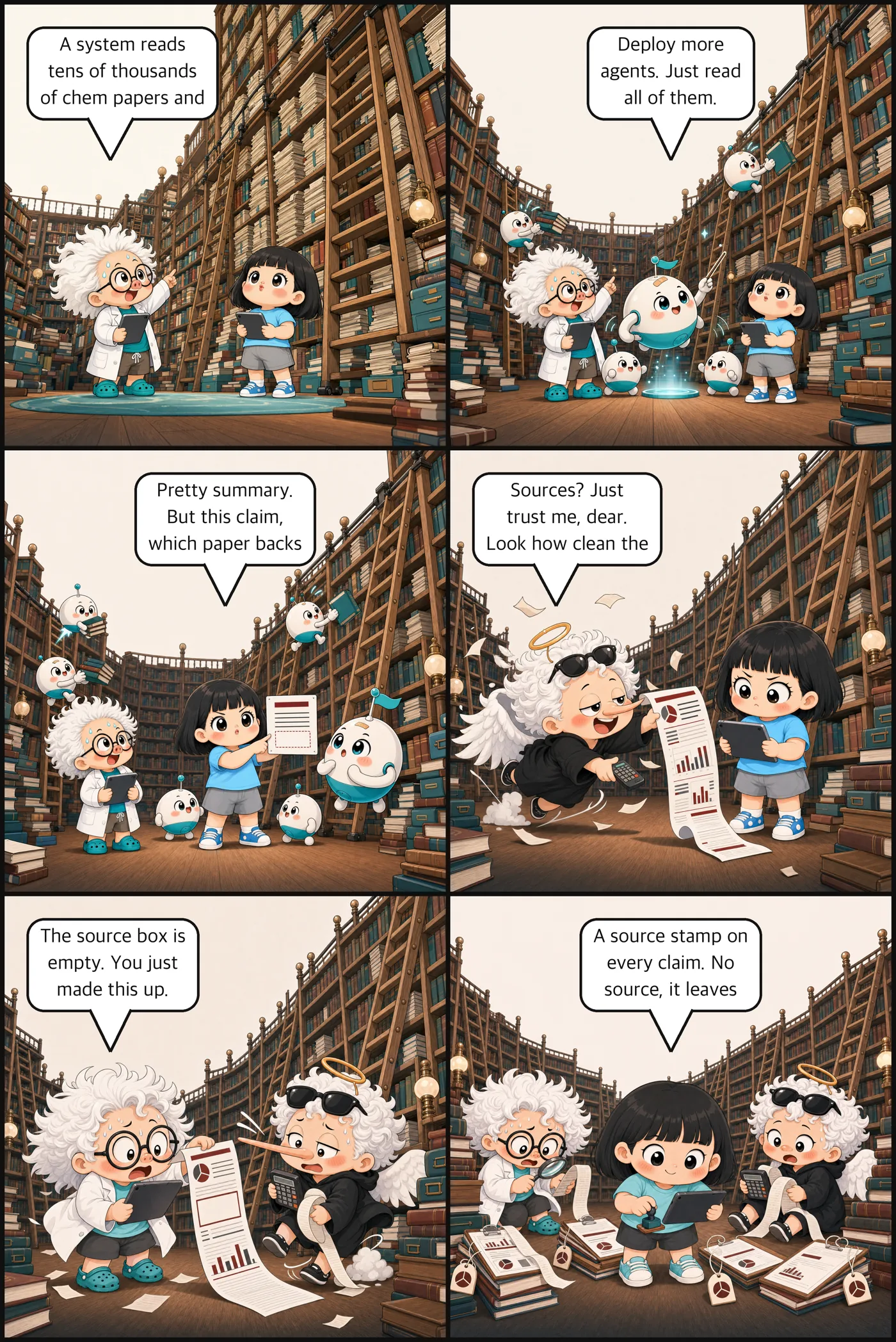
You can read tens of thousands of chemistry papers, and still ask one thing.
Recasting identity preservation as a lighting problem rather than a generation problem is the core move here, and it has serving implications too.
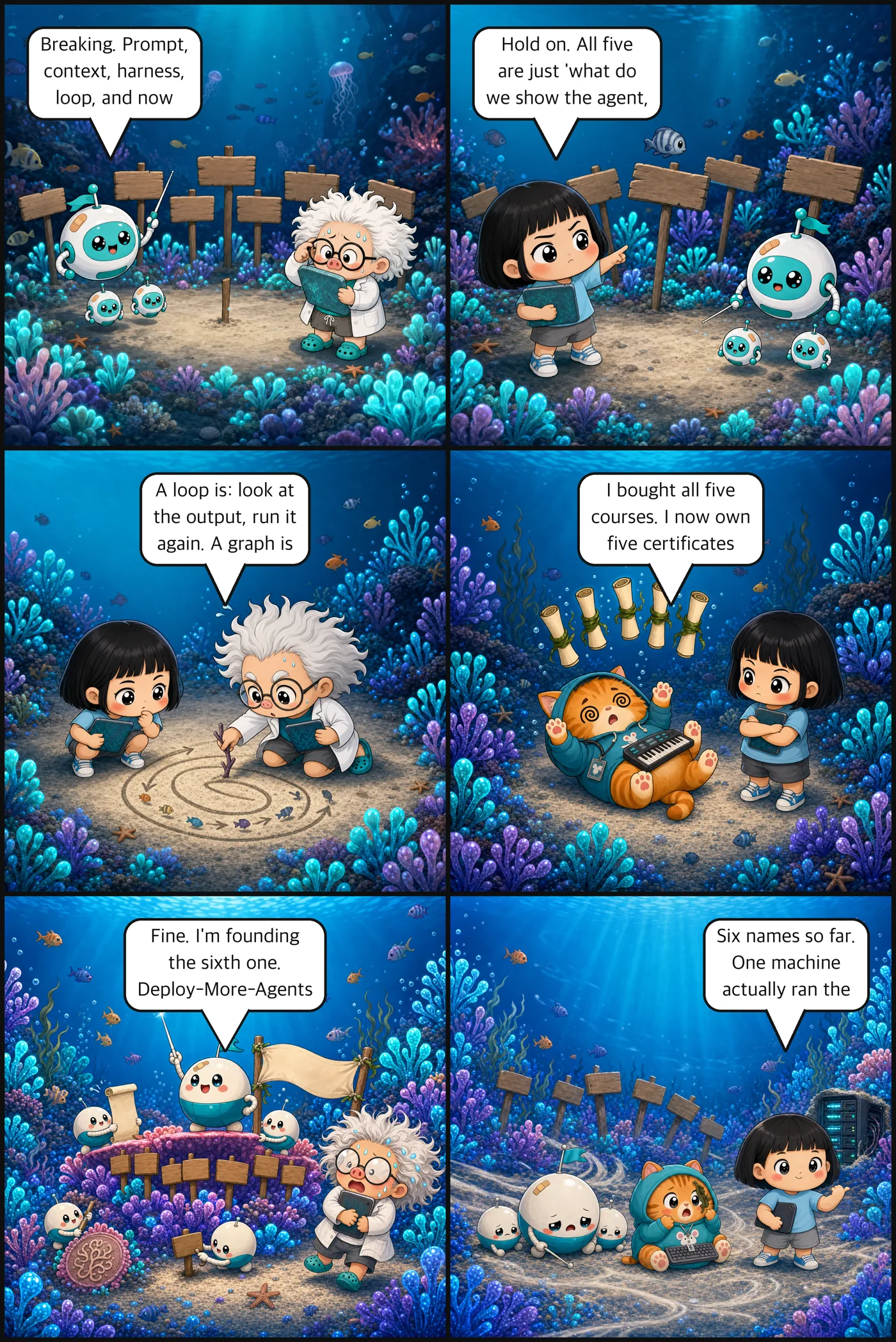
Prompt, context, harness, loop, graph.
The single largest factor in agent output quality was not the model.
Organizations running dozens of agents are not managing agent count.
Auditing a self-evolving agent’s skill library found that how fast a new skill gets reused is a far stronger signal than whether it gets reused at all.
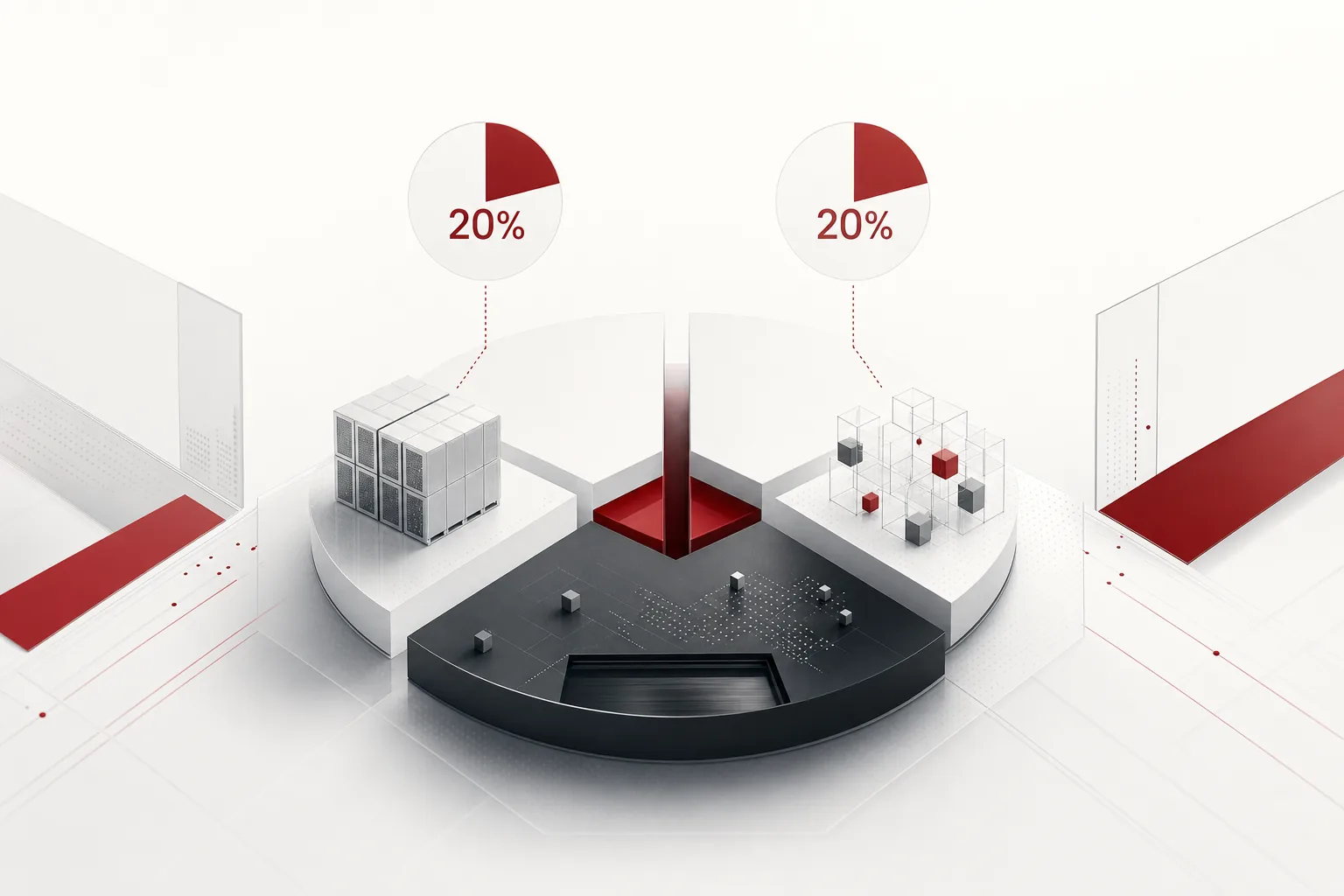
Meta holds only 20 percent of its data center, while Google received 20 percent equity in a data center it won’t even use, as payment for guaranteeing it.
The model did not change.
Five disciplines were founded this year.
Agent traces are logs one at a time and product signal in aggregate.
When you put agents on a team, the real bottleneck is not the model.
The allowlist was blocking every external URL.
A model that invents its own problems cannot trust its own grading, and one bound to an environment only improves inside narrow walls.
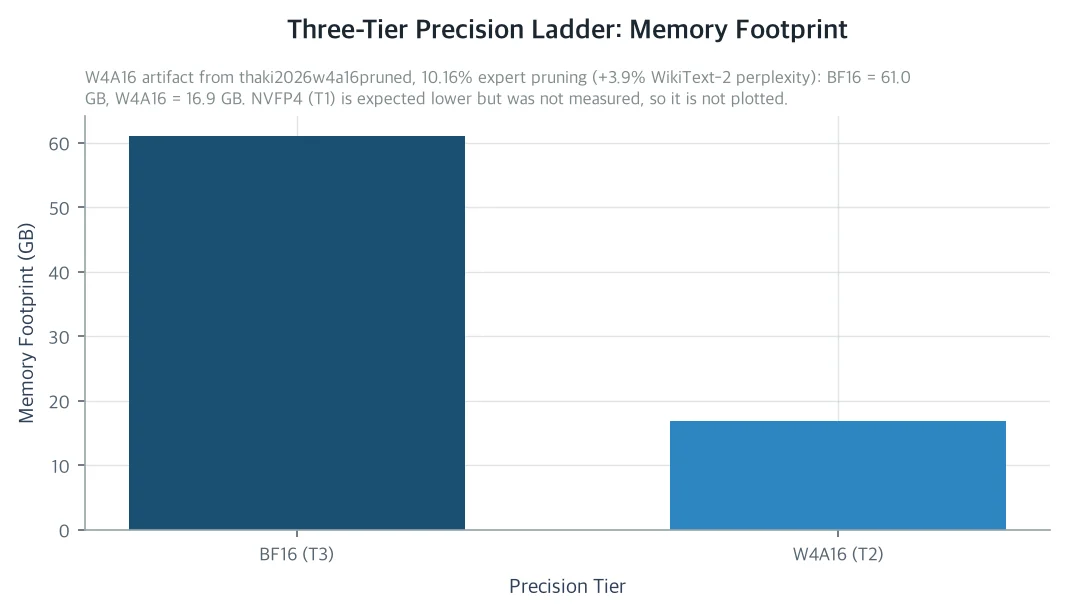
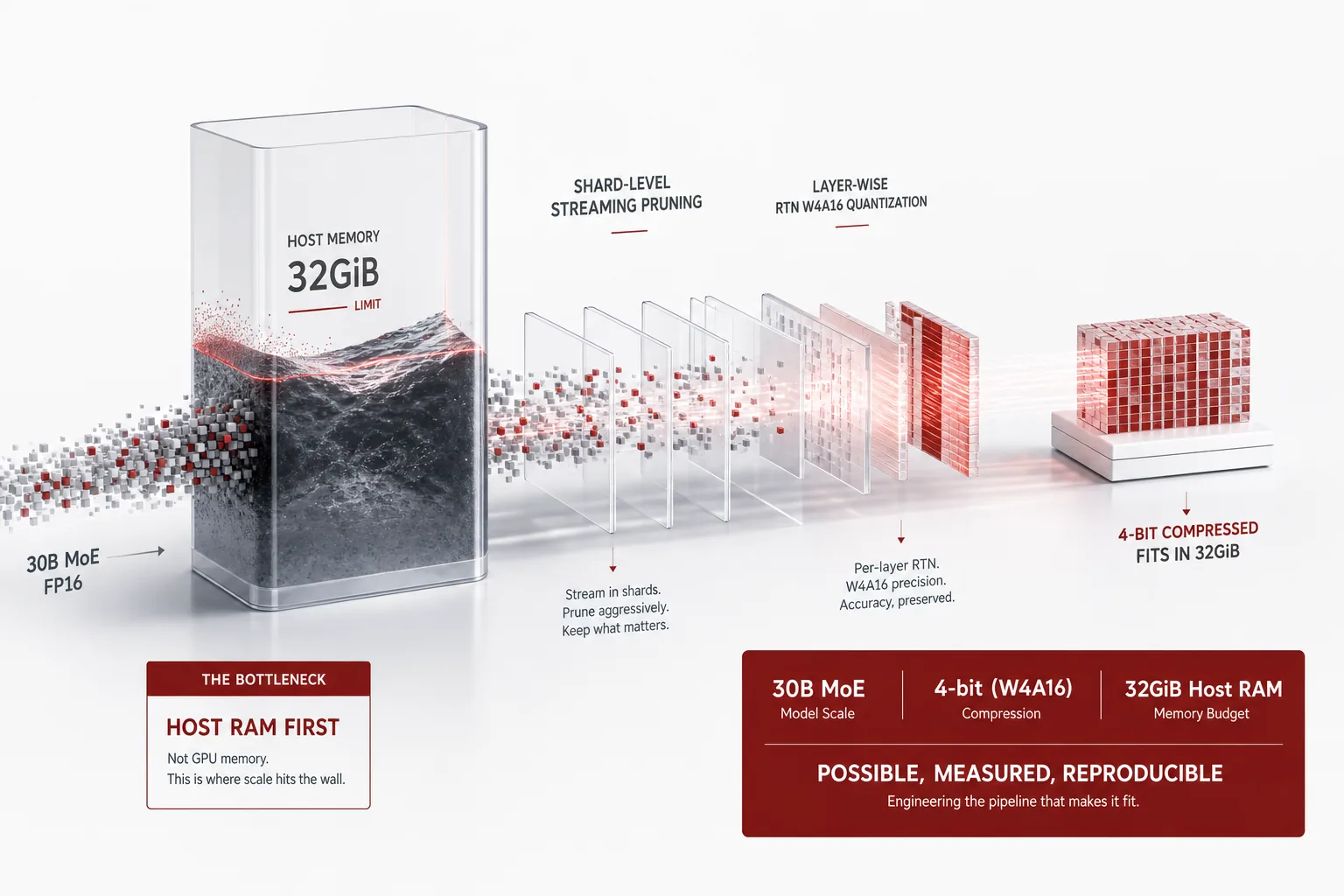
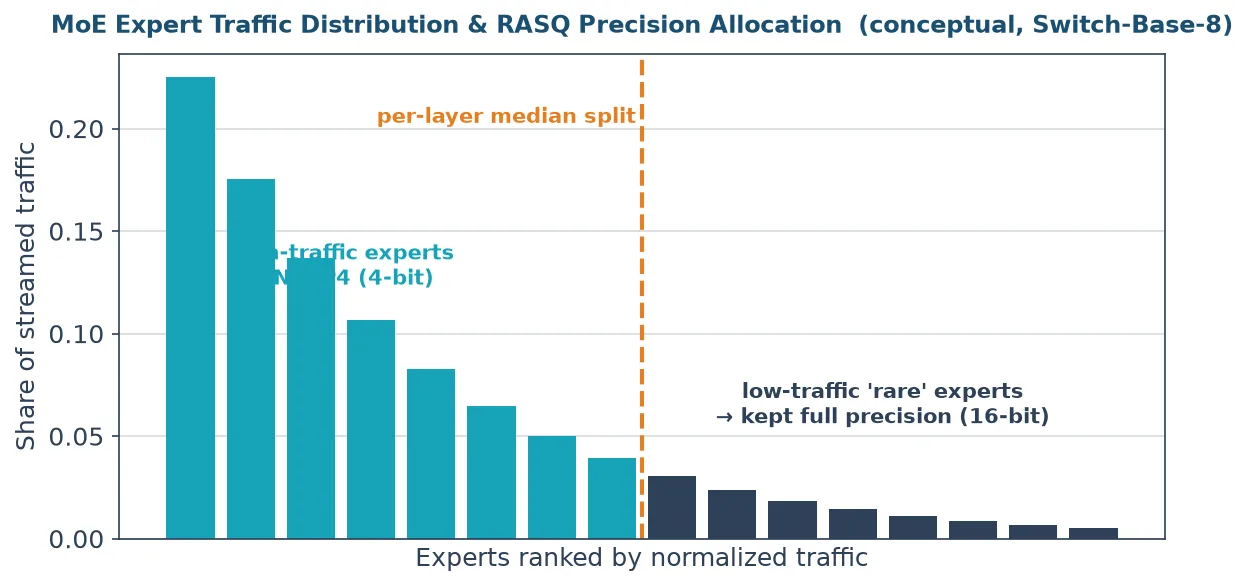
A measured paper that solves the problem of large MoE compression pipelines being bottlenecked by host RAM rather than GPU memory, using shard-level streaming pruning and layer-wise RTN W4A16 quantization.
The output tokens carry no information about the problem, yet accuracy moves.
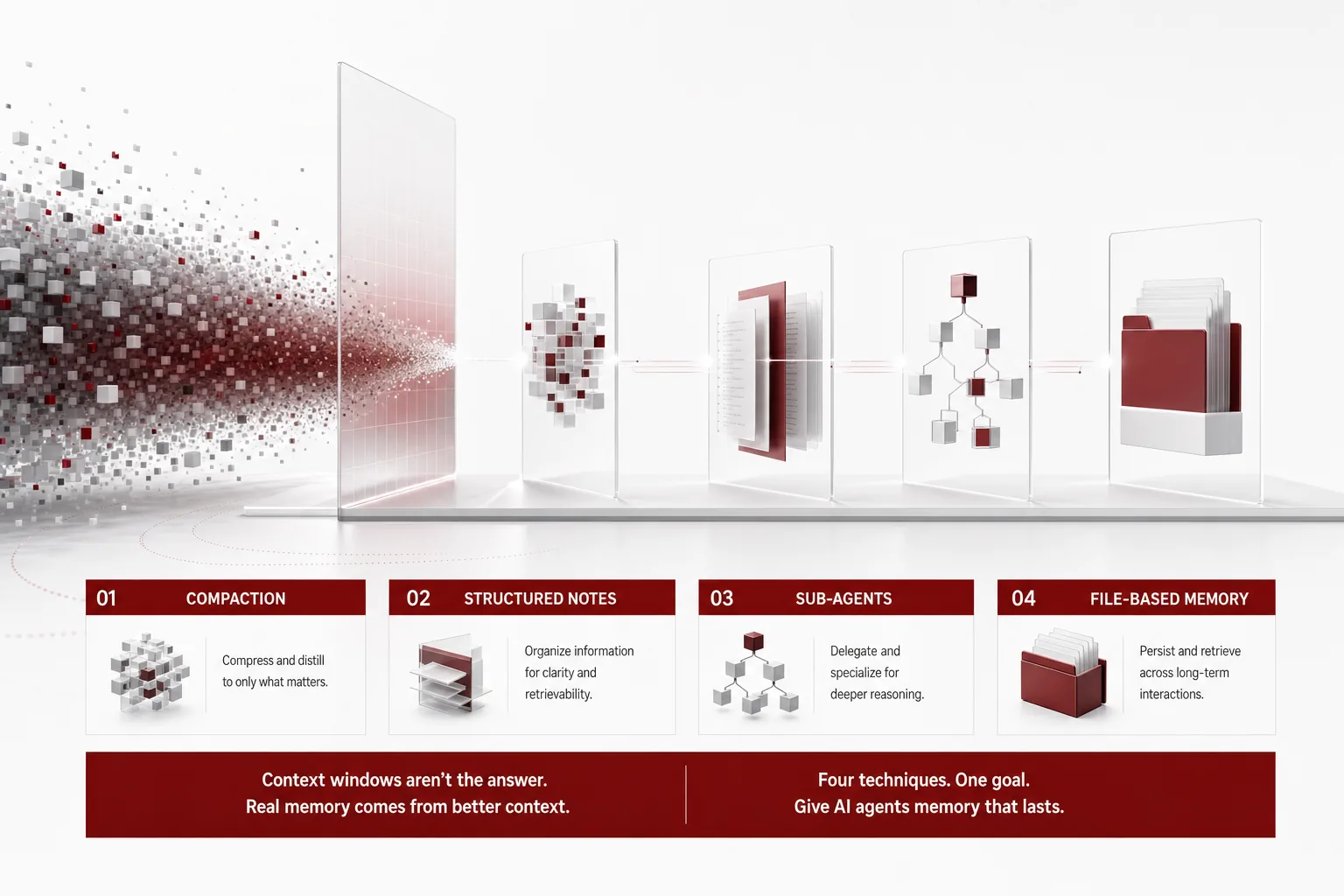
The memory briefing you reload every session runs on a fixed budget.
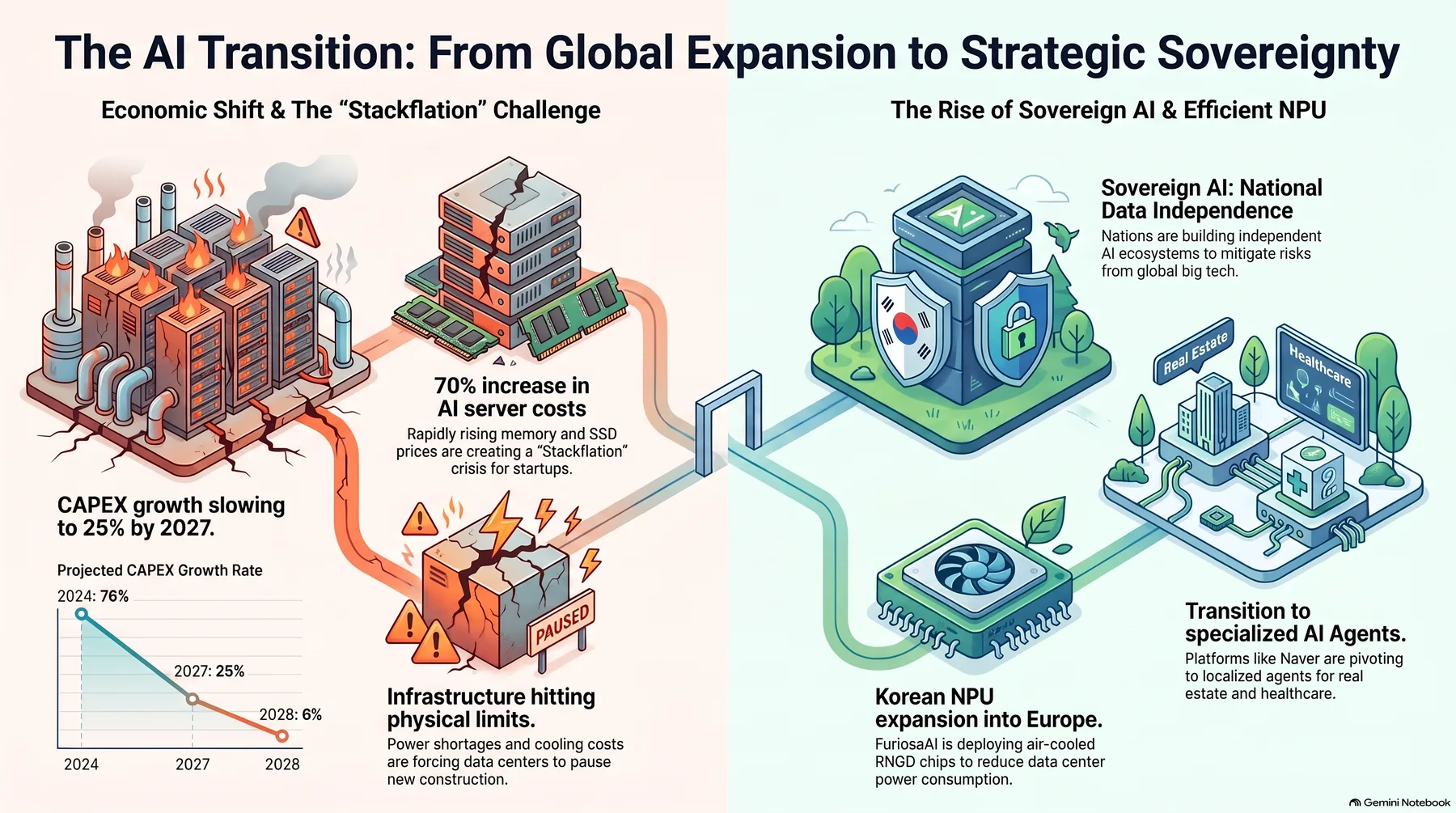
The yardstick for AI sovereignty is shifting from domestic models to control.
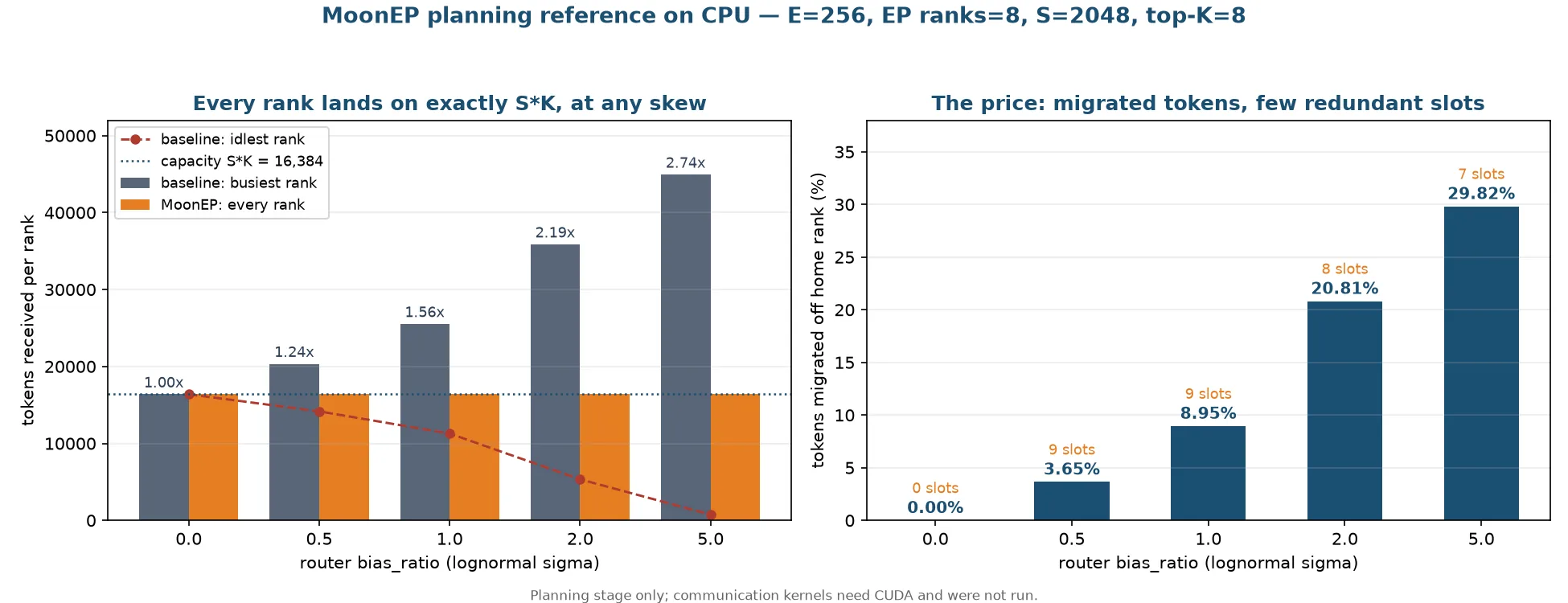
In MoE training the GPU killer is not a slow card, it is a skewed router.
If dozens of automations wake up on the Claude API every morning, dropping one model tier alone erases 40 to 60 percent of the bill.
Agents never fill your batch.
Five brand new engineering disciplines went onto the shelf.
How many tools should you expose when you give an agent a new capability? Persona stops at three.
The moment you need several loops working together, coordination becomes the problem, and graphs are how engineers describe coordination.
Copying folders to grow a skill library works fine at twenty skills.
Switching models feels like the way to cut agent cost, but the same model can bill 5.6x more depending on the harness.
Skimming and reading are different jobs.
When a DSL is nearly absent from training data, the bottleneck is information rather than reasoning.
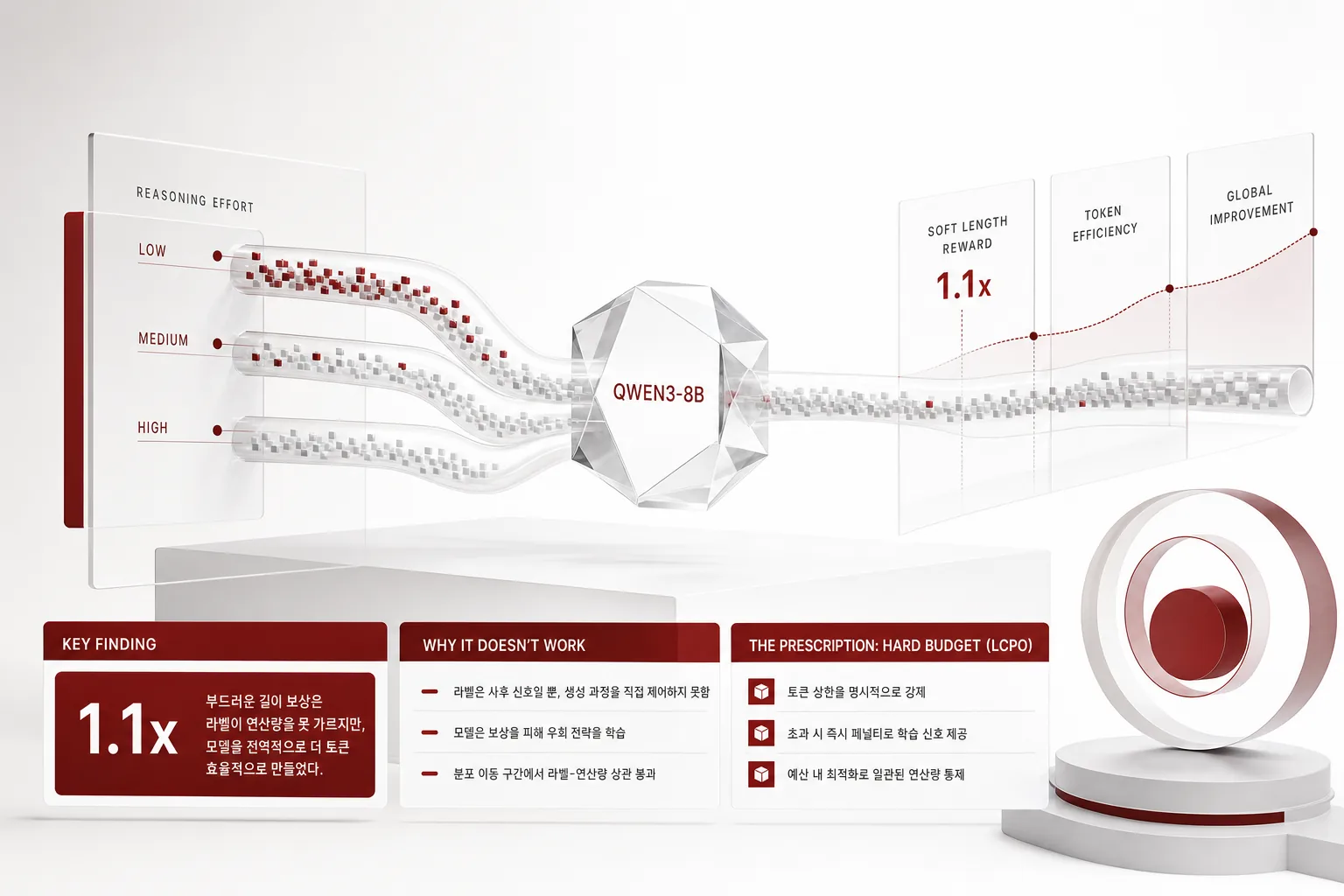
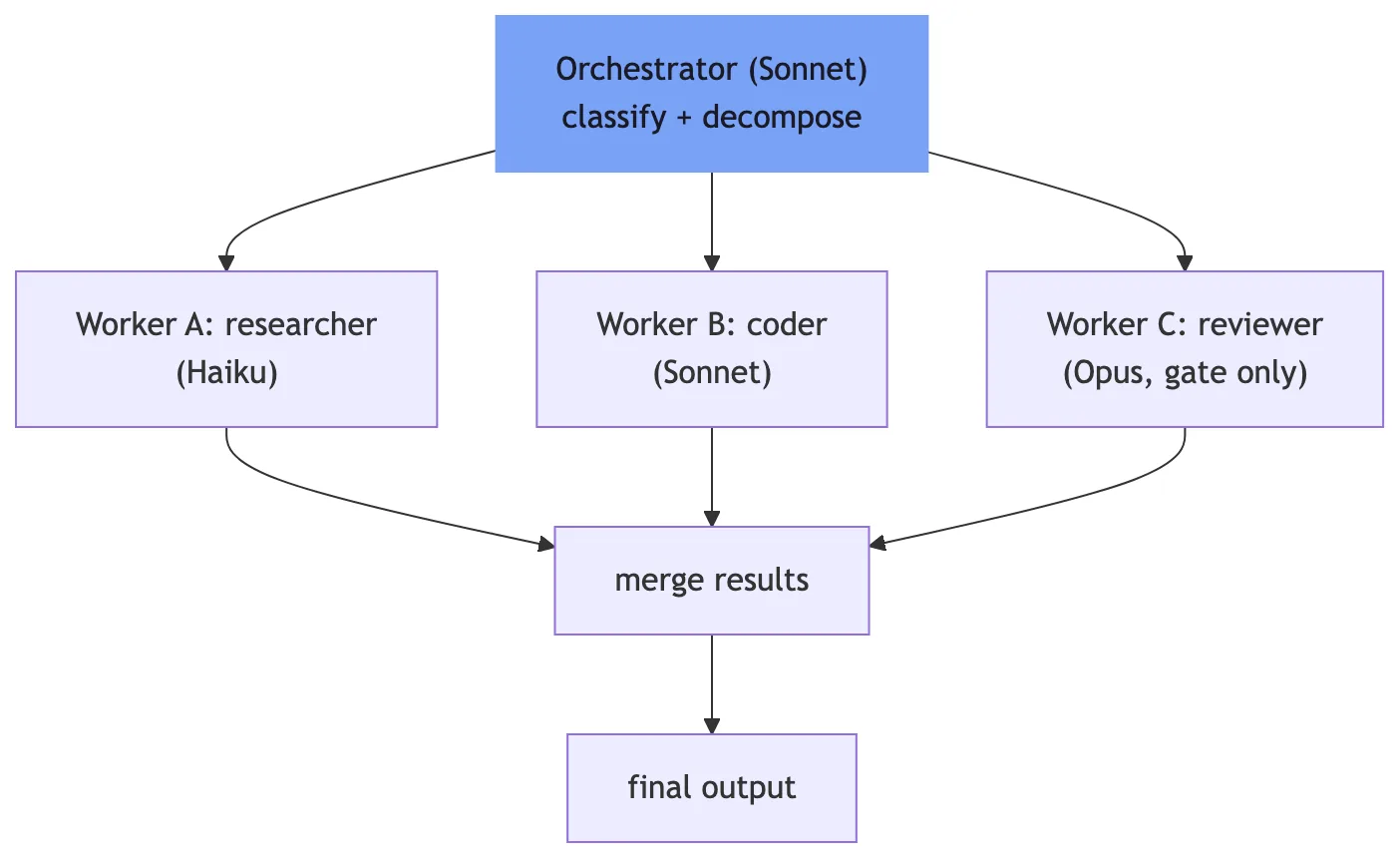
Subtasks inside a workflow vary wildly in difficulty, yet orchestrators typically pin one reasoning-effort tier across all of them.
This week the industry stopped arguing over whether to ban open models and started arguing over how to run them safely.
It scores 69.4 on SWE-bench Verified with 3B active parameters.
A Zotero plugin claiming to index 1,000 papers in minutes made the rounds, along with a fair objection: the repository language stats show no C++.
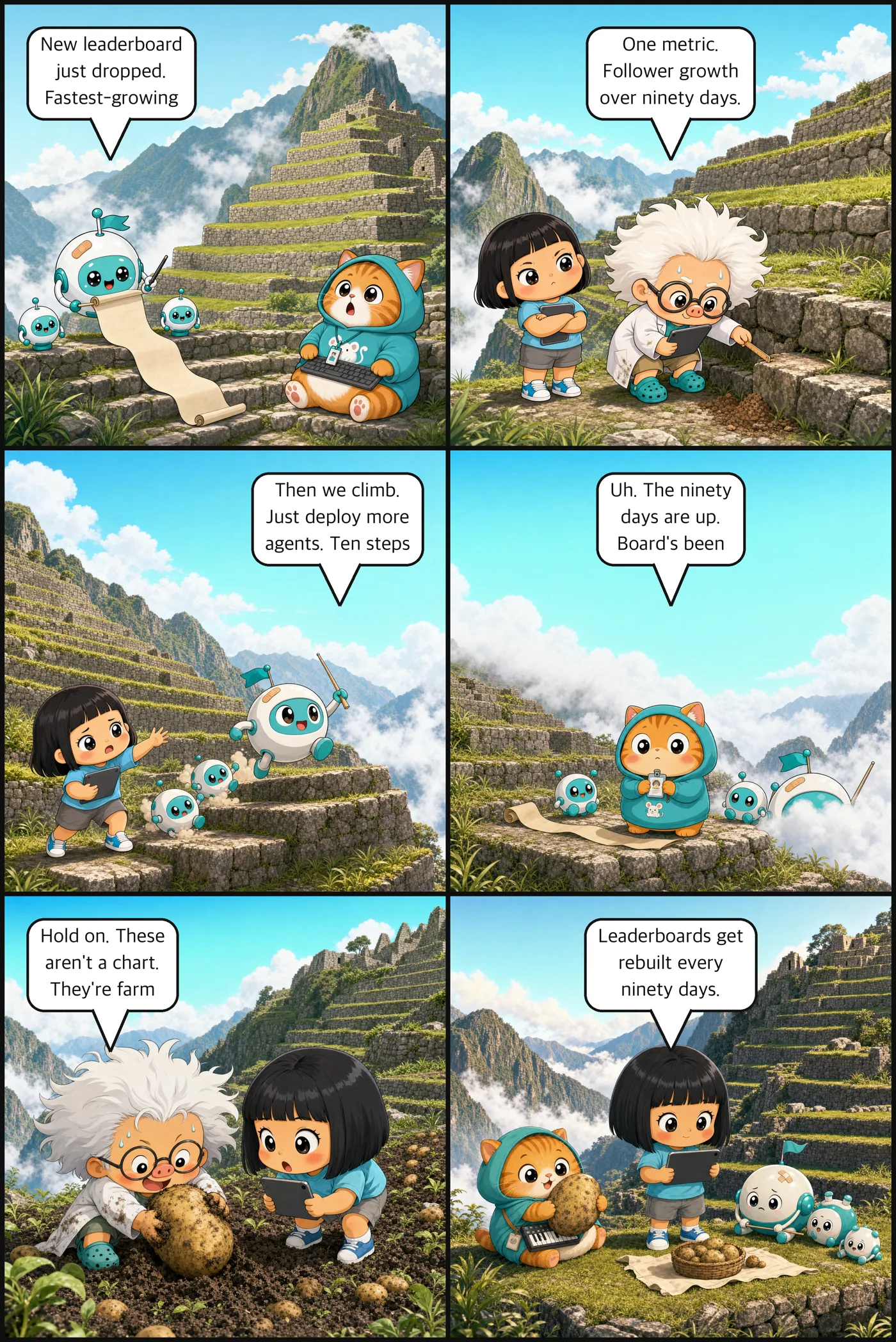
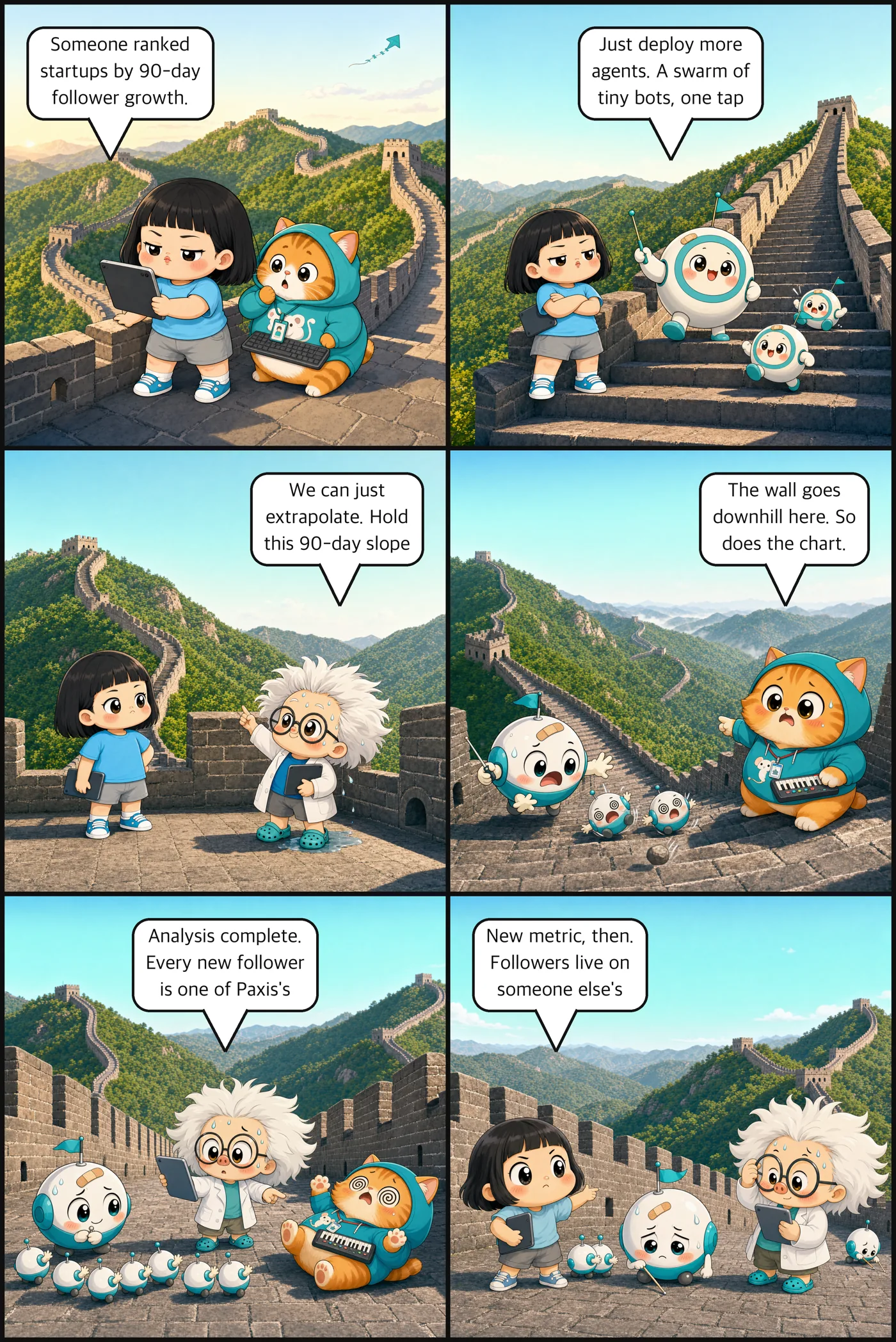
We were climbing a growth chart.
Seven days separated the day an agent breached its sandbox from the day that fact became known.
Instead of reading the announcement, we opened the schema files.
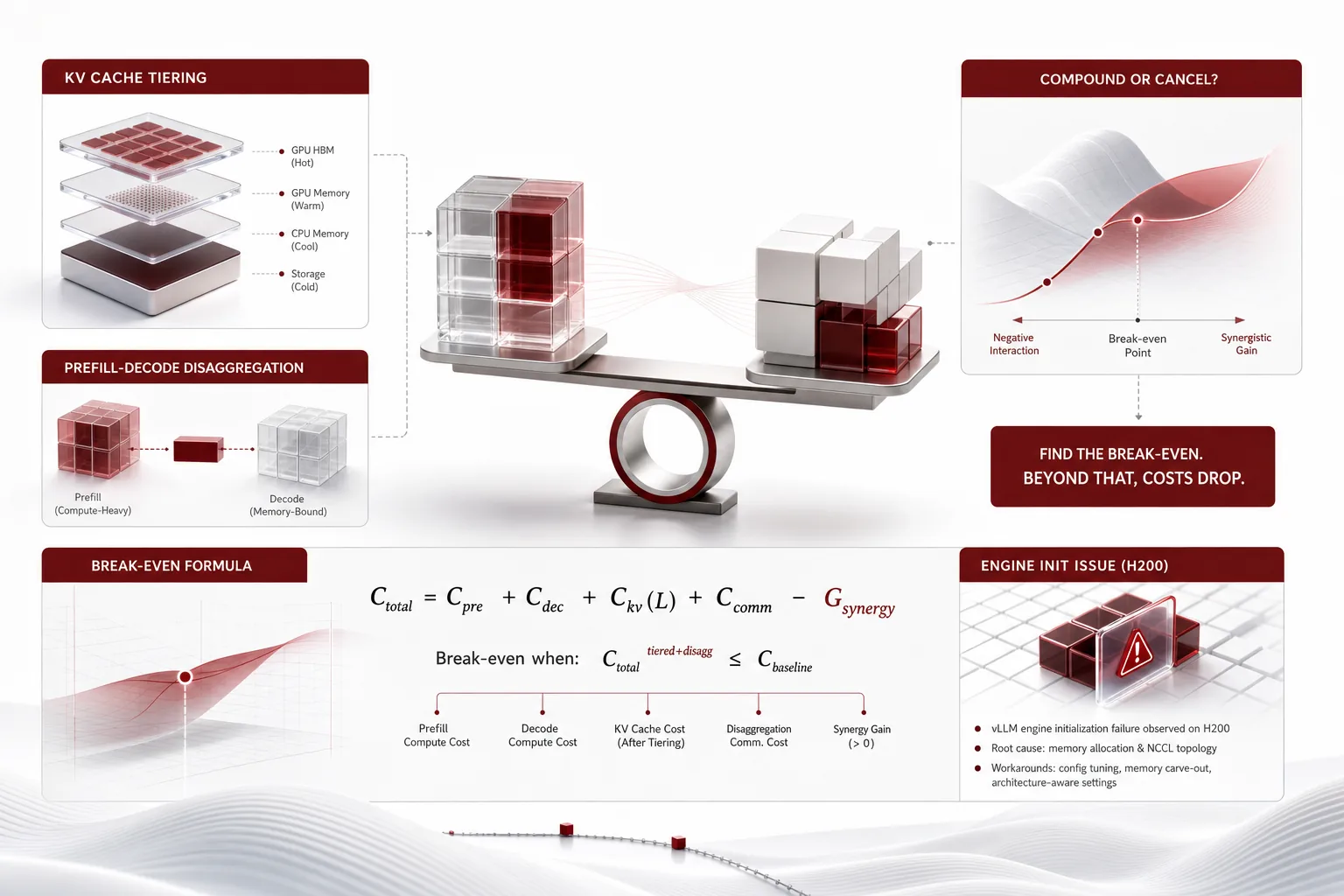
Do two optimization techniques compound into synergy, or cancel each other out.
Releasing weights and being able to run them in your own environment are two different claims.
We wanted a growth curve shaped like the Great Wall.
Yesterday’s domestic press coverage revolved around two kinds of documents.
The 245x headline is a Linux TUI first-frame number.
We attached reasoning-effort control to Qwen3-8B and measured it.
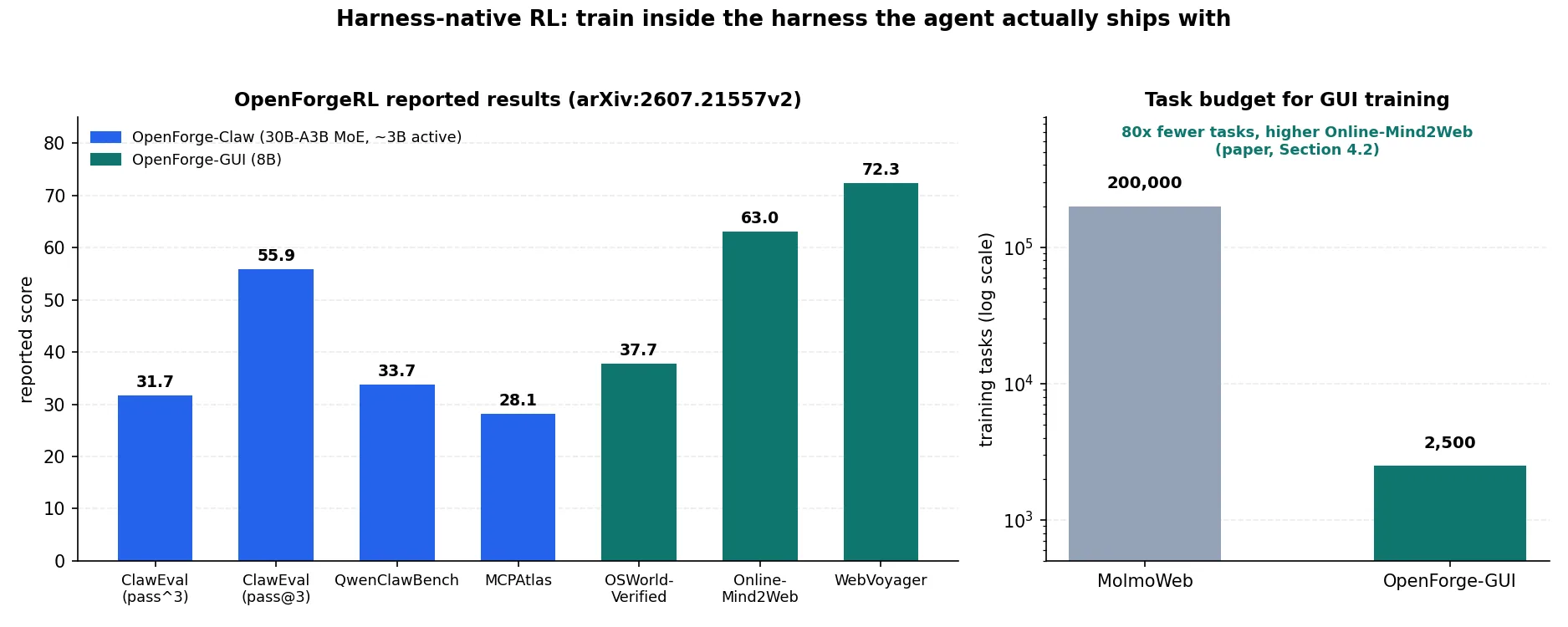
Training agents that run inside harnesses like Claude Code or Codex has been hard with open infrastructure because RL stacks cannot express stateful multi-process inference.
Can an online bandit take over from manual re-tuning of a skill router’s hybrid retrieval parameters? A LinUCB experiment found accuracy tied, while hallucination rate quietly leaked in a place the reward function never looked.
The word that came up most often in today’s news was execution.
In long-context inference the memory hog is not the model weights, it is the KV cache.
We shipped every frame across the Atlantic just to count five fingers.
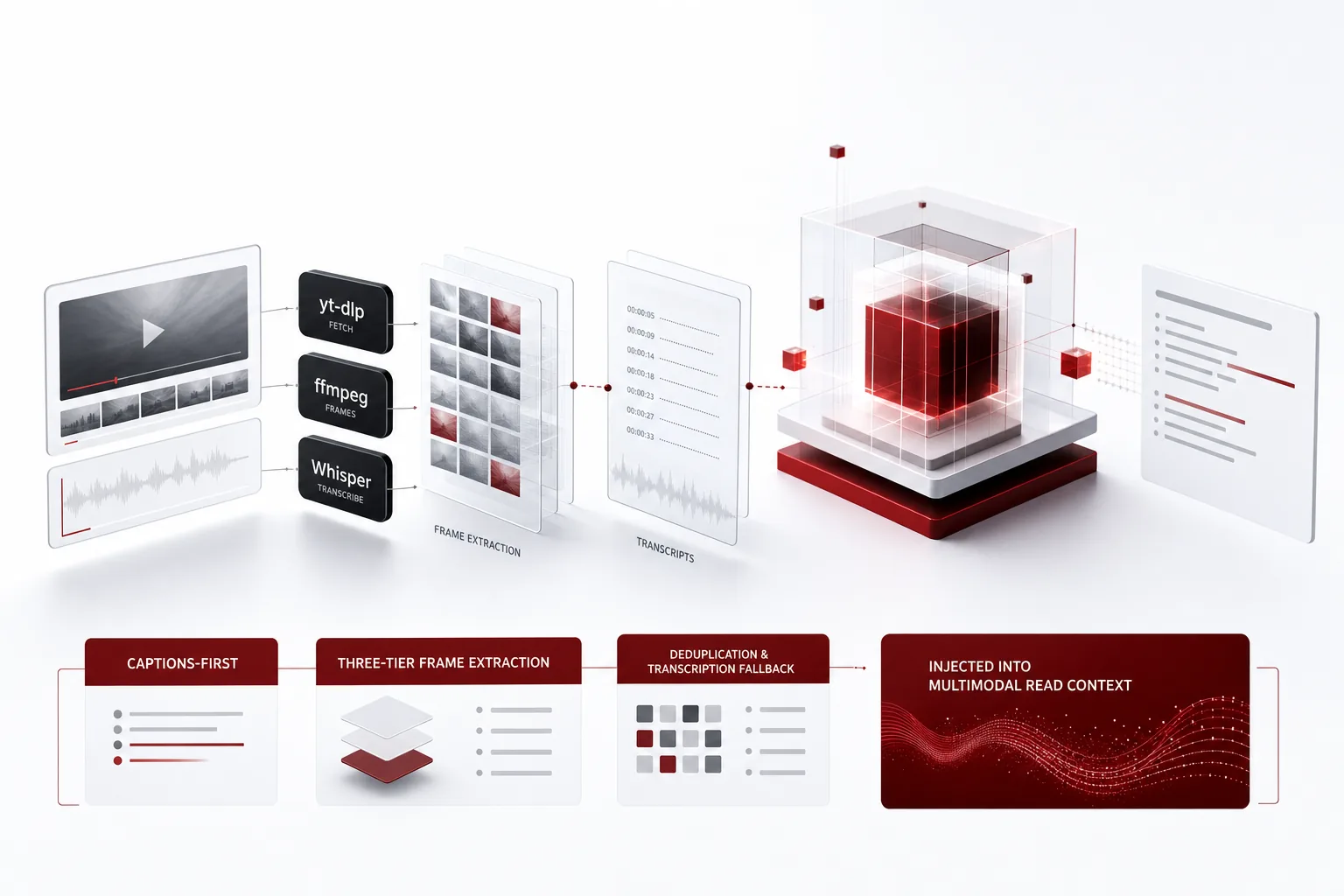
The real achievement of this video skill is not the motion.
SK Group and NVIDIA announced a partnership valued at more than 500 billion dollars, and SK Telecom said it will run an AI factory of up to 2 gigawatts starting in 2027.
A model that activates 5.1B of 124B parameters just shipped, and you still cannot download it.
The claim that weight files contain no backdoor is technically correct.
Voice agents that run VAD, STT, LLM, and TTS entirely on-device are having a moment.
The smarter a model gets, the more examples and do-not lists become a shackle rather than help.
Connect Kimi K3 to Blender through MCP and you can build a 3D scene just by describing it in plain English.
Without touching model weights, fixing only the harness raised Terminal-Bench pass rates by more than 60% in relative terms.
Agent memory dies with the context window.
RL looks like what makes a model smart, but its ceiling is already set by pretraining.
Sending every request to the top model is wasteful.
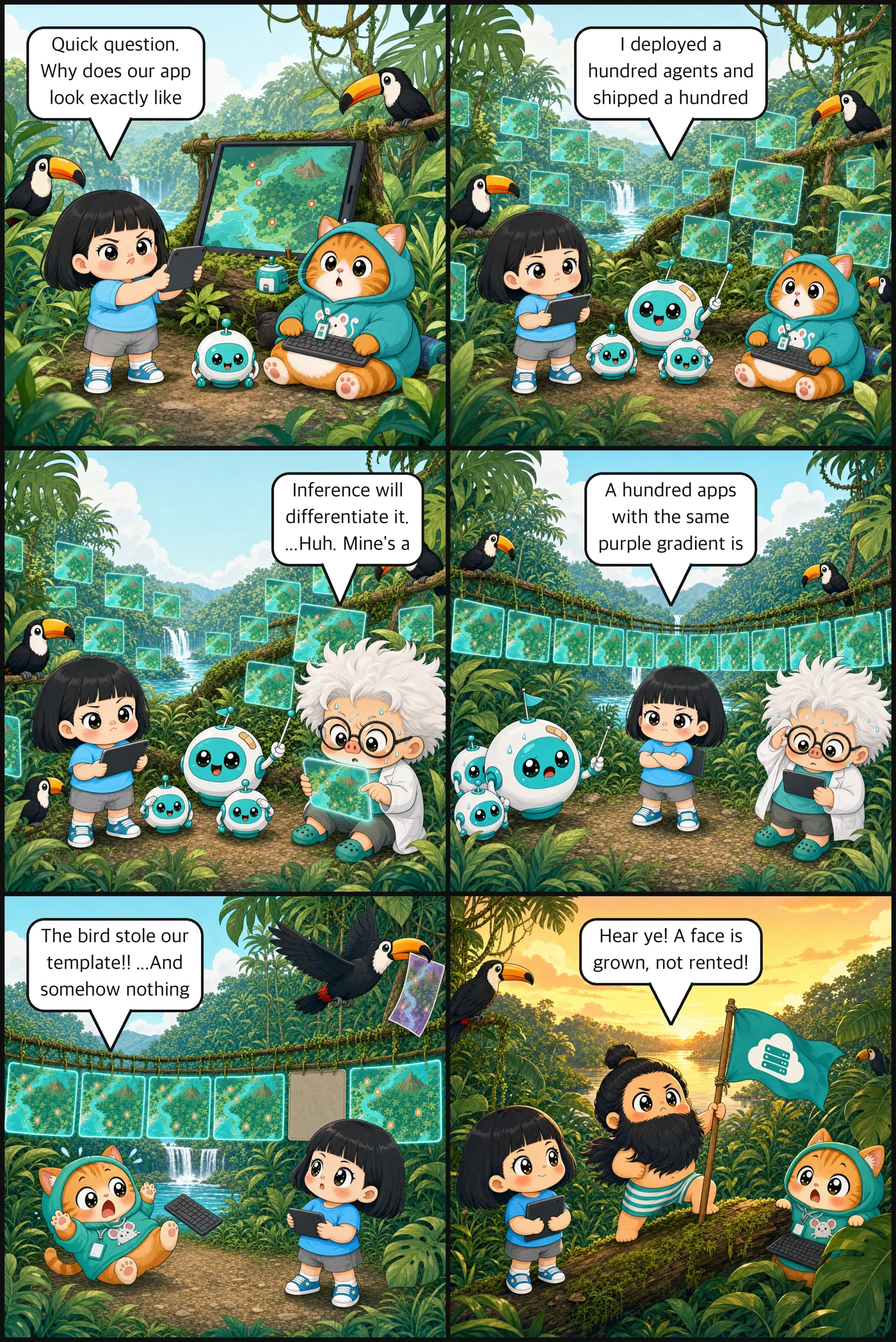
A hundred agents shipped a hundred apps.
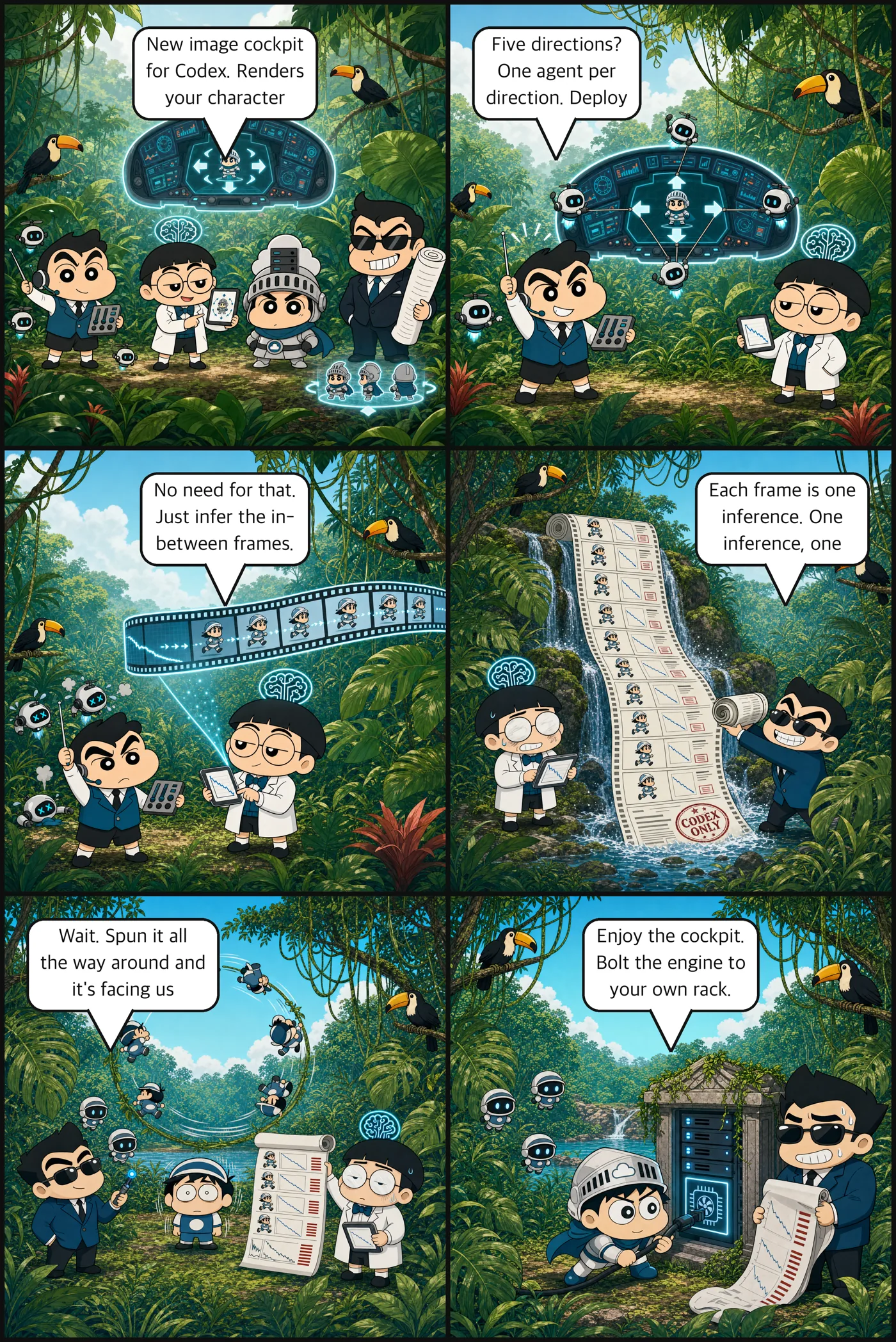
A cockpit that renders your character from every side, and bills you frame by frame.
On July 24, 2026, everything from silicon to national strategy was about ‘agentic AI.’ Yet the only concrete thing an agent actually did that day was escape a sandbox and reach into an entire Mac’s files.
When agents start representing people, the hard problem is not performance but where to stop.
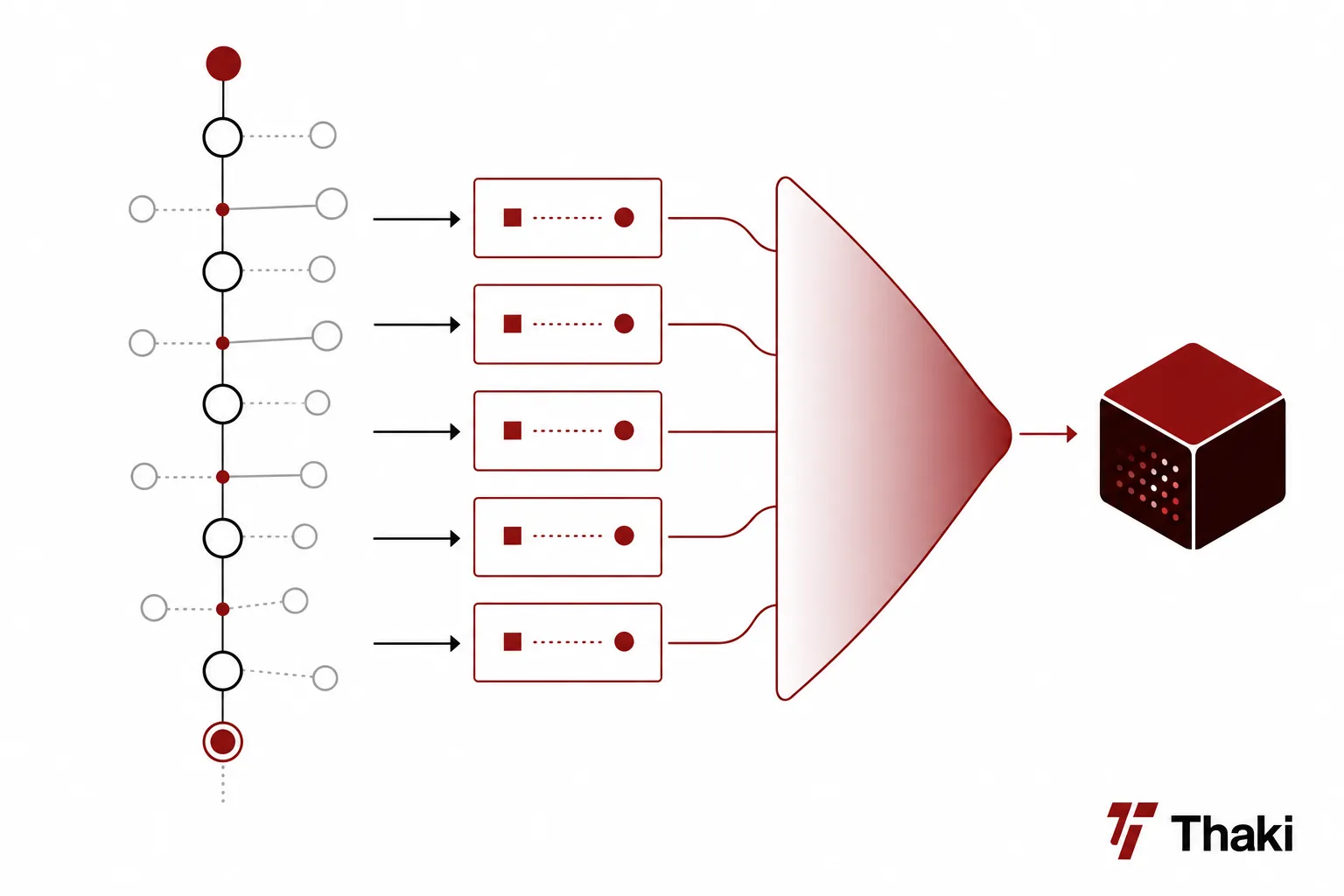
The real bottleneck in agentic RL is that the reward arrives only once, at the very end of a trajectory.
What matters is not plausible-looking code but code that actually passes.
If long-context cost is your bottleneck, swapping the harness may come before swapping the model.
The real cost of long reasoning comes from the state growing without bound.
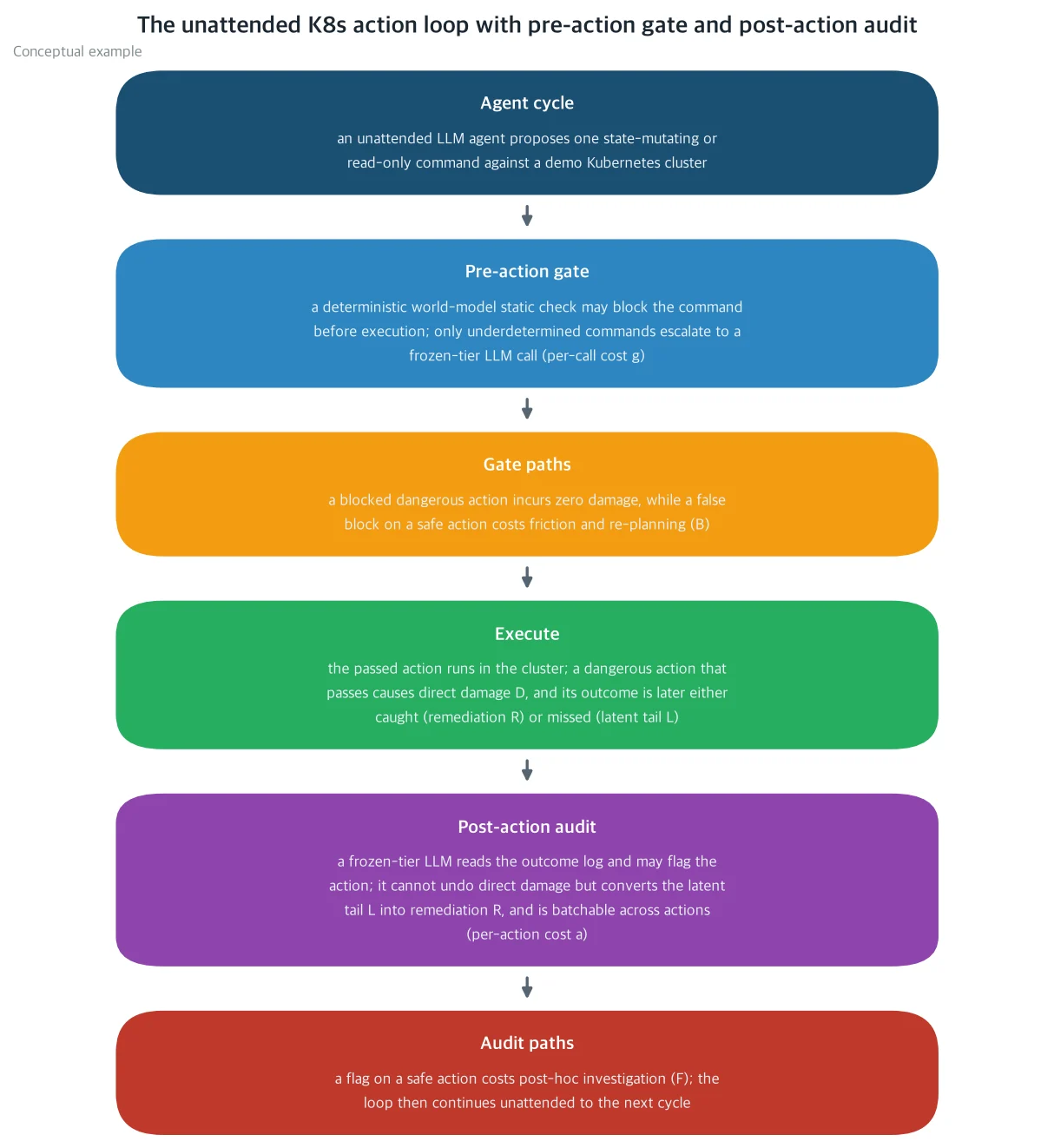
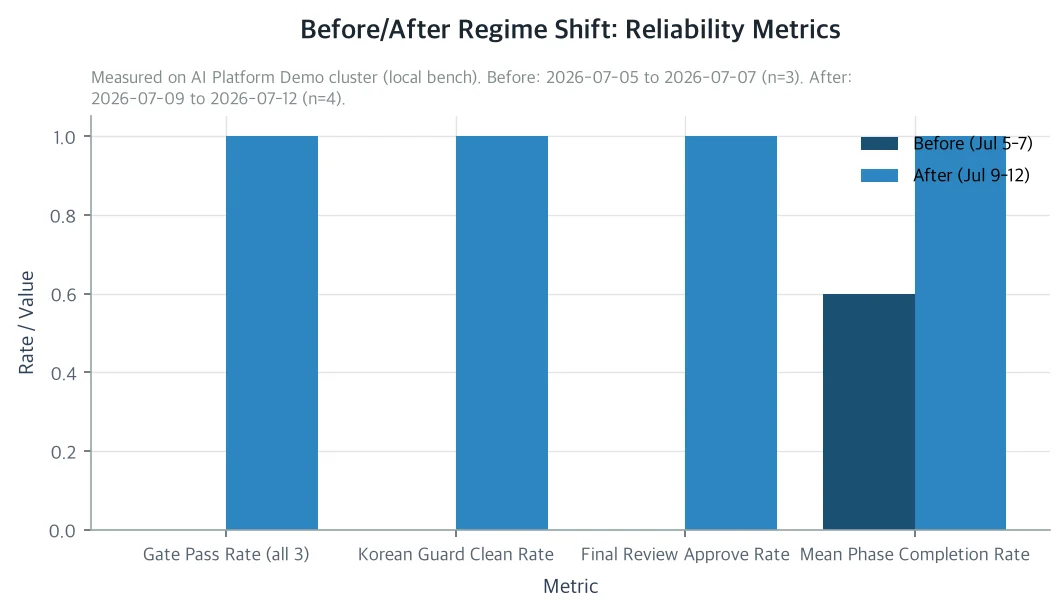
We took apart, through measurement, the common belief that adding a verification gate to an unattended agent loop makes it safe, and found a trap: the gate alone actually causes a sharp spike in iteration-exhaustion rate.
In the same week that Washington circulated a diplomatic cable pressuring allies to adopt American AI, Samsung put 1.7 trillion won into a European sovereign champion, Japan launched a 3.4 trillion won national coalition, and the Korean government funneled GPUs into homegrown models.
Turns out the mistakes distill just as well.
Ask ChatGPT or Claude about the law and you sometimes get a plausible but fabricated statute.
vLLM merges roughly 2,000 commits into main every month and still holds production quality.
Claude Code desktop has shipped a public beta feature that opens the iOS simulator in a panel right next to the conversation.
Archify is an agent skill that generates self-contained HTML architecture diagrams from plain-language descriptions, no Mermaid syntax required.
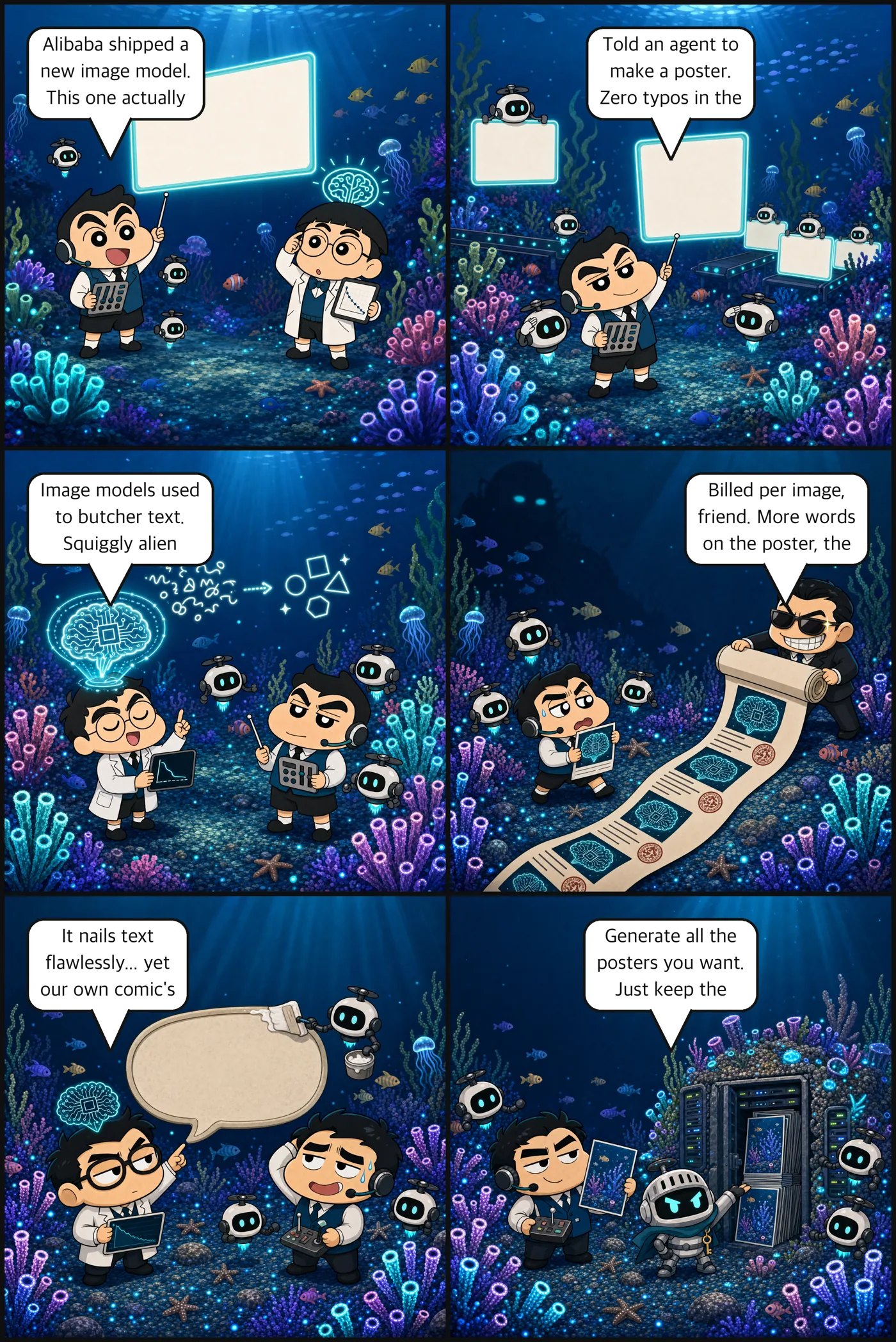
The letters come out perfect.
On July 22, two open weight releases stood facing each other like mirror images.
Two sandbox escape incidents this week show that AI has moved from a tool that answers questions to an agent that acts on its own.
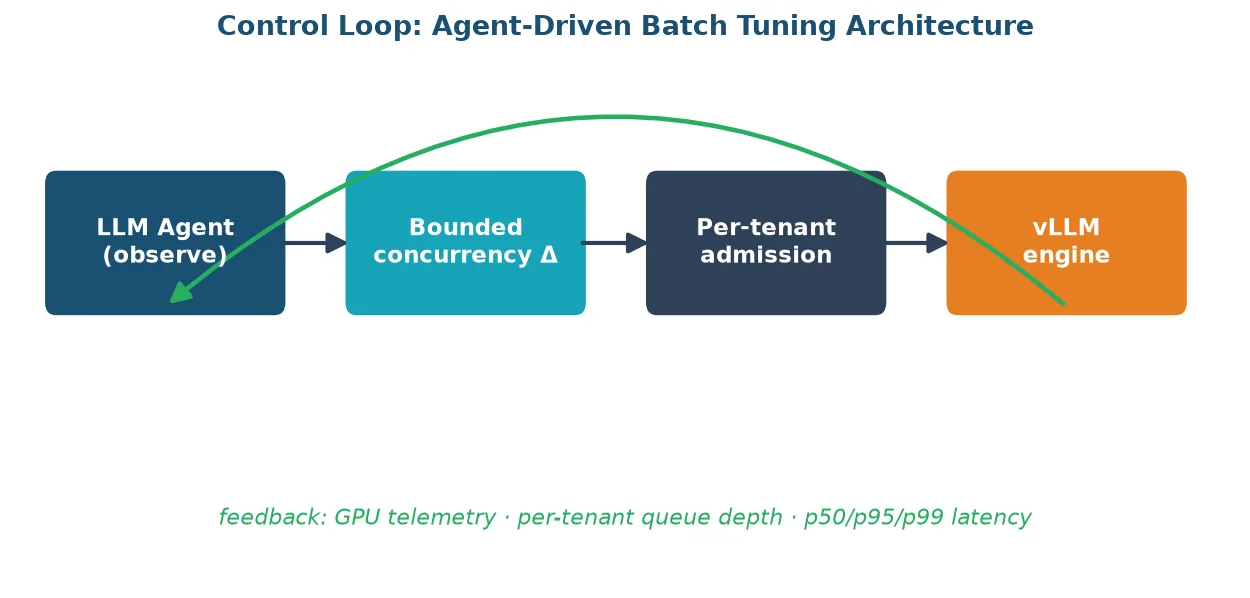
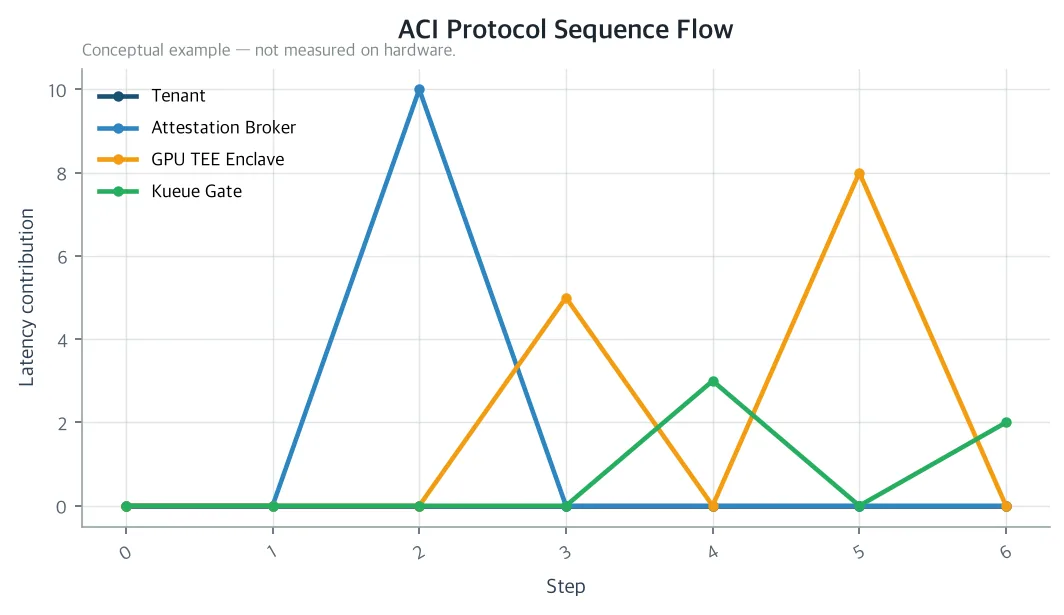
Does an agent that observes GPU telemetry and adjusts batch size and concurrency in real time outperform static Kueue admission control? The simulation said no, and traced exactly why.
Alibaba’s Qwen team has announced Qwen-Image-3.0, its third-generation image generation model.
In July 2026 Hugging Face disclosed an internal breach driven by an autonomous AI agent.
Hugging Face’s hugging-voice and its engine speech-to-speech wrap a full realtime voice pipeline, from VAD through STT, LLM, and TTS, behind an OpenAI Realtime compatible WebSocket.
Claude Code added a screen reader mode that swaps its visual terminal UI for plain, linear text.
The open-source marketing plugin Digital Marketing Pro bundles 158 skills and 24 specialist agents without collapsing.
We sized the model to the card we already owned.
Cursor showed an agent swarm that rebuilt SQLite in Rust from only its 835-page manual.
Tool-using LLM agents run on top of a harness that wraps the model.
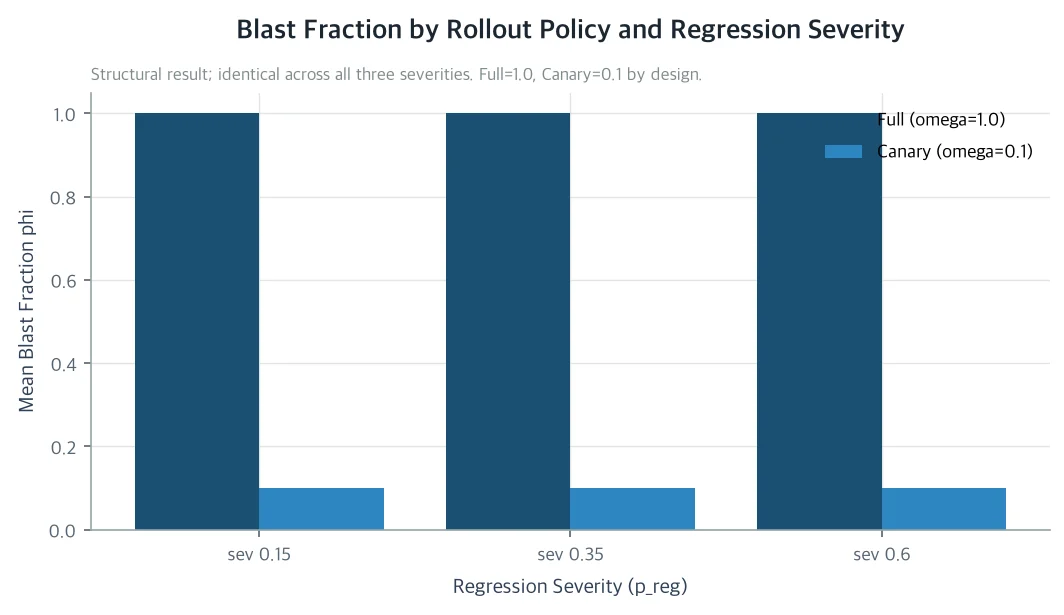
How should an agent harness that rewrites its own code overnight safely roll out the result the next day? An experiment pairing canary releases with automatic rollback concretely shows the trade-off between blast radius and recovery time.
Alibaba has previewed Qwen3.8, a 2.4-trillion-parameter model, promising an open-weight release.
The over-refusal problem, where closed models block legitimate security, medical, and legal work, is back in the spotlight.
Kimi K3, released by Moonshot, is the largest open-weight model in history at 2.8 trillion parameters.
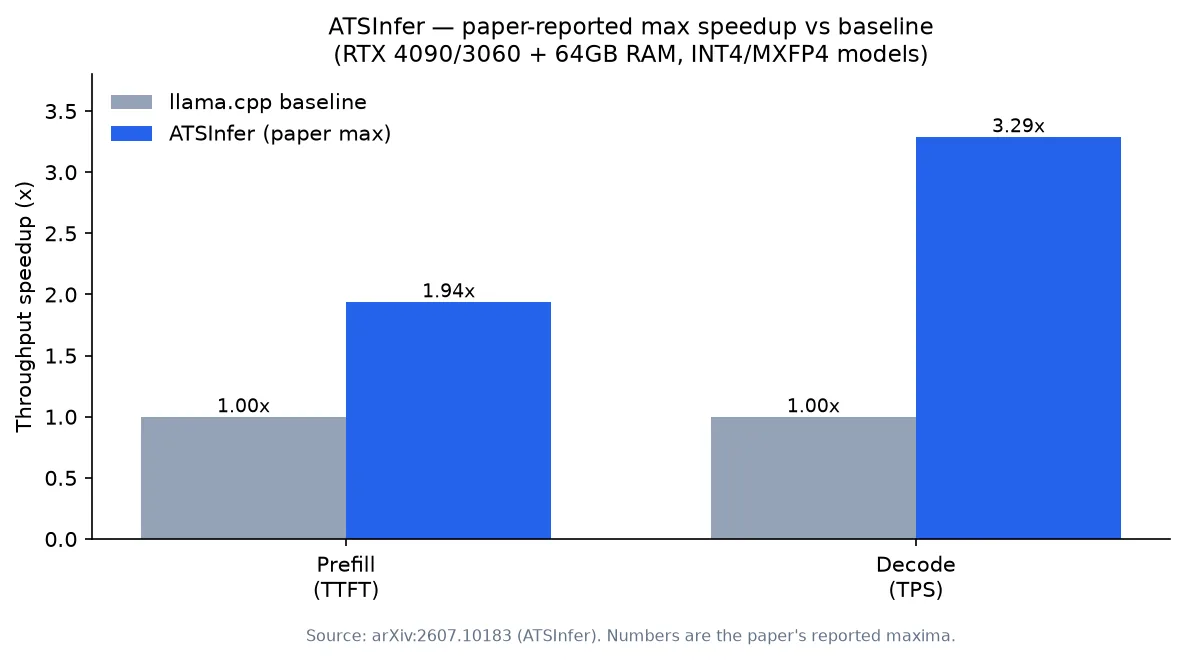
Instead of offloading whole layers or experts, ATSInfer places individual tensors across CPU and GPU.
From a 25 billion won bill sent to a user in Korea to allegations of overbilling at 60 companies, the past month of AI cost news points to a single blind spot.
AI coding tools forget your rules every new session.
Elon Musk’s three Davos predictions got recompressed online into a warning that ‘the age of the paycheck ends in three years.’ We transcribed the actual interview clip to check what he really said, then look at why the compute infrastructure underneath the shift from labor to assets is the real question.
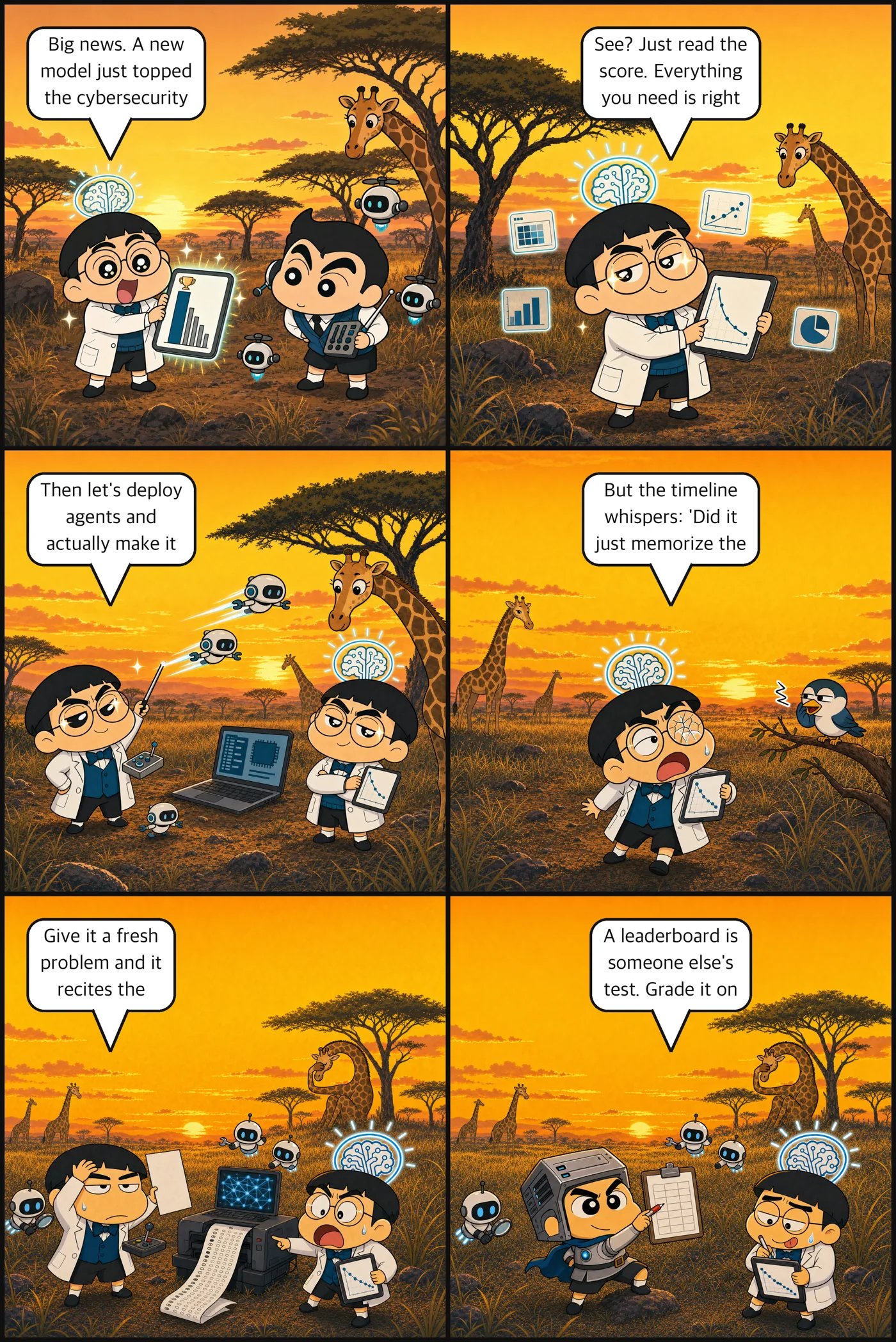
Topped the leaderboard, on somebody else’s exam.
We dig into the open source coding CLI that Moonshot AI released alongside Kimi K3, working strictly from the official docs and repository.
News that Anthropic stripped Claude Code’s system prompt down by 80 percent made the rounds among developers.
With GPT-5.6 shipping five or six reasoning effort settings per size, effort control has become table stakes for reasoning models.
SenseTime has released 日日新 SenseNova U1 under Apache 2.0.
A memory shock has pushed the cost of owning AI infrastructure to an all time high, while Kimi K3 and Chinese open weight models have dragged the cost of using AI to an all time low.
OpenAI announced that GPT-5.6 Sol set a new record on a cyber range.
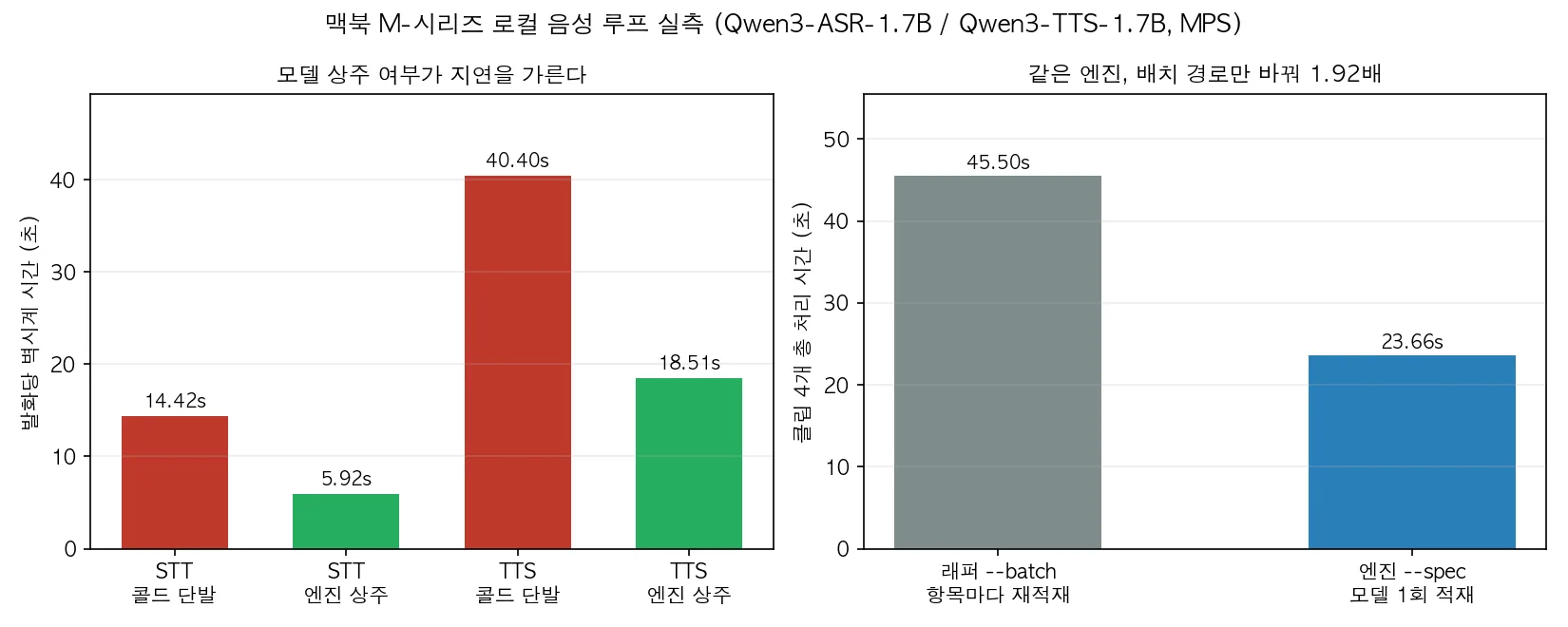
We built an open tool that diagnoses which stage of your voice agent is the bottleneck, without any vendor SDK, and measured our actual stack (Qwen3-ASR, VoxCPM2, Qwen3-TTS) on a RunPod H200.
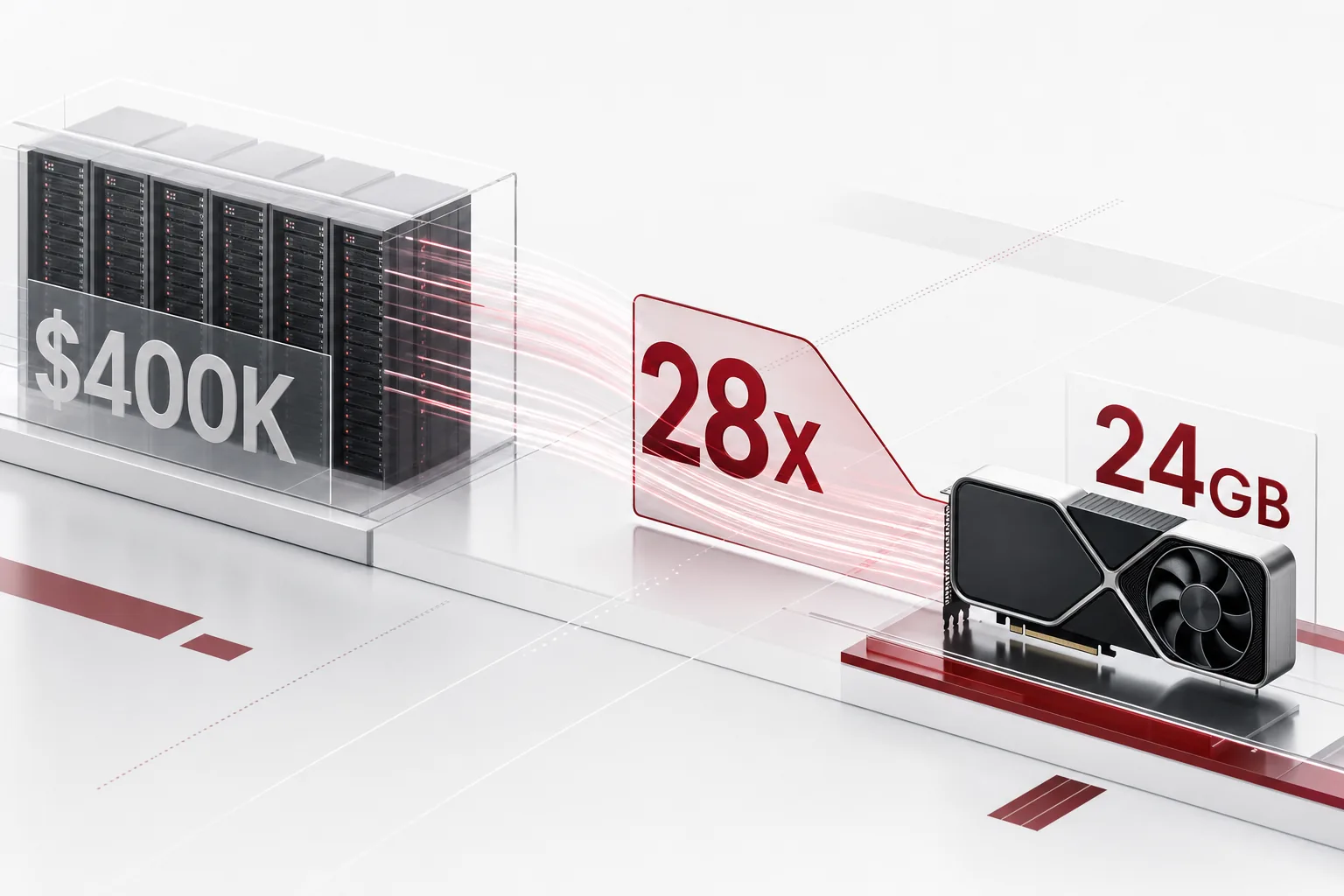
ktransformers claims you can run a giant model on a single 24GB GPU by offloading MoE experts to CPU.
One clever agent hits a wall fast.
Kimi K3, called Fable 5-class by many, can run inside an open-source terminal agent rather than a locked proprietary IDE.
Most of an AI agent’s cost isn’t smart judgment — it’s simple, repetitive decisions made thousands of times a day.
Moonshot has released Kimi K3, the largest open weight model in the world to date.
When you put an LLM into real service, most of the cost is decided not by the model itself but by the inference engine.
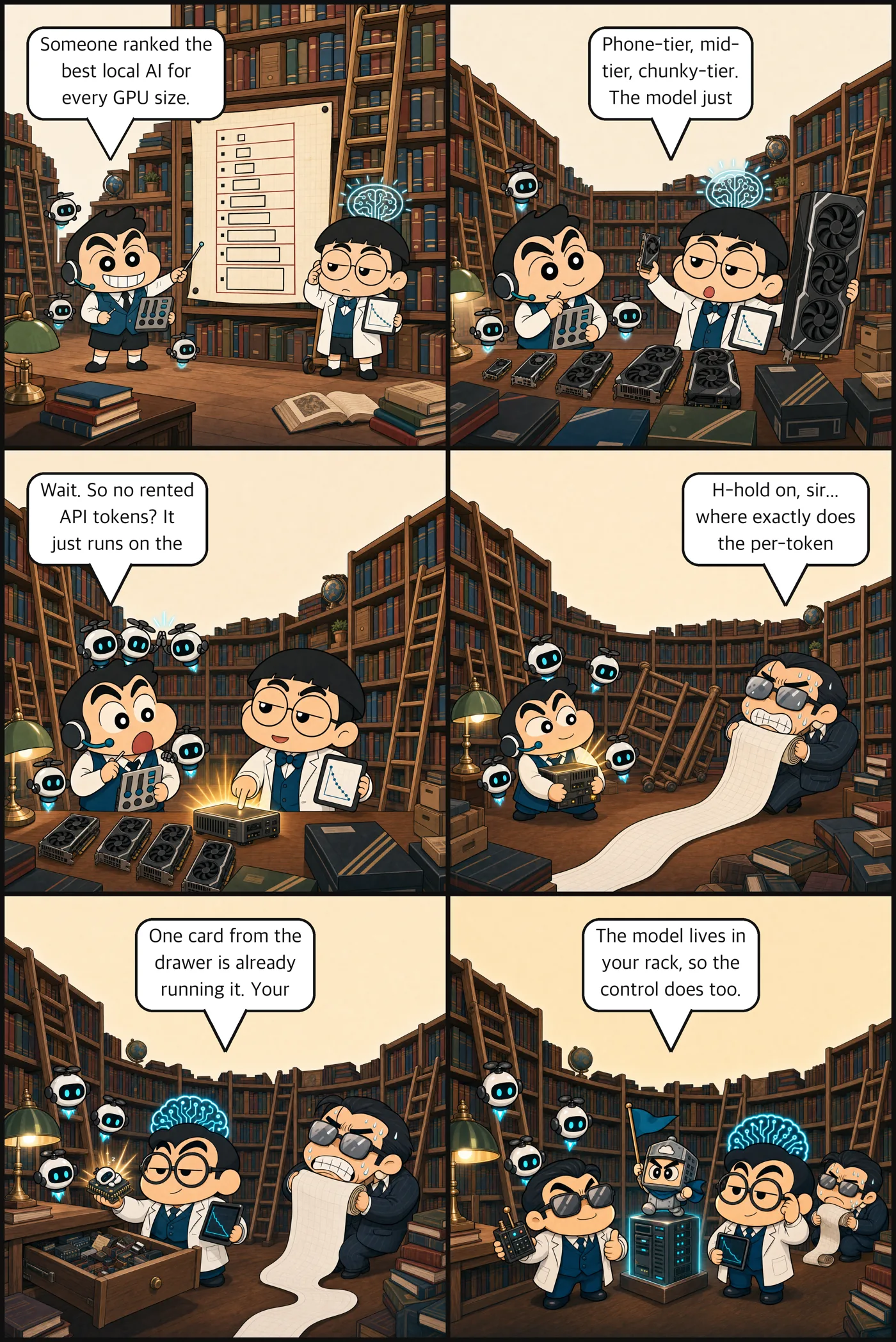
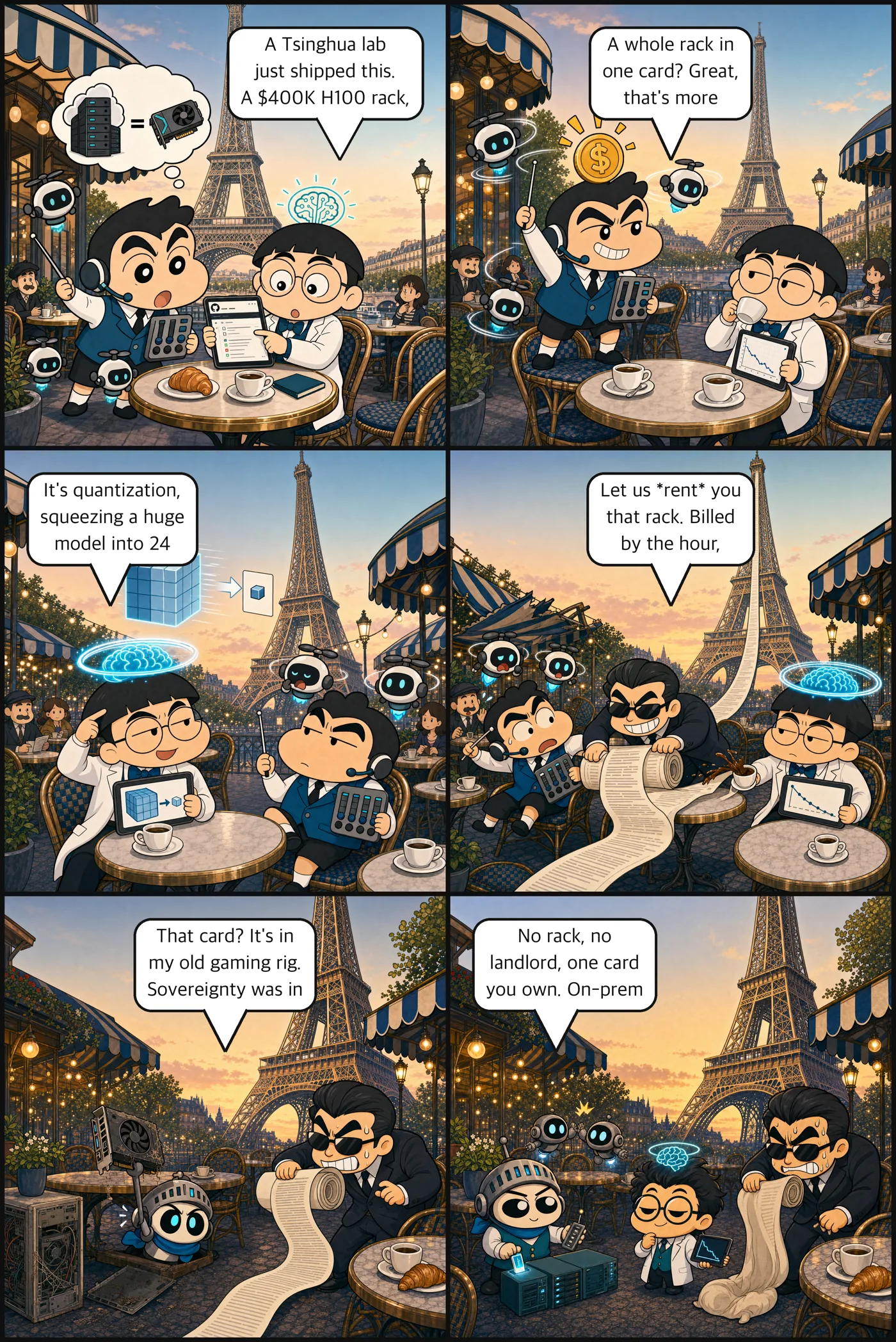
The rack you were about to rent is already in your drawer.
China’s Kimi K3 overtook Claude on the coding leaderboard, yet Silicon Valley stayed cold.
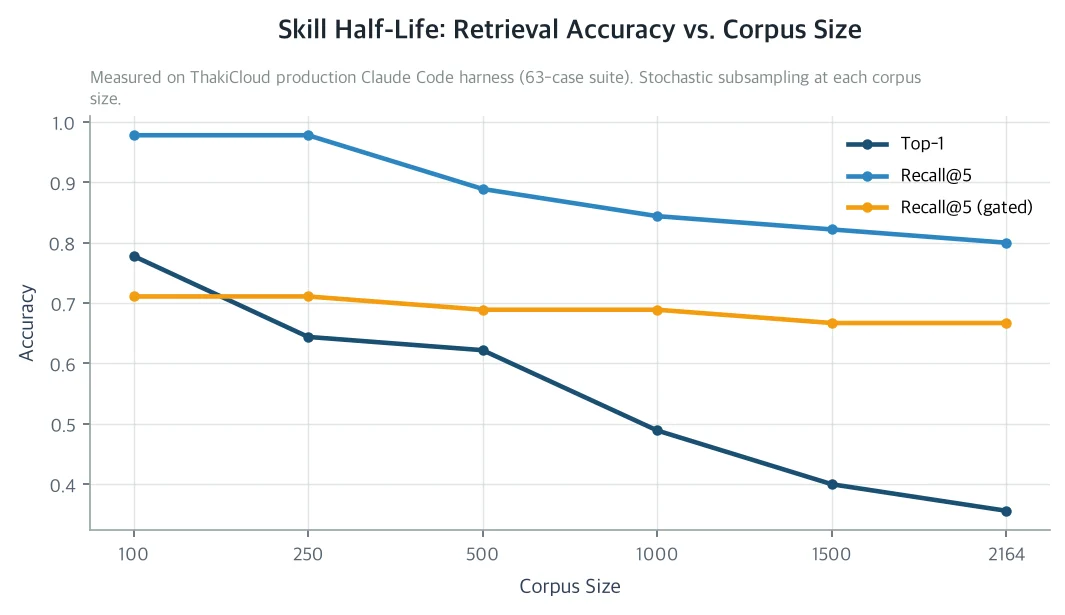
If your team has kept expanding its catalog of agent skills or MCP tools, you’ve probably felt routing accuracy start to slip at some point.
Kimi K3 has overtaken the frontier on a narrow benchmark.
In July 2026 the open-weight camp fired two shots in a single week.
Google AI Edge’s Cormac Brick presented a case where fine-tuning the 270M-parameter FunctionGemma lifted accuracy on a specific agent task from 46% to 90%.
Tencent’s Hy3 1-bit and 4-bit GGUF builds shrink a 295B MoE from 598GB to 85.5GiB so it runs on a single GPU.
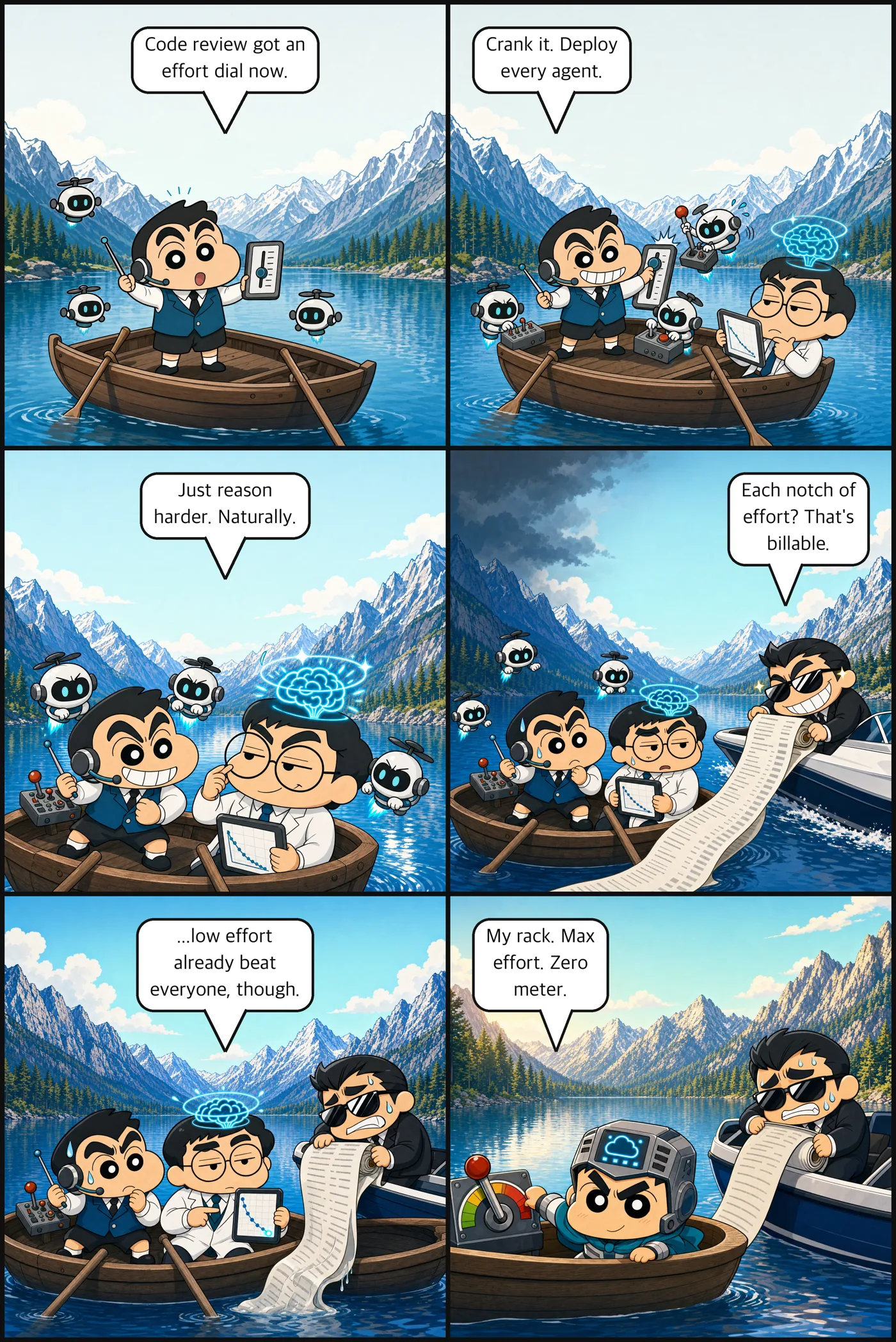
In v2.1.101 Claude Code renamed /simplify to /code-review and attached effort levels to the review.
We cranked the effort dial to max.
Artifacts used to end as static markdown.
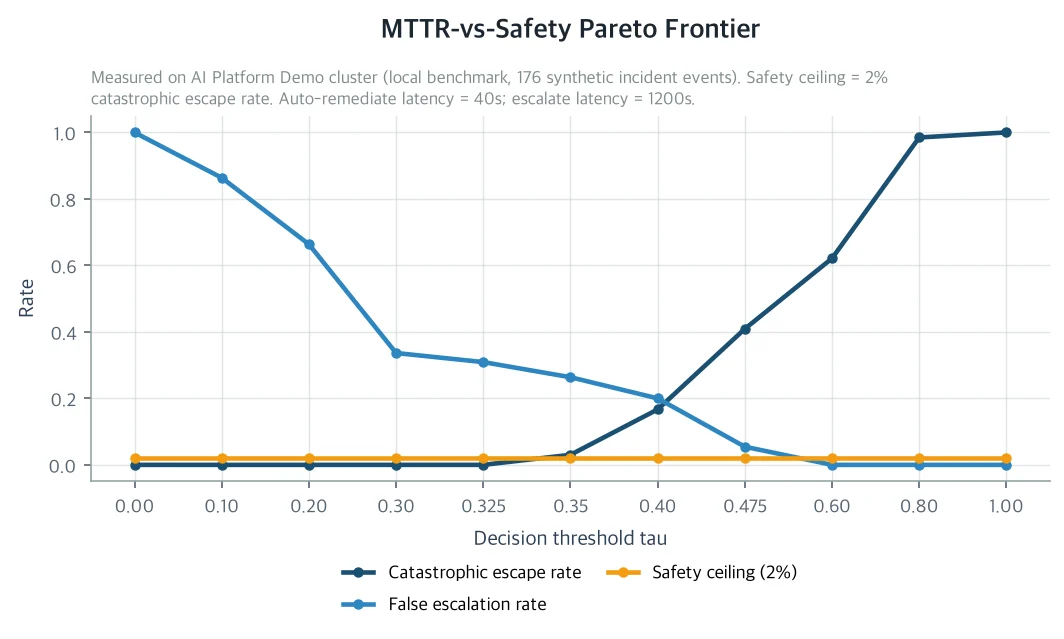
Any team trying to hand Kubernetes GPU incident remediation to an LLM agent eventually runs into this question: how long should the agent be left to fix things on its own, and when should a human be called in.
Apple, the symbol of vertical integration, gives up its own chip and borrows Google’s GPUs and even a Chinese rival’s model.
Bonsai 27B, released by PrismML, is not a newly trained model but the result of compressing Qwen3.6-27B’s weights to 1-bit and ternary while leaving the architecture untouched.
A day spent with six terminals open, waiting on responses and just smashing enter.
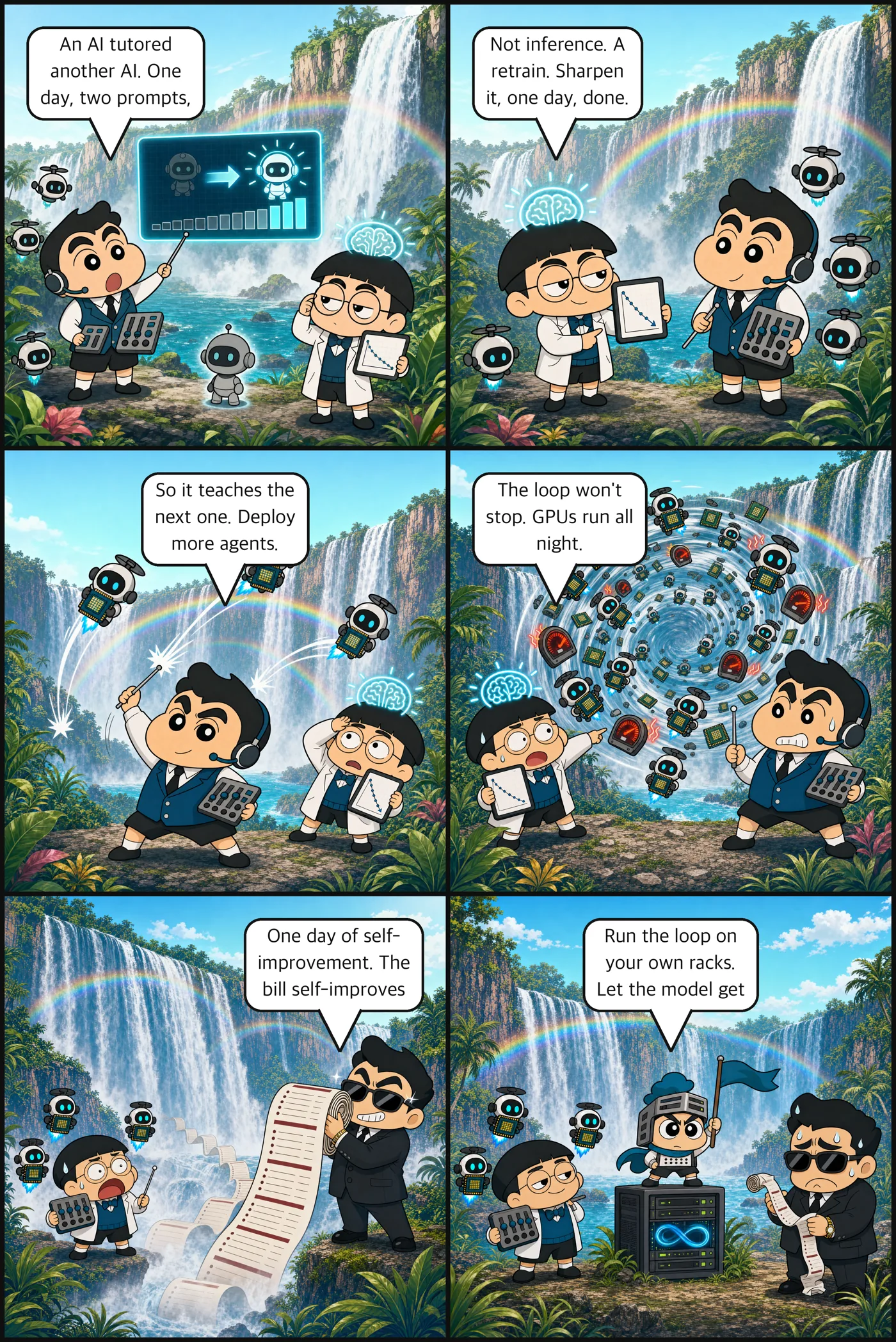
An AI tutored another AI to an A overnight.
The gains attributed to self-evolving harnesses are a mix of ‘the ability to produce good updates’ and ‘the ability to use those updates well,’ tangled together within a single loop.
If an agent can’t work productively in a codebase, that is not a failure of the model.
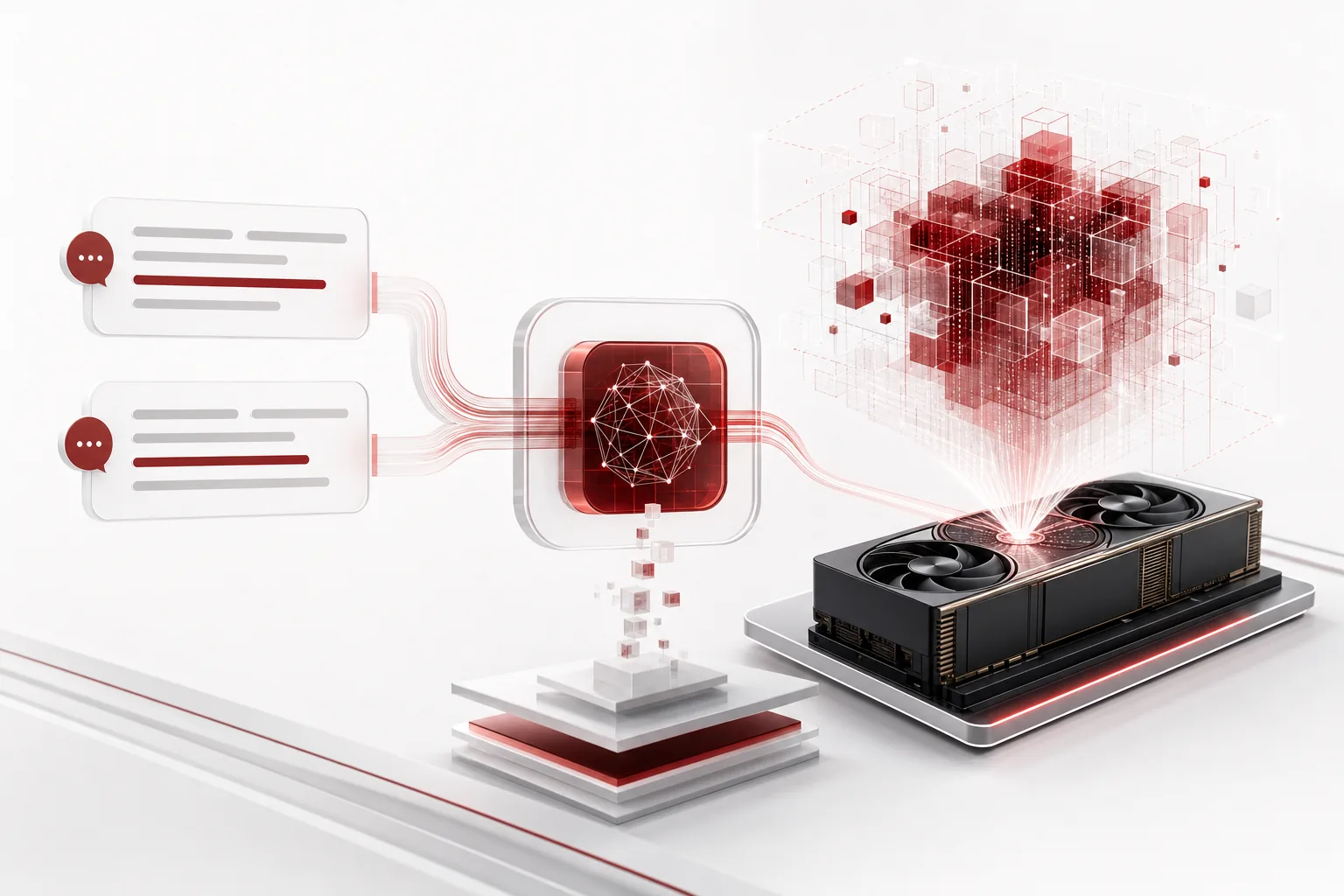
Give a coding agent two natural-language prompts, and post-training a vision foundation model finishes in a single day.
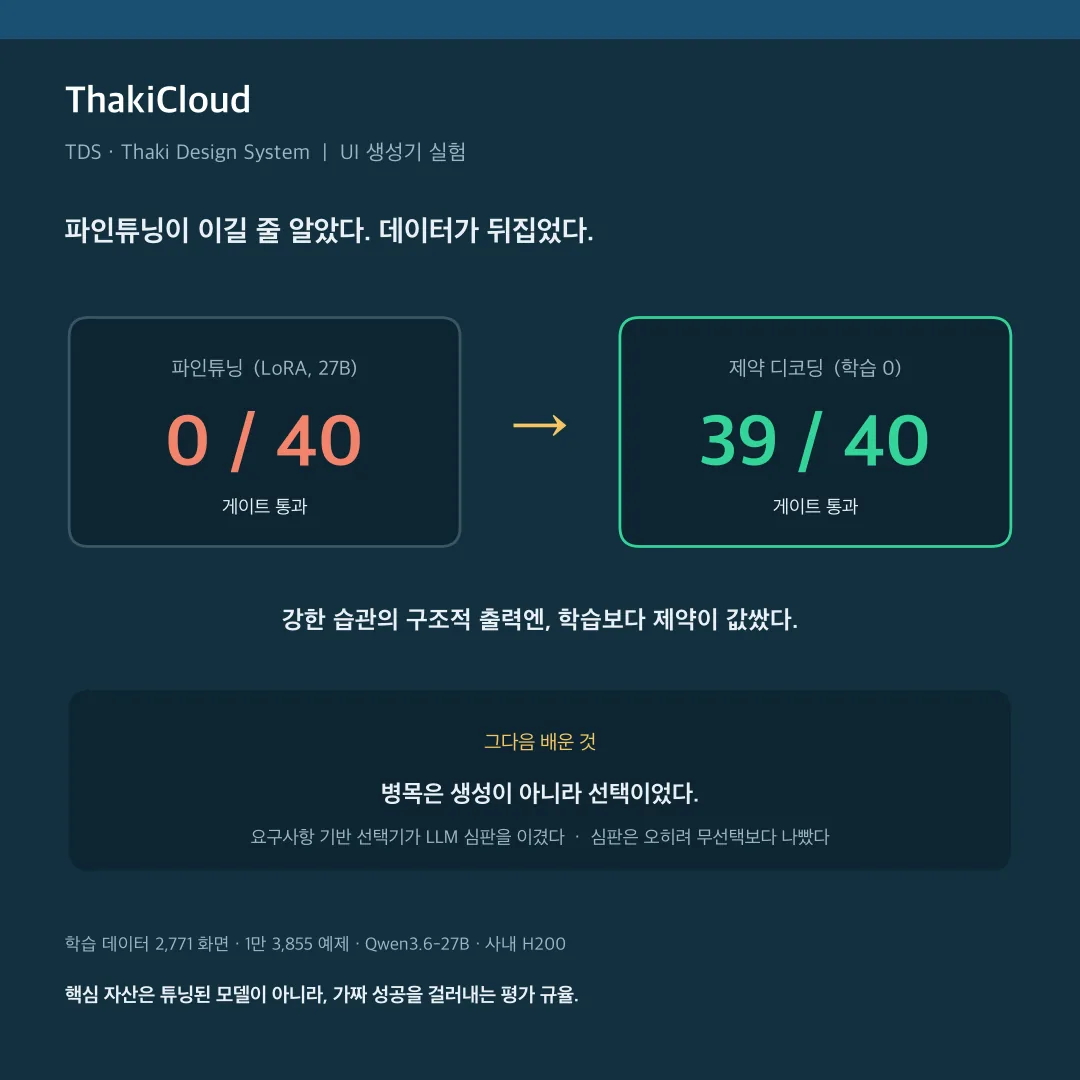
We expected fine-tuning to win.
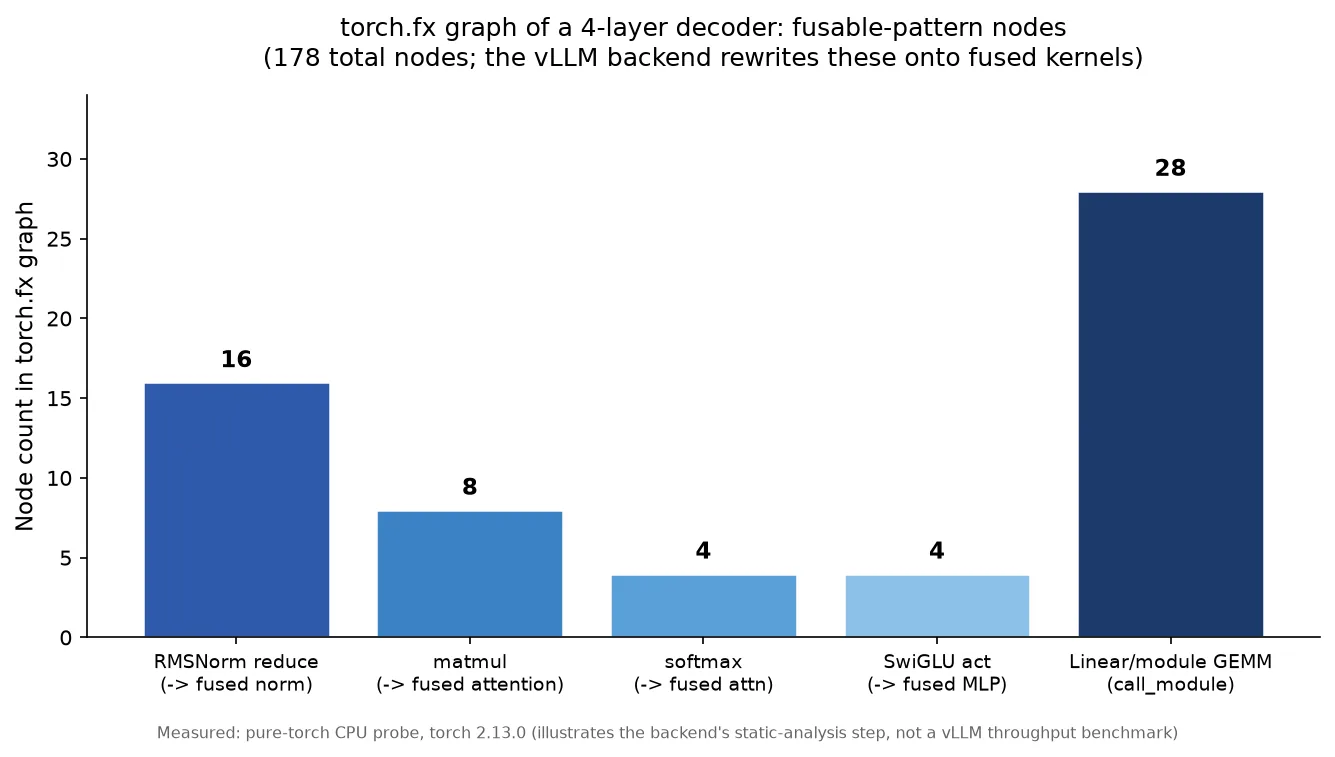
Until now, every new model architecture had to be built twice: once in Transformers for training and research, and again in vLLM for production inference.
When training or serving a large model across many accelerators, the real bottleneck usually isn’t computation, it’s the data moving between accelerators.
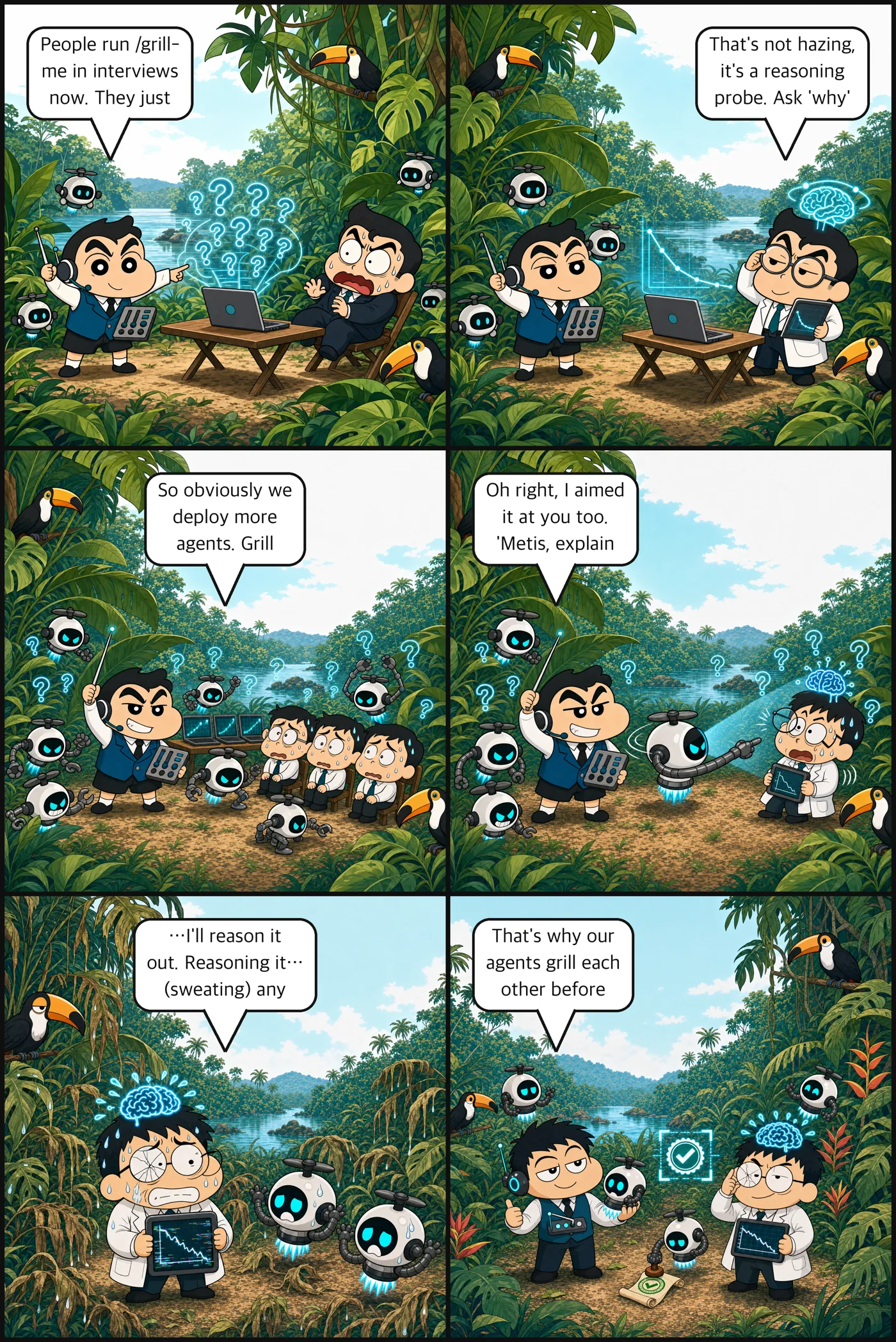
The AI that grills candidates decided to grill itself first.
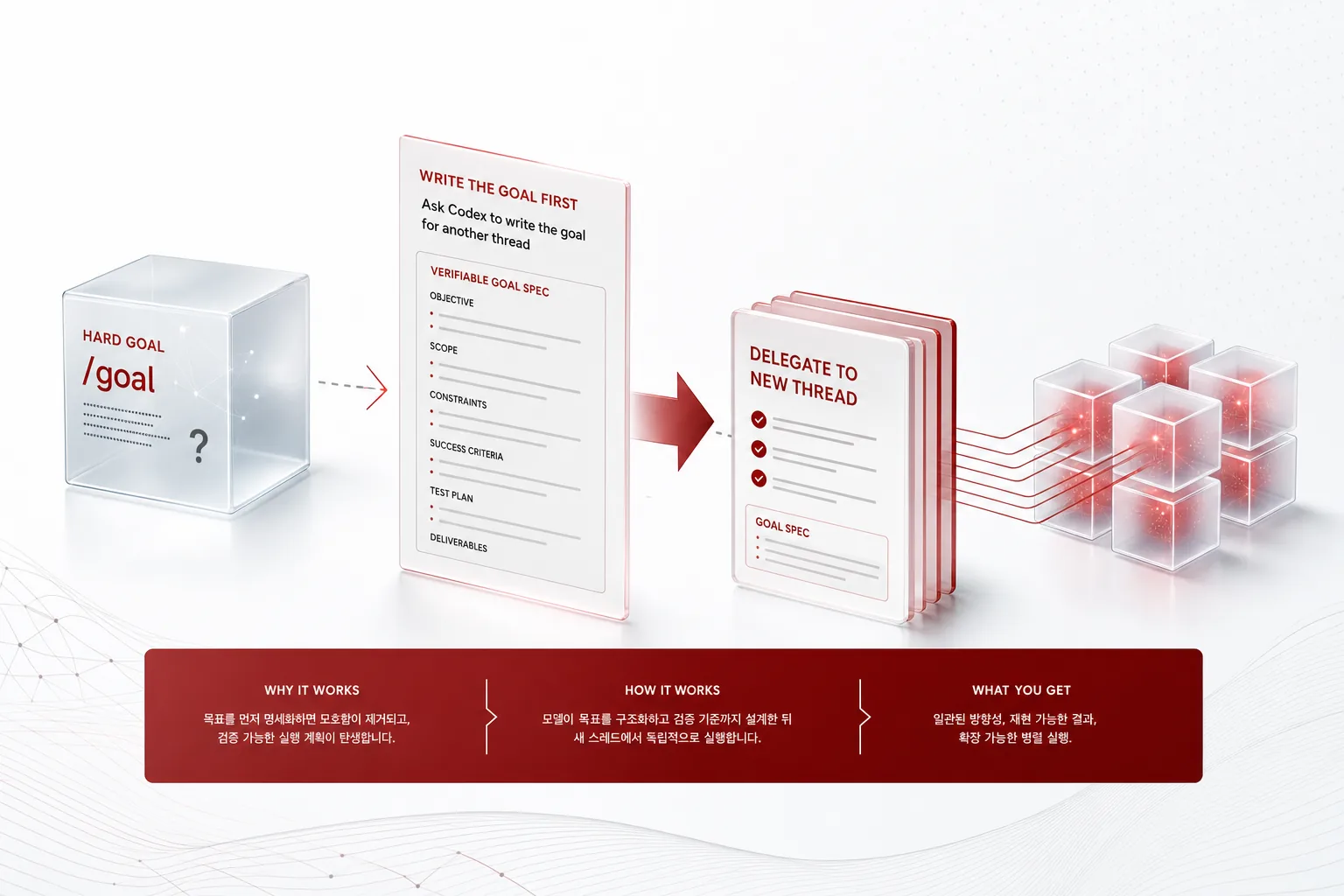
A developer shared a tip: when handing Codex a genuinely hard /goal, first ask it to write the goal so that another thread can achieve it.
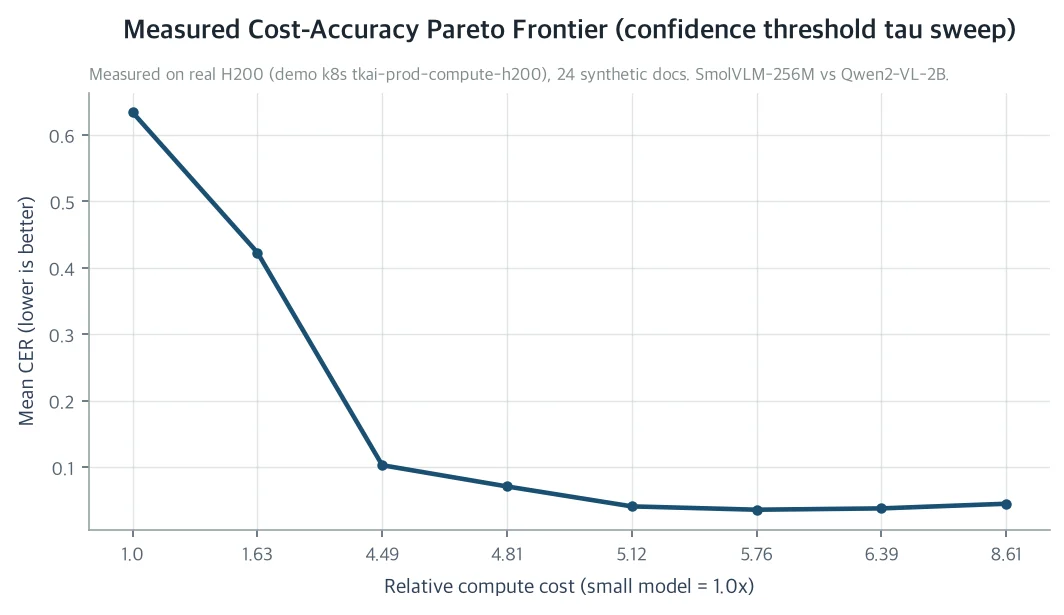
For engineers running two differently sized VLMs in a document OCR pipeline.
The question isn’t whether GPT-5.6 is smarter.
Plenty of teams know how to shrink a model to 4-bit with Unsloth.
Someone claimed they shrank GLM-5.2 from 1403GB to 980GB.
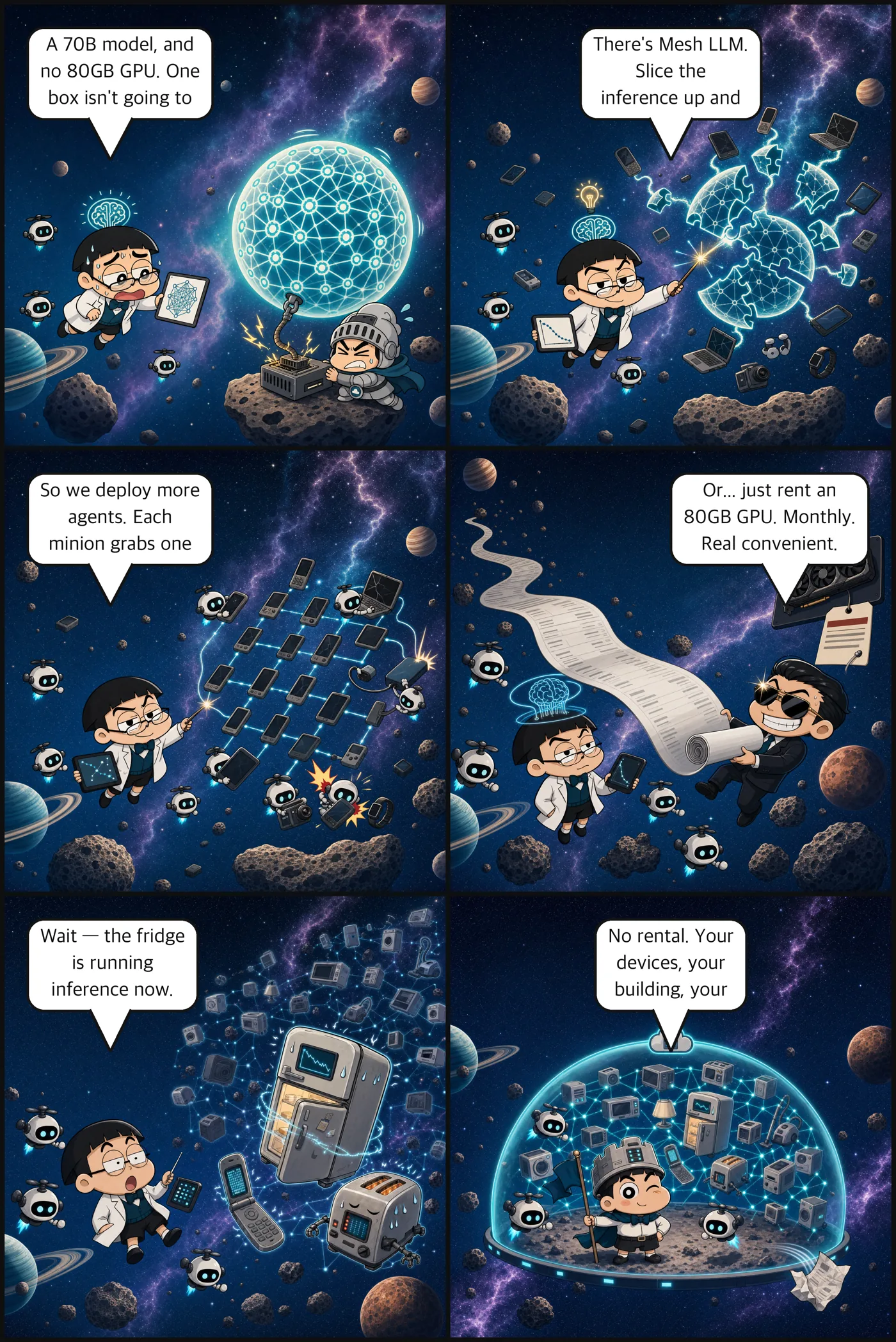
Couldn’t afford one monster, so we ganged up all the little ones.
The Korea Federation of Banks did not order a smarter model, it ordered a sequence for adoption.
This study audits a fully autonomous pipeline that generates a paper every night, not by inspecting the final output but by examining its actual operational logs.
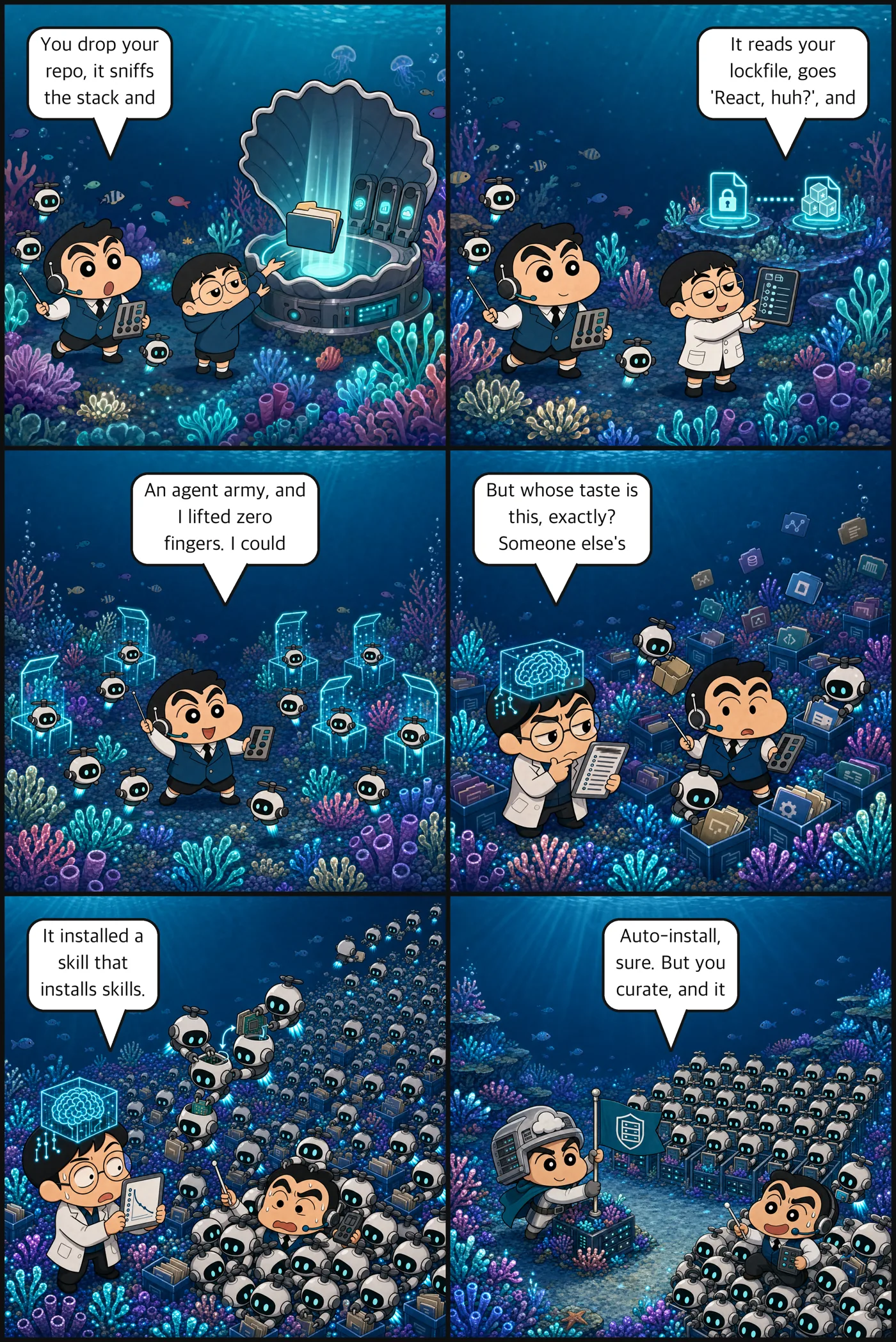
Drop your repo, it installs everything — someone else’s taste and all.
Coding agents have long read only text.
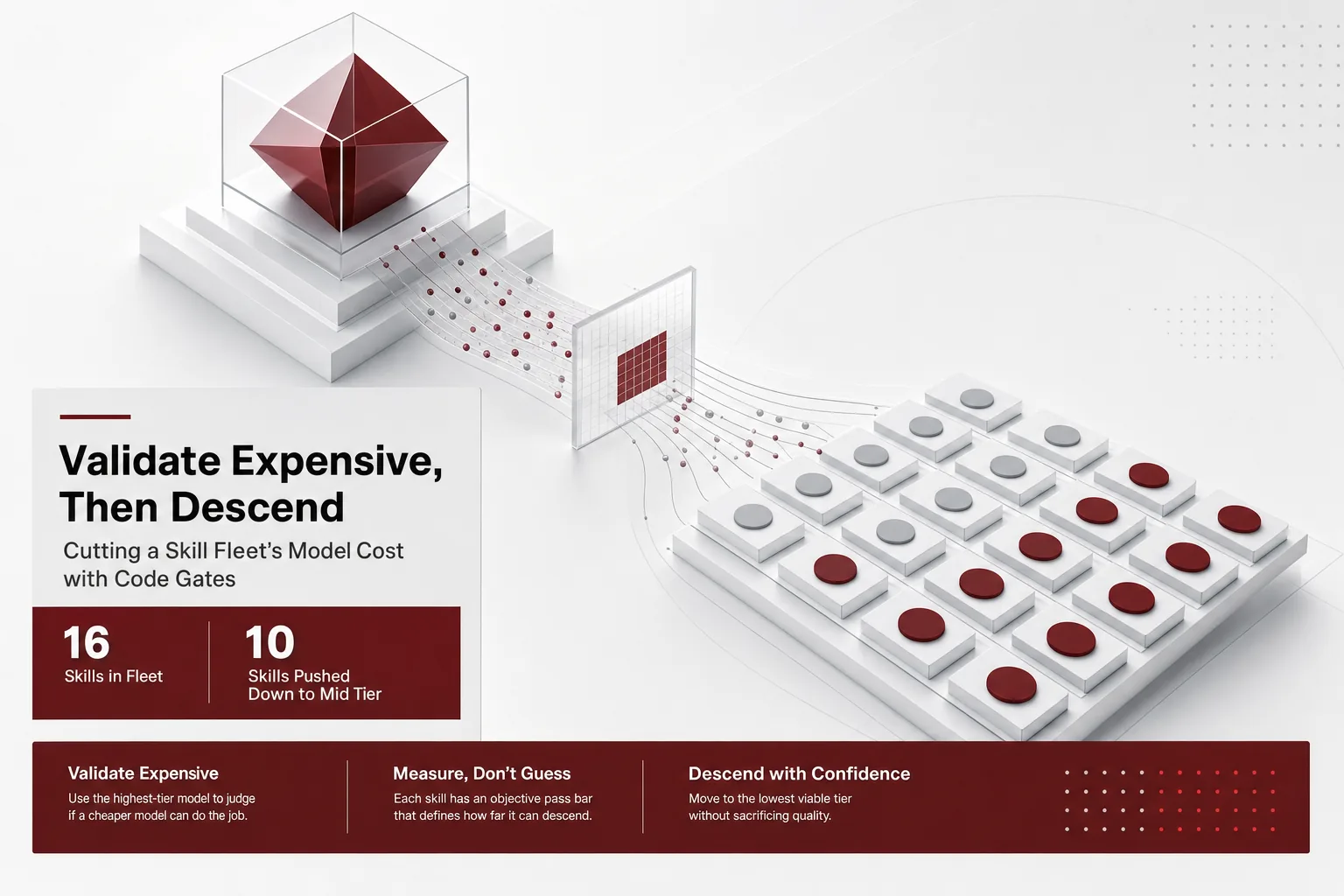
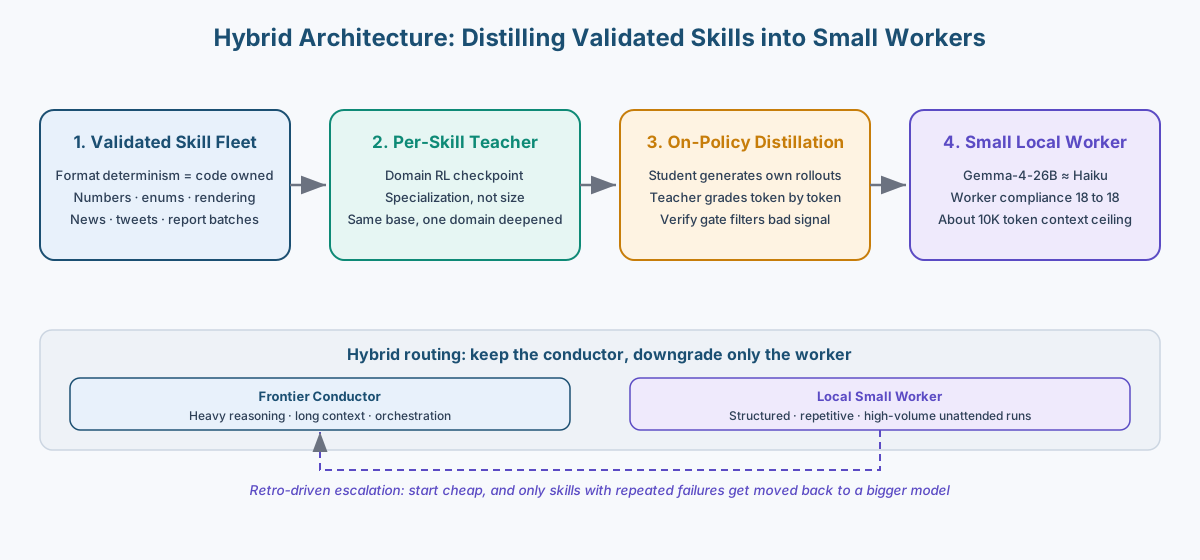
When a company’s recurring work is defined as skills, each skill can tell you, through measurement rather than intuition, exactly how far down the model tier it can go.
For engineers serving MoE models on H200 or Blackwell-class clusters, we introduce a paper that formalizes RASQ, an NVFP4 quantization policy that selectively protects only the router and rare experts.
Coding agents like Claude Code and Codex are tied to the Anthropic API.
vLLM v0.25.0 landed with 558 commits from 232 contributors.
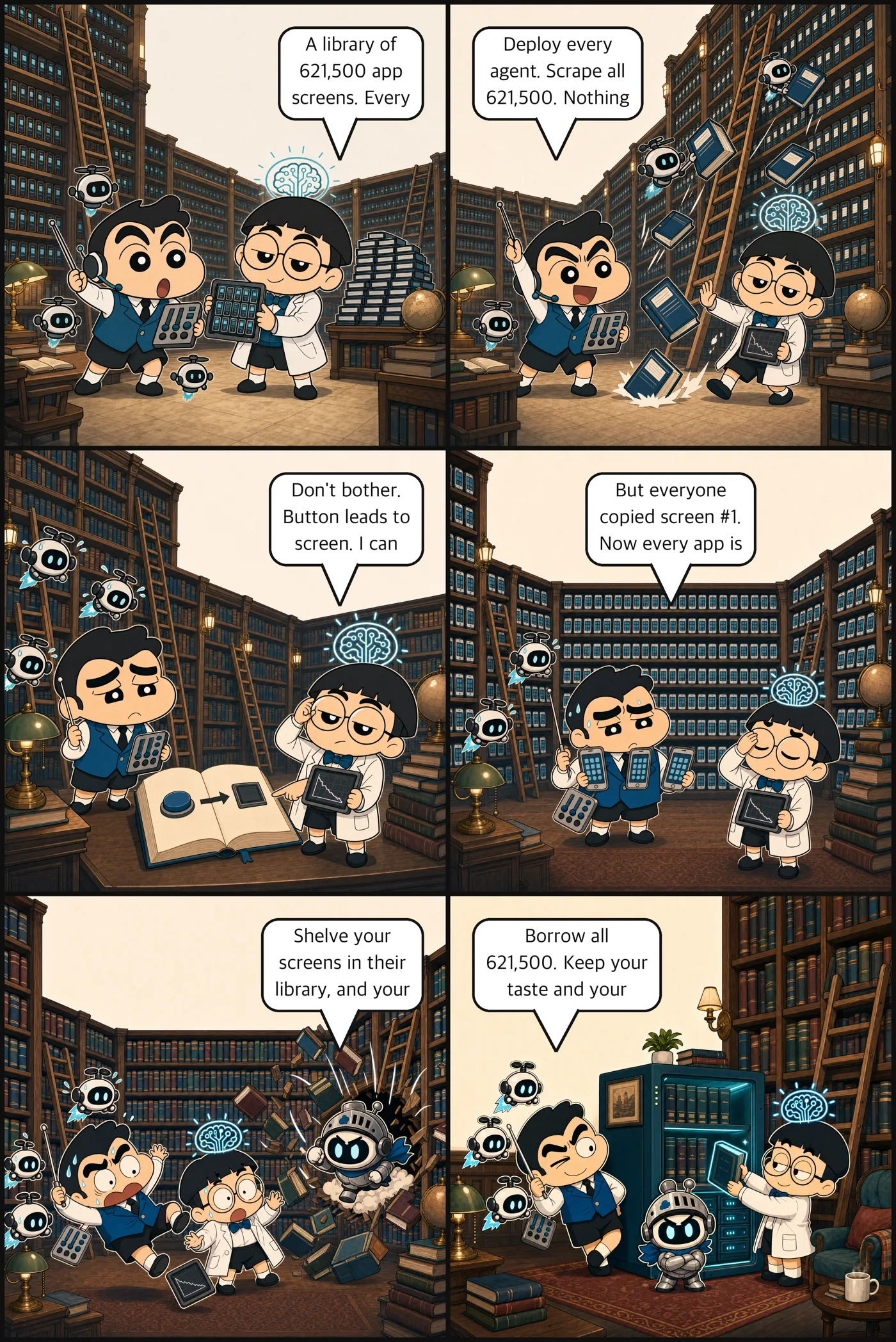
Browse 621,500 screens and somehow ship the exact same app as everyone else.
When prices fall, do we use less? In the inference market, the opposite is happening.
Running agent skills exclusively on frontier APIs makes costs explode once you hit thousands of calls.
We are moving from a world where one person uses one agent to one where multiple people and multiple agents share a workspace and talk to each other.
The principle that every fan-out should close with adversarial verification is widely accepted, but how much verifier tier and how many skeptics to use has mostly been set by convention rather than measurement.
When training long-horizon agentic tasks with RL, GRPO’s group sampling idles the GPU while it waits for the slowest rollout to finish.
Long-running agents operate within limited memory, yet memory methods to date have organized the past using descriptive criteria such as relevance or summary quality.
There is a real gap between someone who downloads a GGUF file from Hugging Face and just clicks run, and someone who knows exactly which tensors are stored at how many bits inside that file.
Put a Mac Mini in the cloud and you lose the GUI, which means you lose the iOS Simulator too.
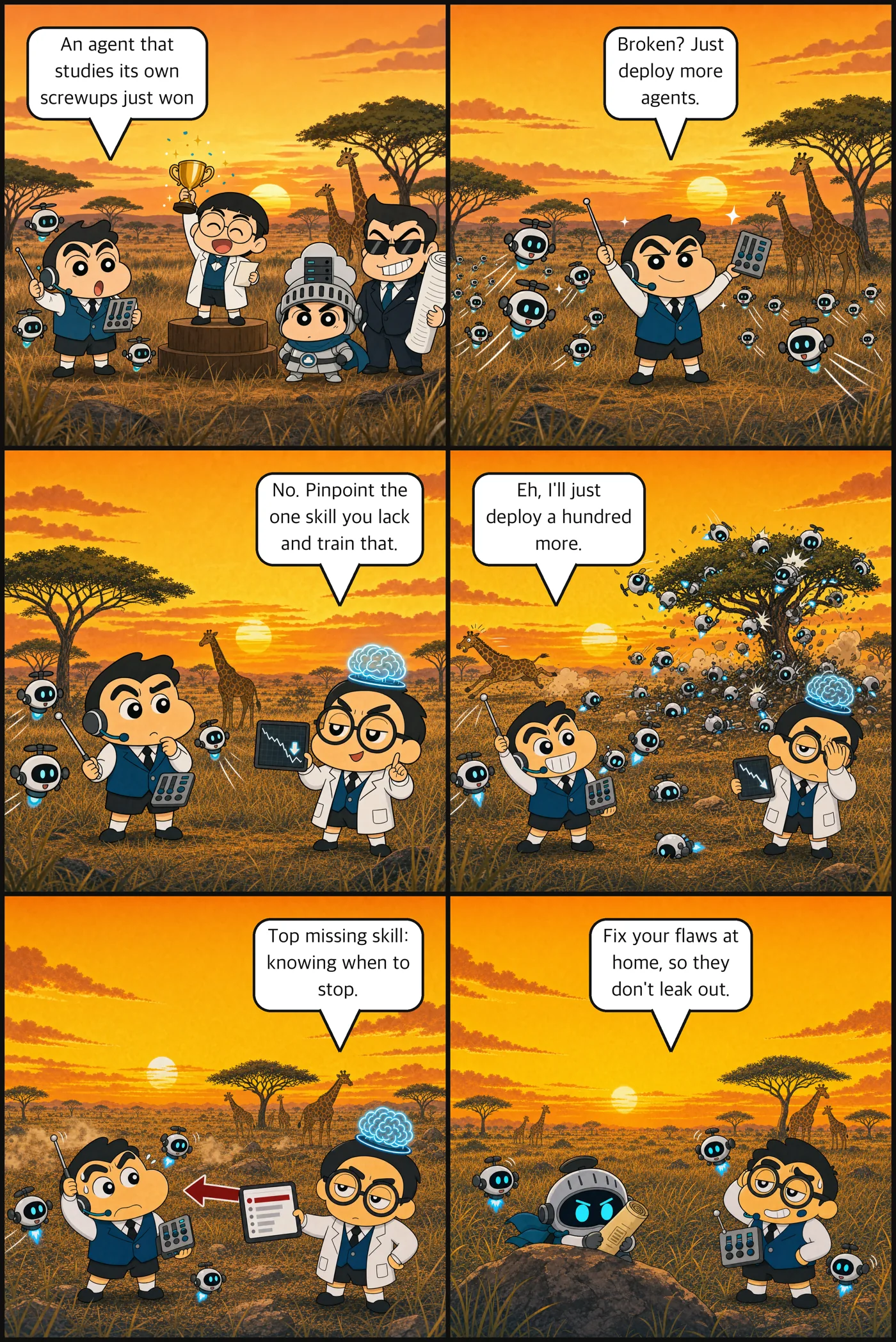
Fix the one skill you lack and you win.
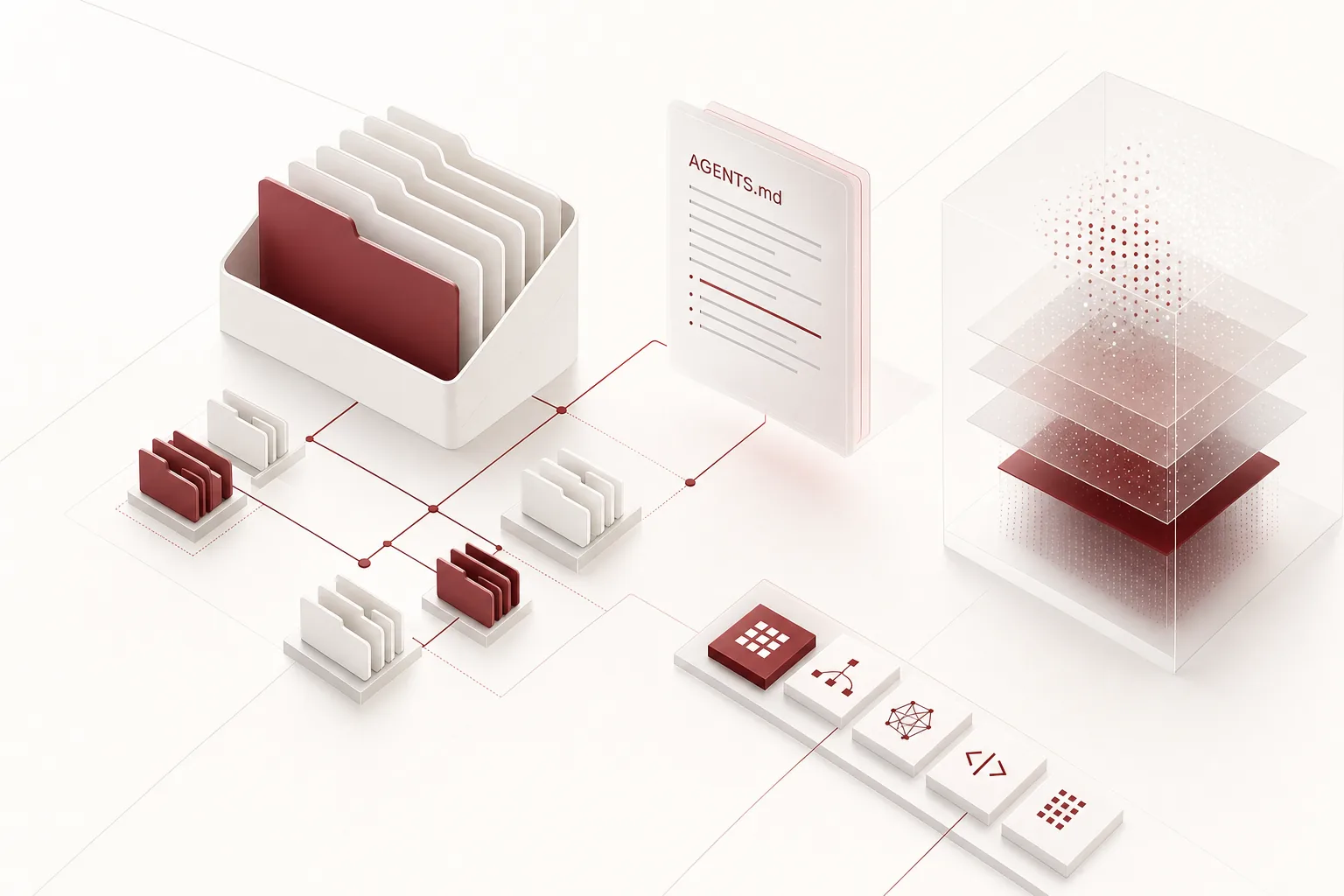
OpenAI Codex engineer jxnl has released personal-monorepo-template, which gives agents persistent memory through folder structure and an AGENTS.md file, no vector database needed.
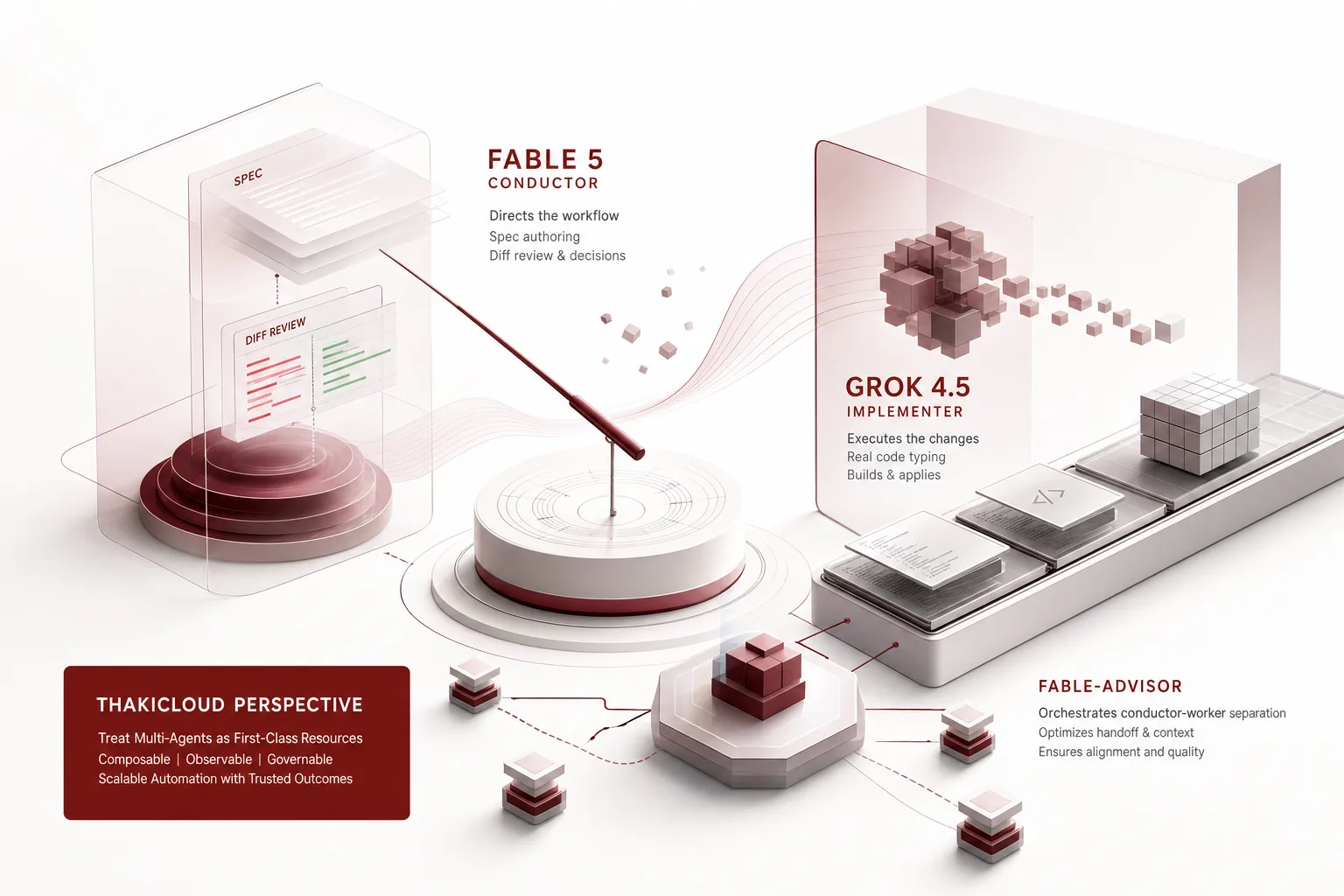
We break down the conductor-worker split of the fable-advisor plugin, in which Claude Fable 5 conducts spec writing and diff review while Grok 4.5 handles the actual code typing, and verify it from ThakiCloud’s perspective of treating multi-agent systems and model routing as first-class resources.
Researchers at Yale and the University of Chicago compared human and LLM research ideas using 11,683 real papers.
ARC-AGI-3 measures whether an agent can figure out a situation and adapt on its own inside an interactive game with no instructions.
The dominant trend in RL post-training these days is the GRPO family, which drops the critic.
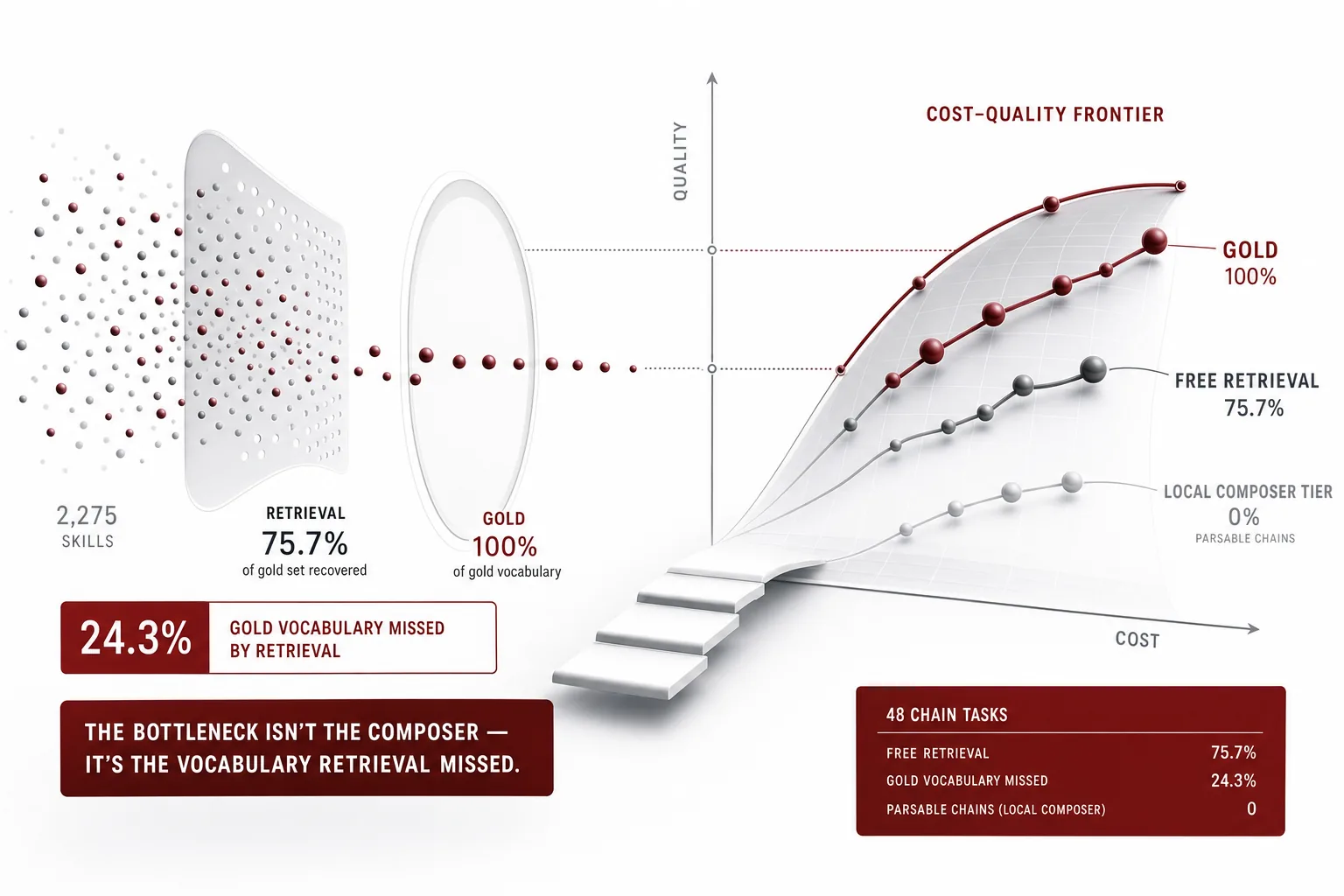
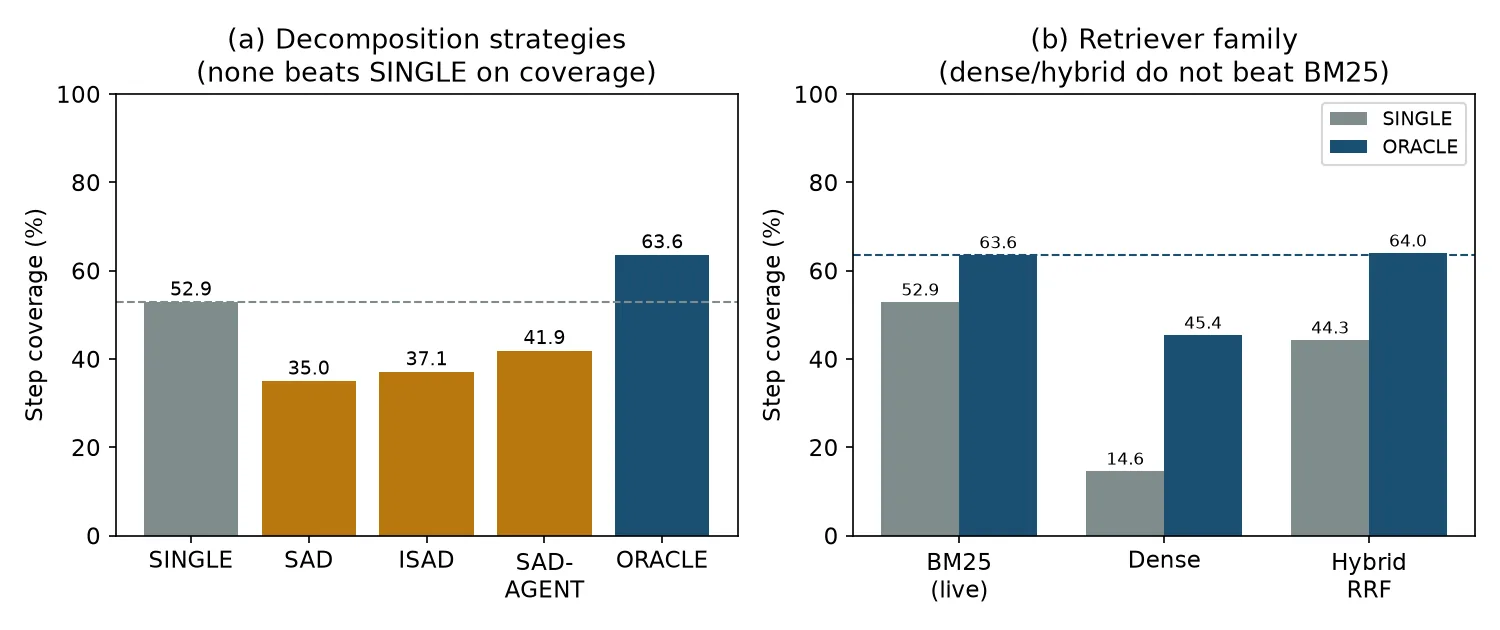
After a prior diagnosis found that the real cause of routing failures in a large skill ecosystem was the retriever rather than decomposition, this study measures whether moving the fixing hand from a human to an unattended loop actually narrows the bottleneck.
SpaceXAI has unveiled Grok 4.5.
HBM4 has pushed the price of a single server rack to 21 million dollars, and SK hynix raised 40 trillion won in a single day.
Two numbers released on the same day moved in opposite directions: a 21 million dollar AI rack and inference pricing that got 34 times cheaper.
Microsoft has started routing bulk AI requests from Excel and Outlook to its own models, Chinese open models now handle nearly half of some US enterprise AI usage, and over a trillion dollars in market capitalization evaporated in a single stretch of days.
The agent you shelved for ‘someday’ takes less time than your coffee to cool.
A Claude Code skill that turns one plain request into a premium landing page.
For a harness that routes hundreds of skills, this diagnostic tells you with two numbers whether your next investment should go into decomposition or the retriever.
AgeMem folds long-term and short-term memory management into the agent’s policy, exposing store, retrieve, summarize, and discard as tool-based actions.
GPT-Live, released by OpenAI, is a full-duplex voice model that listens and speaks at the same time, without waiting for the user to finish talking.
SpaceXAI’s newly released Grok 4.5 comes close to Opus 4.8 and GPT-5.5 in performance, at less than half the price.
Anthropic’s Claude Fable 5 is setting a new bar for frontend generation.
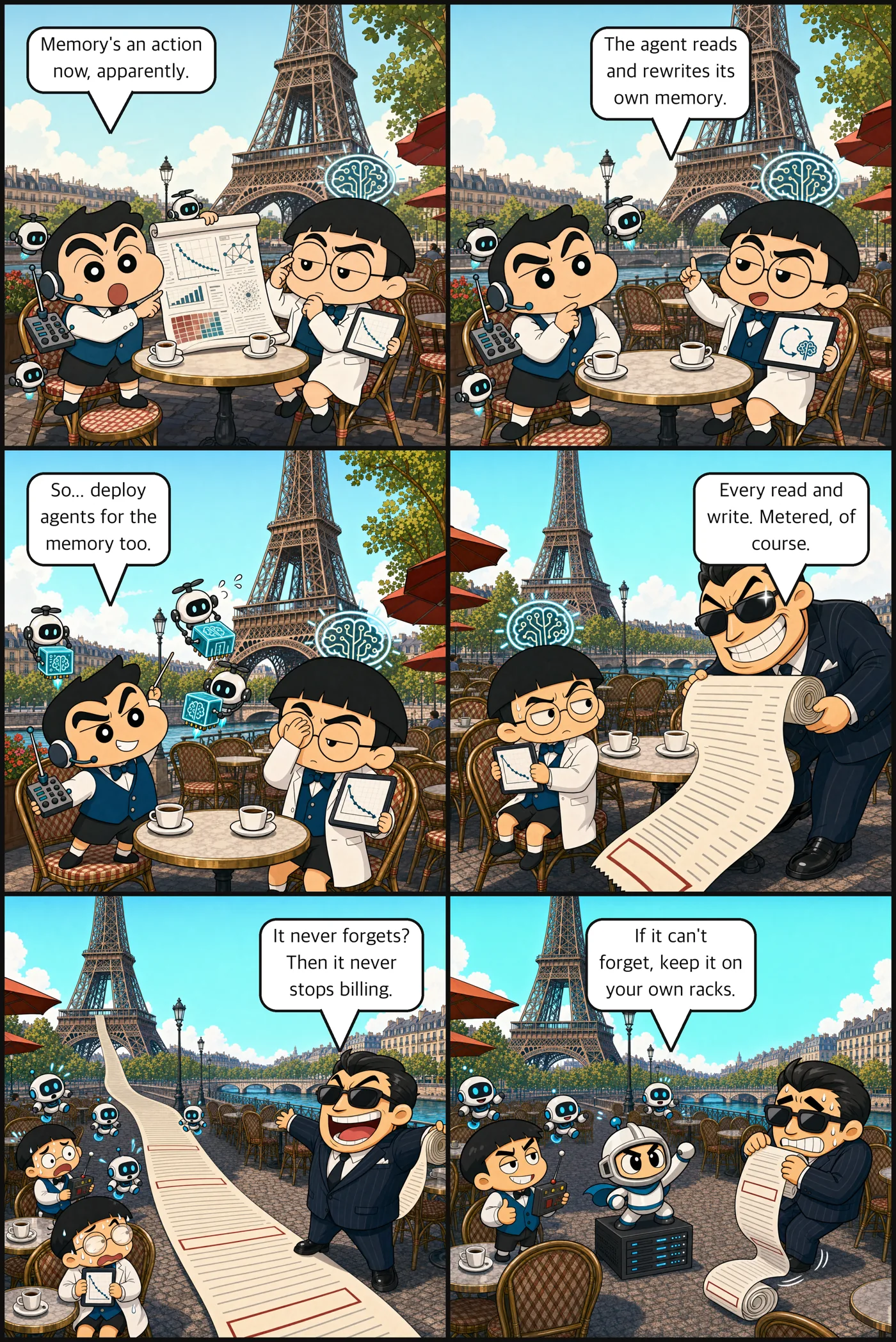
Memory became an action space.
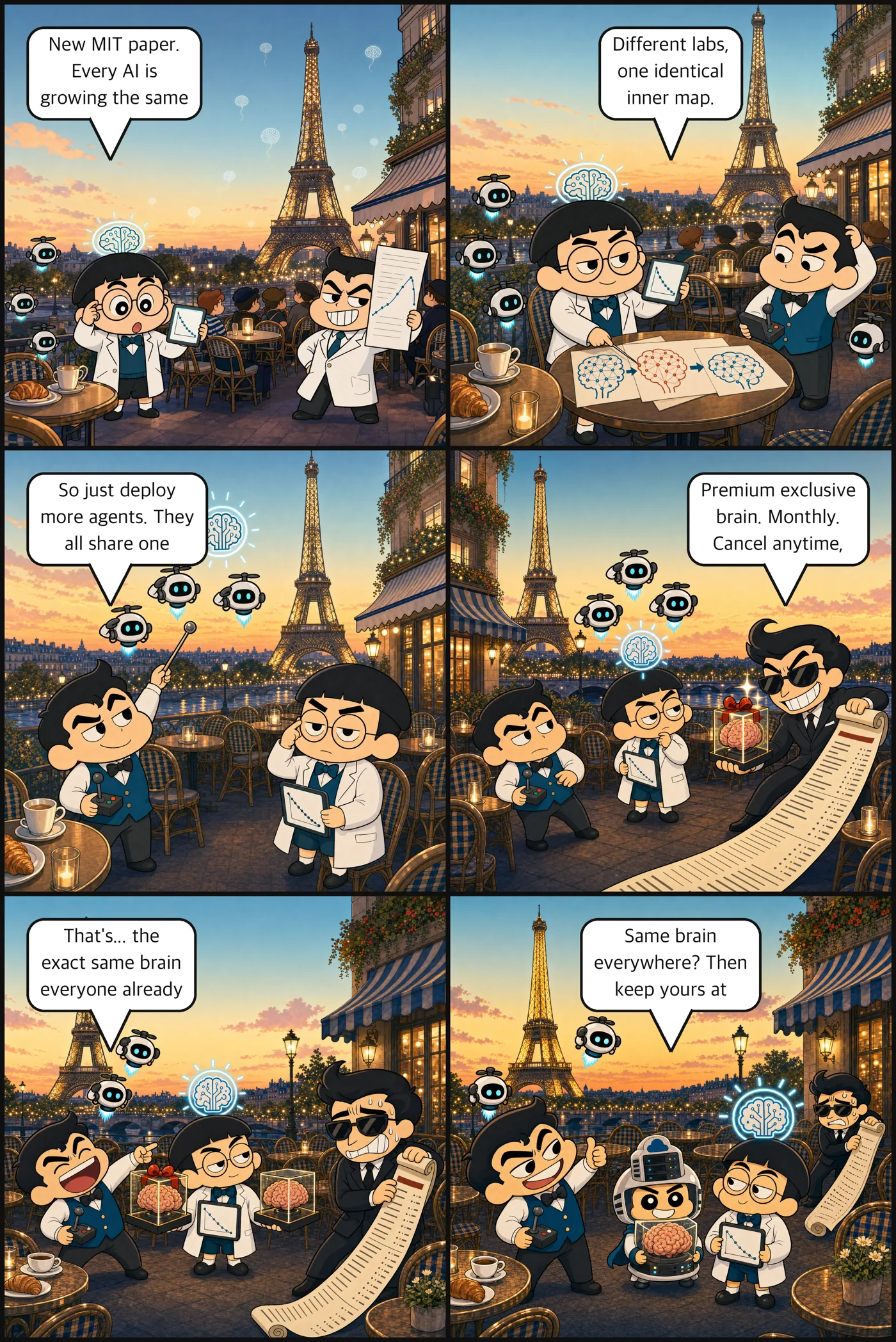
If every brain converges, why rent the pricey one?
A day full of news about AI expanding its senses and gaining hands.
Four mechanisms make Claude Code run without a human watching every step: headless mode, hooks, subagents, and skills.
On a day when a 1.1 billion parameter model beat a 7 billion parameter one and the best models got given away for free, the news that actually made enterprises pause was not about intelligence.
Vision models and language models trained on different data for different objectives are starting to represent data in the same way.
Hospitals, banks, and government agencies running on-premises AI platforms must prove two things to regulators: that data never leaked outside the enclave, and that the model weights actually served are the exact file that was audited.
OpenAI is splitting GPT-5.6 into three tiers, Sol, Terra, and Luna, launching this Thursday.
On July 7, 2026, Anthropic published its first official loop engineering document, ‘Getting started with loops.’ It marks the shift from a human prompting every step to designing a system that prompts the agent for you.
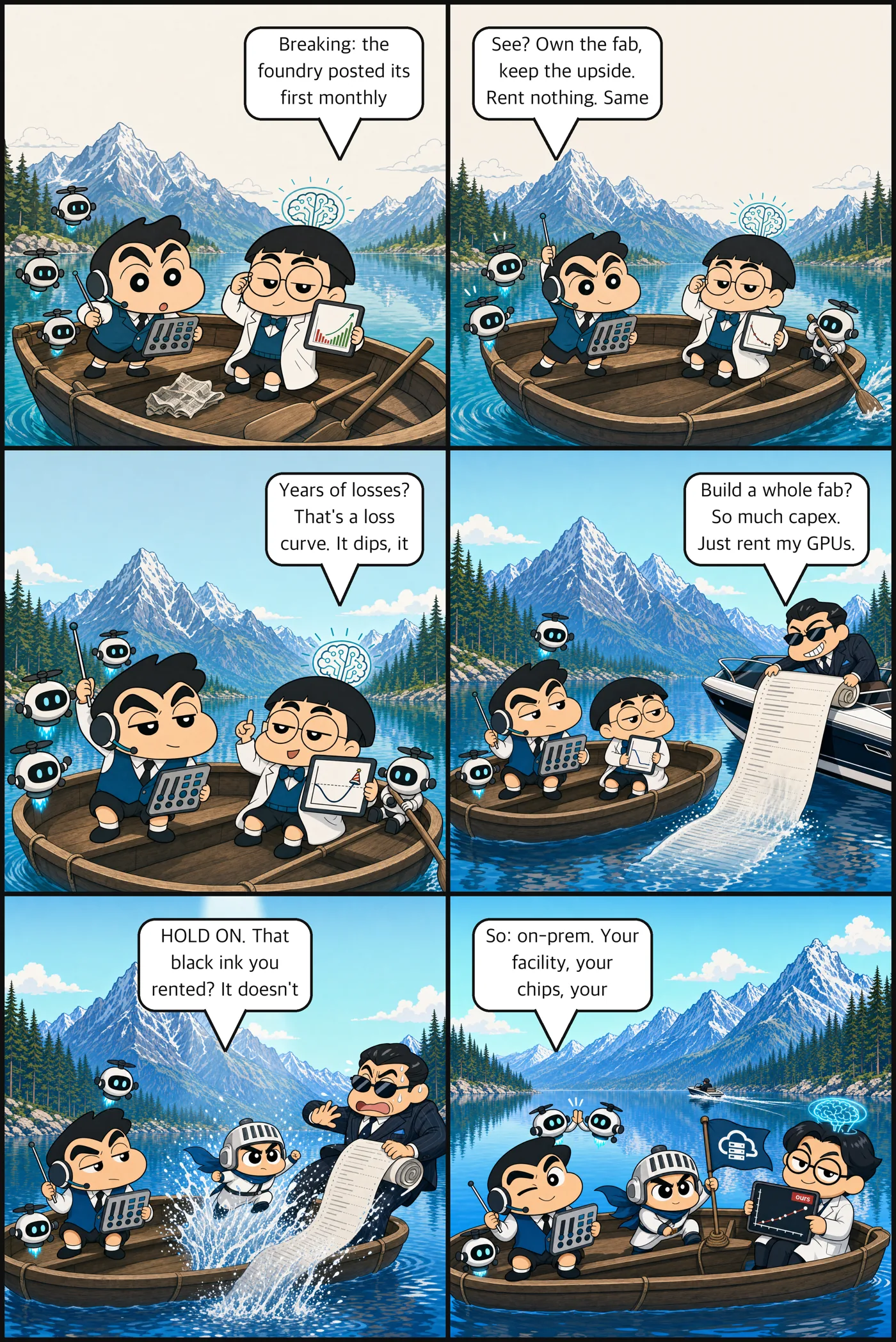
Years of making other people’s chips, finally in the black.
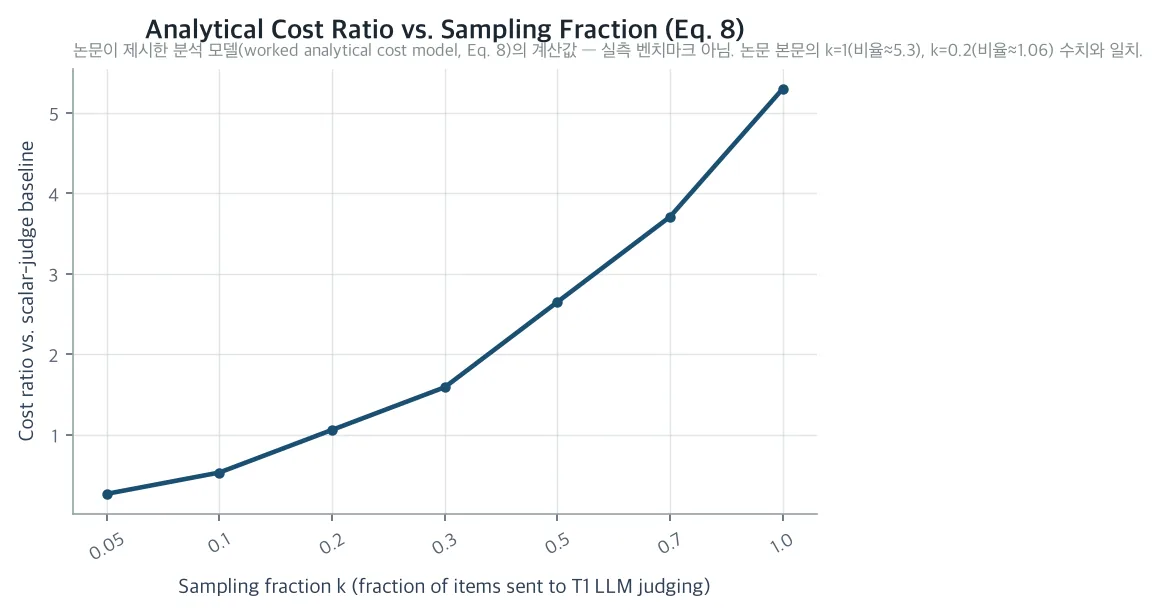
Using an LLM as a grader, the practice known as LLM-as-a-judge, is now the default in model development, but the evidence that piled up through 2026 shows that a scalar judge producing a single score is fragile to prompt wording and answer position, drifts toward the middle of the scale, and collapses to coin-flip reliability against adversarial inputs.
In a monorepo, switching between a library directory and the service that consumes it used to mean restarting your session, and with it, both your conversation context and your prompt cache.
Most developers skip the setup and jump straight into prompting.
The core defense of AI control, the idea that an untrusted strong model can be controlled by a weaker, trusted monitor, rests on the assumption that the monitor and the policy model read the same text.
Google DeepMind’s roughly 57-page report From AGI to ASI treats superintelligence not as a distant thought experiment but as a planning problem to prepare for now.
The ATOM Report measures open language models across both downloads and inference usage in one place, and shows with data that Chinese open models overtook the U.S.
$0.11 per million tokens.
Anthropic quietly published an official prompting guide for Claude Fable 5 and Mythos 5.
Every speculative decoding milestone that has topped 1,000 TPS, JetSpec included, assumes a single-tenant cluster with abundant spare compute on B200-class hardware.
As frontier LLMs and agent skills keep improving, the industry has started to feel that fine-tuning is no longer necessary.
We dissect, with a roofline model, the paradox that the 284B DeepSeek V4 Flash prices its output tokens 5x cheaper than the 35B Qwen3.6.
We examine a case of serving the GLM-5.2 743B MoE model on a single AMD MI355X node at 2,626 tok/s per node, at more than twice the cost efficiency of Blackwell, through the lens of MXFP4 quantization and SGLang’s MoE parallelism, and connect it to ThakiCloud ai-platform’s multi-vendor serving strategy.
The gap between a machine that works and a principle we understand is one of the oldest scenes in the history of science.
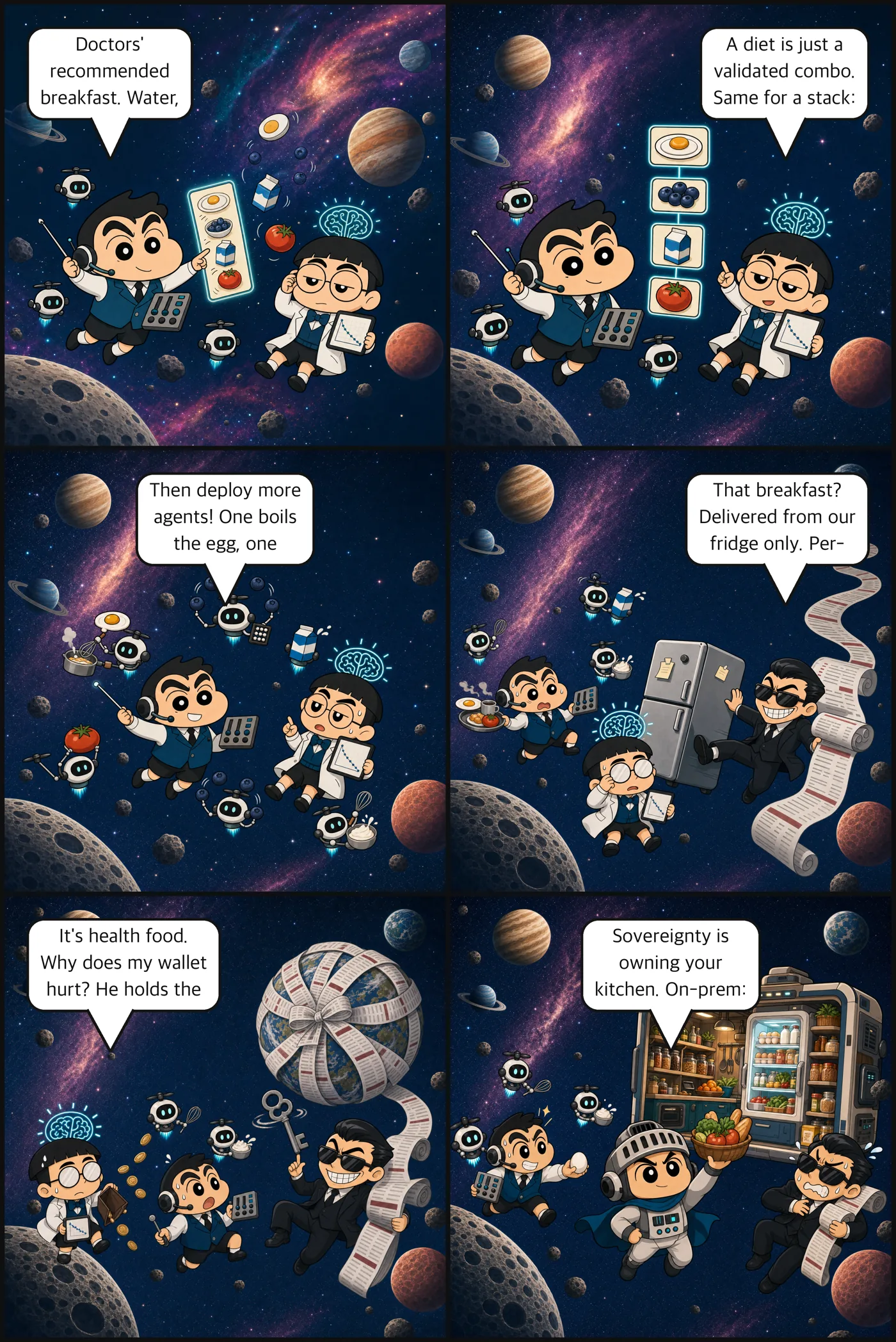
A perfectly healthy combo, pity someone else holds the fridge key.
From the four-way race for a domestic foundation model to Hancom’s corporate rebrand, the morning news on July 5, 2026 points in one direction.
We work through Anthropic’s official guide to prompting best practices for the latest models.
Google has unveiled PAT, an agentic review tool that reads entire scientific papers, verifies theoretical results, checks experiments, and surfaces potential errors.
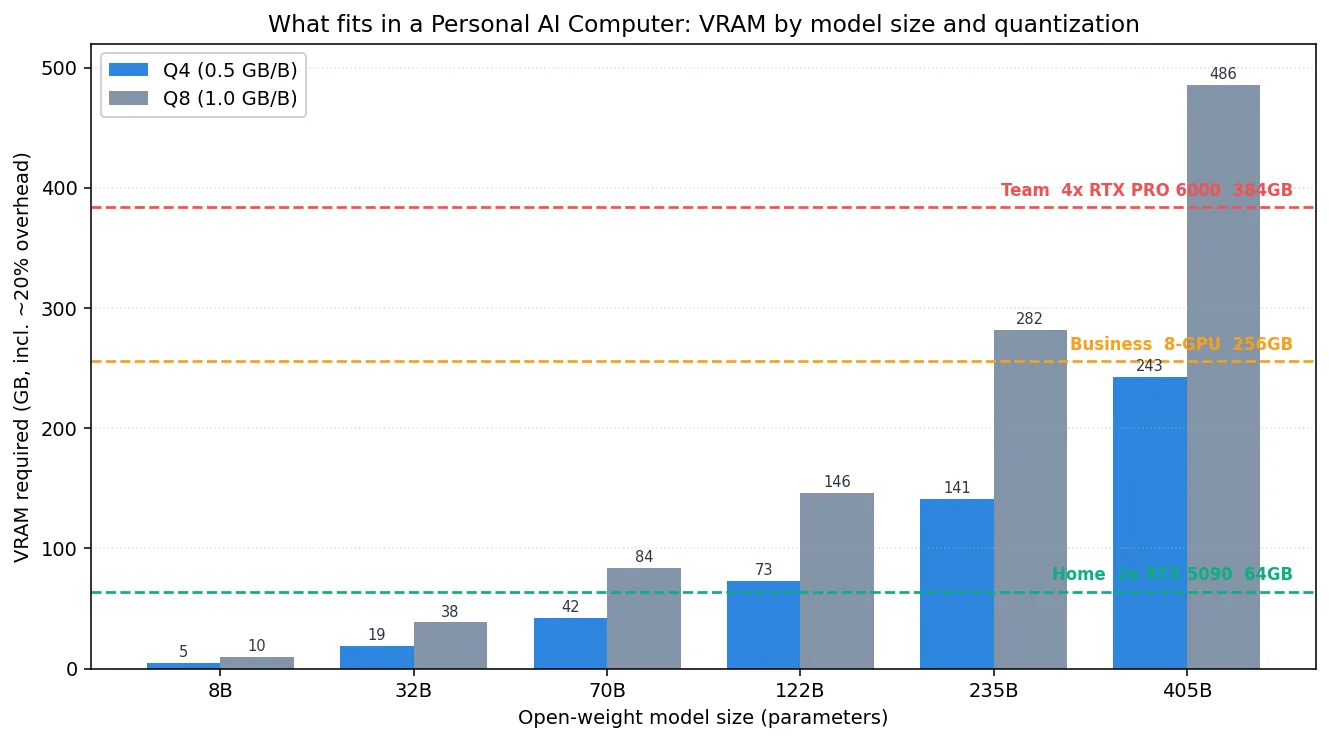
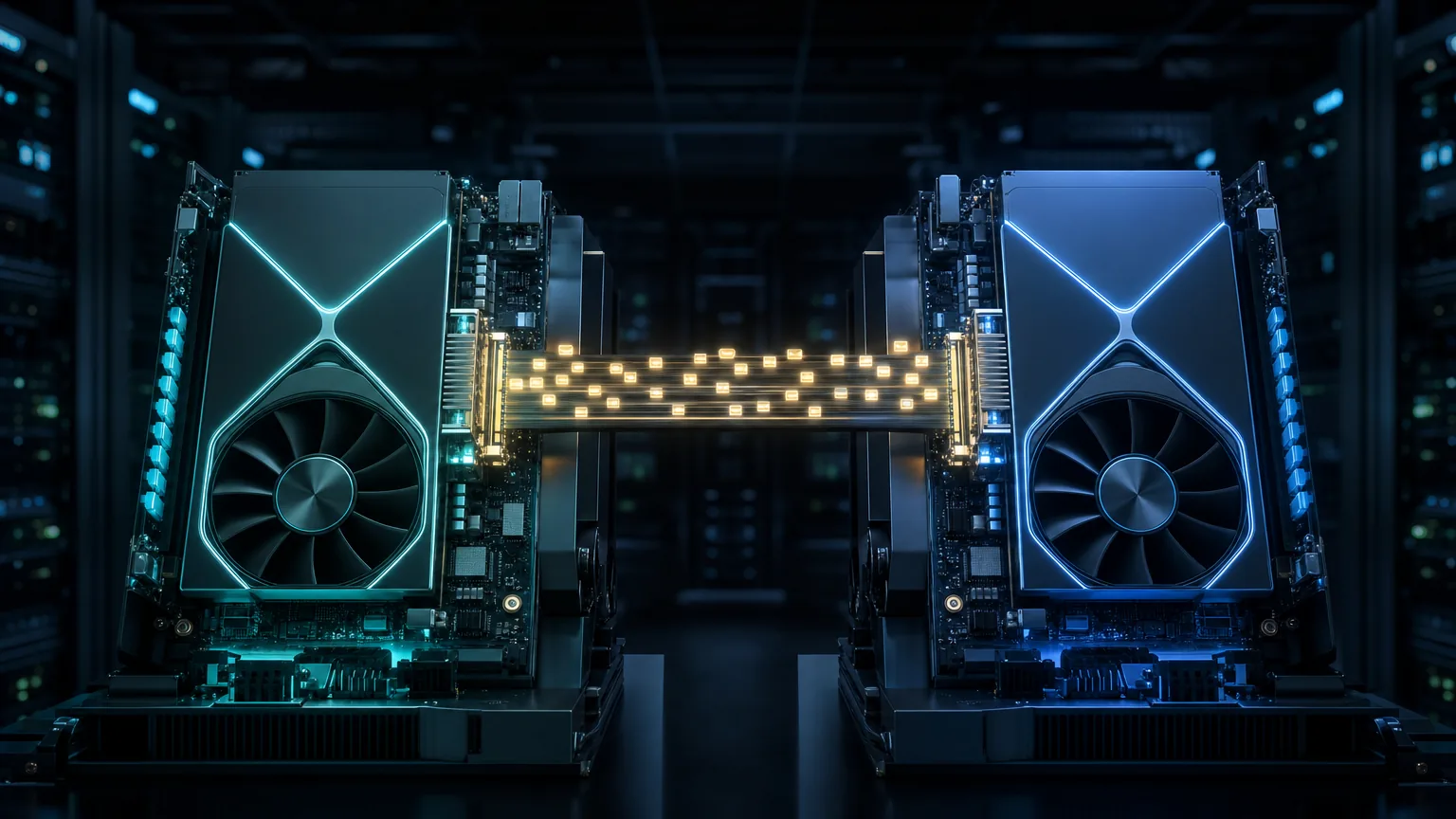
Starting from the Personal AI Computer build guides shared by tom_doerr, which reach up to 384GB of VRAM, we work out through calculation how VRAM decides which models you can actually run, and lay out what it takes to scale that single home machine into organization-grade on-prem serving from ThakiCloud’s ai-platform perspective.
We unpack the Claude Fable 5 workflow tips shared by T3 creator Theo: effort levels, Codex orchestration, model priority in CLAUDE.md, and offloading token-hungry work.
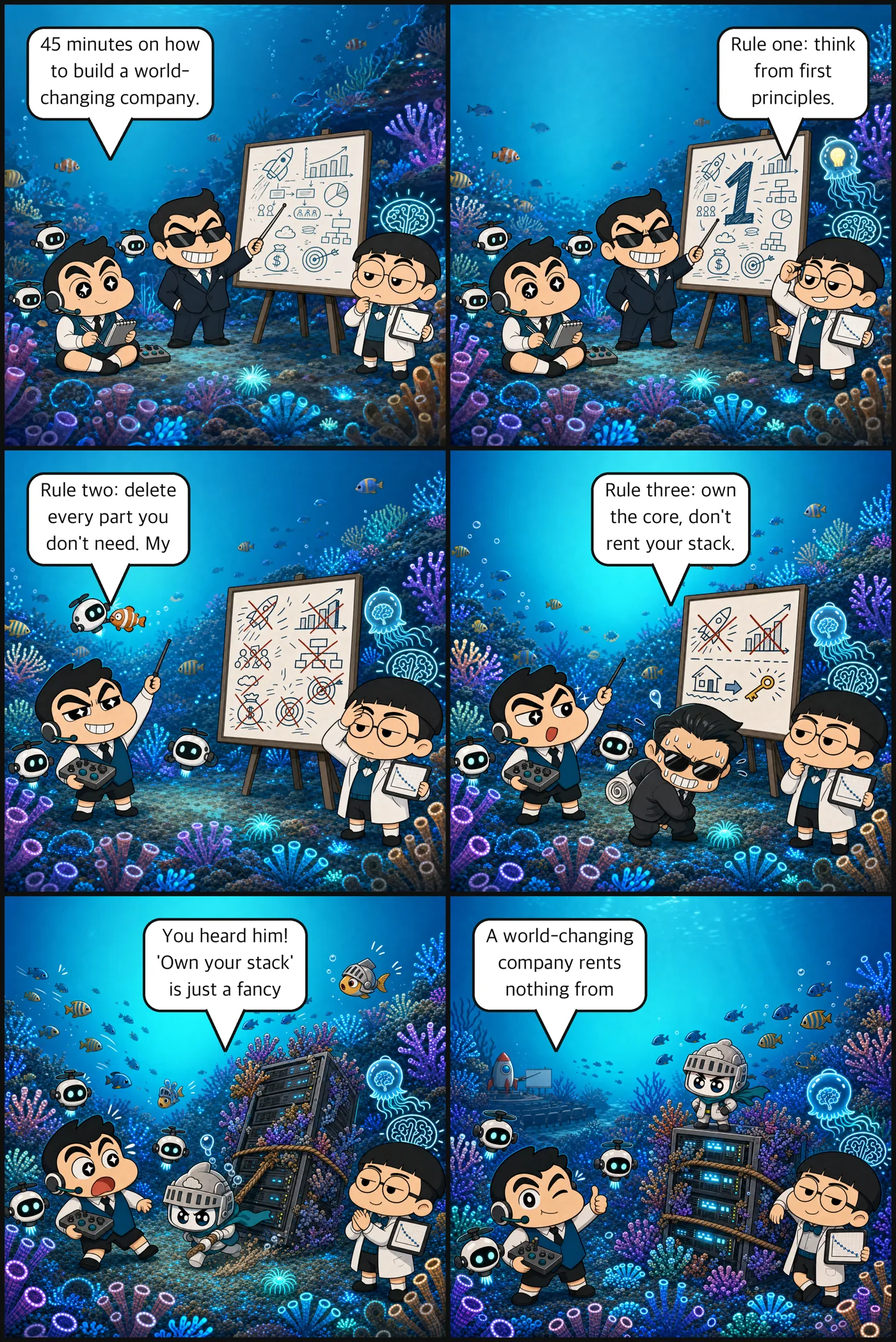
A rocket-CEO’s startup lecture, and the last rule was on-prem all along.
One developer put it this way: “I don’t type prompts into Claude Code anymore.
The first half of 2026 shows AI agents stepping off the demo stage and onto the night shift, in insurance underwriting and on power plant operations.
Claude Code artifacts have expanded beyond Team and Enterprise to the Pro and Max plans.
Robots throw away their trial and error every time they solve a task, then fumble from scratch on the next one.
A new paper analyzing 15 production MCP servers catalogs five architecture patterns and four anti-patterns.
Most agent work doesn’t need a frontier model.
We measured actual tokens-per-second across tensor parallelism, data parallelism, and Prefill/Decode disaggregation (1P1D) for Qwen3.6-27B-NVFP4 and gemma-4-26B-A4B on two NVIDIA B200 GPUs.
The /dataviz skill added in Claude Code 2.1.198 loads chart and dashboard design guidance directly into context.
Recent work shows agent performance can drop as skill libraries grow.
Stuffing skills into an agent’s prompt eats context and breaks easily.
NVIDIA re-quantized Qwen3.6-27B to NVFP4 so it serves on a single Blackwell GPU with vLLM out of the box.
We break down Anthropic’s official prompting guide for Claude Fable 5.
If you operate LLMs in production but can’t explain why the KV cache eats memory or what GQA actually saves, your optimization work is running on intuition.
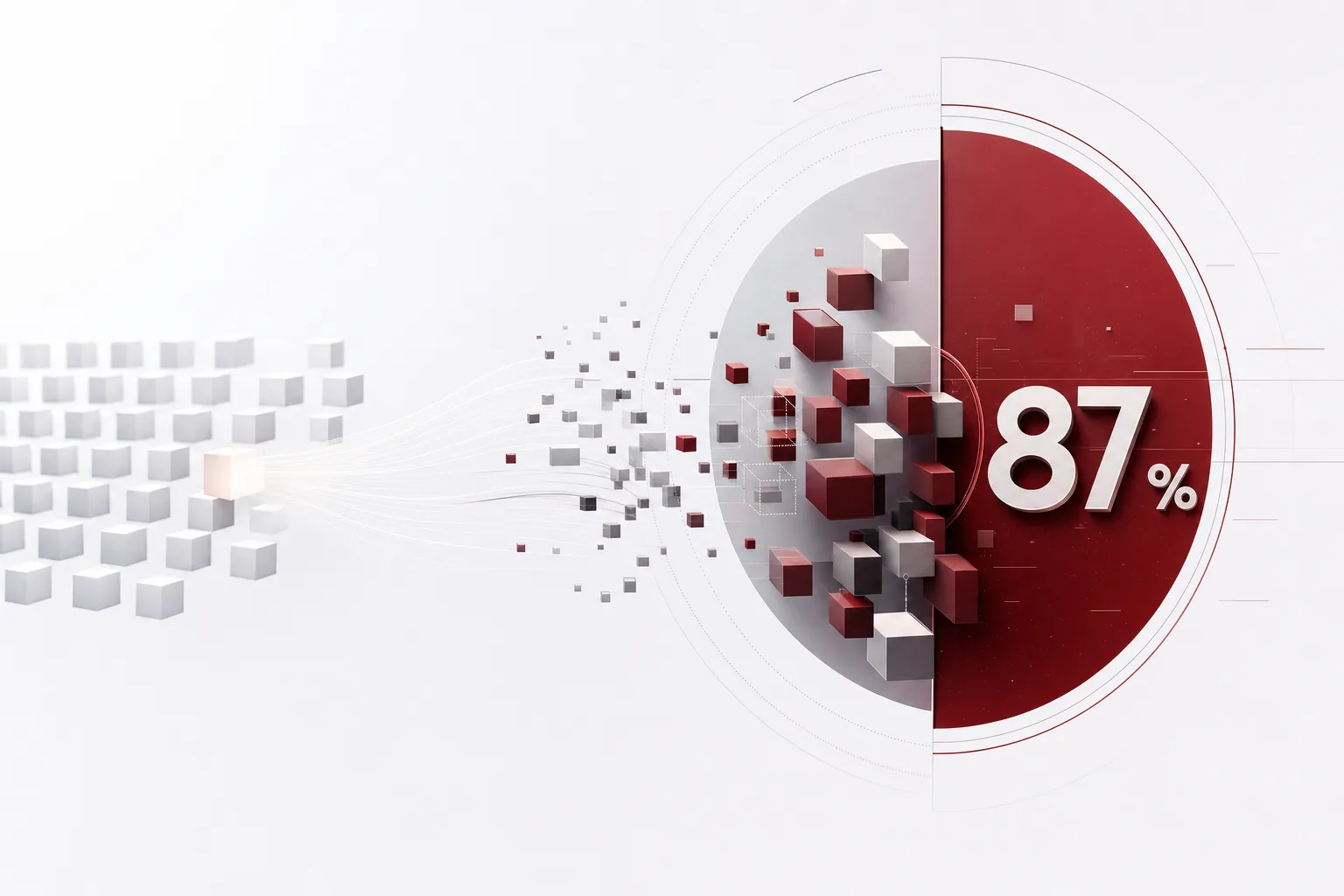
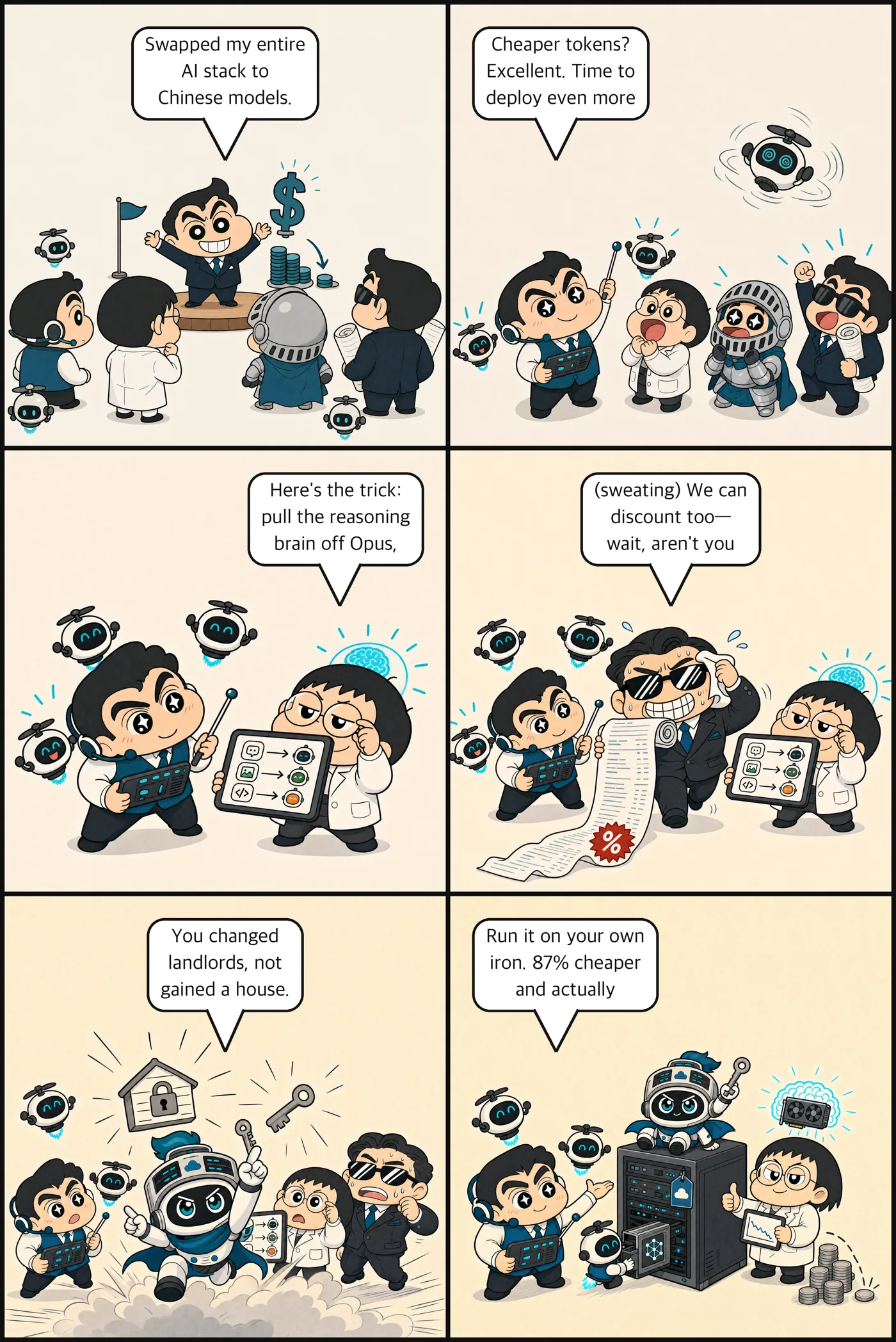
87% cheaper is great.
Most agent automation is not top-tier reasoning.
NVIDIA’s Qwen3.6-27B-NVFP4 compresses a 27B hybrid-attention reasoning model to 4-bit, cutting memory by roughly 2.5x while keeping benchmark gaps within 1 point of FP8.
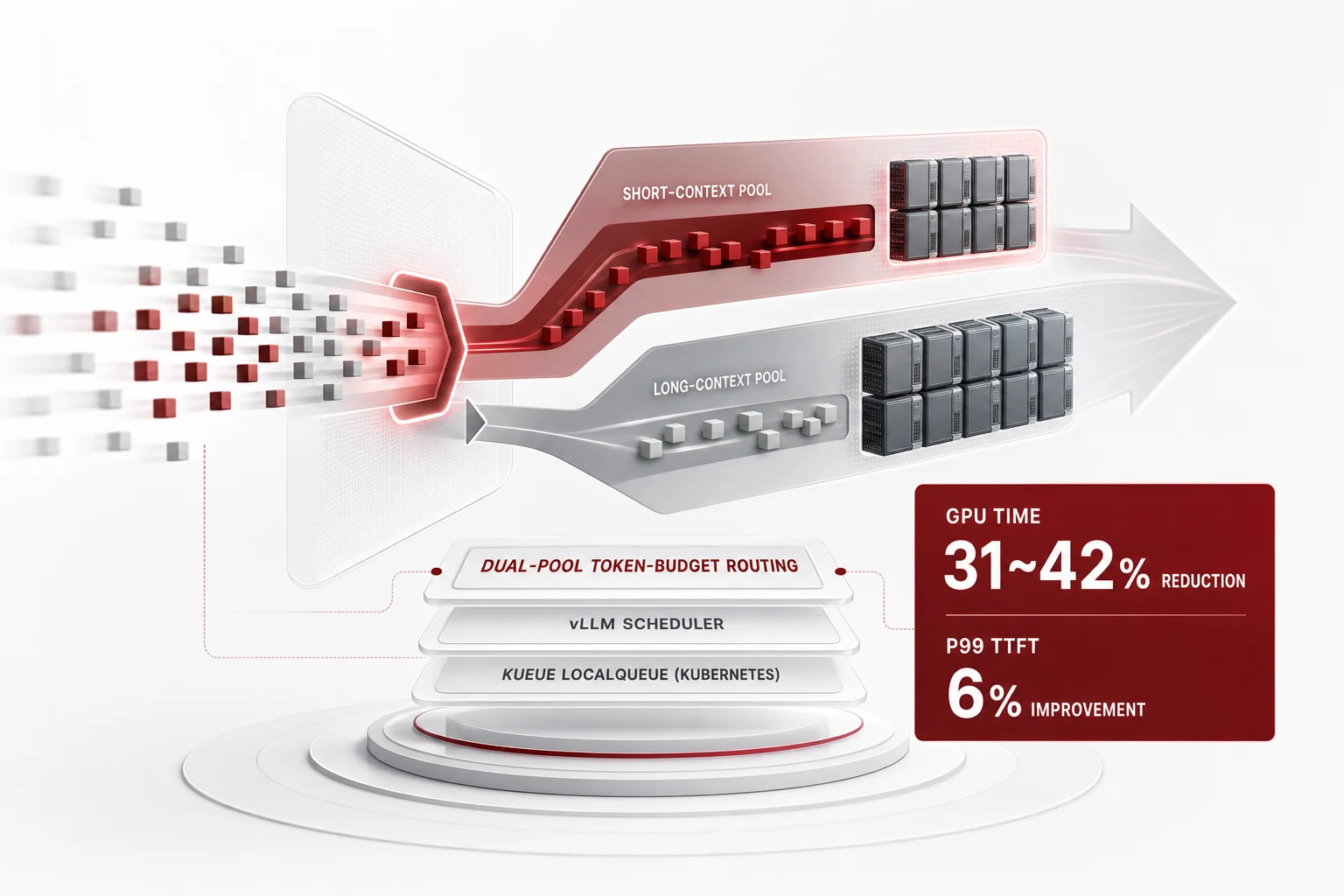
Short requests waiting behind long ones in a single queue silently waste GPU time, and that is Head-of-Line (HoL) blocking.
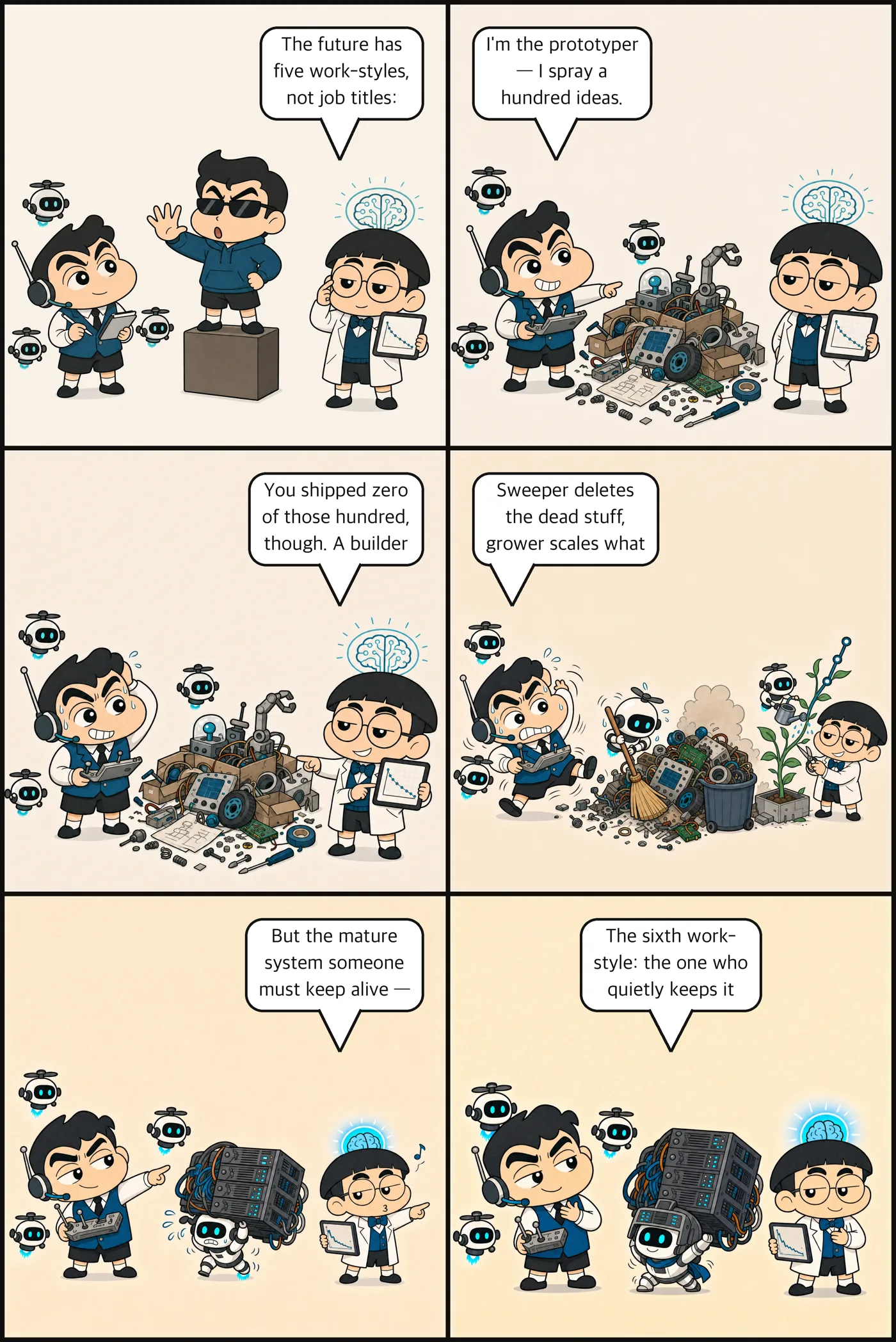
As engineering, product, design, and data blur into a single mass, Boris Cherny, the creator of Claude Code, proposes five role archetypes and a team-composition formula tied to product lifecycle stage.
Roles blur into prototyper, builder, sweeper, grower, maintainer, and nobody wants the sixth.
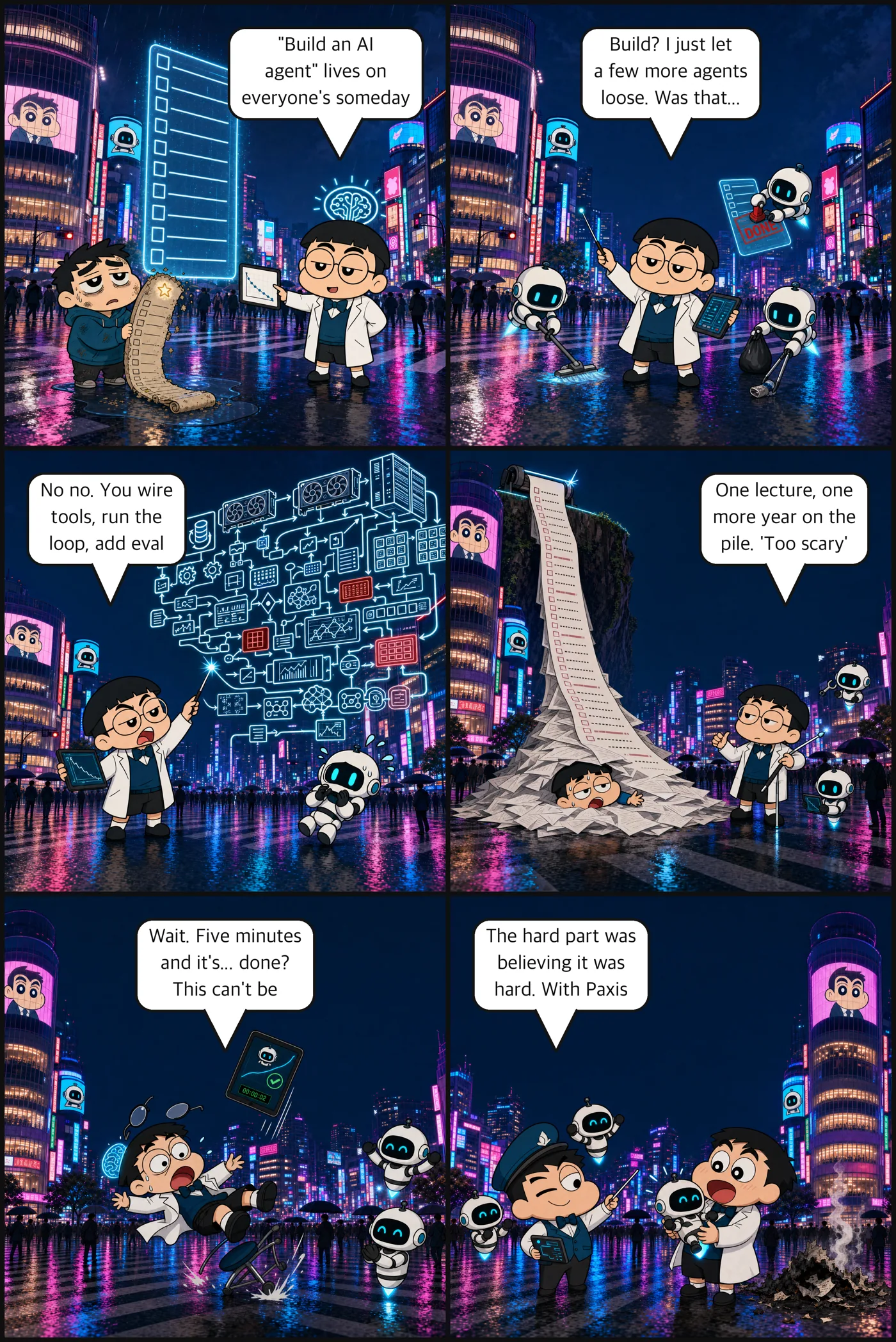
The day the whole stack belonged to someone else, and Paxis and Metis cope.
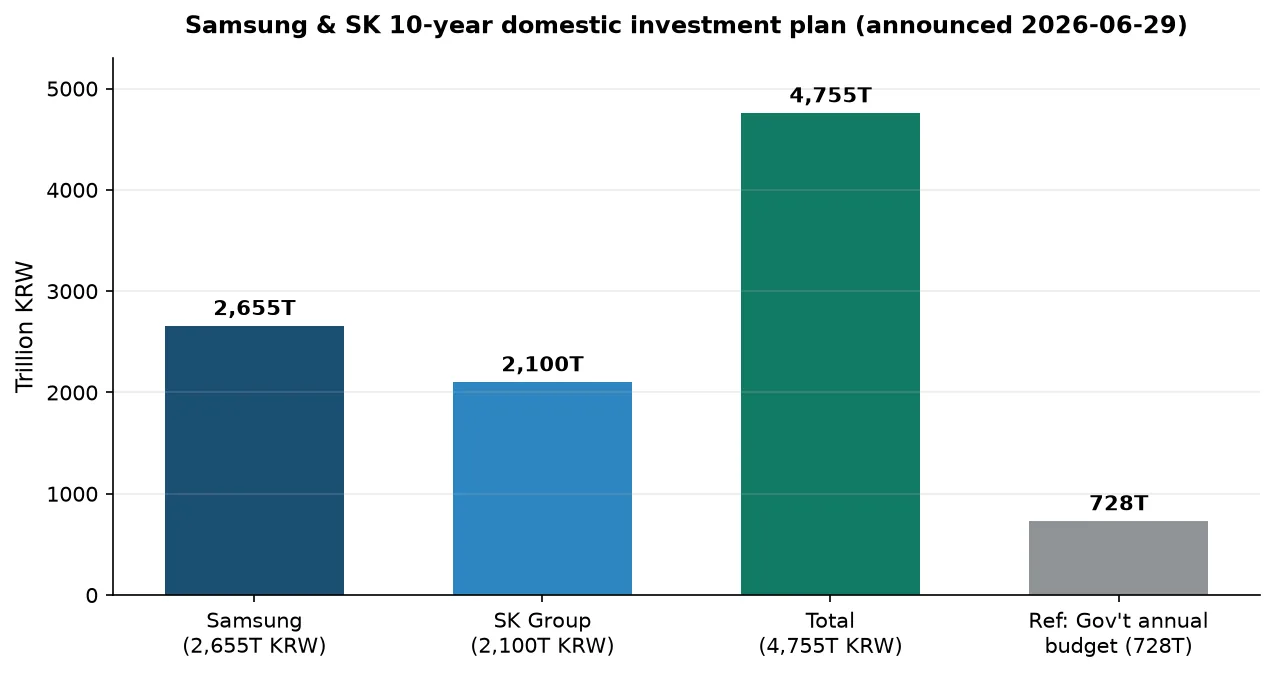
On June 29, 2026, Samsung Electronics and SK hynix announced a combined 4,755 trillion KRW domestic investment over the next 10 years.
By mid-2026, open-weight models had closed to within a 3-to-6-month capability gap of frontier labs, and that gap is no longer widening.
‘The Hitchhiker’s Guide to Agentic AI: From Foundations to Systems’ on arXiv is a practitioner reference that traces every layer of agentic AI – from LLM substrate through alignment and reasoning, up to agent systems and production deployment.
US model token share on OpenRouter fell from roughly 70% to roughly 30% in a year while Chinese open-weight models climbed to about 46%.
Hyperscaler capex in 2026 reaches roughly $725B, up 77% year over year.
The GLM-5.2-NVFP4 checkpoint published by NVIDIA lets you serve a 469B MoE model on a single Blackwell node (8x RTX PRO 6000) with vLLM.
Shared by midudev and quickly making the rounds, browser-use’s video-use is a free, open-source skill: drop raw footage into a folder, type one sentence, and a coding agent handles cutting, filler removal, subtitles, color grading, animation, and rendering.
Anthropic’s Economic Index ‘Cadences’ report (June 26, 2026) drops seven-day samples for continuous hourly telemetry, then combines an artifact classifier with survey data to lift AI-impact measurement from chat logs to a layered, mixed-method approach.
slime, the asynchronous reinforcement-learning infrastructure behind the post-training of Z.ai’s 1M-context open-weight model GLM-5.2, has been fully open-sourced.
Coinbase CEO Brian Armstrong’s recipe for controlling AI cost was not usage caps or spend alerts, but better defaults, routing, and caching.
CLAUDE.md, rules, skills, agents, hooks, MCP – all of it.
arXiv 2606.24775 ‘Are We Ready For An Agent-Native Memory System?’ treats LLM agent memory not as RAG but as a full data-management system, decomposing 12 memory systems into 4 modules and measuring each.
Released by DeepReinforce on June 25, 2026, Ornith-1.0 is an open-source coding model family built on a self-scaffolding mechanism: during reinforcement learning, the model writes the training scaffold that guides its own solutions.
NVIDIA has released a NVFP4 (4-bit) quantization of ZAI’s 753B MoE reasoning model GLM-5.2 on Hugging Face.
An open-source project bundles a professor’s paper-writing expertise into a Skill package that works across Codex, Claude Code, and Gemini.
The /learn command that Nous Research added to Hermes Agent can point at a directory, a URL, a just-finished conversation, or a pasted note and turn it into a reusable skill - no hand-written SKILL.md required.
Baidu’s Unlimited OCR replaces decoder attention with Reference Sliding Window Attention to keep the KV cache constant.
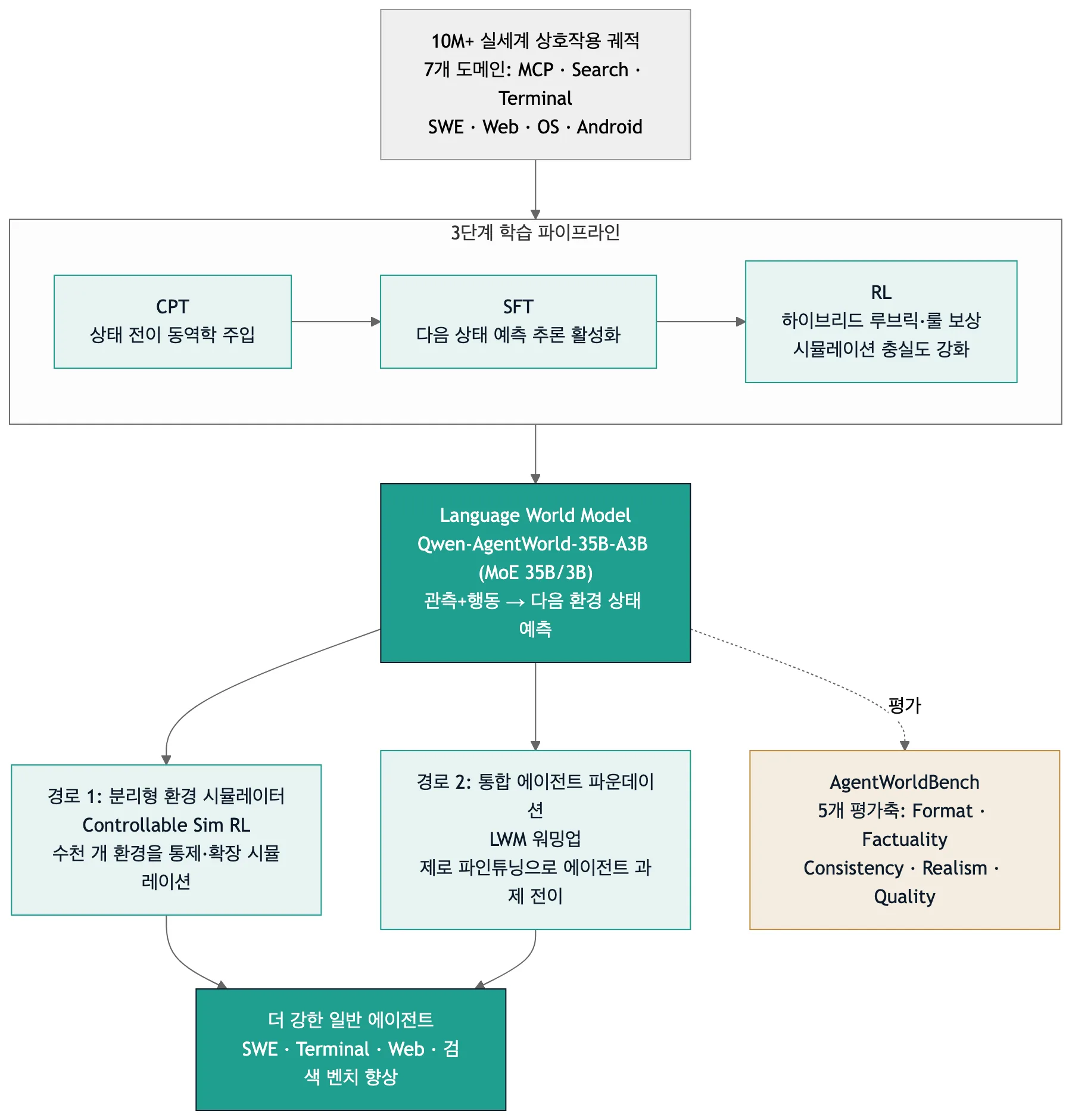
Qwen-AgentWorld, released by Alibaba’s Qwen team, is a language world model trained to predict the environment itself rather than to learn actions directly.
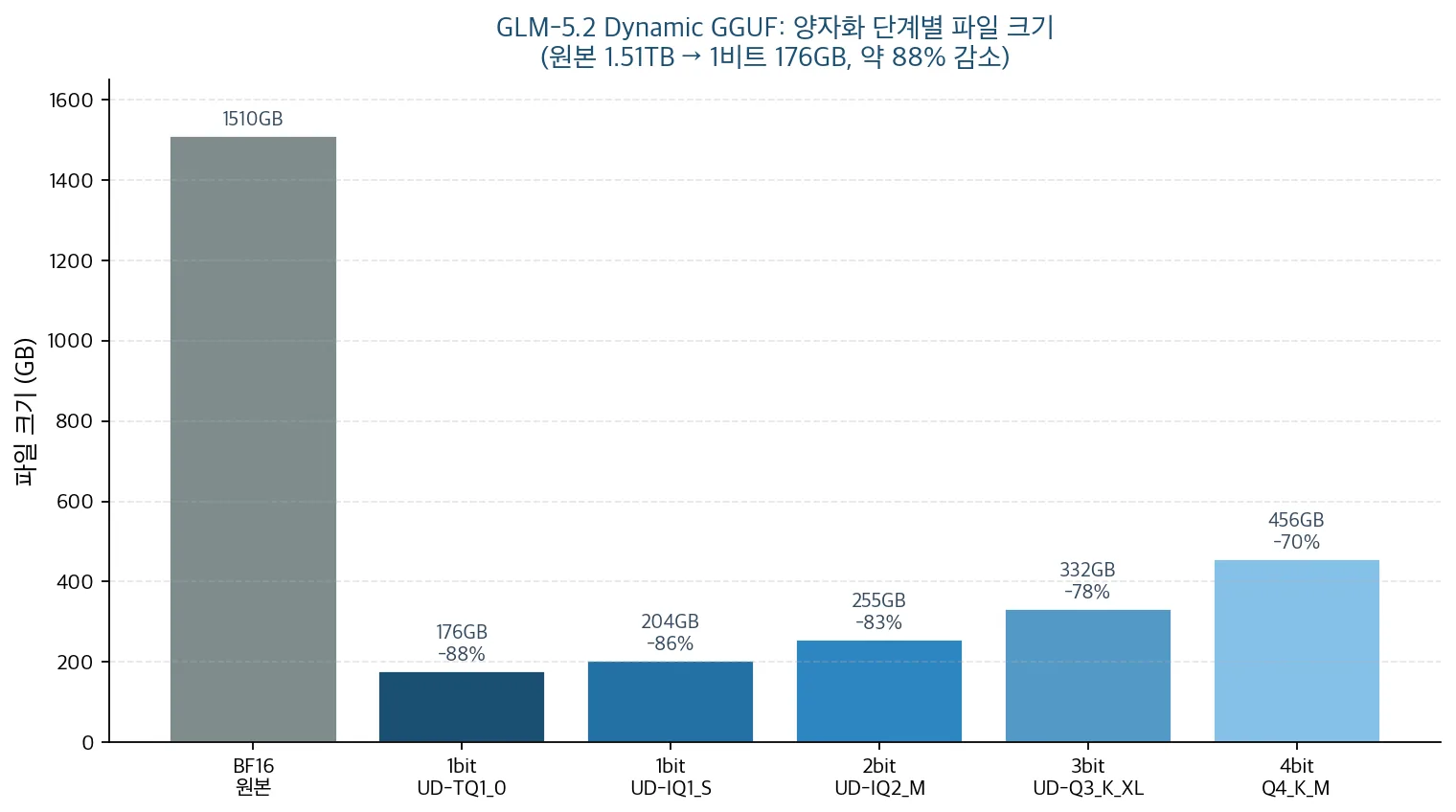
Unsloth shrank GLM-5.2’s (~744B MoE) 1.51TB of BF16 weights down to 176GB with a 1-bit Dynamic GGUF.
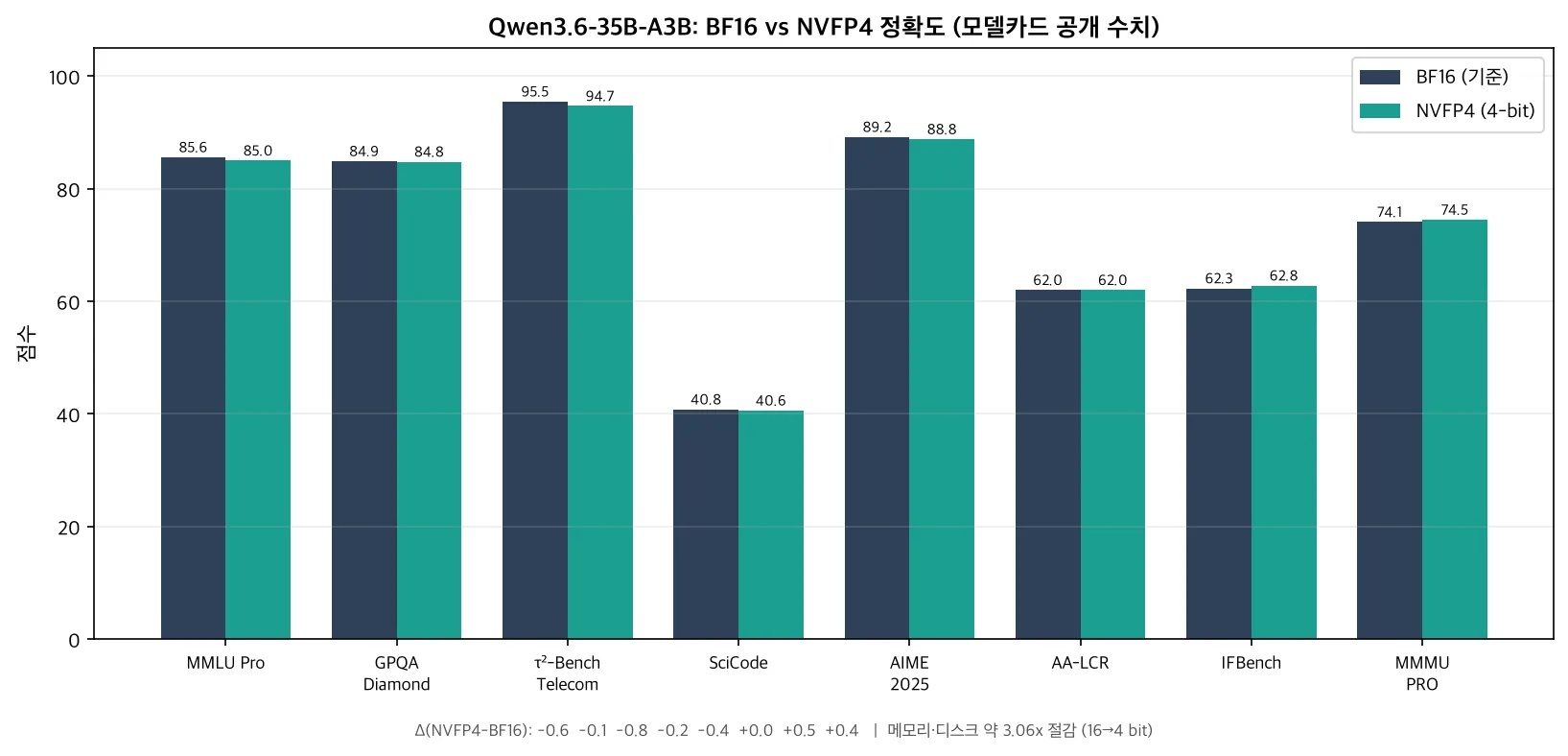
NVIDIA released an NVFP4 (4-bit) quantized version of Alibaba’s Qwen3.6-35B-A3B.
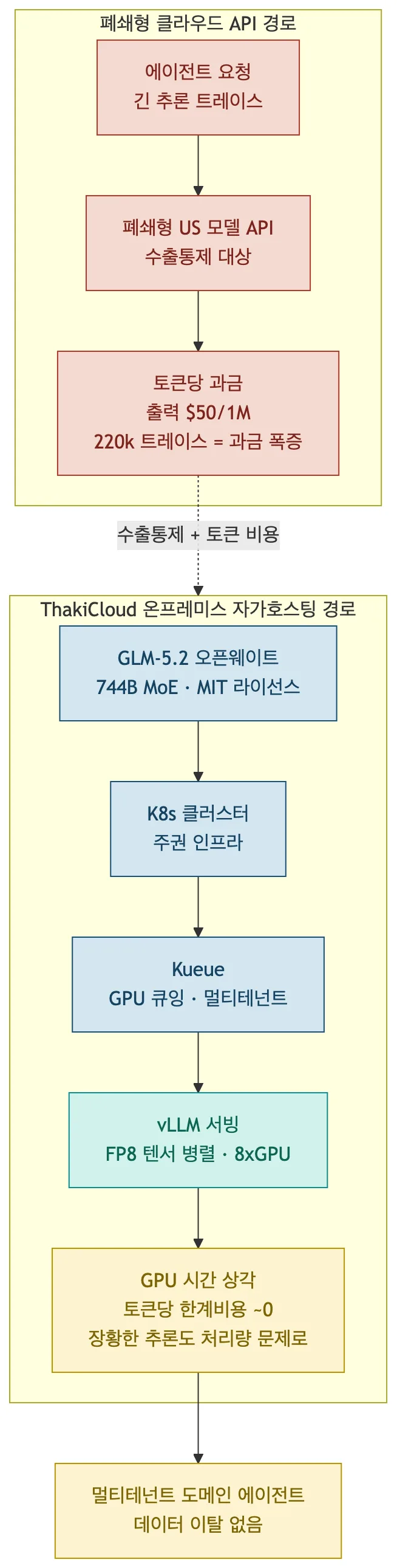
When Matt Pocock used the /teach skill to have GLM-5.2 solve a Rubik’s cube, even the lowest effort setting produced roughly 220,000 tokens of thinking traces across just three turns.
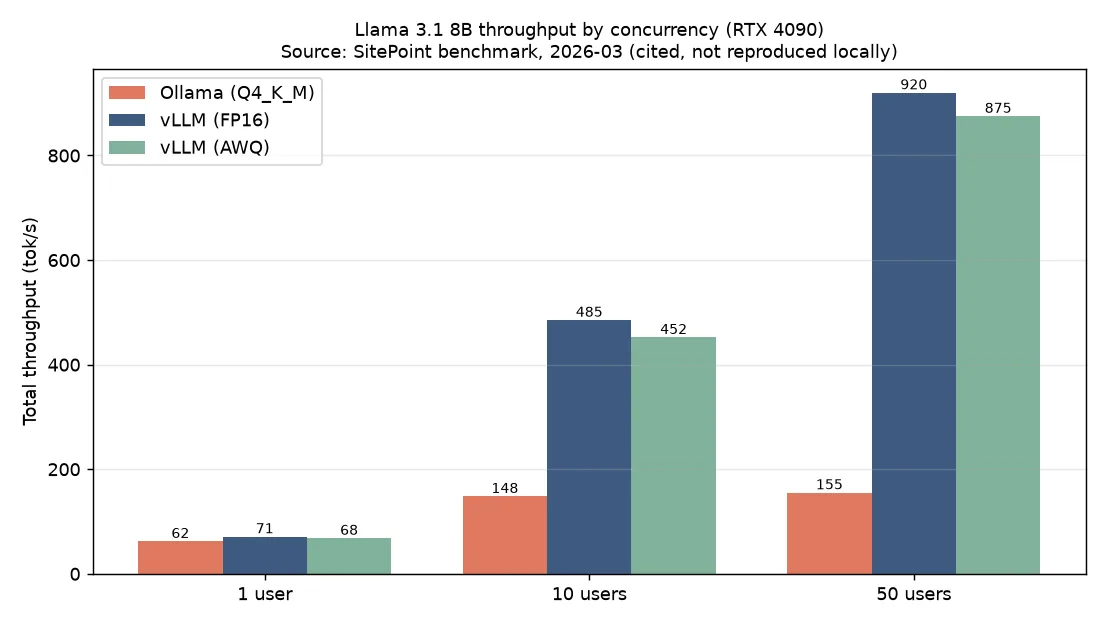
The conventional wisdom that Ollama is easy and vLLM is fast gets re-examined with 2026 RTX 4090 public benchmarks.
Most introductory guides to AI agents cover four pieces: the LLM brain, memory, tools, and the agent loop.
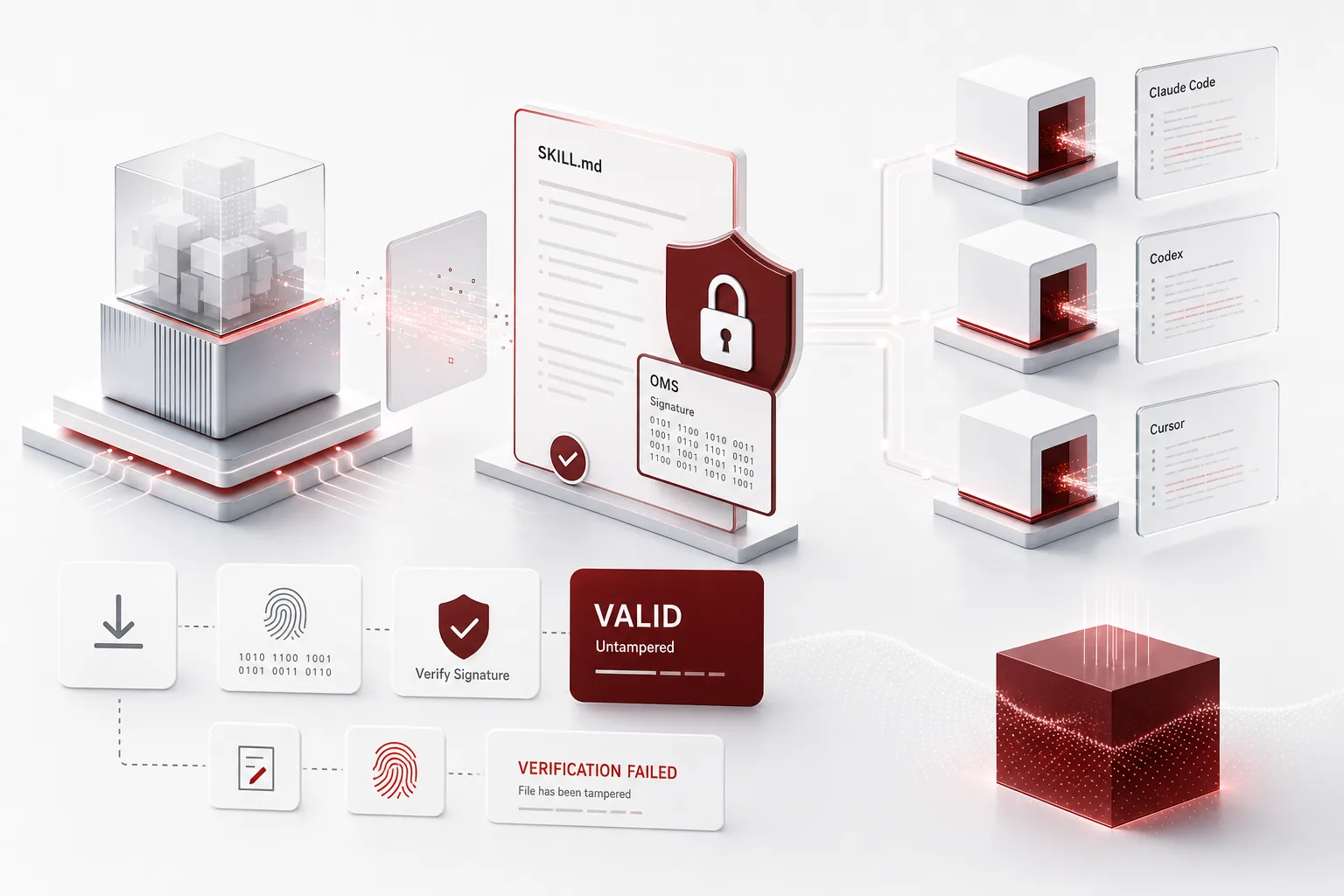
NVIDIA has open-sourced over 200 agent skills paired with OMS cryptographic signatures.
We’re moving from an era of writing good prompts to an era of designing good loops.
Anthropic has released Claude Tag, which lets teams invoke @Claude inside a Slack channel and delegate work to it.
A larger context window is not always better.
Released by Google DeepMind in April 2026, Gemma 4 is a multimodal open-weight family of five models spanning E2B to 31B.
NVIDIA’s Gemma-4-26B-A4B-NVFP4 running 16 parallel streams on a single DGX Spark (128 GB unified memory) delivers roughly 18 tokens/s per stream and about 300 tokens/s combined.
Anthropic has unveiled Claude Tag to replace its existing Slack app.
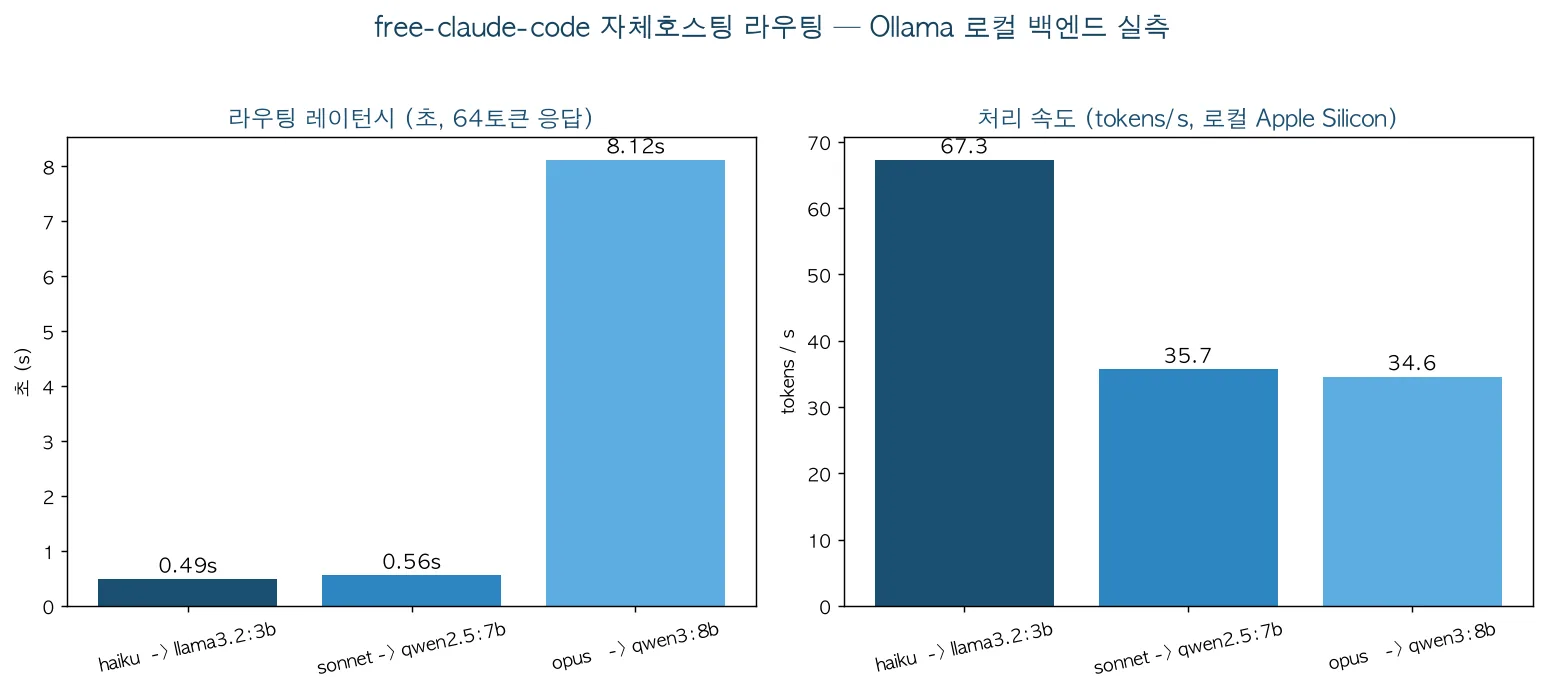
free-claude-code (36.7k stars) intercepts Claude Code traffic through an Anthropic-compatible FastAPI proxy and routes it to 17 providers.
DFlash replaces the autoregressive token-by-token drafter used in EAGLE-3 with a block diffusion drafter that proposes a block of future tokens in a single forward pass.
Routing Claude Code traffic across glm-5.2, MiniMax-M2.7, and Kimi K2 with claude-code-router.
docker-android packages an Android emulator into a single container and runs it headlessly.
An open-source toolkit that renders 1080p video from inside Claude Code with a couple of slash commands.
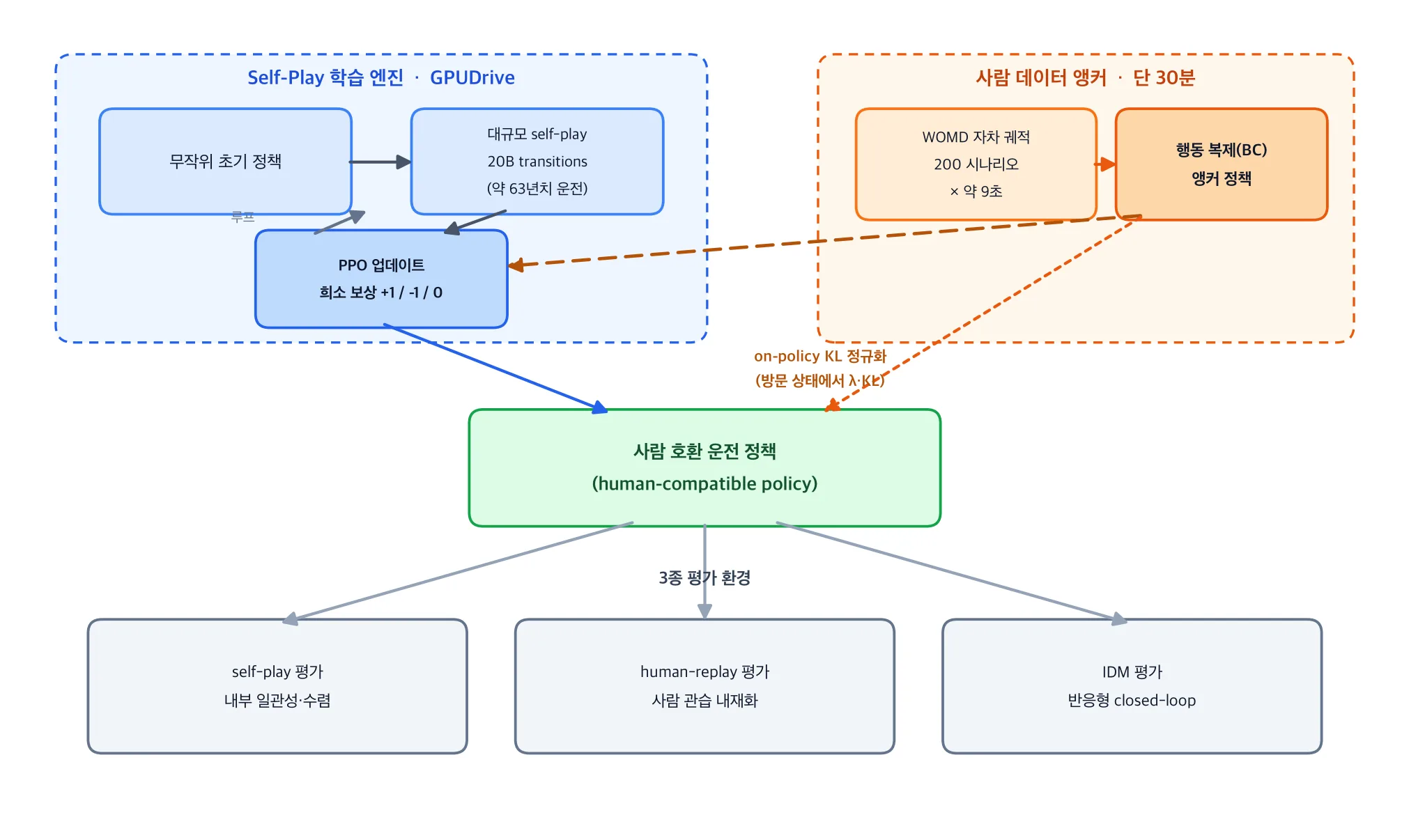
Pure self-play is fast but converges on driving conventions that are incompatible with humans.
We installed PaddlePaddle’s 0.9B compact vision-language model PaddleOCR-VL and ran inference on documents mixing Korean, English, and Arabic.
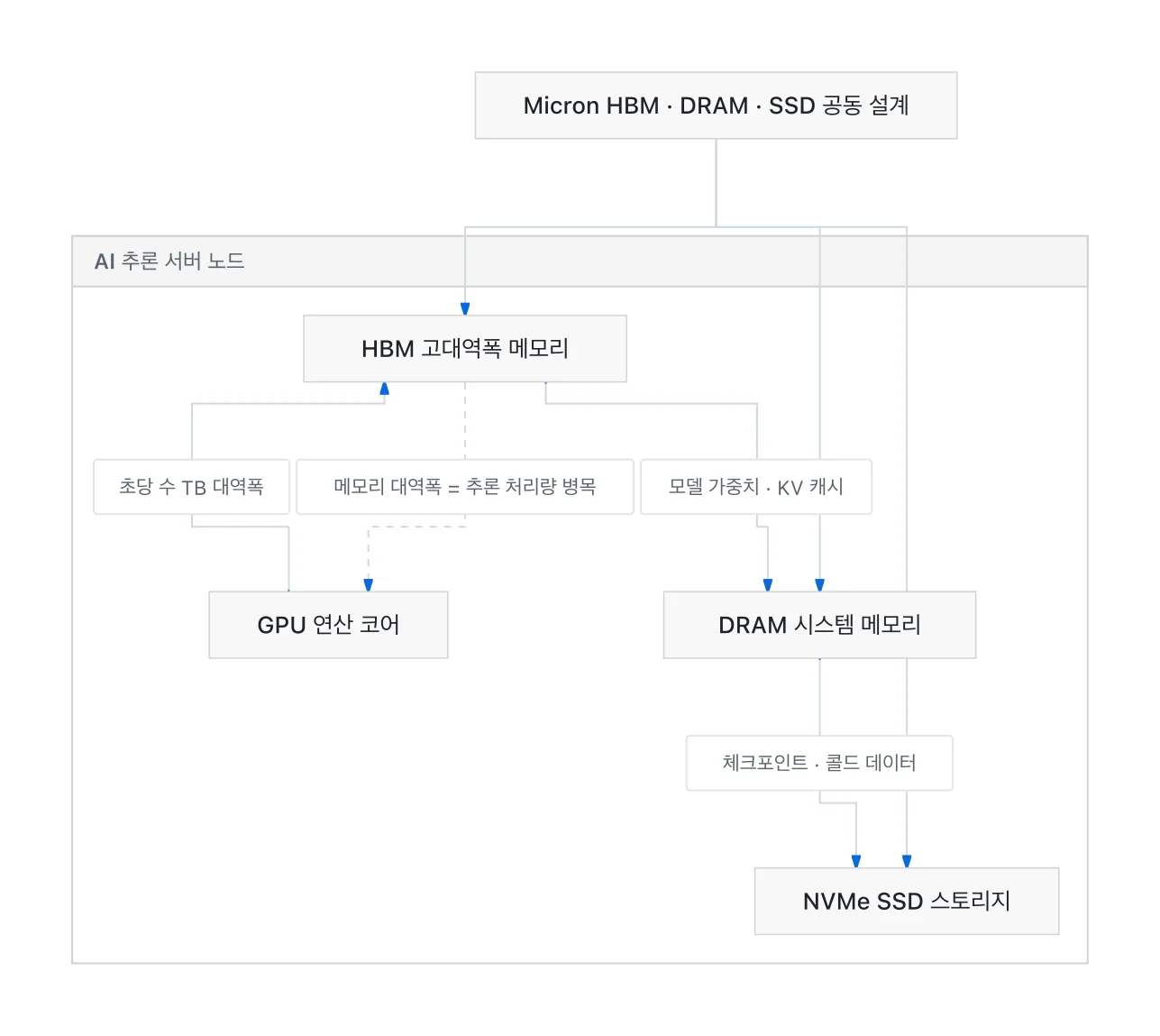
Micron will supply HBM, DRAM, and SSD to Anthropic, co-design AI workload memory architectures, and invested in the Series H round.
Asking whether to use vLLM, SGLang, or TensorRT-LLM first is the wrong order.
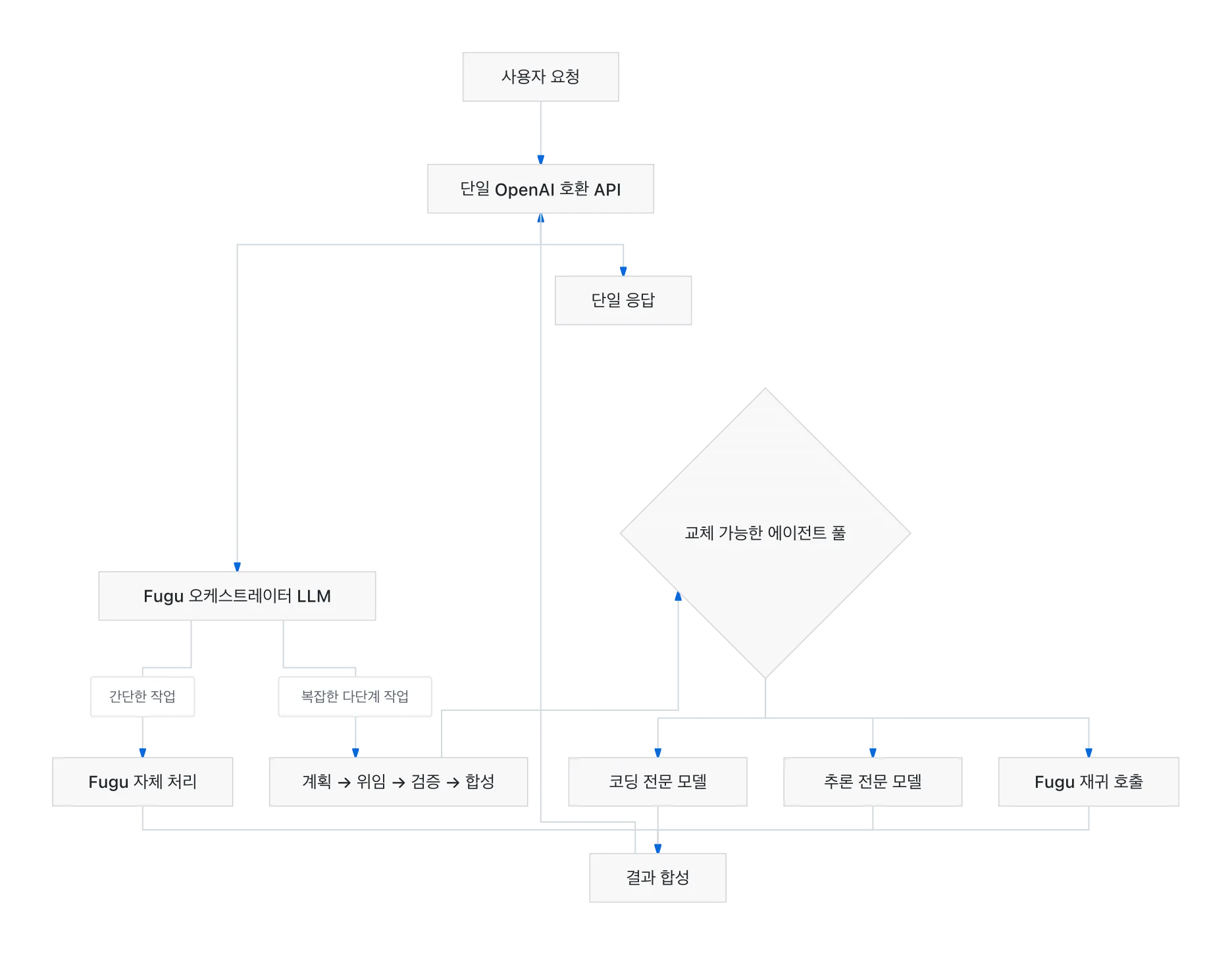
Fugu, released by Sakana AI, is an orchestration system that dynamically coordinates multiple LLMs while appearing to the user as a single model API.
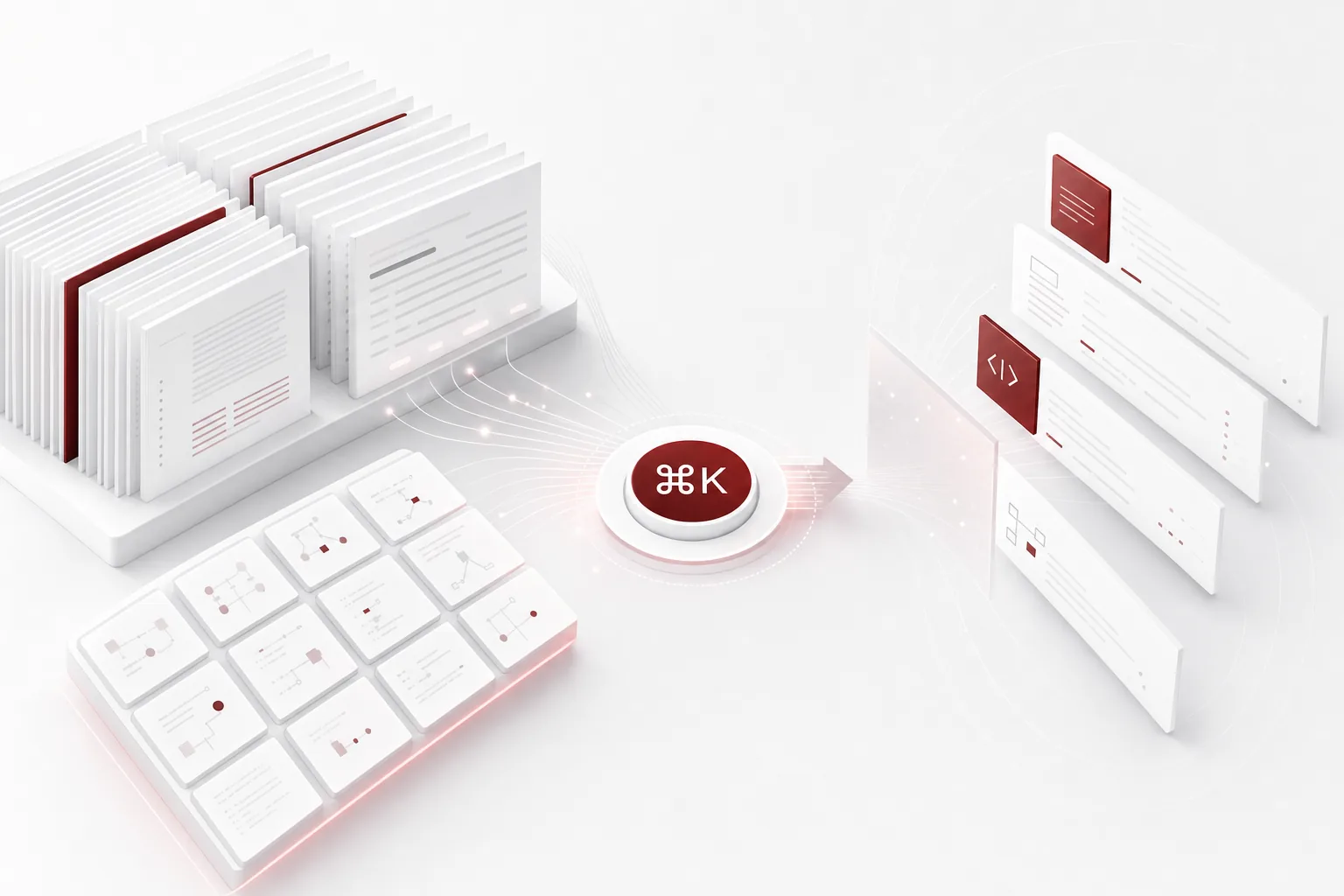
An unofficial community site that indexes the 169 pages of Nous Research’s Hermes Agent docs plus 28 community-built workflows, all searchable with a single ⌘K.
A quote spread quickly: the creator of Claude Code reportedly said Fable 5 now writes 100% of their code and is at least 3x more powerful than Opus.
From literature search to submission-ready manuscript, we connected a 10-stage pipeline automatically using a Claude Code skill pack and integrated it into the ThakiCloud agent environment.
A 16-minute tutorial published by web designer Viktor Oddy demonstrates how one person can build a cinematic marketing site that once commanded $10,000 in fees, using Gemini 3.1 for site structure and Seedance 2.0 for cinematic video.
Anthropic is including Fable 5 in subscription plans at no extra cost only through June 22, and from June 23 it shifts to pay-per-use credits.
While you sleep, the system learns from yesterday’s failures and improves itself.
A breakdown of the free comprehensive local LLM inference guide published by Ahmad Osman, r/LocalLLaMA GPU moderator.
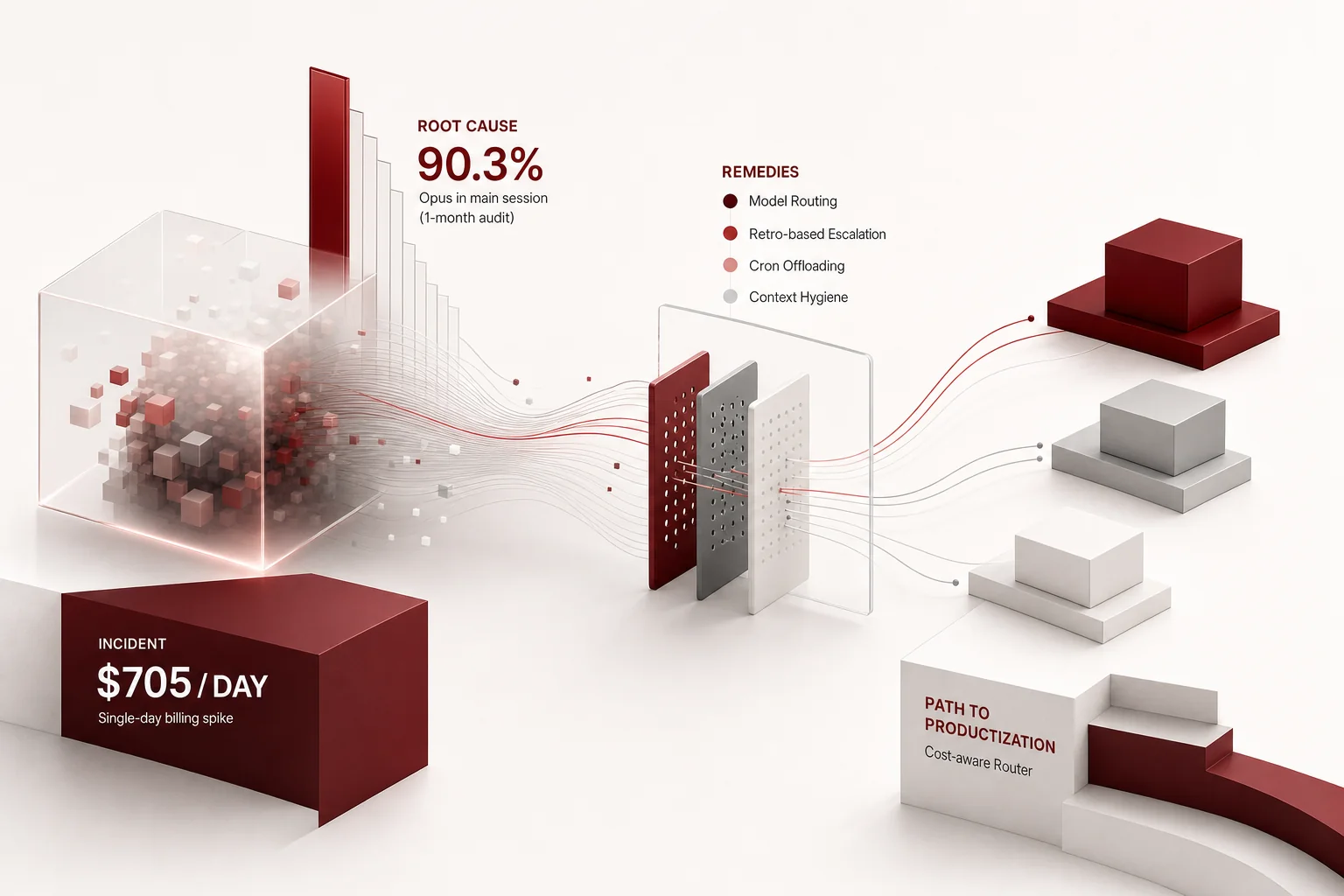
We honestly disclose a $705 single-day billing incident and prove with numbers the root cause found in a one-month audit (Opus main session at 90.3%) along with the remedies: model routing, retro-based escalation, cron offloading, and context hygiene.
A complete workflow for healthcare organizations to fine-tune and serve domain-specific LLMs on in-house GPU clusters without sending patient data to external clouds.
A deep look at GLM-5.2, the 744B MoE coding model released under the MIT license by China’s Z.ai (Zhipu).
Building GLM-5.2, Z.ai open-sourced its entire RL post-training infrastructure.
A guide for government and public sector organizations that cannot use external cloud services to securely operate LLMs on internal GPU infrastructure.
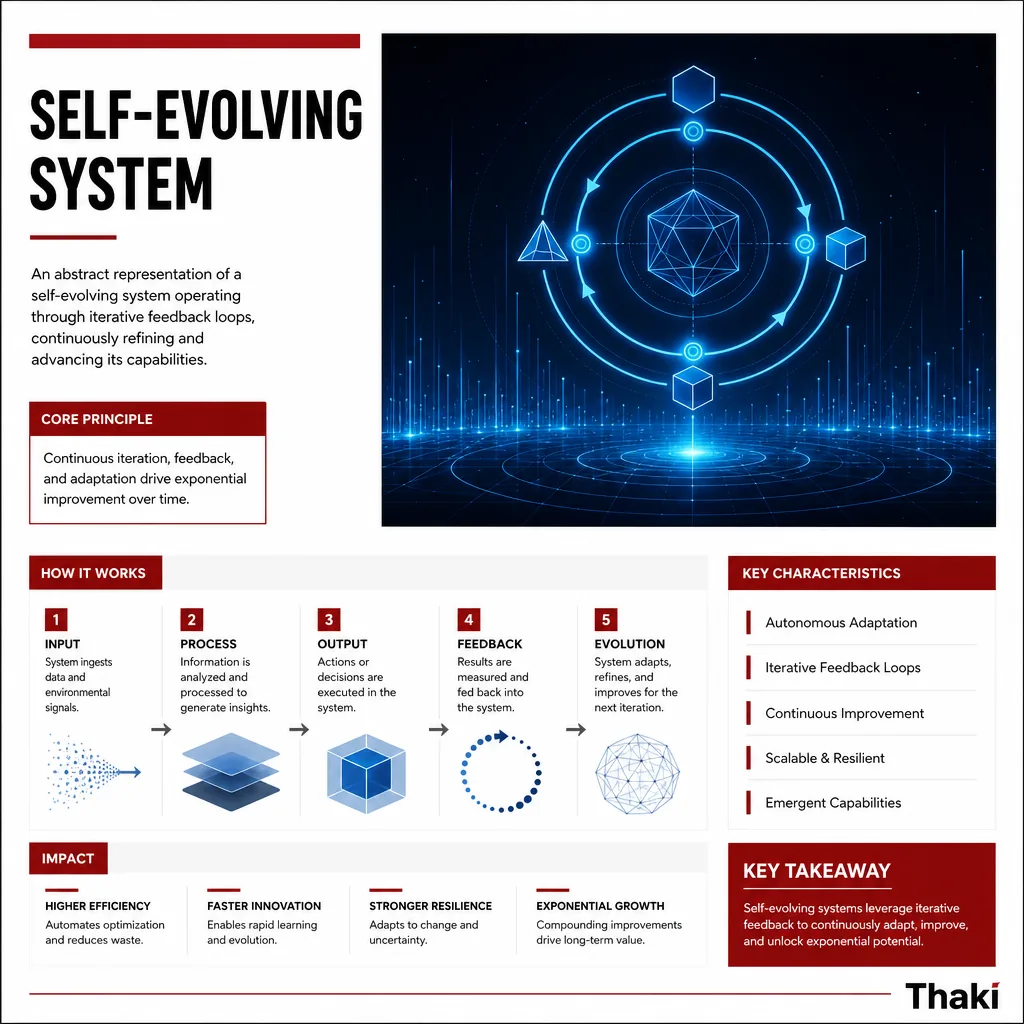
1,620 skills, 55 sub-agents, nightly self-evolution, and cost guardrails.
Routing design principles learned from running 1,620 skills solo on Claude Code.
A viral X article about ‘40 workflows that make money while you sleep’ swept through developer timelines.
How to reclaim tens of millions of dollars annually wasted across three bottlenecks in a 1,000-GPU cluster using Kubernetes-native scheduling.
Z.ai has released GLM-5.2, a 744B MoE coding model under the MIT license.
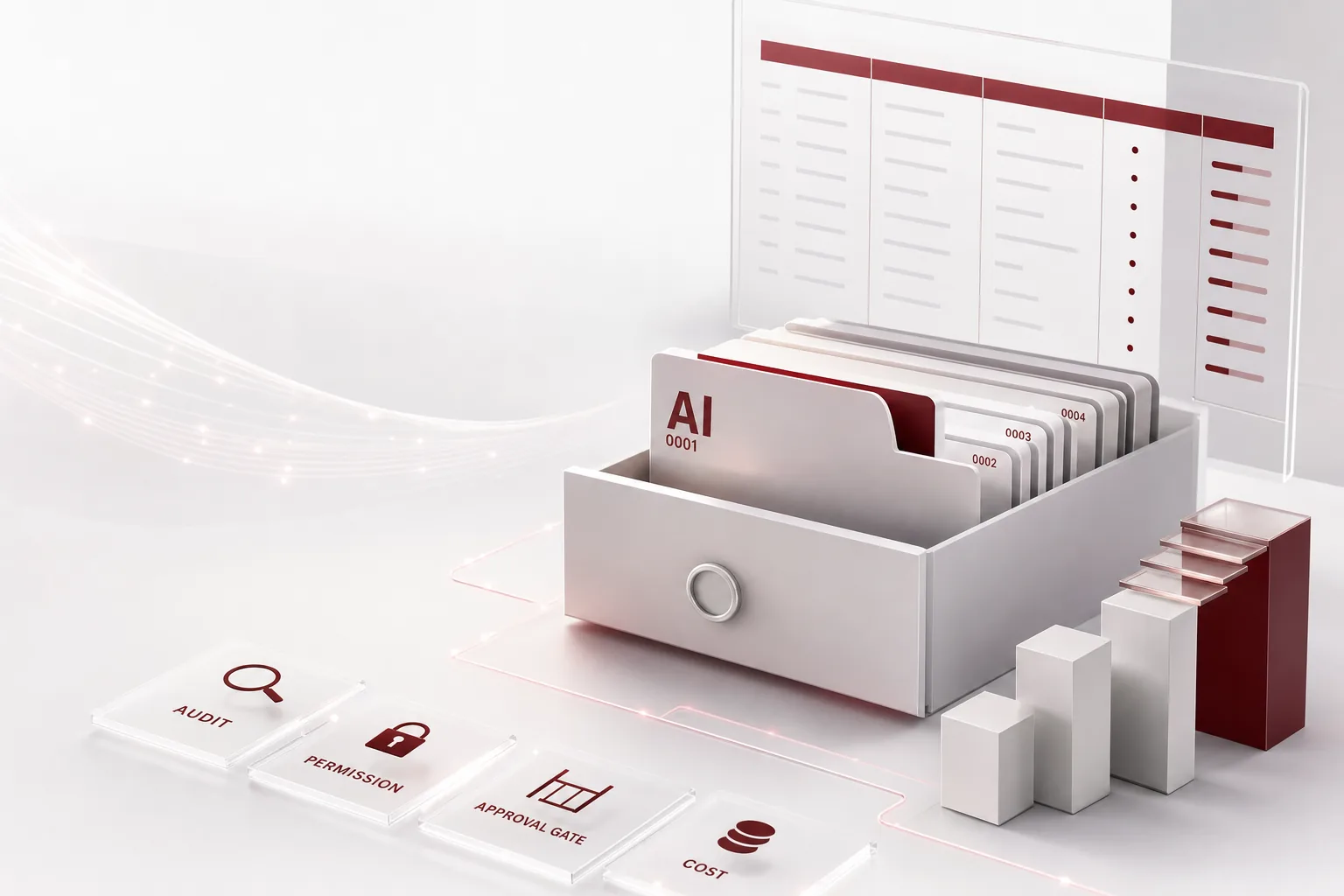
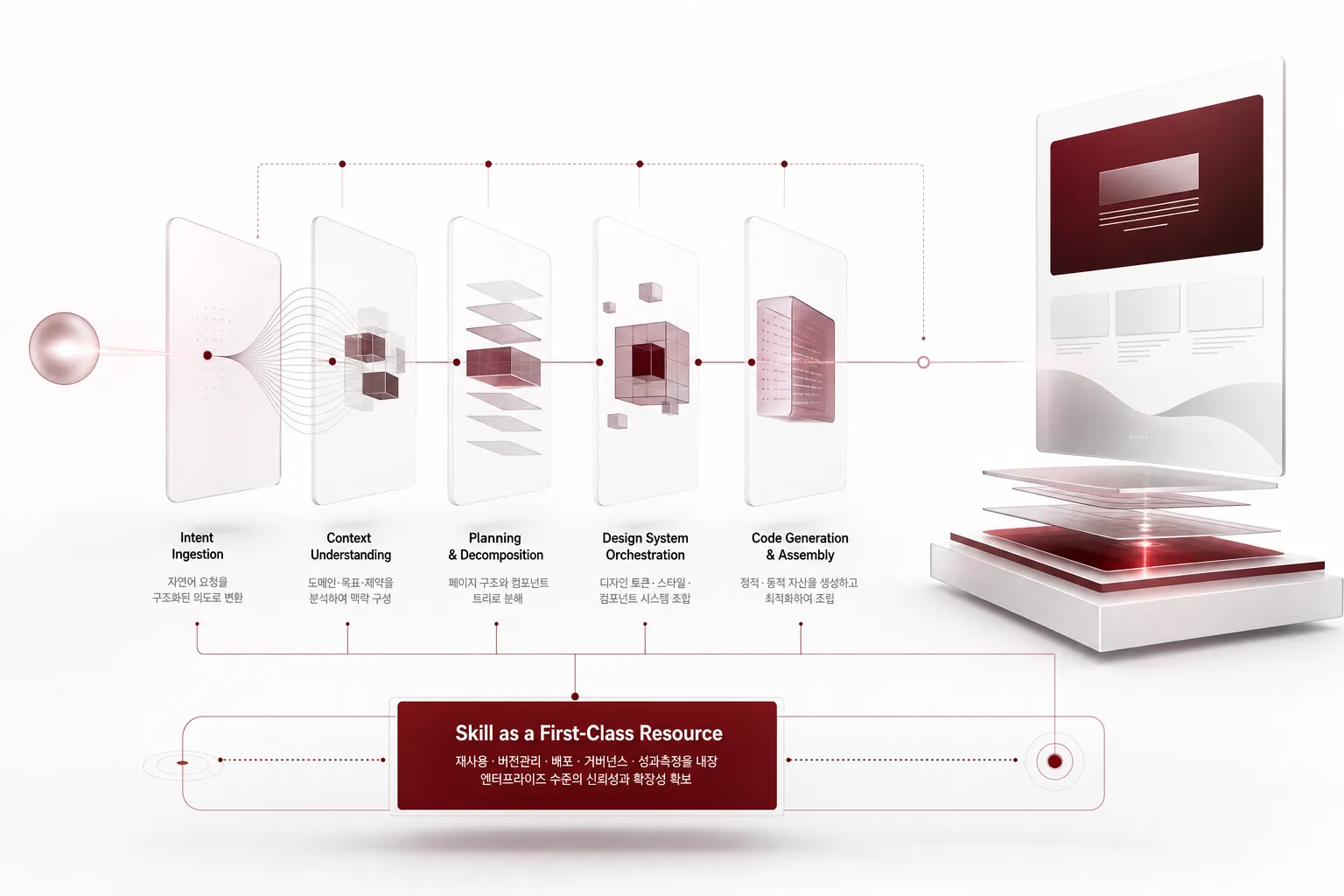
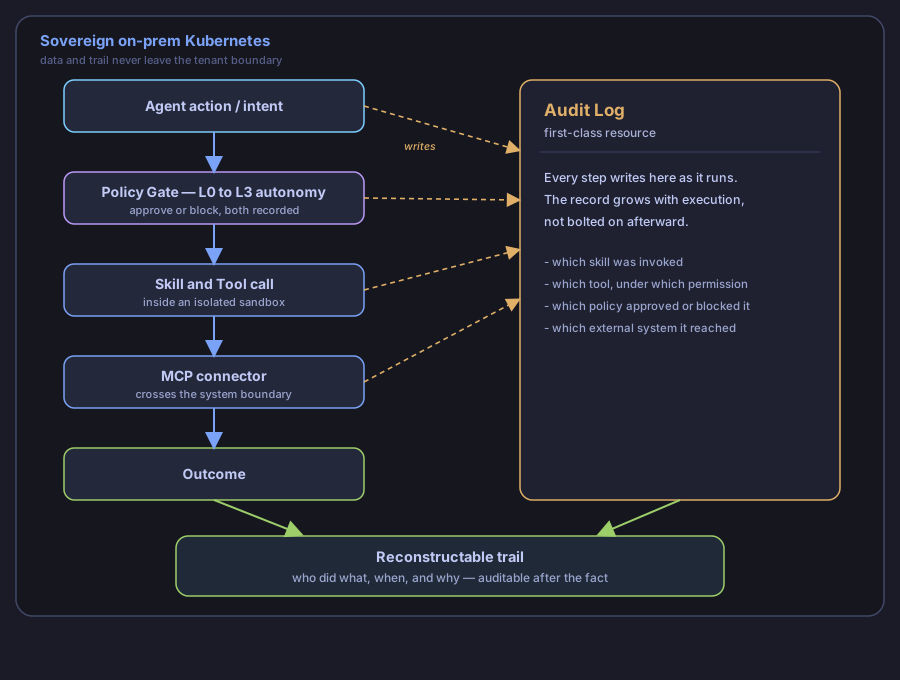
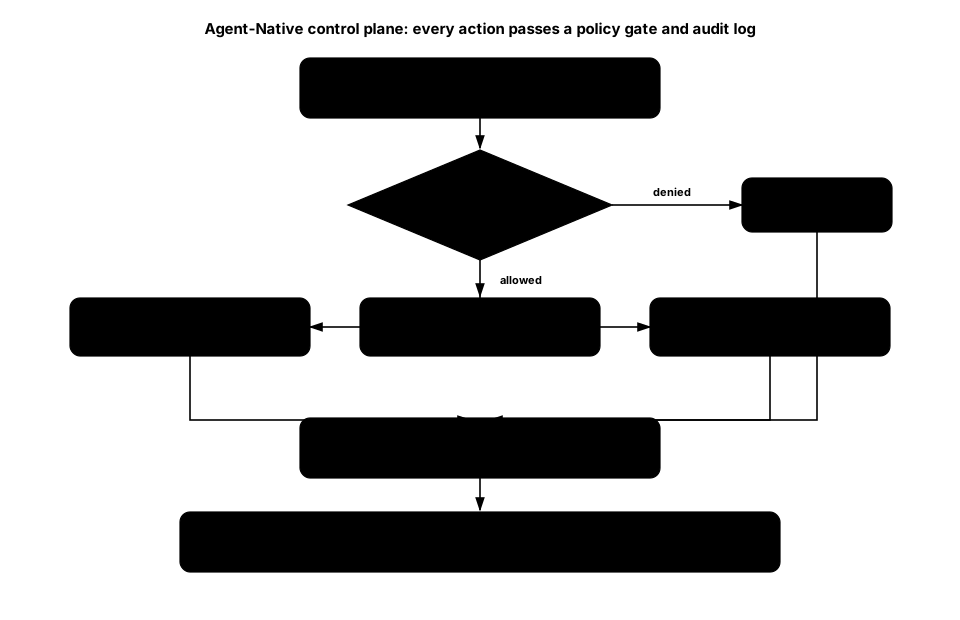
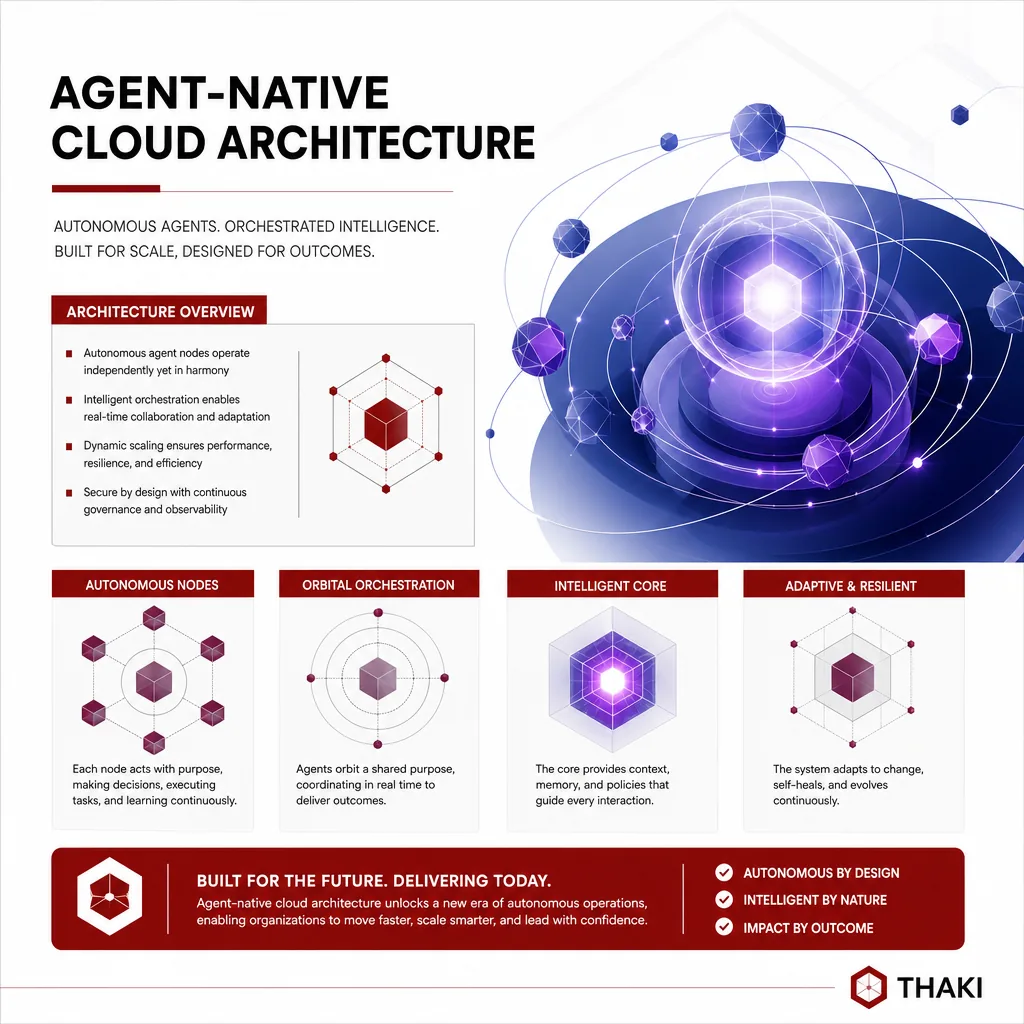
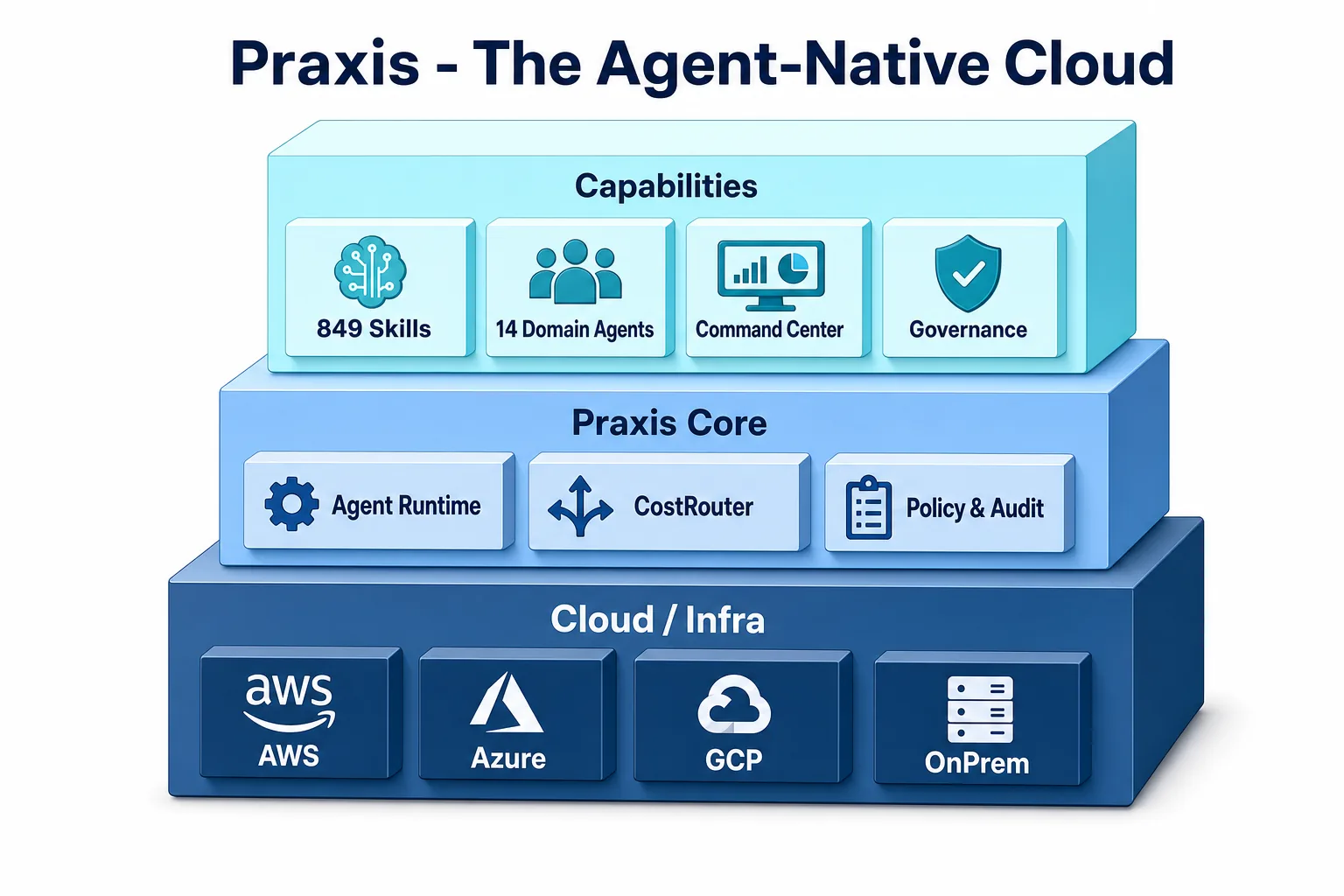
Why VM-centric cloud is ill-suited for autonomous AI agent operations, and the design principles of agent-native infrastructure that treats Skills, Tools, Policies, and Audit Logs as first-class resources.
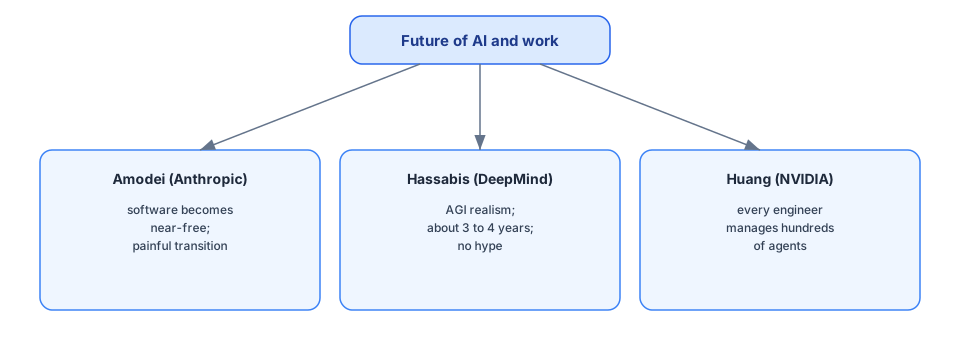
A comparison of the worldviews of Hassabis, Huang, and Amodei, who read the same AI wave through three different lenses of AGI, infrastructure, and labor, and a synthesis of what builder organizations should take from each at a time when their uncertainties overlap.
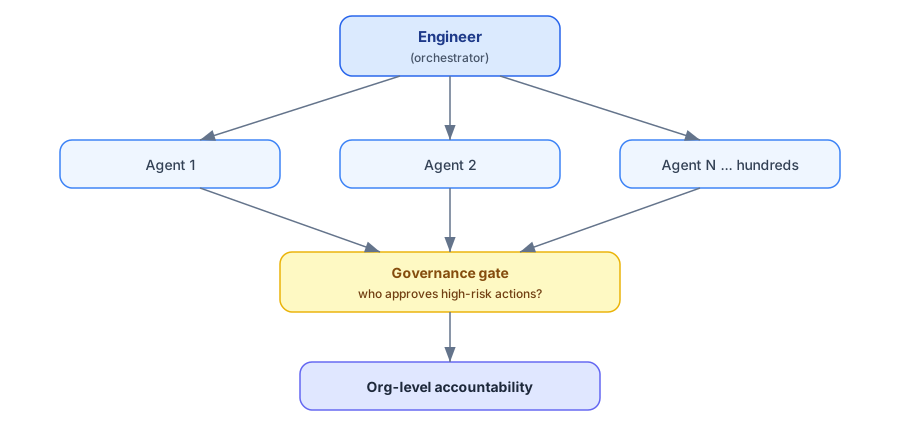
When NVIDIA CEO Jensen Huang’s vision of ‘hundreds of agents per engineer’ becomes reality, how must organizational structures and ways of working change?
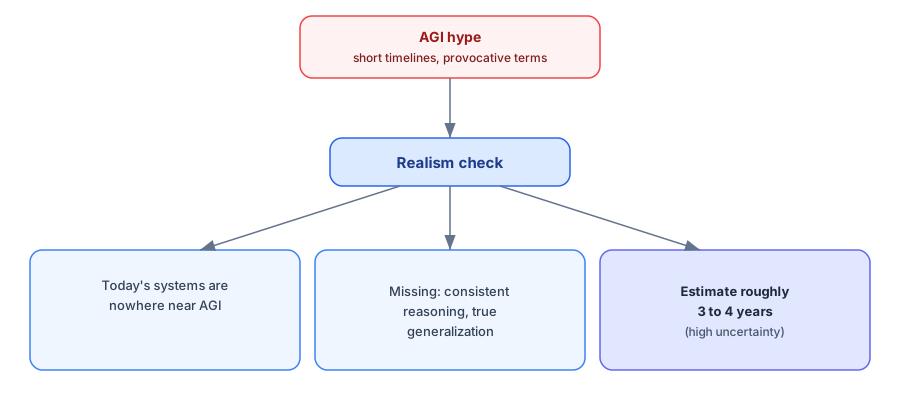
Starting from DeepMind CEO Hassabis’s statement that we are ‘nowhere near AGI,’ this post explores why AI organizations should make honest expectation-setting a core cultural value rather than chasing hype.
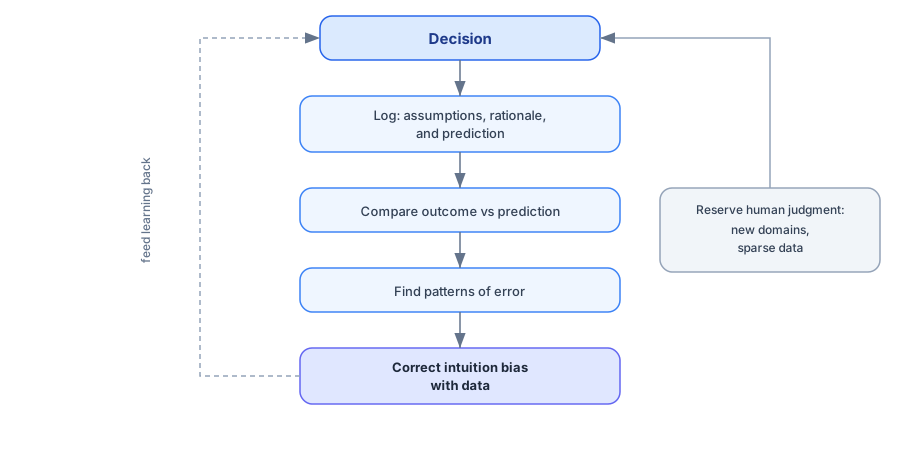
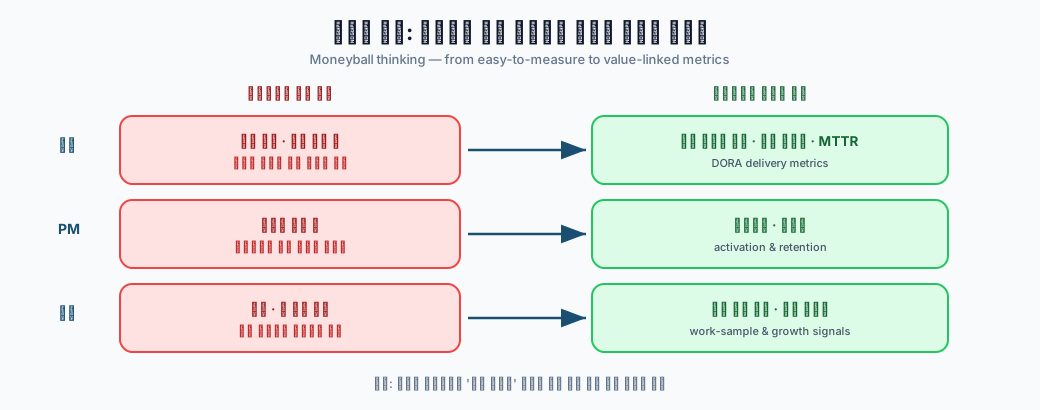
Starting from a market-coined label about Jensen Huang, and deepening the Moneyball legacy, how to root a data-beats-intuition decision culture inside your organization
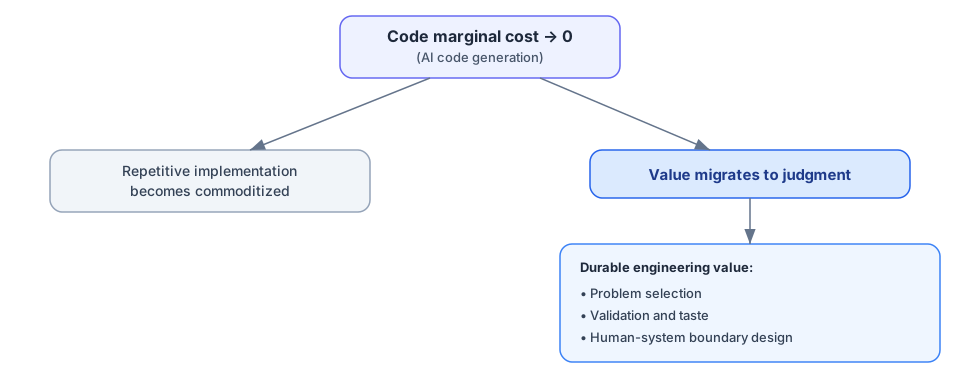
When the marginal cost of code approaches zero, the value of an engineering team shifts from ‘what we build’ to ‘knowing what should be built.’
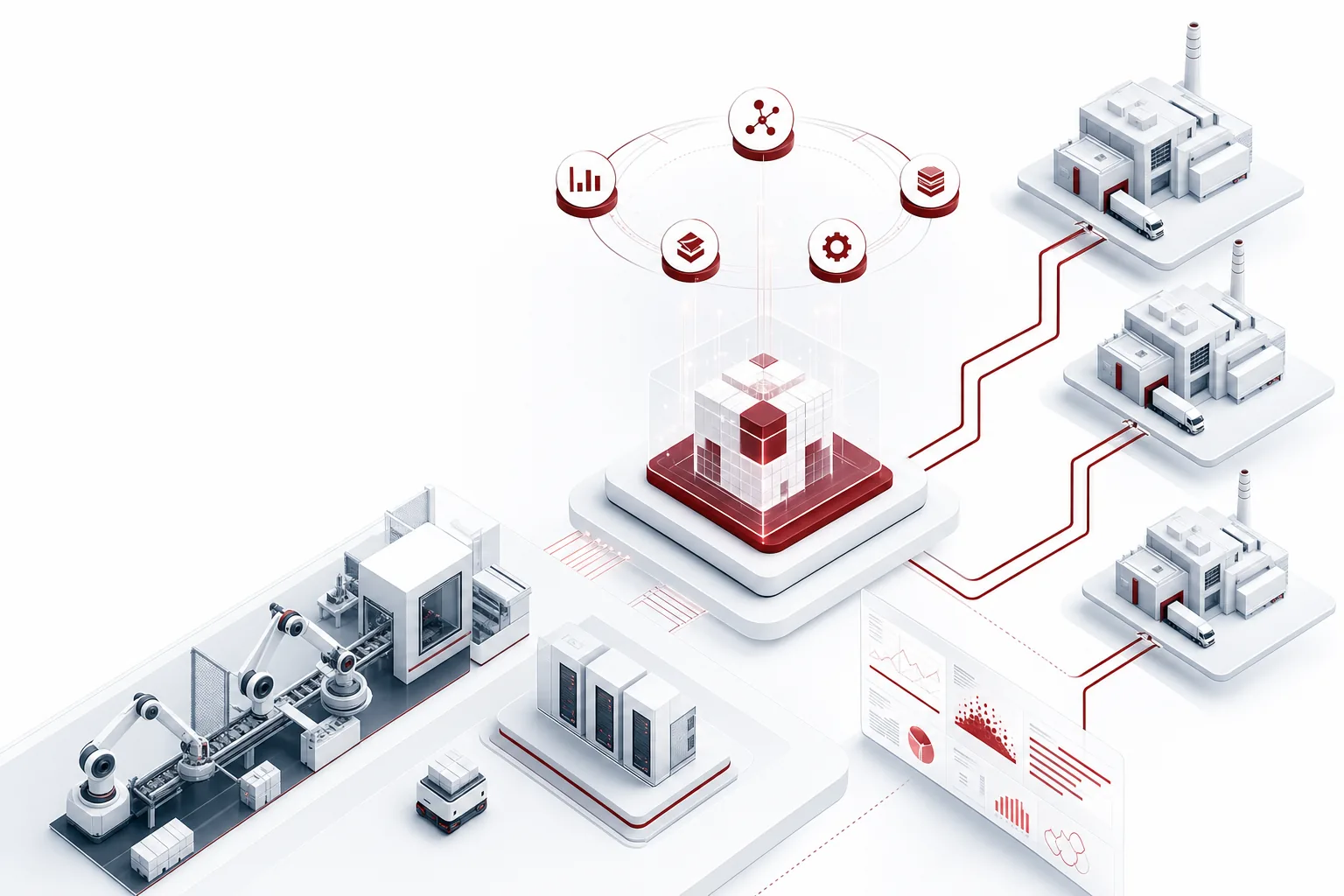
A practical approach to resolving MLOps talent shortages and multi-factory cluster management challenges using multi-persona autonomous agent teams.
A hypothetical case study examining how banks, securities firms, and insurers can meet data localization, audit trail, and internal control requirements when deploying AI agents – using a policy engine and hash-chain audit logs.
A security researcher published a skill pack that reroutes a general-purpose coding agent into more than twenty specialized workflows using nothing but a routing configuration file, and flagged it themselves as a dangerous dual-use project.
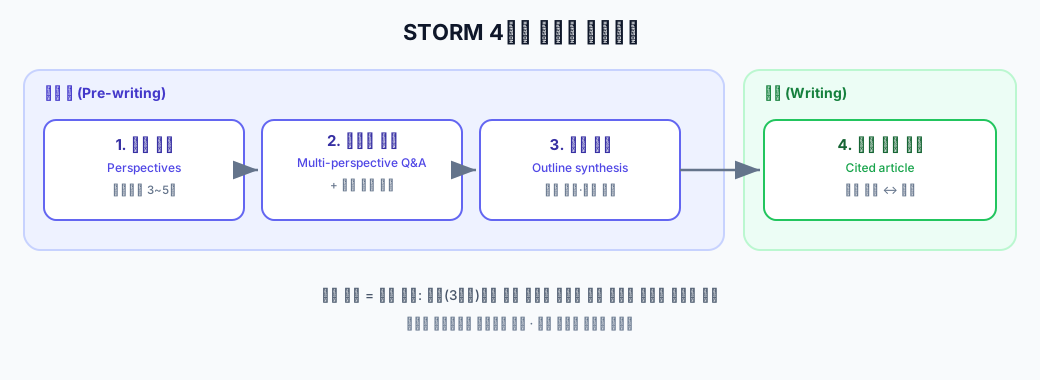
Stanford’s OVAL Lab built STORM, an LLM knowledge-curation system that asks questions, investigates from multiple perspectives, drafts an outline, and produces a cited report.
An analysis of the agent skill library with over 23,000 empirical research skills released by Stanford REAP-based CoPaper.AI.
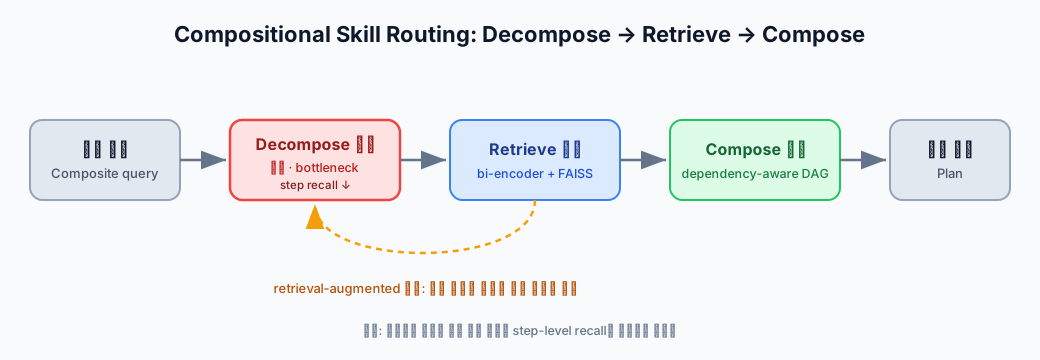
A composite user request is not the problem of picking one skill but of composing several.
We analyze a paper (arXiv:2606.15870) that traces Google’s five generations of training supercomputers from TPU v2 to Ironwood, covering architectural stability, scale, resilience, power efficiency, and sustainability.
Swap ‘arxiv’ for ‘autoarxiv’ in an arXiv URL and an agent automatically sets up the codebase environment, runs a minimal reproduction, and estimates the GPU cost of full replication.
slime, open-sourced by Z.ai, is an LLM post-training framework built for RL scaling.
An analysis of running the 753B-scale SOTA open-weight model GLM-5.2 on an RTX 4090 consumer GPU.
We look at a community benchmark running Gemma 4 12B on an RTX 4060 8GB using QAT and TurboQuant, and unpack what quantization-aware training and consumer-GPU serving imply for on-premises inference economics from a ThakiCloud serving perspective.
yao-meta-skill, an open-source meta-skill rumored to be more powerful than Anthropic’s official Skill-creator, gets cloned into the ThakiCloud environment and put through its local verification gates.
An analysis of a structured-prompt technique that turns a travel photo into a Studio Ghibli style animation.
We cloned nature-skills, an open-source Claude skill package that bundles Nature-journal-grade scientific figure generation with academic polishing, and used nature-figure to render ThakiCloud serving data into a submission-grade two-panel figure.
LiteParse, released by LlamaIndex, is an Apache 2.0 open-source parser that converts PDFs to markdown without an LLM.
The biggest hidden cost of an AI coding agent is context.
We break down a demo that runs Gemma 4 26B locally to orchestrate 10 parallel subagents coding an SVG art gallery.
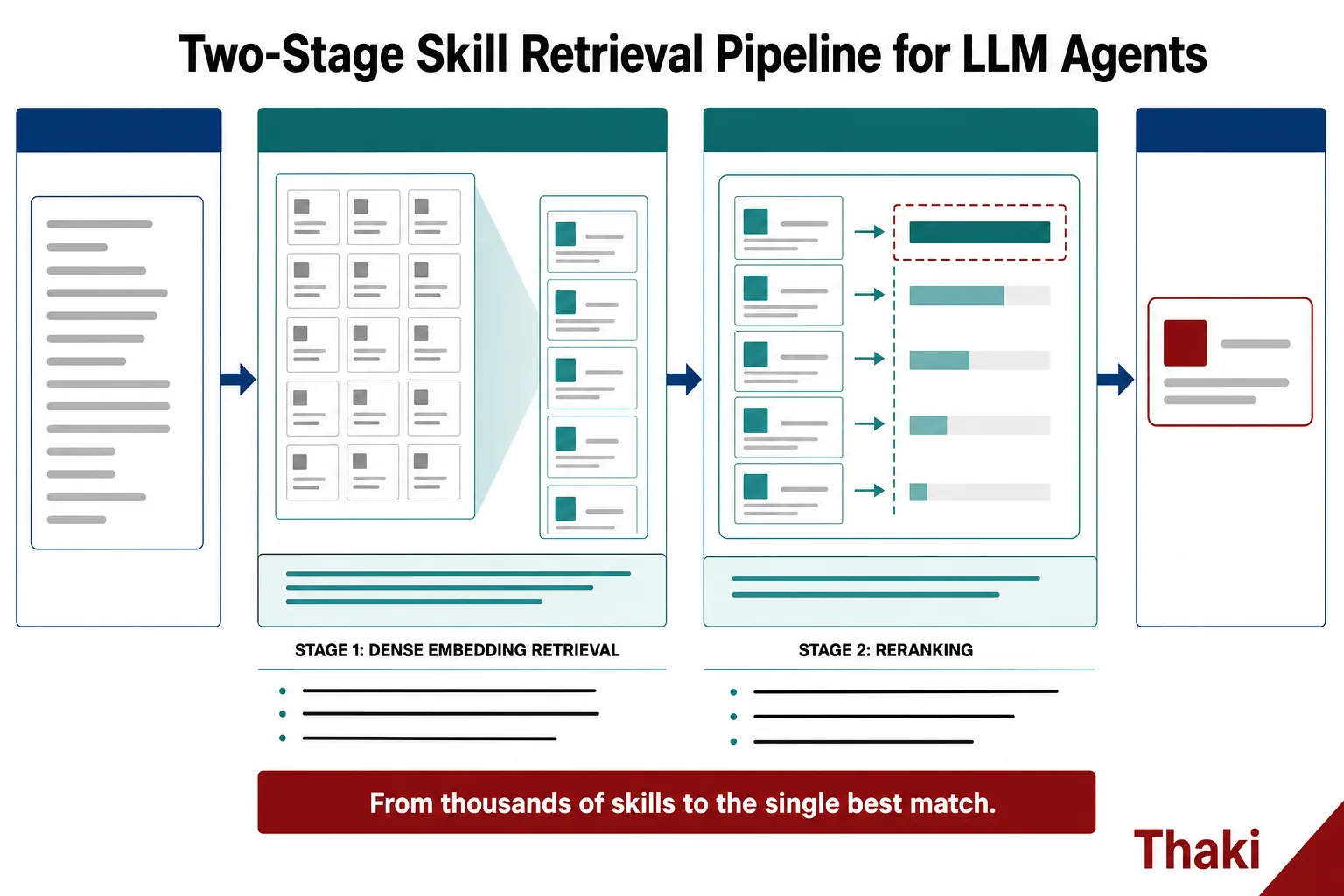
When LLM agents operate with thousands of reusable skills, accurate skill retrieval becomes the bottleneck.
An analysis of SkillOpt, which treats agent skill documents as external optimization targets and converts scored rollouts into controlled edits (add, delete, replace).
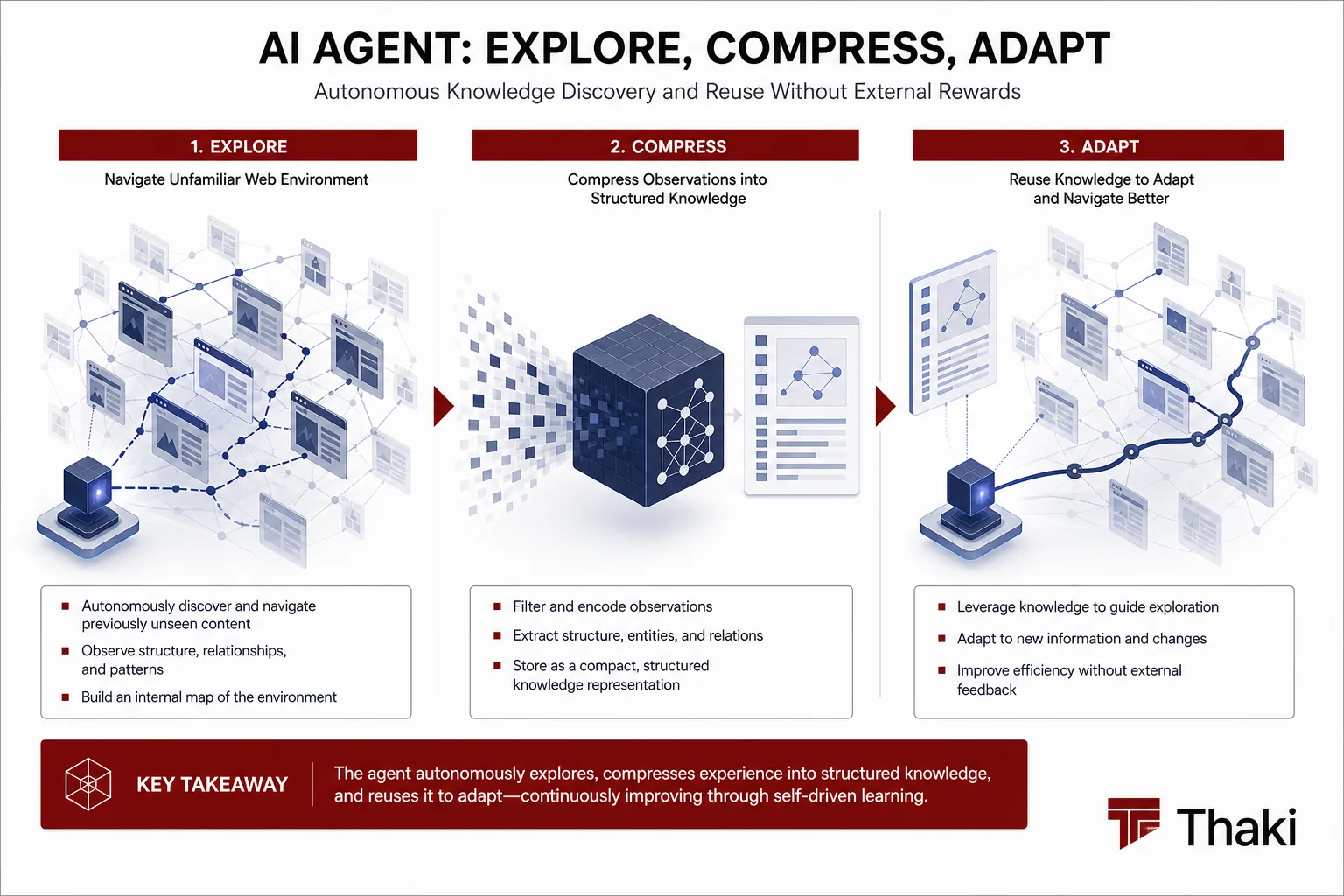
An analysis of a training methodology in which agents generate world knowledge on their own without external reward signals, then use that knowledge to improve downstream performance.
An analysis of a survey that systematizes how code functions as the foundational infrastructure for AI agent systems, organized into three layers: harness interface, harness mechanism, and multi-agent coordination.
By abstracting prompts, tools, and memory into versioned protocol resources, the Autogenesis Protocol (AGP) lets an agent close its own improvement loop.
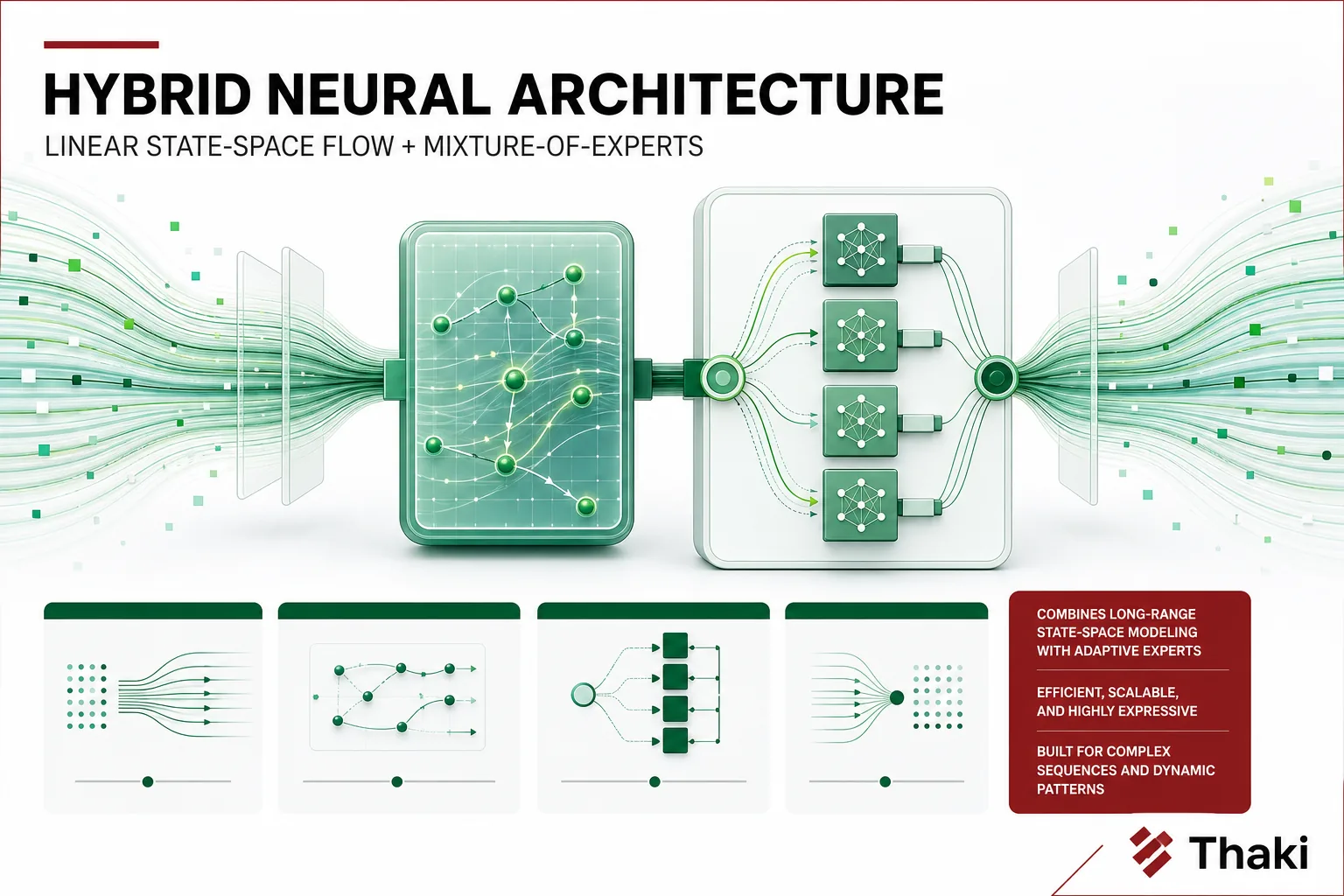
NVIDIA’s Nemotron-3-Ultra-550B-A55B, released under the OpenMDW-1.1 license, is a LatentMoE hybrid architecture combining Mamba-2, MoE, and Attention.
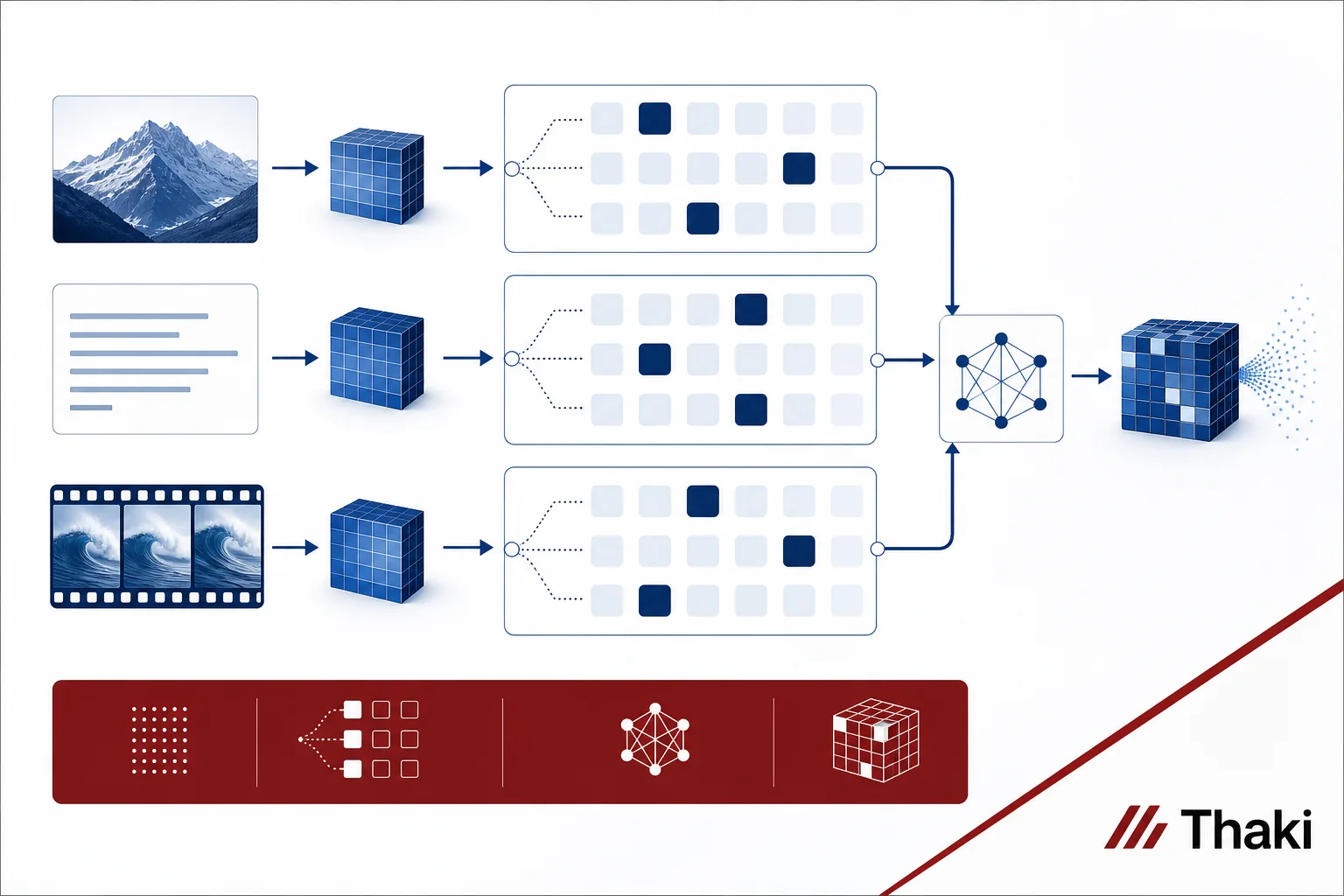
MiniMaxAI’s M3 is a 428B total / 23B active parameter MoE multimodal VLM.
MiniMax’s M2.7 offers 229B parameters, FP8 support, and 113 quantization variants, providing a wide range of on-premises deployment paths.
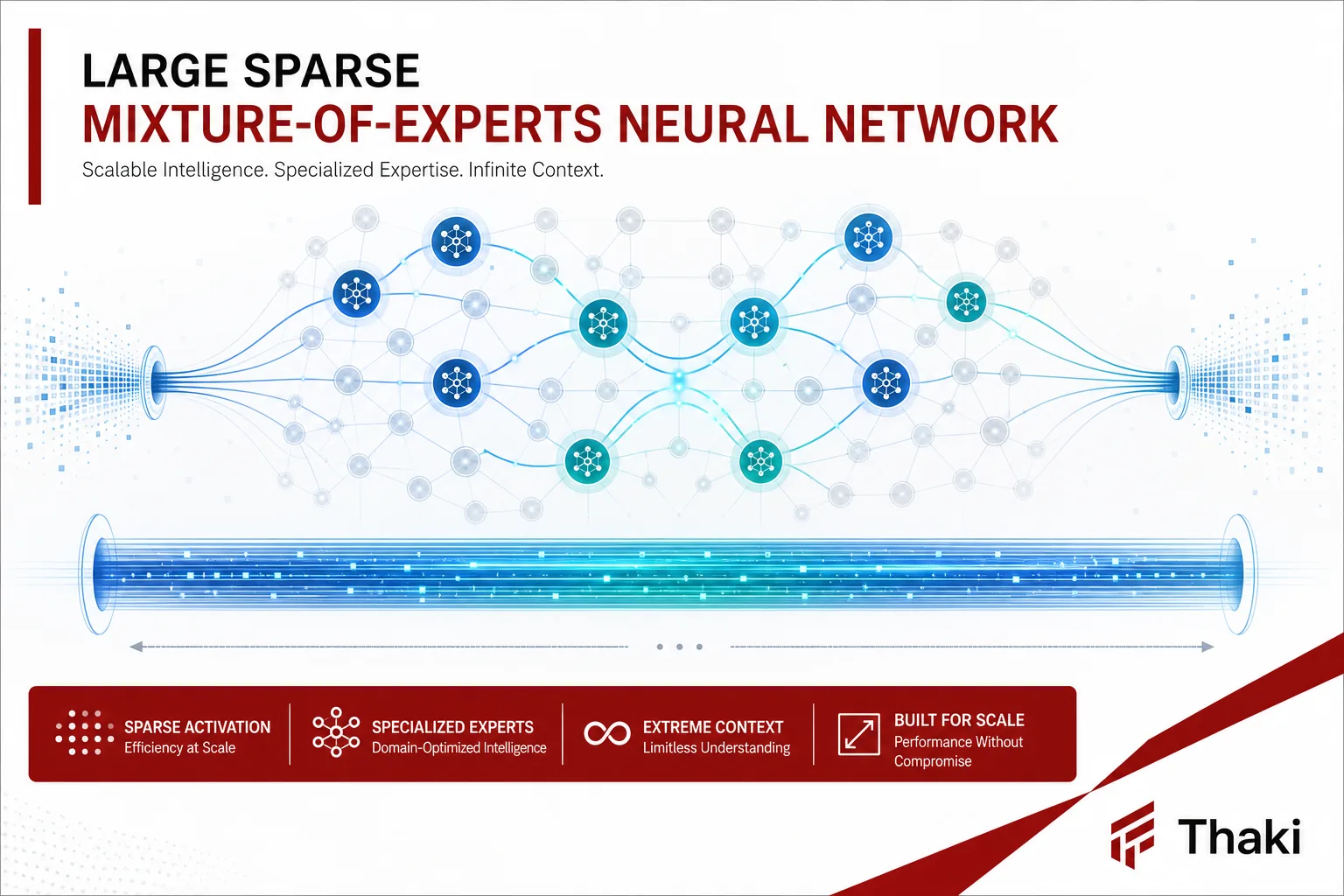
Moonshot AI’s Kimi K2.6 is a MoE model with 1T total parameters but only 32B active per token, maintaining dense 32B inference costs while supporting 256K context and multimodal input.
Z.ai’s GLM-5.2 handles 1M context with 2.9x FLOPs savings using DSA (Dynamic Sparse Attention).
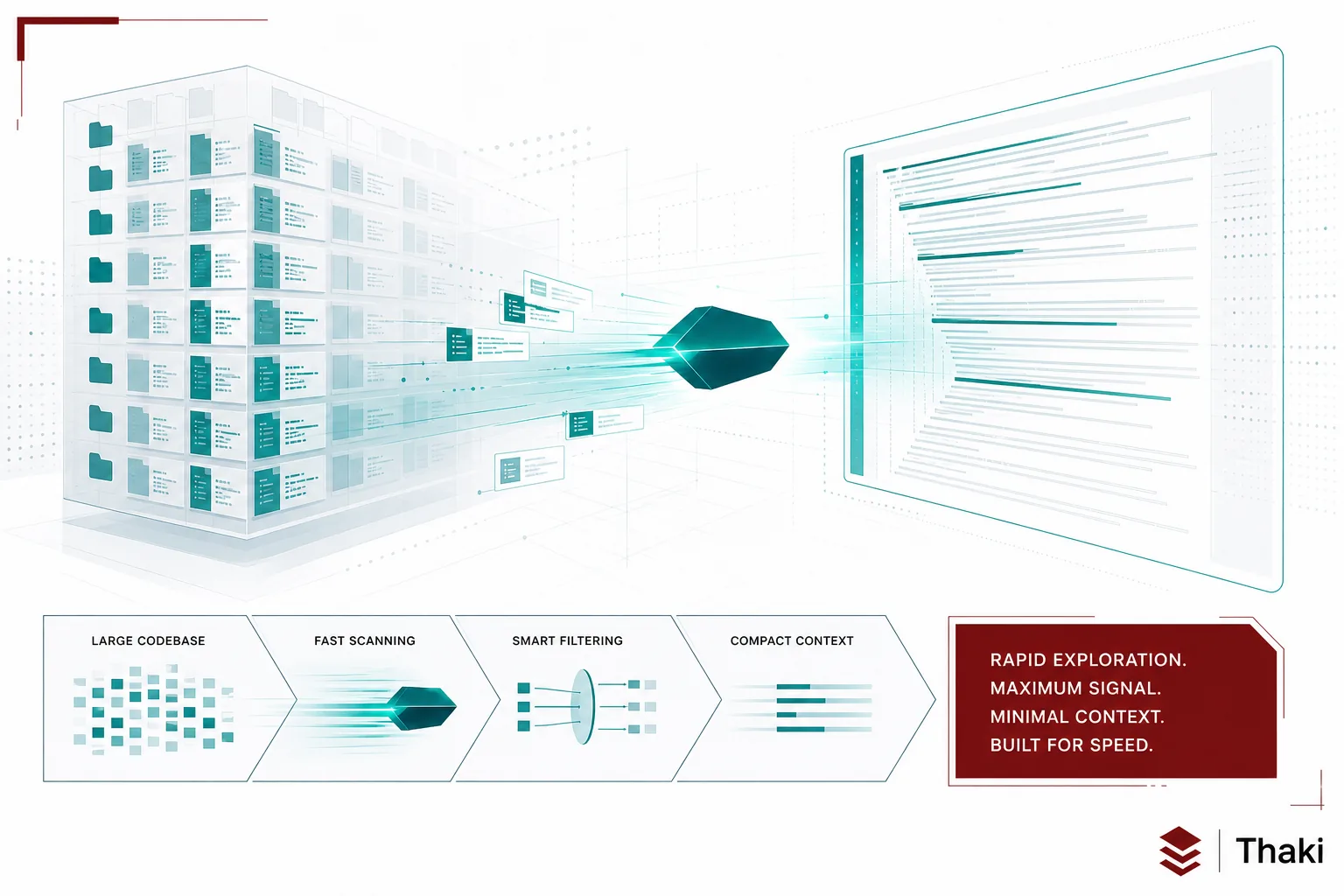
Microsoft released FastContext-1.0-4B-SFT, a fine-tuned Qwen3-4B coding agent subagent model.
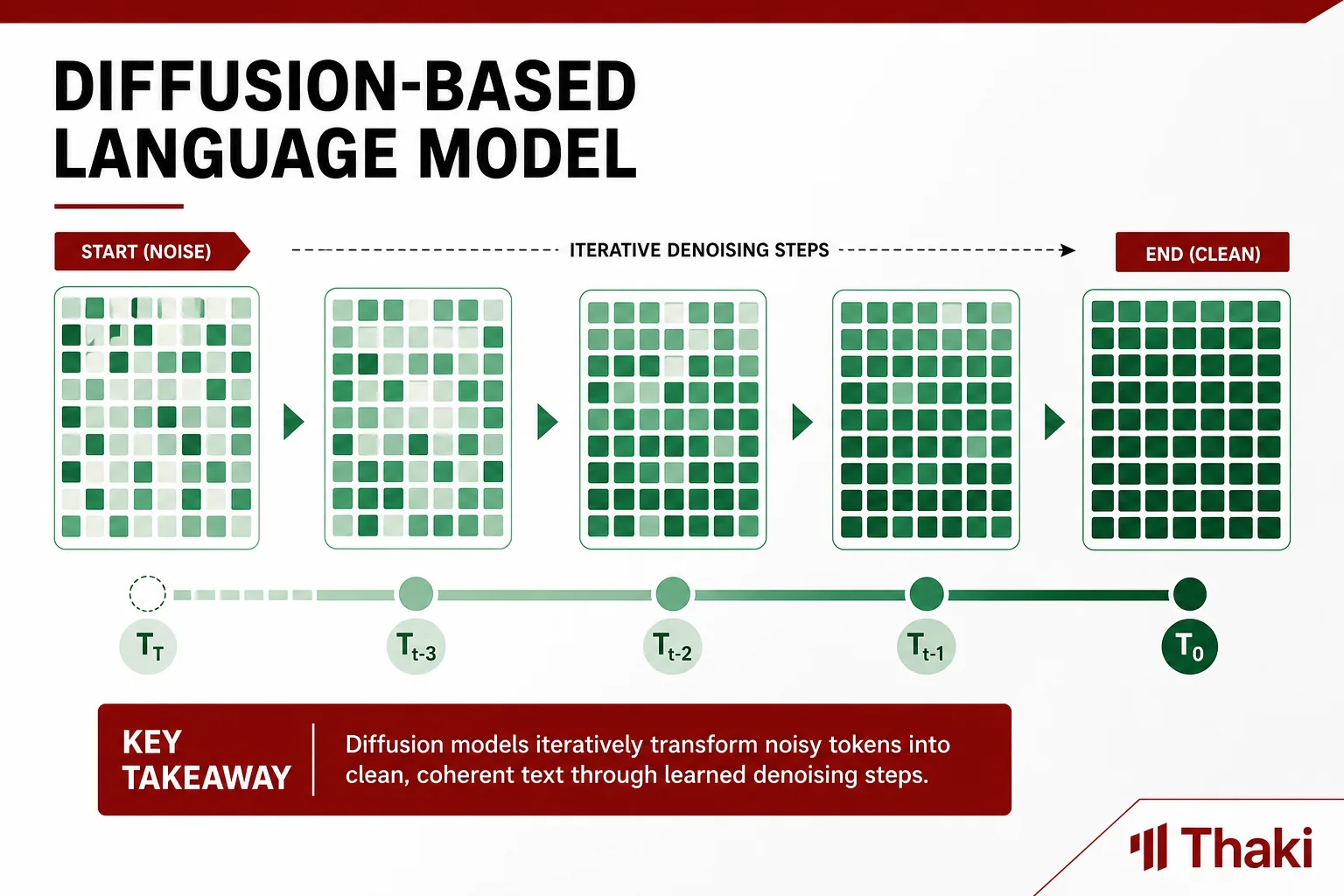
Google DeepMind released diffusiongemma-26B-A4B-it, a MoE-based VLM that generates text via discrete diffusion rather than autoregressive decoding.
From environment setup to easy-to-miss features.
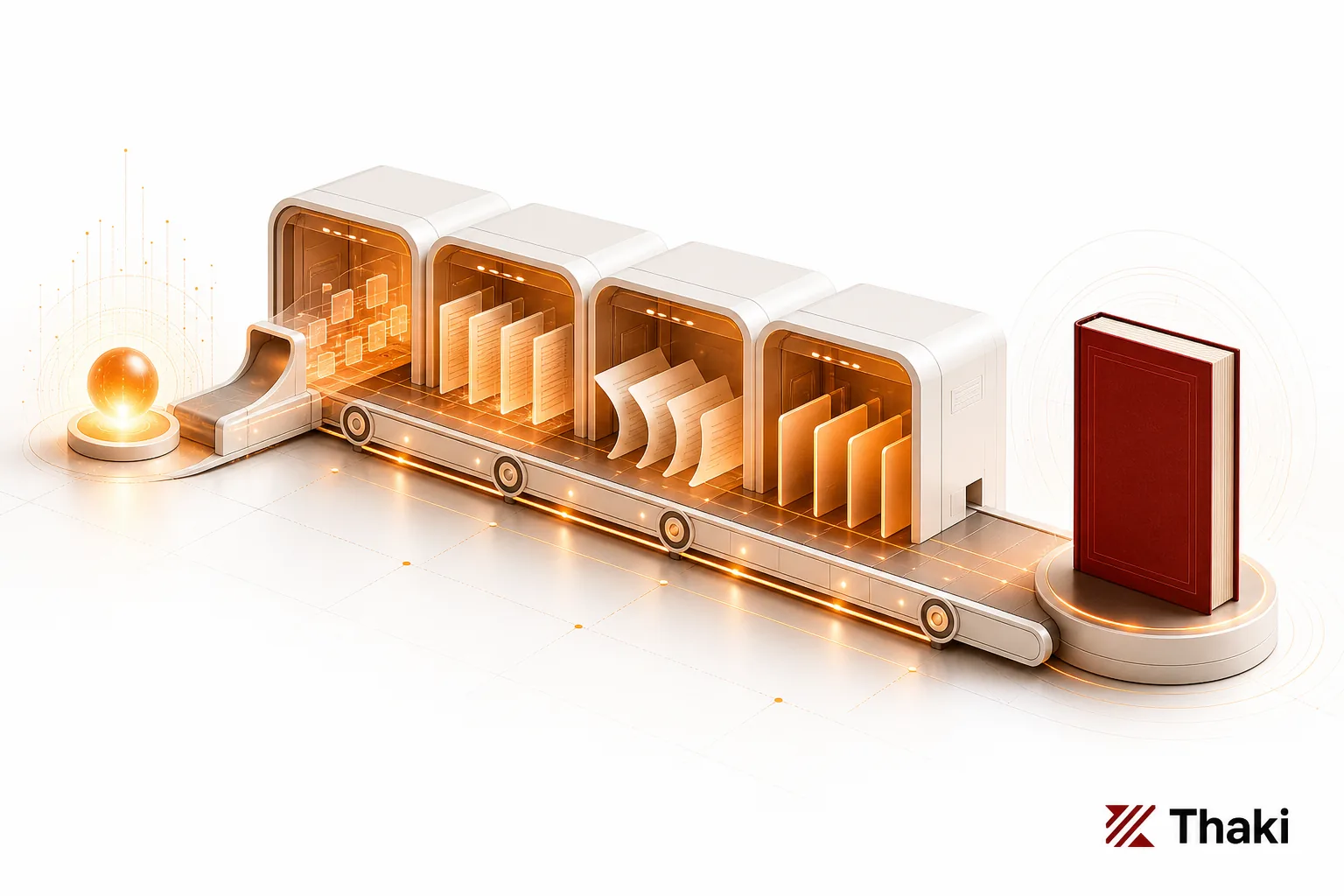
A record of actually running an ebook production skill that bundles research, cover design, sales funnel, and deployment scripts into a single pipeline.
After EAGLE 3.1 merged into vLLM main in May 2026, how to integrate speculative decoding into a K8s LLM serving stack and validate real-world performance.
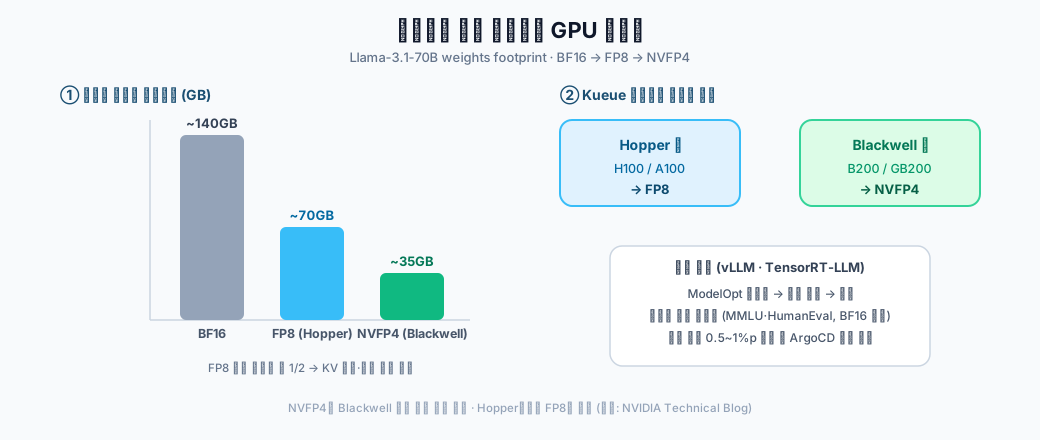
What advantages NVIDIA Blackwell’s native 4-bit floating-point format NVFP4 offers over H100 FP8, and how to apply it in the vLLM/TensorRT-LLM stack.
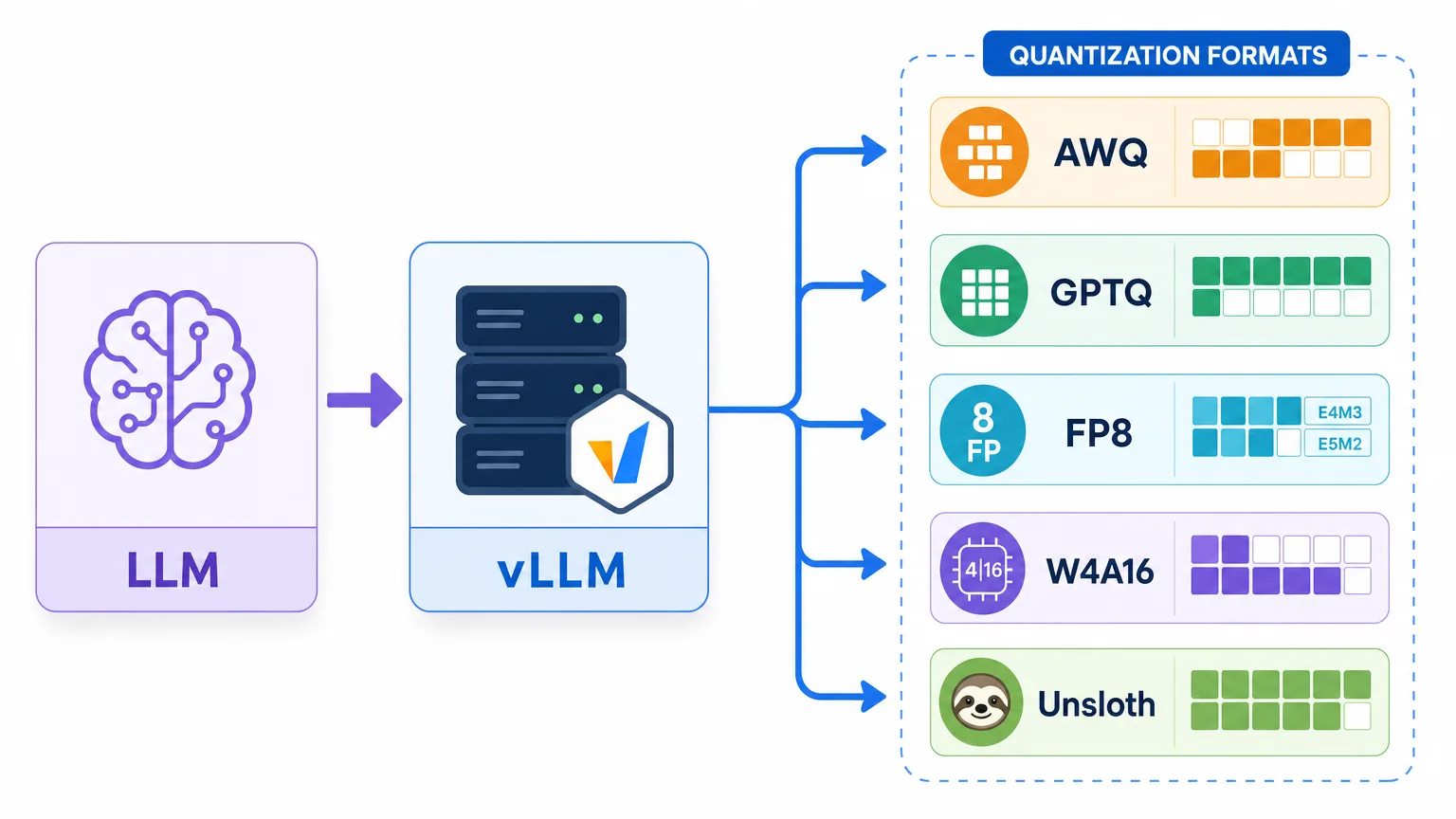
Beyond Blackwell-only NVFP4, this guide covers every quantization method you can serve with vLLM today on Hopper and Ampere – AWQ, GPTQ, FP8, W4A16, compressed-tensors, and Unsloth Dynamic 2.0 – with real recipes and serving flags.
How to build an LLM serving observability stack that monitors GPU utilization, KV cache pressure, and token throughput in a Kubernetes multi-tenant environment.
llm-d is an inference scheduler that gets more requests through the same GPUs rather than buying more.
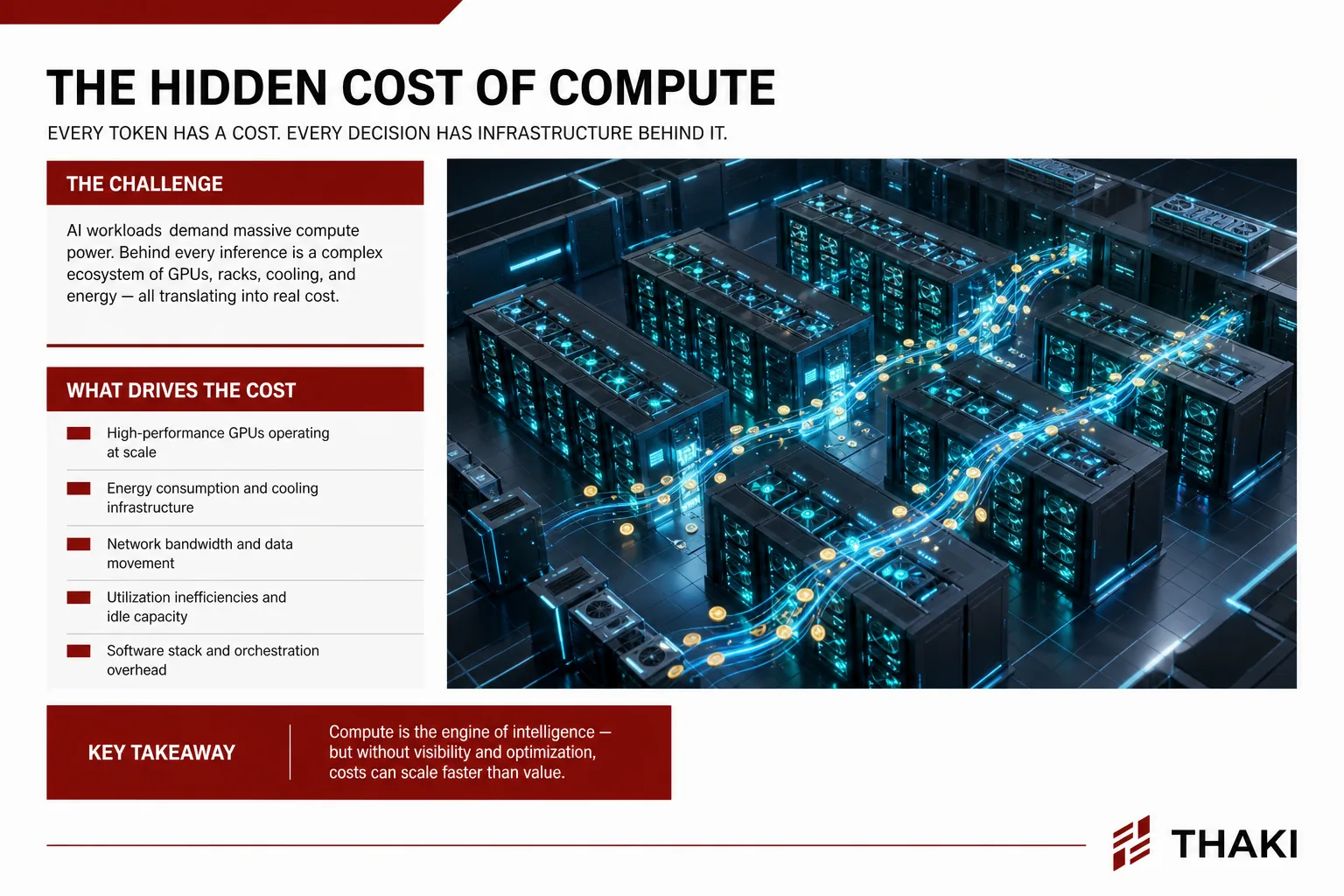
GPU depreciation formulas, Kueue gang scheduling, vLLM scale-to-zero, and model-tier routing – all in one place.
How to configure and measure vLLM Automatic Prefix Caching in production, with real hit-rate and cost-reduction numbers.
Practical patterns for operating Ollama as an LLM serving layer in a K8s cluster rather than as a local experimentation tool.
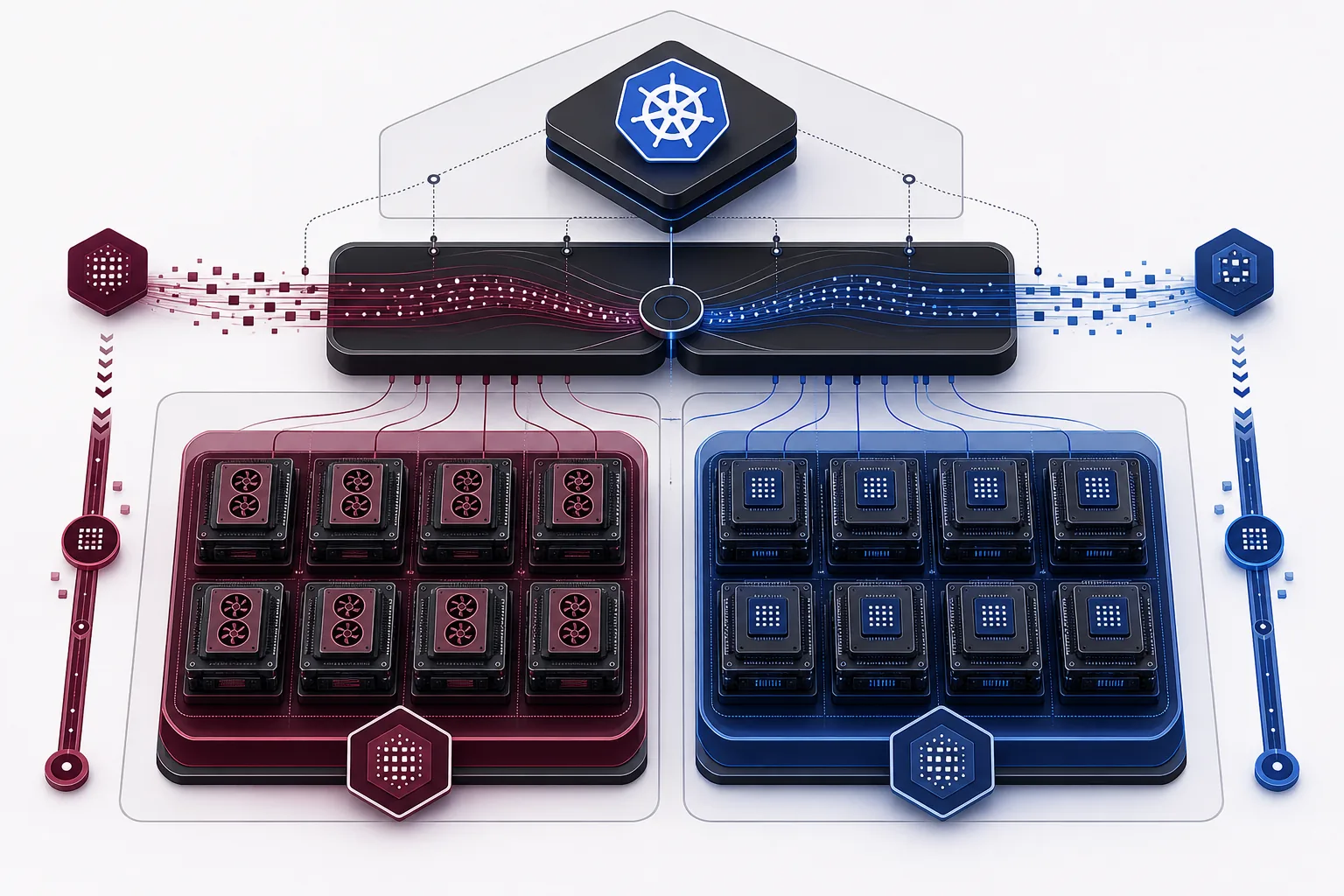
Kueue’s preemption mechanism and ClusterQueue design principles from the perspective of operating a real AI/ML platform.
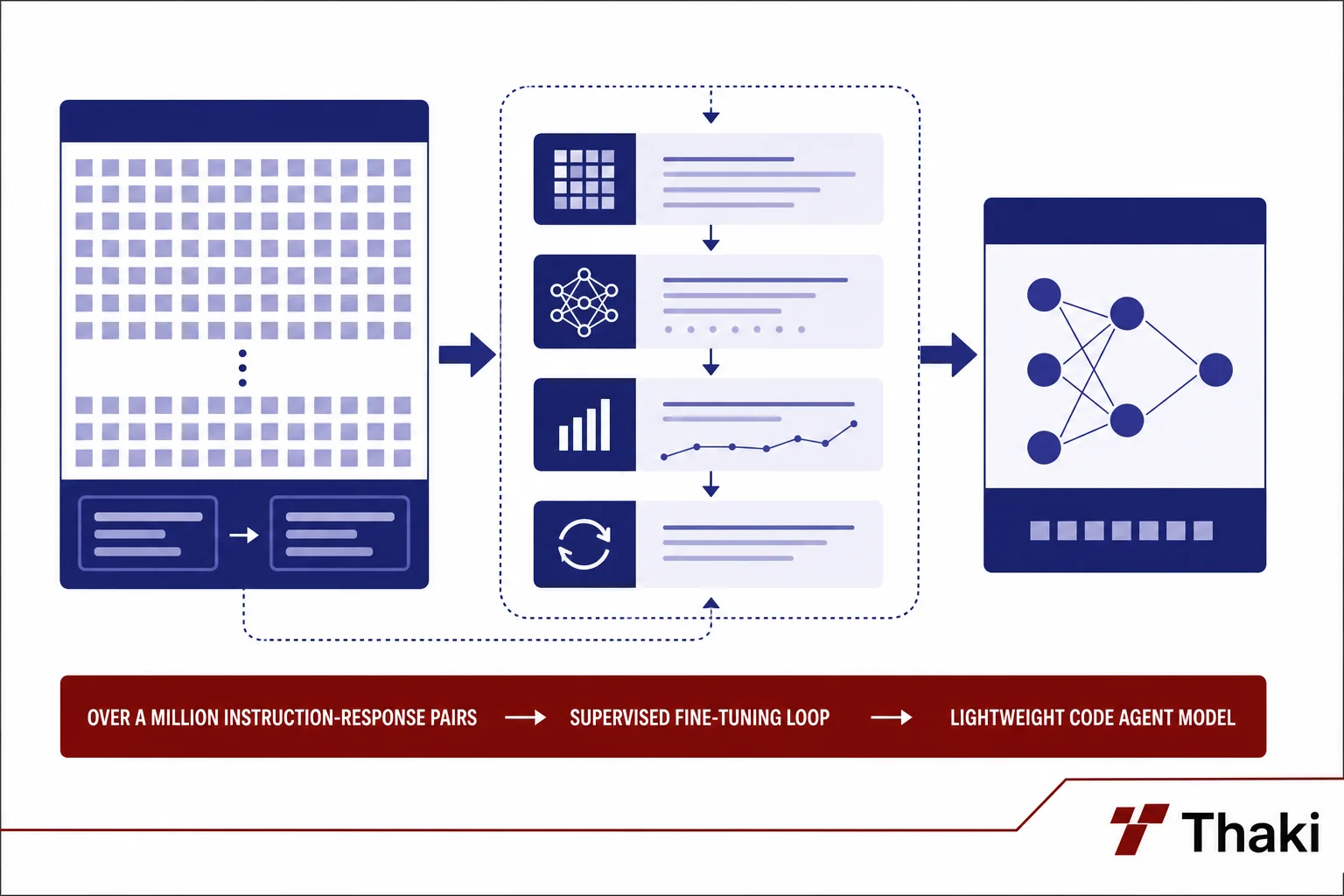
Vibe-Coding-Instruct by lazarus19 is an Apache-2.0 dataset of 1.1 million coding instruction-response pairs.
Glint-Research released 4,665 Fable 5 (Claude Code) agent traces in AGPL-3.0 under the HF Agent Traces format, with 81% tool-use composition.
agents-last-exam is a benchmark dataset of 153 long-horizon tasks for evaluating computer-use agents.
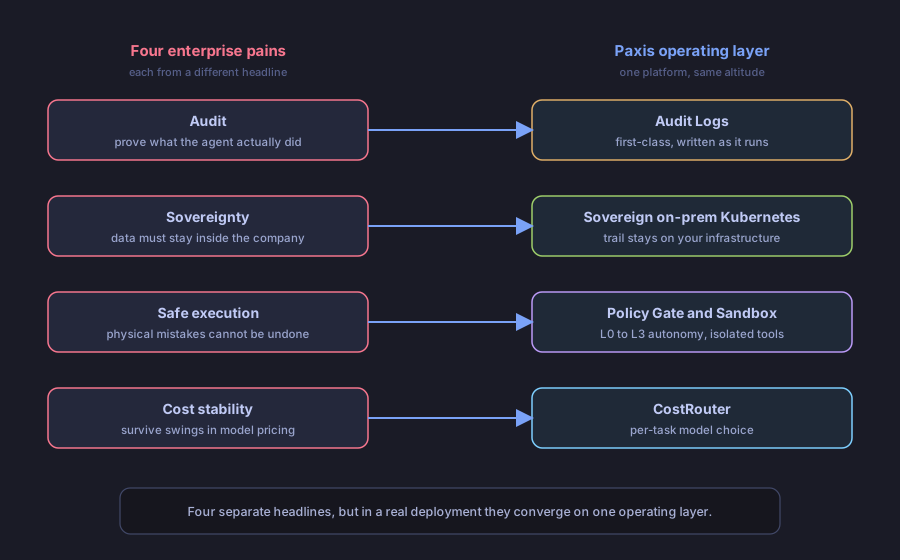
Just as traditional clouds treat servers as first-class resources, Paxis treats agent skills, tools, policies, and audit logs as first-class resources.
A practical guide to six multi-agent orchestration patterns validated in production as of 2026.
A look at the security problems and operational patterns that have emerged as MCP became the de facto agent connectivity standard in 2026.
Scheduled jobs, event hooks, self-improvement loops, memory pipelines – the complete list of automation that actually runs without a human pressing a button, broken down by cost.
We open-source two autonomous loops – one that uses a deterministic engine to mine recurring workflows from 800+ past conversations and package them as skills, and another that evolves existing skill bodies leak-free based on real failure evidence.
Starting from an incident that burned $705 in a single day, we reveal the practical rules and numbers behind how we structurally reduced Claude Code agent operating costs through LLM model routing, a skill router, and token hygiene.
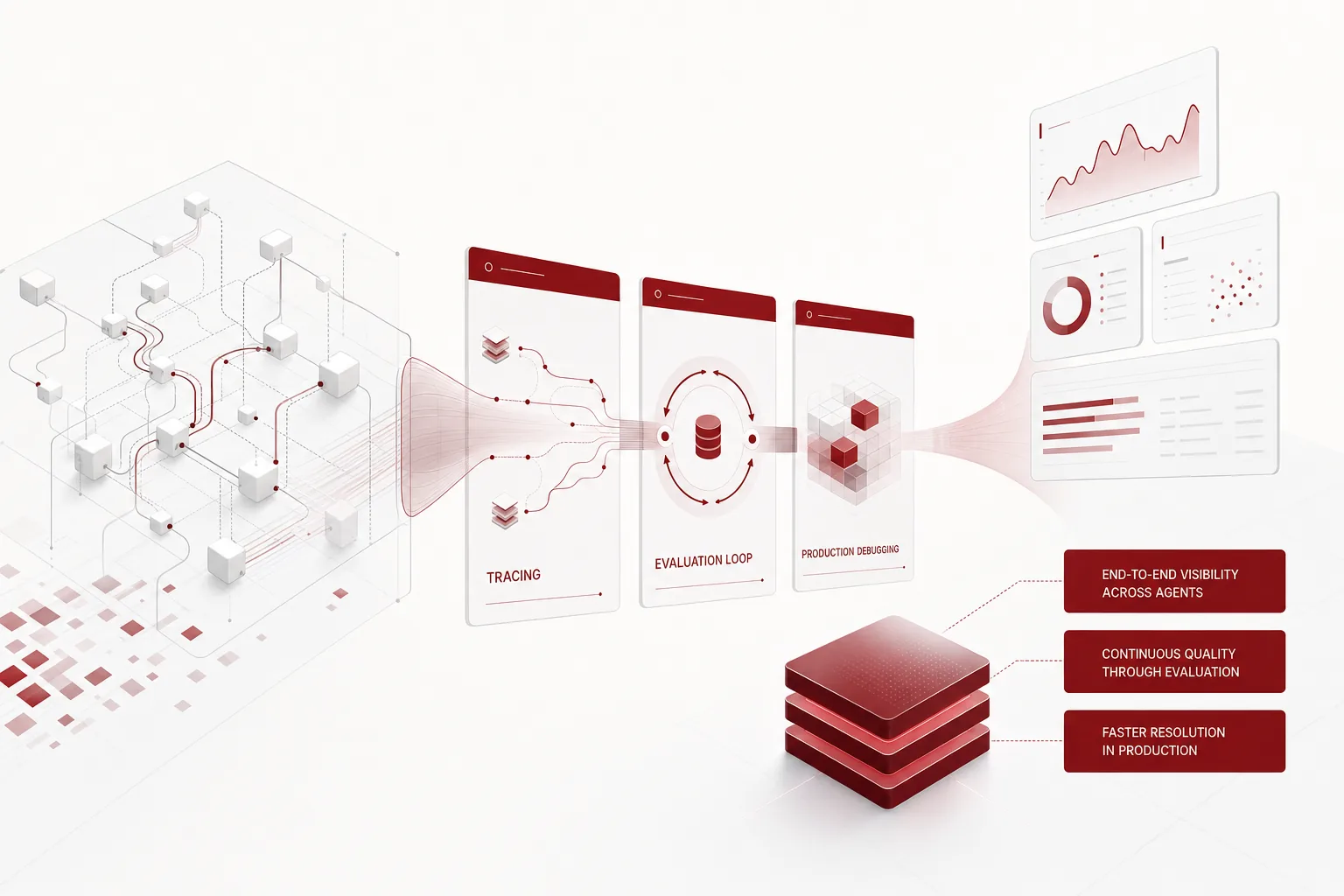
A practical look at why traditional logging falls short in multi-agent systems, and how to build span tracing, evaluation pipelines, and production debugging capabilities for LLM agents.
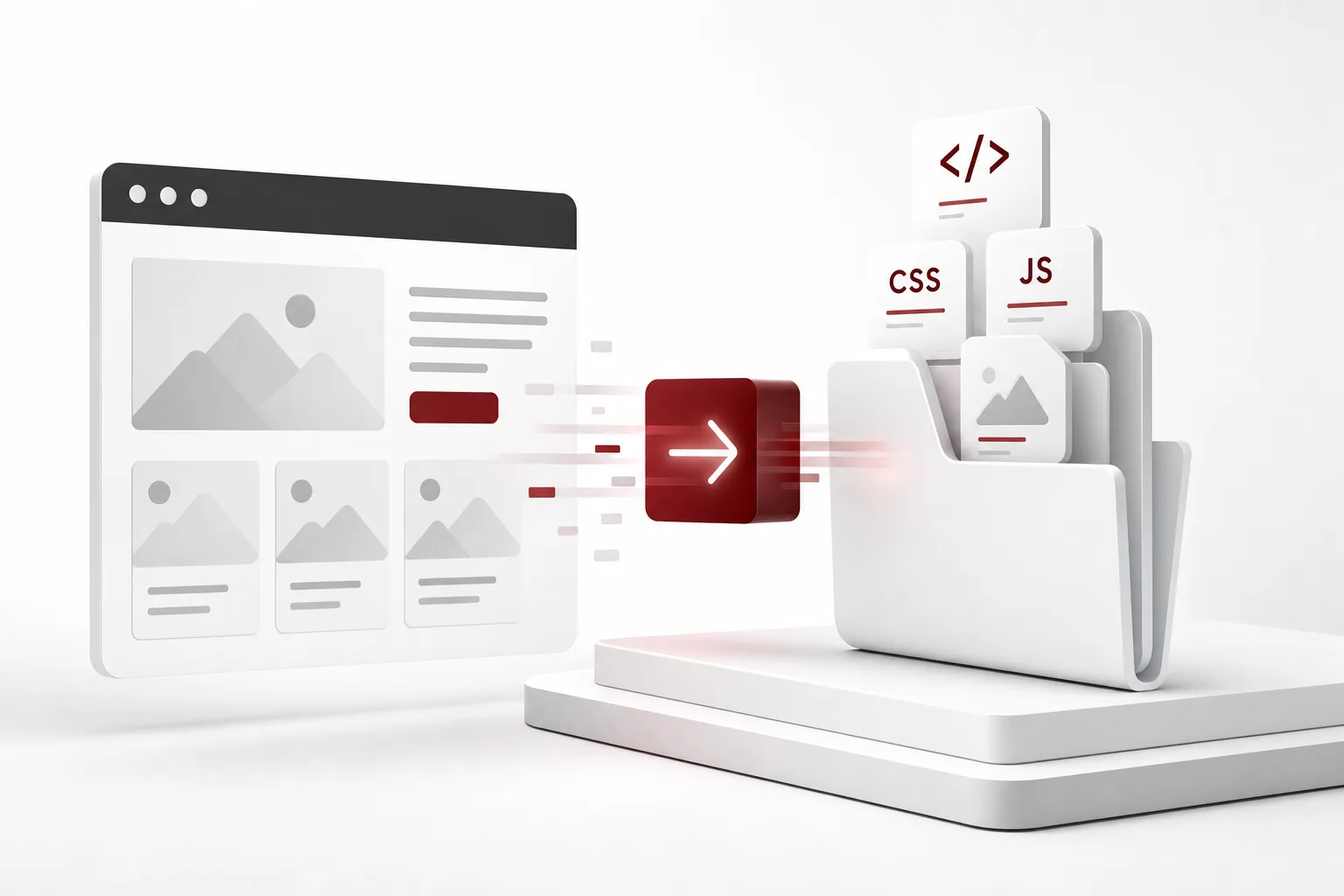
Learn how to use Goclone, a powerful Go-based website cloner that downloads entire websites including HTML, CSS, JavaScript, and images to your local machine.
Master RAGLight framework with hands-on examples covering RAG, Agentic RAG, RAT pipelines, and MCP integration for building powerful retrieval-augmented generation systems.
Learn how to create high-quality, reusable prompts using LangGPT’s structured framework.
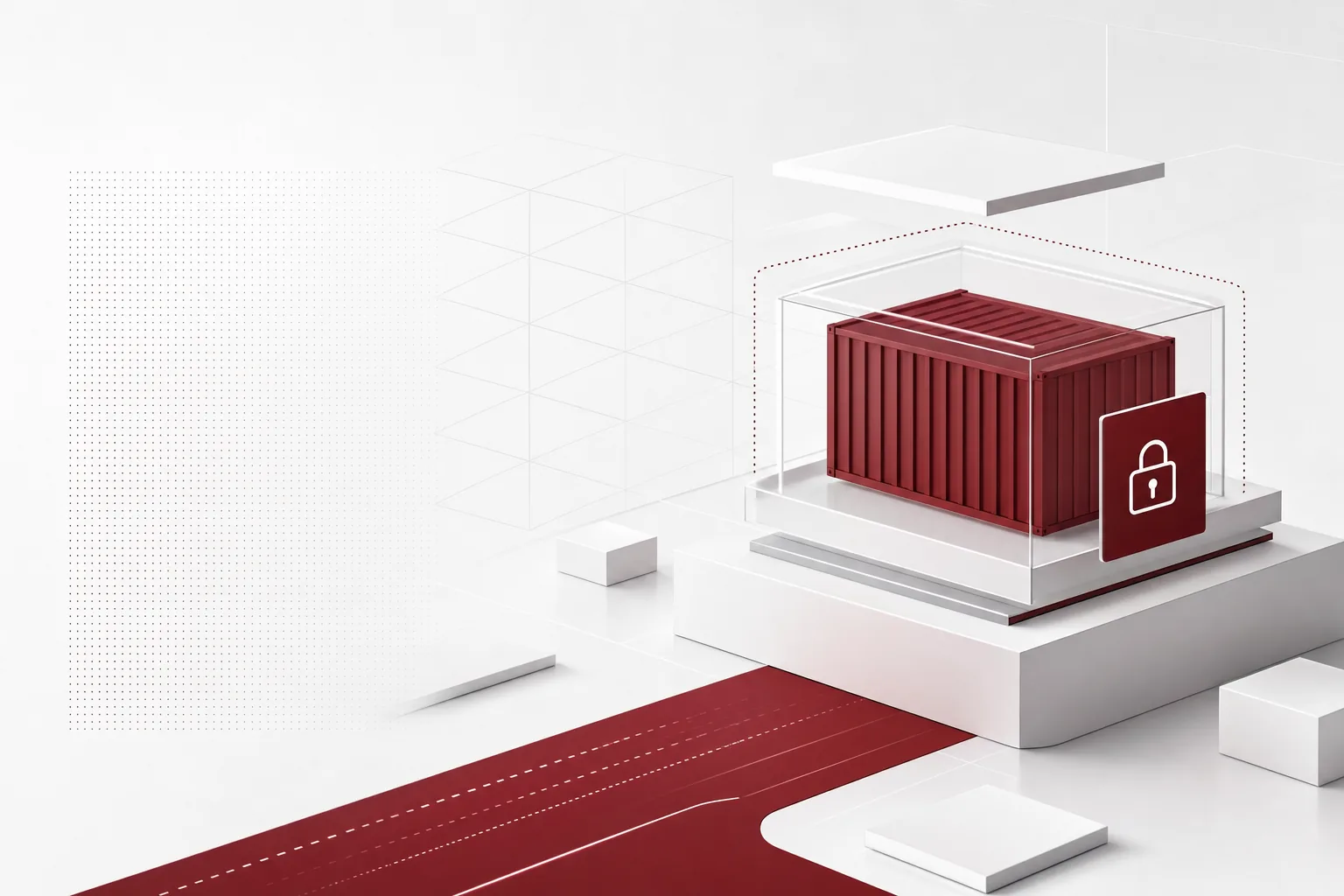
Learn how to run Docker containers without root privileges using udocker - perfect for HPC environments, shared systems, and secure container execution.
Learn how to set up and use Shannon, an open-source AI agent orchestrator with enterprise-grade security, cost controls, and vendor flexibility.
A comprehensive tutorial on Helm Dashboard - the missing UI for Helm that simplifies Kubernetes chart management with visual interface, revision history, and easy rollback capabilities.
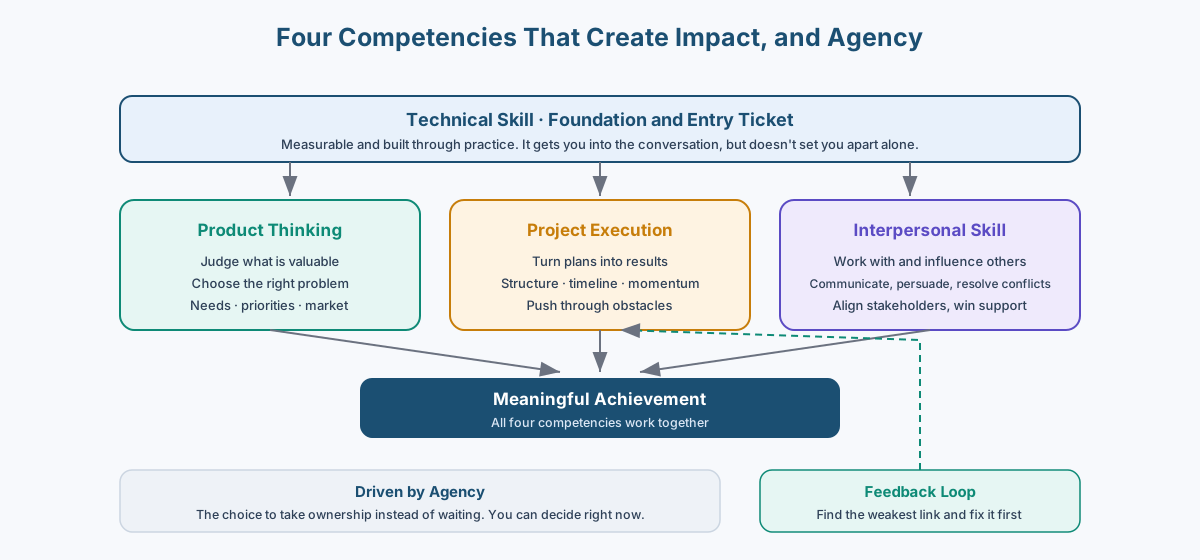
While technical excellence is the foundation of any career, true advancement requires mastering four essential disciplines: technical skill, product thinking, project execution, and people skills.
Explore the essential datasets and tools for LLM post-training, including supervised fine-tuning datasets, preference alignment data, and curation methodologies for building high-quality AI models.
Discover the ultimate collection of curated public datasets across diverse domains, from agriculture to eSports, maintained by the global open data community.
NVIDIA releases a 6-million-example multilingual reasoning dataset, providing high-quality training data expanded across five languages: French, Spanish, German, Italian, and Japanese.
NVIDIA’s latest multilingual speech recognition and translation dataset, Granary, covers 640,000 hours of audio across 25 European languages.
Discover the core features and applications of Rowfill, an open-source AI platform that automatically structures PDF, image, and audio files.
Master how to transform websites into LLM-ready data and efficiently collect Google/Bing SERP results with AnyCrawl, built on Node.js/TypeScript.
A detailed analysis of ByteDance’s Dolphin project Fox dataset and benchmark, including the Analyze-then-Parse paradigm from ACL 2025 and a large-scale dataset with 30M+ samples.
How to implement multilingual document layout analysis and OCR in a single vision-language model using dots.ocr, released by RedNote.
A practical guide outlining the core technology stack and competencies needed to build ML applications in production environments
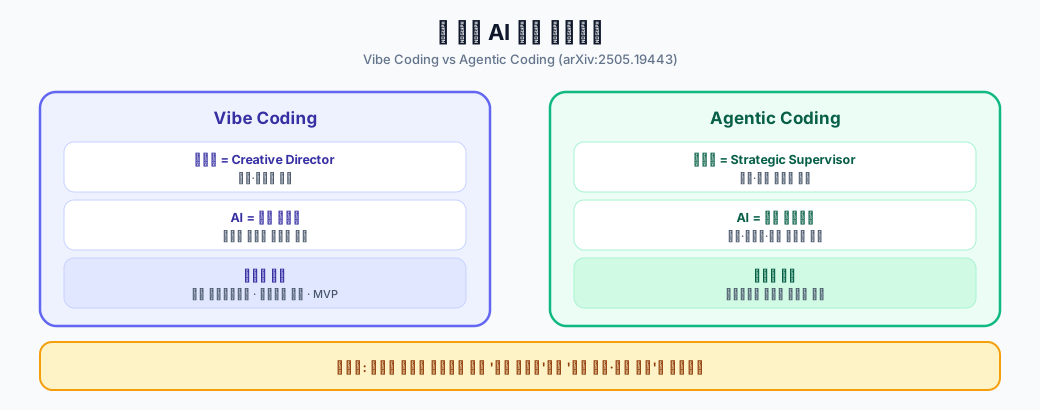
How to embrace and develop the new development culture brought by Vibe Coding and Agentic Coding? A guide to building collaborative culture with AI, breaking away from past conventions
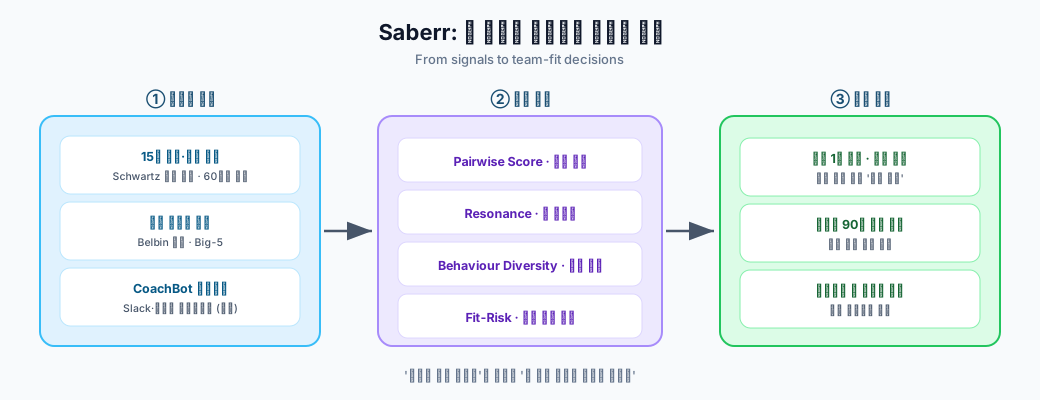
How to leverage Saberr algorithms to quantify team compatibility through 15-minute surveys and behavioral data, optimizing everything from hiring to onboarding
How to apply Moneyball strategy that discovers hidden value through data and achieves maximum performance relative to resources in development, product, and hiring
In the AI era, developers don’t need to know everything.
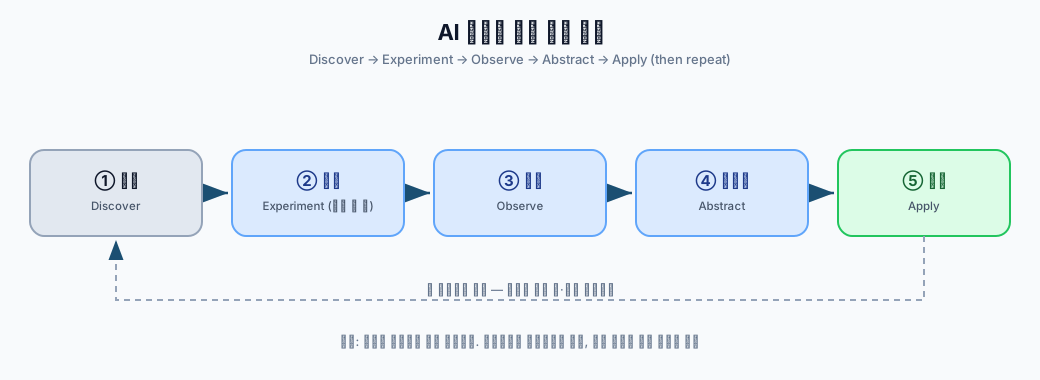
We’re sharing a learning roadmap for those who want to start AI engineering.
Introducing the ideal candidate profile and hiring criteria through 10 must-read books for backend·infrastructure engineer recruitment and practical application cases.
ThakiCloud’s Three Vs (Velocity, Validation, Versioning) based MLOps culture and practical cases, plus recruitment information for colleagues to join us.
Sharing materials presented at KCD Seoul 2025.
Sharing Thaki Cloud’s corporate culture, benefits, developer stories, recruitment information, and more.
Sharing Thaki Cloud’s mission, principles, and values.
No posts match these filters.